

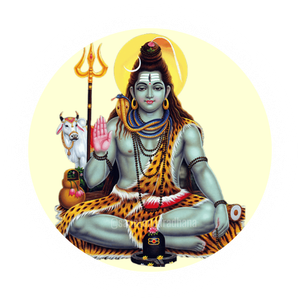
श्रावण मास, जिसे सामान्य बोलचाल में सावन कहा जाता है, भगवान शिव की आराधना के लिए अत्यन्त पवित्र माना जाता है। इस महीने में आने वाले प्रत्येक सोमवार को श्रद्धालु भगवान शिव और माता पार्वती की पूजा करते हैं, शिवलिंग का अभिषेक करते हैं तथा अपनी श्रद्धा, स्वास्थ्य और सामर्थ्य के अनुसार व्रत रखते हैं।
सावन सोमवार व्रत का उद्देश्य केवल सांसारिक मनोकामनाओं की पूर्ति नहीं है। यह व्रत मन की शुद्धि, आत्म-संयम, सात्त्विक जीवन, भगवान शिव के स्मरण और उनके श्रीचरणों में पूर्ण समर्पण की साधना भी माना जाता है।
महत्त्वपूर्ण: सावन सोमवार के पूजन में प्रचलित सोमवार व्रत कथा का पाठ अथवा श्रवण किया जाता है। अलग-अलग क्षेत्रों और पारिवारिक परम्पराओं में भगवान शिव से जुड़ी अन्य पौराणिक कथाएँ भी पढ़ी जाती हैं। सावन सोमवार व्रत और सोलह सोमवार व्रत एक ही नहीं हैं।
सावन सोमवार व्रत का महत्त्व
सनातन परम्परा में सोमवार का दिन भगवान शिव को समर्पित माना जाता है। जब सोमवार श्रावण मास में आता है, तो उसका धार्मिक महत्त्व और अधिक बढ़ जाता है। भक्त इस दिन शिवलिंग पर जल, गंगाजल, बिल्वपत्र और पुष्प अर्पित करके भगवान शिव की कृपा प्राप्त करने की प्रार्थना करते हैं।
धार्मिक मान्यता के अनुसार सावन सोमवार का व्रत श्रद्धापूर्वक करने से भक्त के मन में शान्ति, धैर्य और आत्मविश्वास की वृद्धि होती है। भगवान शिव और माता पार्वती की संयुक्त आराधना वैवाहिक जीवन में प्रेम, विश्वास, सद्भाव और पारिवारिक सुख की कामना से भी की जाती है।
अविवाहित श्रद्धालु योग्य और सदाचारी जीवनसाथी की कामना से भी सावन सोमवार का व्रत रखते हैं। इस परम्परा को माता पार्वती की उस अटूट भक्ति और तपस्या से जोड़ा जाता है, जिसके द्वारा उन्होंने भगवान शिव को पति के रूप में प्राप्त किया।
श्रावण मास की पौराणिक महिमा
पौराणिक मान्यता के अनुसार माता सती ने भगवान शिव को प्रत्येक जन्म में अपने पति के रूप में प्राप्त करने का दृढ़ संकल्प लिया था। माता सती भगवान शिव से अत्यन्त प्रेम करती थीं और उनके प्रति पूर्णतः समर्पित थीं।
एक समय माता सती के पिता दक्ष प्रजापति ने एक विशाल यज्ञ का आयोजन किया, लेकिन भगवान शिव को उस यज्ञ में आमन्त्रित नहीं किया। माता सती भगवान शिव की अनुमति के बिना अपने पिता के घर पहुँचीं। वहाँ दक्ष प्रजापति द्वारा भगवान शिव का अपमान किए जाने पर माता सती अत्यन्त दुःखी हुईं। वे अपने आराध्य और पति का अपमान सहन नहीं कर सकीं और योगाग्नि द्वारा अपने शरीर का त्याग कर दिया।
अगले जन्म में माता सती ने पर्वतराज हिमालय और माता मैना के घर पुत्री के रूप में जन्म लिया। इस जन्म में वे माता पार्वती के नाम से प्रसिद्ध हुईं। बाल्यकाल से ही उनका मन भगवान शिव की भक्ति में लगा रहता था। उन्होंने पुनः भगवान शिव को ही अपने पति के रूप में प्राप्त करने का संकल्प लिया।
माता पार्वती ने भगवान शिव को प्रसन्न करने के लिए कठोर तपस्या, उपवास और साधना की। उनकी तपस्या में दृढ़ता, संयम और निष्कपट प्रेम था। उनकी अटूट भक्ति से प्रसन्न होकर भगवान शिव ने उन्हें अपनी अर्धांगिनी के रूप में स्वीकार किया।
इसी पौराणिक प्रसंग के कारण श्रावण मास में भगवान शिव और माता पार्वती की संयुक्त पूजा को विशेष महत्त्व दिया जाता है। भक्त माता पार्वती की भक्ति से प्रेरणा लेकर सावन सोमवार का व्रत रखते हैं और अपने जीवन में प्रेम, धैर्य, सत्य तथा धर्म की स्थापना के लिए प्रार्थना करते हैं।
क्या सावन सोमवार और सोलह सोमवार व्रत एक हैं?
सावन सोमवार व्रत और सोलह सोमवार व्रत भगवान शिव को समर्पित होने के कारण एक-दूसरे से सम्बन्धित अवश्य हैं, लेकिन दोनों का व्रत-काल अलग होता है।
सावन सोमवार व्रत: श्रावण मास में आने वाले सोमवारों को किया जाता है।
सोलह सोमवार व्रत: लगातार सोलह सोमवार तक किया जाता है।
सोलह सोमवार व्रत की शुरुआत सावन के पहले सोमवार से की जा सकती है, लेकिन यह आवश्यक नहीं है।
सोलह सोमवार व्रत की अपनी अलग कथा, नियम और उद्यापन-विधि है।
सावन सोमवार व्रत की पूजा सामग्री
भगवान शिव और माता पार्वती की प्रतिमा अथवा चित्र
शिवलिंग
स्वच्छ जल अथवा गंगाजल
बिल्वपत्र
सफेद पुष्प
चन्दन
अक्षत
धूप और दीप
ऋतुफल और सात्त्विक नैवेद्य
माता पार्वती के लिए कुमकुम और श्रृंगार सामग्री
रुद्राक्ष की माला, यदि उपलब्ध हो
पूजा सामग्री श्रद्धा और सामर्थ्य के अनुसार रखी जा सकती है। भगवान शिव को भोलेनाथ कहा जाता है और धार्मिक परम्परा में उन्हें सरल भक्ति से शीघ्र प्रसन्न होने वाला माना गया है। इसलिए महँगी सामग्री की अपेक्षा शुद्ध मन, श्रद्धा और विनम्रता अधिक महत्त्वपूर्ण हैं।
सावन सोमवार व्रत की पूजा विधि
सोमवार को प्रातःकाल उठकर स्नान करें और स्वच्छ वस्त्र धारण करें।
पूजा-स्थान को स्वच्छ करके भगवान शिव और माता पार्वती का ध्यान करें।
हाथ में जल लेकर अपनी श्रद्धा और स्वास्थ्य के अनुसार सावन सोमवार व्रत का संकल्प लें।
दीपक और धूप प्रज्वलित करके भगवान गणेश का स्मरण करें।
शिवलिंग पर सबसे पहले स्वच्छ जल अथवा गंगाजल अर्पित करें।
पारिवारिक परम्परा के अनुसार दूध अथवा पंचामृत से अभिषेक किया जा सकता है। इसके बाद पुनः स्वच्छ जल अवश्य अर्पित करें।
भगवान शिव को चन्दन, अक्षत, बिल्वपत्र, पुष्प और फल अर्पित करें।
माता पार्वती को कुमकुम, अक्षत, पुष्प और श्रृंगार सामग्री अर्पित करें।
श्रद्धापूर्वक “ॐ नमः शिवाय” मंत्र का 108 बार जाप करें।
शिव चालीसा, महामृत्युंजय मंत्र अथवा भगवान शिव के अन्य स्तोत्रों का पाठ किया जा सकता है।
पूजा के पश्चात प्रचलित सोमवार व्रत कथा का पाठ अथवा श्रवण करें।
अन्त में भगवान शिव और माता पार्वती की आरती करें तथा पूजा में हुई भूलों के लिए क्षमा माँगें।
भगवान को सात्त्विक भोग अर्पित करके प्रसाद परिवार और श्रद्धालुओं में वितरित करें।
सावन सोमवार को कौन-सी व्रत कथा पढ़ी जाती है?
सावन सोमवार की पूजा में प्रायः वही प्रचलित सोमवार व्रत कथा पढ़ी जाती है, जिसमें एक धर्मपरायण साहूकार, उसकी पत्नी, उनके अल्पायु पुत्र और भगवान शिव तथा माता पार्वती की कृपा का वर्णन आता है।
इस कथा में साहूकार प्रत्येक सोमवार भगवान शिव का व्रत और पूजन करता है। माता पार्वती के आग्रह पर भगवान शिव उसे पुत्र-प्राप्ति का वरदान देते हैं, लेकिन पुत्र की आयु केवल बारह वर्ष निर्धारित होती है। आगे चलकर भगवान शिव और माता पार्वती की कृपा से बालक को पुनः जीवन और दीर्घायु प्राप्त होती है।
इस कथा का मुख्य संदेश यह है कि सच्ची भक्ति, धैर्य, धर्माचरण और भगवान शिव पर अटूट विश्वास कभी व्यर्थ नहीं जाता। भक्त को सुख और दुःख दोनों परिस्थितियों में ईश्वर का स्मरण बनाए रखना चाहिए।
व्रत का पालन अपनी आयु, स्वास्थ्य और पारिवारिक परम्परा के अनुसार करें।
कुछ श्रद्धालु फलाहार करते हैं, जबकि कुछ पूजा के बाद एक समय सात्त्विक भोजन ग्रहण करते हैं।
व्रत के दिन मांसाहार, मदिरा, तम्बाकू और अन्य नशीले पदार्थों से दूर रहें।
क्रोध, कटु वचन, निन्दा, छल और किसी का अपमान करने से बचें।
दिनभर भगवान शिव का स्मरण, मंत्र-जप और धार्मिक पाठ करें।
अपनी सामर्थ्य के अनुसार जरूरतमन्द व्यक्ति को भोजन, वस्त्र या अन्य सहायता प्रदान करें।
व्रत को दिखावे अथवा भय के कारण नहीं, बल्कि श्रद्धा और आत्म-संयम के साथ करें।
सावन सोमवार व्रत में क्या खा सकते हैं?
व्रत के नियम पारिवारिक और क्षेत्रीय परम्पराओं के अनुसार अलग हो सकते हैं। सामान्यतः फल, दूध, दही, मखाना, साबूदाना, सिंघाड़े का आटा, कुट्टू का आटा, आलू, शकरकन्द और सेंधा नमक से बने सात्त्विक पदार्थ ग्रहण किए जाते हैं।
कुछ श्रद्धालु केवल फल और दूध ग्रहण करते हैं, जबकि कुछ शाम की पूजा के बाद एक समय व्रत का भोजन करते हैं। शरीर को अनावश्यक कष्ट देना व्रत का उद्देश्य नहीं है। स्वास्थ्य के अनुसार उपयुक्त भोजन और पर्याप्त जल ग्रहण करना चाहिए।
सावन सोमवार व्रत के पारम्परिक लाभ
धार्मिक मान्यता के अनुसार सावन सोमवार का व्रत करने से भगवान शिव और माता पार्वती की कृपा प्राप्त होती है। भक्त इस व्रत को मानसिक शान्ति, आध्यात्मिक शक्ति, पारिवारिक सद्भाव और उचित मनोकामनाओं की पूर्ति की प्रार्थना के साथ करते हैं।
अविवाहित श्रद्धालु योग्य जीवनसाथी की कामना से और विवाहित श्रद्धालु दाम्पत्य जीवन में प्रेम, विश्वास और स्थिरता की प्रार्थना से यह व्रत रखते हैं। व्रत का वास्तविक आध्यात्मिक लाभ व्यक्ति के भीतर संयम, धैर्य, करुणा और भगवान शिव के प्रति भक्ति का विकास होना है।
व्रत रखते समय आवश्यक सावधानियाँ
गर्भवती महिलाओं, वृद्ध व्यक्तियों और बच्चों को कठोर उपवास नहीं करना चाहिए।
मधुमेह, रक्तचाप, किडनी या अन्य स्वास्थ्य समस्याओं वाले लोग चिकित्सकीय सलाह के अनुसार ही व्रत रखें।
नियमित दवा लेना बन्द न करें। आवश्यकता होने पर फलाहार अथवा सात्त्विक भोजन के साथ व्रत किया जा सकता है।
निर्जल व्रत प्रत्येक व्यक्ति के लिए उपयुक्त नहीं होता। शरीर की क्षमता का ध्यान रखें।
शारीरिक उपवास सम्भव न होने पर पूजा, मंत्र-जप, दान और सात्त्विक आचरण द्वारा भी भगवान शिव की आराधना की जा सकती है।
भगवान शिव और माता पार्वती से प्रार्थना
हे देवाधिदेव महादेव! हमारे मन से भय, क्रोध, अहंकार और नकारात्मकता को दूर करें। हमें सत्य, धर्म, करुणा और सदाचार के मार्ग पर चलने की शक्ति प्रदान करें। हमारे जीवन की कठिनाइयों में हमारा मार्गदर्शन करें और अपने श्रीचरणों में अटल भक्ति प्रदान करें।
हे माता पार्वती! हमारे परिवार में प्रेम, शान्ति और सद्भाव बनाए रखें। हमें धैर्य, सेवा, समर्पण और पवित्र आचरण की प्रेरणा प्रदान करें। हमारी उचित मनोकामनाएँ पूर्ण करें और हम सभी पर अपनी मातृवत् कृपा बनाए रखें।
The sacred month of Shravan, commonly known as Sawan, is considered especially auspicious for the worship of Lord Shiva. On every Monday during this holy month, devotees worship Lord Shiva and Goddess Parvati, perform the Abhishekam of the Shiva Lingam, and observe a fast according to their faith, health and personal capacity.
The purpose of the Sawan Somwar Vrat is not limited to the fulfilment of worldly desires. It is also regarded as a spiritual practice of inner purification, self-discipline, Sattvic living, remembrance of Lord Shiva and complete surrender at His sacred feet.
Important: During the worship performed on Sawan Mondays, devotees traditionally recite or listen to the widely known Somwar Vrat Katha. Depending on regional customs and family traditions, other sacred stories associated with Lord Shiva may also be recited. The Sawan Somwar Vrat and the Solah Somvar Vrat are not the same observance.
Significance of the Sawan Somwar Vrat
In Sanatana tradition, Monday is considered sacred to Lord Shiva. When a Monday falls during the month of Shravan, its religious importance becomes even greater. On this day, devotees offer water, Gangajal, Bilva leaves and flowers to the Shiva Lingam and humbly pray for the divine grace of Lord Shiva.
According to Hindu religious belief, observing the Sawan Somwar Vrat with sincere devotion helps cultivate peace, patience and inner confidence. The combined worship of Lord Shiva and Goddess Parvati is also performed while praying for love, trust, harmony and happiness in married and family life.
Unmarried devotees may also observe the Sawan Somwar Vrat while praying for a virtuous and compatible life partner. This tradition is associated with the unwavering devotion and intense penance of Goddess Parvati, through which She received Lord Shiva as Her divine husband.
Puranic Significance of the Month of Shravan
According to Puranic tradition, Goddess Sati had taken a sacred resolve to receive Lord Shiva as Her husband in every birth. Goddess Sati loved Lord Shiva deeply and remained completely devoted to Him.
Once, Daksha Prajapati, the father of Goddess Sati, organised a grand Yajna but did not invite Lord Shiva to the ceremony. Goddess Sati went to Her father’s home without the approval of Lord Shiva. When Daksha Prajapati insulted Lord Shiva in Her presence, Goddess Sati was overcome with sorrow. Unable to tolerate the humiliation of Her beloved Lord and husband, She gave up Her physical body through Yogagni.
In Her next birth, Goddess Sati was born as the daughter of the King of the Himalayas and Mother Maina. In this divine incarnation, She became known as Goddess Parvati. From early childhood, Her heart remained devoted to Lord Shiva, and She once again resolved to receive Him alone as Her husband.
Goddess Parvati performed intense penance, fasting and spiritual discipline to please Lord Shiva. Her Tapasya was filled with determination, self-restraint and selfless love. Pleased by Her unwavering devotion, Lord Shiva accepted Her as His divine consort.
Because of this sacred Puranic account, the combined worship of Lord Shiva and Goddess Parvati holds special importance during the month of Shravan. Inspired by the devotion of Goddess Parvati, devotees observe the Sawan Somwar Vrat and pray for the establishment of love, patience, truth and Dharma in their lives.
Are the Sawan Somwar and Solah Somvar Vrats the Same?
The Sawan Somwar Vrat and the Solah Somvar Vrat are related because both are dedicated to Lord Shiva. However, the duration and manner of observing them are different.
Sawan Somwar Vrat: This Vrat is observed on the Mondays that fall during the sacred month of Shravan.
Solah Somvar Vrat: This Vrat is observed for sixteen consecutive Mondays.
The Solah Somvar Vrat may be started on the first Monday of Sawan, although beginning it during Sawan is not compulsory.
The Solah Somvar Vrat has its own separate Katha, rules and Udyapan procedure.
Items Required for the Sawan Somwar Puja
An image or sacred representation of Lord Shiva and Goddess Parvati
A Shiva Lingam
Clean water or Gangajal
Bilva leaves
White flowers
Sandalwood paste
Akshat
Incense and a lamp
Seasonal fruits and Sattvic offerings
Kumkum and traditional adornment items for Goddess Parvati
A Rudraksha Mala, if available
Puja items may be arranged according to one’s faith and personal capacity. Lord Shiva is lovingly known as Bholenath and is traditionally believed to be easily pleased by sincere and simple devotion. Therefore, purity of heart, faith and humility are considered more important than expensive offerings.
Sawan Somwar Vrat Puja Vidhi
Wake up early on Monday morning, take a bath and wear clean clothes.
Clean the place of worship and meditate upon Lord Shiva and Goddess Parvati.
Hold water in your hand and take a sincere Sankalpa to observe the Sawan Somwar Vrat according to your faith and health.
Light a lamp and incense and begin by remembering Lord Ganesha.
First, offer clean water or Gangajal to the Shiva Lingam.
According to family tradition, Abhishekam may also be performed with milk or Panchamrit. Afterward, offer clean water to the Shiva Lingam once again.
Offer sandalwood paste, Akshat, Bilva leaves, flowers and fruits to Lord Shiva.
Offer Kumkum, Akshat, flowers and traditional adornment items to Goddess Parvati.
Chant the sacred mantra “Om Namah Shivaya” 108 times with devotion.
The Shiva Chalisa, Mahamrityunjaya Mantra or other sacred hymns dedicated to Lord Shiva may also be recited.
After completing the Puja, recite or listen to the traditional Somwar Vrat Katha.
Conclude by performing the Aarti of Lord Shiva and Goddess Parvati and seek forgiveness for any mistakes made during the worship.
Offer Sattvic Bhog to the Divine and distribute the blessed Prasad among family members and devotees.
Which Vrat Katha Is Recited on Sawan Somwar?
During the worship performed on Sawan Mondays, devotees generally recite the traditional Somwar Vrat Katha. This sacred story describes a righteous merchant, his wife, their short-lived son and the compassionate grace of Lord Shiva and Goddess Parvati.
In the story, the merchant observes a fast and worships Lord Shiva every Monday. At the request of Goddess Parvati, Lord Shiva blesses him with a son, but declares that the child will live for only twelve years. Later, through the divine grace of Lord Shiva and Goddess Parvati, the boy is restored to life and blessed with longevity.
The central message of this sacred Katha is that sincere devotion, patience, righteous conduct and unwavering faith in Lord Shiva never go in vain. A devotee should continue to remember the Divine during both happiness and sorrow.
Observe the Vrat according to your age, health and family tradition.
Some devotees follow a fruit-based fast, while others consume one simple Sattvic meal after completing the Puja.
Avoid non-vegetarian food, alcohol, tobacco and other intoxicating substances on the day of the Vrat.
Avoid anger, harsh speech, criticism, dishonesty and disrespect towards others.
Spend the day remembering Lord Shiva, chanting sacred mantras and reading devotional texts.
According to your capacity, offer food, clothing or other assistance to a person in need.
Observe the Vrat with devotion and self-discipline, rather than for display or because of fear.
What Can Be Eaten During the Sawan Somwar Vrat?
The dietary rules of the Vrat may differ according to regional customs and family traditions. Commonly consumed foods include fruits, milk, curd, Makhana, Sabudana, water chestnut flour, buckwheat flour, potatoes, sweet potatoes and Sattvic preparations made with rock salt.
Some devotees consume only fruits and milk, while others eat one fasting meal after the evening worship. Causing unnecessary physical suffering is not the purpose of a Vrat. Suitable food and sufficient water should be consumed according to one’s health and physical requirements.
Traditional Benefits of the Sawan Somwar Vrat
According to Hindu religious belief, observing the Sawan Somwar Vrat brings the compassionate blessings of Lord Shiva and Goddess Parvati. Devotees perform this Vrat while praying for mental peace, spiritual strength, family harmony and the fulfilment of righteous wishes.
Unmarried devotees may observe the Vrat while praying for a suitable life partner, while married devotees pray for love, trust and stability in their married life. The deeper spiritual benefit of the Vrat is the development of self-restraint, patience, compassion and devotion to Lord Shiva.
Important Precautions While Fasting
Pregnant women, elderly people and children should avoid strict fasting.
People with diabetes, blood pressure concerns, kidney conditions or other health problems should observe the Vrat only according to appropriate medical advice.
Do not stop taking prescribed medicines. When necessary, the Vrat may be observed while consuming fruits or simple Sattvic meals.
A waterless fast is not suitable for everyone. Always consider the capacity and needs of your body.
When physical fasting is not possible, Lord Shiva may still be worshipped through Puja, mantra chanting, charity and Sattvic conduct.
Prayer to Lord Shiva and Goddess Parvati
O Devadhideva Mahadeva, please remove fear, anger, pride and negativity from our hearts. Bless us with the strength to follow the path of truth, Dharma, compassion and righteous conduct. Guide us through the difficulties of life and grant us unwavering devotion at Your sacred feet.
O Divine Mother Parvati, please bless our families with love, peace and harmony. Inspire us to live with patience, service, devotion and purity of conduct. Kindly fulfil our righteous wishes and continue to shower Your motherly grace upon us all.