

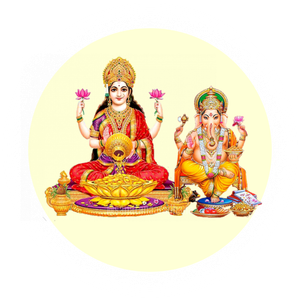
साल भर के इंतजार के बाद एक बार फिर दीपावली का हर्षोल्लास से भरा पर्व धूमधाम से मनाया जा रहा है। हर साल कार्तिक मास की अमावस्या तिथि को दीपावली का पर्व मनाया जाता है, जो विशेष रूप से माता लक्ष्मी जी और श्री गणेश जी की पूजा के लिए महत्वपूर्ण माना जाता है। इस दिन की पूजा और माता लक्ष्मी जी की आराधना करने से भक्तों को विशेष फल की प्राप्ति होती है। लेकिन क्या आप जानते हैं कि दीपावली क्यों मनाई जाती है? यदि नहीं, तो आपको बता दें कि दीपावली से जुड़ी कई कथाएं शास्त्रों में वर्णित हैं। आइए जानें-
दीपावली से पहले छोटी दीपावली क्यों मनाई जाती है?
भगवान विष्णु ने अपने 8वें अवतार, श्रीकृष्ण के रूप में, राक्षस नरकासुर का संहार किया था। नरकासुर नामक राक्षस ने जब तीनों लोकों में अपने आतंक से हाहाकार मचा दिया, तब अपनी शक्ति के कारण वह अहंकारी हो गया और अपनी प्रजा के साथ-साथ देवताओं के लिए भी खतरा बन गया। उसने आतंक का शासन चलाया और अमरत्व पाने के लिए देवताओं की 16 हजार कन्याओं की बलि देने के लिए उनका अपहरण किया था। तब सभी देवी-देवता और ऋषि-मुनि उसके अत्याचार से अत्यंत परेशान हो गए थे। उस समय भगवान श्रीकृष्ण ने नरकासुर का वध कर सभी को उसके अत्याचार से मुक्त किया। इस विजय के उपलक्ष्य में दो दिन तक उत्सव मनाया गया, जिसे नरक चतुर्दशी (छोटी दीपावली) और दीपावली के रूप में जाना जाता है।
क्यों मनाते हैं दीपावली का त्यौहार?
धार्मिक ग्रंथों के अनुसार, कार्तिक मास की अमावस्या तिथि को भगवान श्रीराम 14 वर्षों के वनवास की अवधि पूर्ण कर अपनी जन्मभूमि अयोध्या लौटे थे। इस खुशी में अयोध्यावासियों ने दीप जलाकर भव्य दीपोत्सव का आयोजन किया और भगवान श्रीराम का स्वागत किया। तभी से हर साल कार्तिक अमावस्या के दिन उसी उत्साह और उल्लास के साथ दीपावली का पर्व मनाया जाता है। इस अवसर पर घरों के साथ-साथ आस-पास की जगहों को भी दीपों और रोशनी से सजाया जाता है।
दीपावली पर माता लक्ष्मी जी की पूजा क्यों की जाती है?
जब देवता और असुर समुद्र मंथन कर रहे थे, तब उस मंथन से 14 रत्नों की उत्पत्ति हुई थी, जिनमें माता लक्ष्मी जी भी शामिल थीं। मान्यता है कि माता लक्ष्मी जी का जन्म कार्तिक मास की अमावस्या तिथि को हुआ था, इसलिए इस दिन दीपावली के अवसर पर श्री गणेश जी और माता लक्ष्मी जी की विशेष पूजा की जाती है। धार्मिक मान्यताओं के अनुसार, इस दिन मां माता लक्ष्मी जी की पूजा करने से सुख-समृद्धि, धन, यश और वैभव की प्राप्ति होती है, और भक्तों की सभी मनोकामनाएं पूर्ण हो जाती हैं।
महाभारत काल में दीपावली क्यों मनाई गई थी?
महाभारत काल में कौरवों ने, शकुनी मामा की सहायता से शतरंज के खेल में पांडवों को छलपूर्वक पराजित कर उनका सारा राज्य छीन लिया और उन्हें 13 वर्षों के लिए वनवास पर भेज दिया। कार्तिक मास की अमावस्या तिथि को पांडव 13 वर्षों का वनवास पूरा करके अपने घर लौटे थे। जब पांडव वापस लौटे, तो उनके आगमन की खुशी में नगरवासियों ने दीप जलाकर उनका स्वागत किया।
माता लक्ष्मी जी और श्री गणेश जी की पौराणिक कथा
मंगल के दाता श्री गणेश जी, धन की देवी माता लक्ष्मी जी के दत्तक पुत्र माने जाते हैं। एक बार माता लक्ष्मी जी को अपने धन और वैभव पर अभिमान हो गया था। तब भगवान विष्णु ने कहा कि यद्यपि संसार आपकी पूजा करता है और आपको पाने के लिए व्याकुल रहता है, फिर भी आप पूर्ण नहीं हैं। यह सुनकर माता लक्ष्मी जी ने पूछा, ‘मैं किस कारण से अपूर्ण हूं?’ भगवान विष्णु ने उत्तर दिया, ‘जब तक कोई स्त्री मां नहीं बनती, वह पूर्णता को प्राप्त नहीं कर सकती। चूंकि आपके कोई संतान नहीं है, इसलिए आप अपूर्ण हैं।’ यह सुनकर माता लक्ष्मी जी को बहुत दुख हुआ।
माता लक्ष्मी जी को दुखी देखकर, माता पार्वती ने अपने पुत्र श्री गणेश जी को माता लक्ष्मी जी की गोद में बिठा दिया। तब से श्री गणेश जी को माता लक्ष्मी जी का दत्तक पुत्र माना जाने लगा। श्रीश्री गणेश जी को दत्तक पुत्र के रूप में पाकर माता लक्ष्मी जी अत्यंत प्रसन्न हुईं और उन्होंने श्री गणेश जीजी को वरदान दिया कि जो भी मेरी पूजा के साथ तुम्हारी पूजा नहीं करेगा, माता लक्ष्मी जी उसके पास नहीं टिकेगी। इसी कारण दीपावली के पूजन में माता लक्ष्मी जी के साथ श्री गणेश जी की पूजा अनिवार्य मानी जाती है।
दीपावली पूजा मुहूर्त
दीपावली के दिन प्रदोषकाल में माता लक्ष्मी जी की पूजा होती है। मान्यता है कि इस समय माता लक्ष्मी जी की पूजा करने से मनुष्य को कभी दरिद्रता का सामना नहीं करना पड़ता।
पूजा में आवश्यक साम्रगी
महामाता लक्ष्मी जी पूजा के लिए आपको रोली, चावल, पान-सुपारी, लौंग, इलायची, धूप, कपूर, घी या तेल से भरे दीपक, कलावा, नारियल, गंगाजल, गुड़, फल, फूल, मिठाई, दूर्वा, चंदन, पंचामृत, मेवे, खील, बताशे, चौकी, कलश, फूलों की माला, शंख, माता लक्ष्मी जी और श्री गणेश जी की मूर्ति, पूजा की थाली, चांदी का सिक्का, 11 दिए जैसी वस्तुएं एकत्रित करनी चाहिए। माताजी को पुष्पों में कमल और गुलाब प्रिय हैं, और फलों में श्रीफल, सीताफल, बेर, अनार और सिंघाड़े पसंद हैं। सुगंध के लिए केवड़ा, गुलाब और चंदन का इत्र पूजा में अवश्य इस्तेमाल करें। इसके अलावा, अन्य पूजन सामग्रियों में गन्ना, कमल गट्टा, खड़ी हल्दी, बिल्वपत्र, पंचामृत, गंगाजल, ऊन का आसन, रत्न आभूषण, गाय का गोबर, सिंदूर और भोजपत्र का उपयोग करना चाहिए।
दीपावली पूजा विधि
कार्तिक अमावस्या के दिन प्रातः स्नान करके सभी देवताओं की पूजा करें। शाम को माता लक्ष्मी जी और श्री गणेश जी की मूर्तियों को चौकी पर स्वस्तिक बनाकर स्थापित करें। मूर्तियों के सामने जल से भरा हुआ कलश रखें और शुद्धि मंत्र का उच्चारण करके जल छिड़कें।
माता लक्ष्मी जी और श्री गणेश जी की पूजा के लिए गुड़, फल, फूल, मिठाई, चंदन, पंचामृत, मेवे, खील, बताशे आदि का उपयोग करें। साथ ही देवी सरस्वती, भगवान विष्णु, काली मां और कुबेर देव की भी पूजा करें।
पूजा की तैयारी
चौकी पर माता लक्ष्मी जी और श्री गणेश जी की मूर्तियां इस प्रकार रखें कि उनका मुख पूर्व या पश्चिम की ओर हो। माता लक्ष्मी जी को श्री गणेश जी की दाहिनी ओर रहें। पूजन करने वाला मूर्तियों के सामने बैठे। कलश को माता लक्ष्मी जी के पास चावलों पर रखें। नारियल को लाल वस्त्र में इस तरह लपेटें कि उसका अग्रभाग दिखाई दे और उसे कलश पर रखें। यह कलश वरुण देवता का प्रतीक है।
दो बड़े दीपक रखें—एक में घी और दूसरे में तेल भरें। एक दीपक चौकी के दाईं ओर रखें और दूसरा मूर्तियों के चरणों में। इसके अलावा एक दीपक श्री गणेश जी के पास भी रखें।
मूर्तियों वाली चौकी के सामने एक छोटी चौकी रखकर उस पर लाल वस्त्र बिछाएं। कलश के पास चावल से नौ ढेरियां बनाएं, जो नवग्रह की प्रतीक हैं। श्री गणेश जी की ओर चावल से सोलह ढेरियां बनाएं, जो सोलह मातृका की प्रतीक हैं। नवग्रह और सोलह मातृका के बीच स्वस्तिक का चिह्न बनाएं।
स्वस्तिक के बीच में एक सुपारी रखें और चारों कोनों पर चावल की ढेरियां बनाएं। सबसे ऊपर, बीच में ‘ॐ’ का चिन्ह अंकित करें। छोटी चौकी के सामने तीन थालियां और जल भरा कलश रखें। थालियों की व्यवस्था इस प्रकार करें: 1. ग्यारह दीपक, 2. खील, बताशे, मिठाई, वस्त्र, आभूषण, चन्दन का लेप, सिन्दूर, कुंकुम, सुपारी, पान, 3. फूल, दुर्वा, चावल, लौंग, इलायची, केसर-कपूर, हल्दी-चूने का लेप, सुगंधित पदार्थ, धूप, अगरबत्ती, और एक दीपक।
इन थालियों के सामने यजमान बैठे। आपके परिवार के सदस्य आपकी बाईं ओर बैठें। यदि कोई आगंतुक हो, तो वह आपके या आपके परिवार के पीछे बैठे।
पूजा की संक्षिप्त विधि
“ब्रह्मपुराण” के अनुसार, आधी रात तक रहने वाली अमावस्या तिथि ही महामाता लक्ष्मी जी पूजन के लिए श्रेष्ठ मानी जाती है। यदि अमावस्या आधी रात तक नहीं होती, तो प्रदोष व्यापिनी तिथि का चयन करना चाहिए। माता लक्ष्मी जी पूजा और दीपदान के लिए प्रदोषकाल विशेष रूप से शुभ माना गया है।
दीपावली पूजन के लिए पूजा स्थल एक दिन पहले से सजाना चाहिए, और पूजन सामग्री पहले से ही एकत्र कर लेनी चाहिए। यदि पूजा में माता लक्ष्मी जी की पसंद का ध्यान रखा जाए तो शुभता की वृद्धि होती है। माता लक्ष्मी जी के प्रिय रंग लाल और गुलाबी हैं। उनके प्रिय फूल कमल और गुलाब हैं। पूजा में फलों का भी विशेष महत्व होता है—श्रीफल, सीताफल, बेर, अनार, और सिंघाड़े माता को प्रिय हैं, इनमें से कोई भी फल पूजा में अर्पित कर सकते हैं। अनाज के रूप में चावल रखें। मिठाई में शुद्ध केसर से बनी मिठाई या हलवा, शीरा, और नैवेद्य पसंद किए जाते हैं। माता लक्ष्मी जी के स्थान को सुगंधित करने के लिए केवड़ा, गुलाब, और चंदन के इत्र का उपयोग करें।
दीयों के लिए आप गाय के घी, मूंगफली, या तिल के तेल का प्रयोग कर सकते हैं, जो माता लक्ष्मी जी को शीघ्र प्रसन्न करते हैं। अन्य महत्वपूर्ण पूजा सामग्री में गन्ना, कमल गट्टा, खड़ी हल्दी, बिल्वपत्र, पंचामृत, गंगाजल, ऊन का आसन, रत्न आभूषण, गाय का गोबर, सिंदूर, और भोजपत्र शामिल हैं।
चौकी सजाना
चौकी पर इन वस्तुओं को व्यवस्थित करें:
माता लक्ष्मी जी और श्री गणेश जी की मूर्तियां
मिट्टी के दो बड़े दीपक
कलश जिस पर नारियल रखें (वरुण का प्रतीक)
नवग्रह और षोडश मातृकाएं
प्रतीक रूप में बहीखाता, कलम, और दवात
नकदी की संदूक और थालियां
माता लक्ष्मी जी और श्री गणेश जी की मूर्तियों का मुख पूर्व या पश्चिम की ओर हो। माता लक्ष्मी जी श्री गणेश जी की दाहिनी ओर रखें। पूजा करने वाले मूर्तियों के सामने बैठे। कलश को माता लक्ष्मी जी के पास चावलों पर रखें। नारियल को लाल वस्त्र में इस प्रकार लपेटें कि अग्रभाग दिखाई दे और इसे कलश पर रखें, जो वरुण देव का प्रतीक है।
दो बड़े दीपक रखें—एक में घी और दूसरे में तेल भरें। एक दीपक चौकी के दाईं ओर और दूसरा मूर्तियों के चरणों में रखें। इसके अलावा एक दीपक श्री गणेश जी के पास भी रखें।
मूर्तियों वाली चौकी के सामने एक छोटी चौकी पर लाल वस्त्र बिछाकर नवग्रह की नौ ढेरियां और श्री गणेश जी की ओर सोलह मातृका की प्रतीक ढेरियां बनाएं। इनके बीच स्वस्तिक का चिह्न बनाएं। बीच में सुपारी रखें और चारों कोनों पर चावल की ढेरियां बनाएं। सबसे ऊपर ‘ॐ’ लिखें।
छोटी चौकी के सामने तीन थालियां और जल भरा कलश रखें। थालियों में यह सामग्री रखें:
ग्यारह दीपक
खील, बताशे, मिठाई, वस्त्र, आभूषण, चंदन, सिन्दूर, कुंकुम, सुपारी, पान
फूल, दुर्वा, चावल, लौंग, इलायची, केसर-कपूर, हल्दी-चूने का लेप, सुगंधित पदार्थ, धूप, अगरबत्ती, एक दीपक
पूजा करने वाला इन थालियों के सामने बैठे। परिवार के सदस्य बाईं ओर बैठें, और आगंतुक पीछे बैठें।
पूजन की संक्षिप्त विधि
आप हाथ में पूजा के जलपात्र से थोड़ा सा जल ले लें और अब उसे मूर्तियों के ऊपर छिड़कें। साथ में मंत्र पढ़ें। इस मंत्र और पानी को छिड़ककर आप अपने आपको, पूजा की सामग्री को और अपने आसन को भी पवित्र कर लें।
ॐ पवित्रः अपवित्रो वा सर्वावस्थांगतोऽपिवा।
यः स्मरेत् पुण्डरीकाक्षं, स वाह्यभ्यन्तर शुचिः॥
अब पृथ्वी पर जिस जगह आपने आसन बिछाया है, उस जगह को पवित्र कर लें और मां पृथ्वी को प्रणाम करके मंत्र बोलें-
ॐ पृथ्वी त्वया धृता लोका देवि त्वं विष्णुना धृता।
त्वं च धारय मां देवि पवित्रं कुरु चासनम्॥
अब पृथ्वी को प्रणाम करें और पूजा स्थल को पवित्र करें। इसके बाद आचमन करें:
ॐ केशवाय नमः
ॐ नारायणाय नमः
ॐ वासुदेवाय नमः
श्री गणेश जी का पूजन
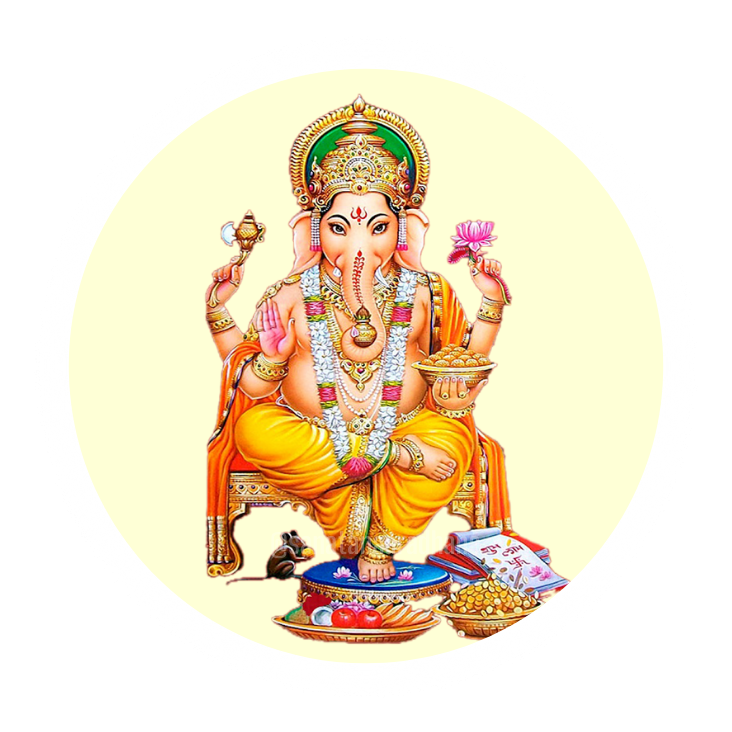
किसी भी पूजा की शुरुआत श्री गणेश जी से होती है। सबसे पहले हाथ में पुष्प लेकर श्री गणेश जी का ध्यान करें और यह मंत्र पढ़ें:
अब श्री गणेश जी को पंचामृत से स्नान कराएं, और उन्हें वस्त्र, चंदन, सिन्दूर, दूर्वा, और बेलपत्र अर्पित करें। इसके बाद मिष्ठान्न और नैवेद्य अर्पित करें और आचमन कराएं।
माता लक्ष्मी जी का पूजन
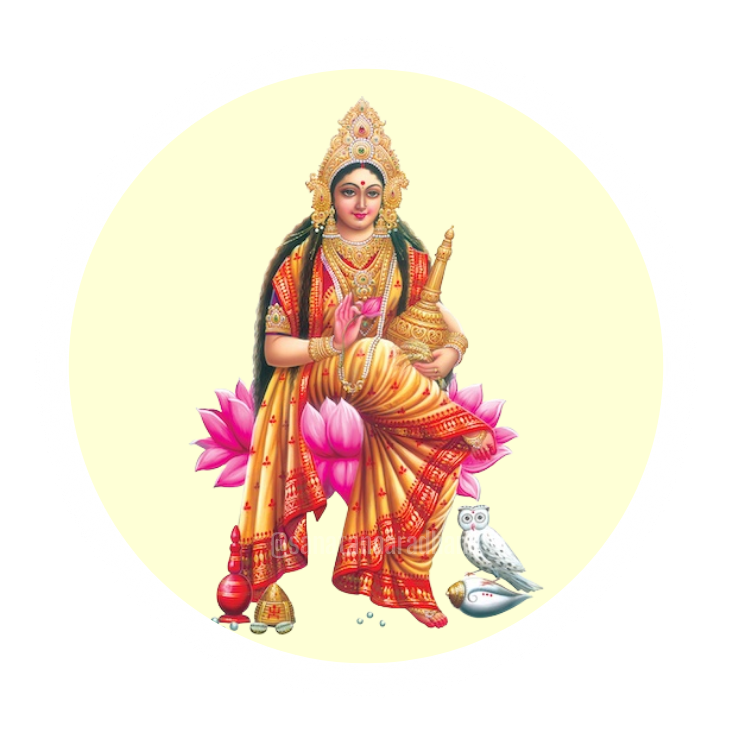
माता लक्ष्मी जी का ध्यान करते हुए इस मंत्र का उच्चारण करें:
नमस्तेऽस्तु महामाये श्रीपीठे सुरपूजिते।
शङ्खचक्रगदाहस्ते महालक्ष्मि नमोऽस्तुते॥
इसके बाद माता लक्ष्मी जी को स्नान कराएं और उन्हें लाल वस्त्र, आभूषण, और सुगंधित इत्र अर्पित करें। अंग पूजा, अष्टसिद्धि पूजा, और अष्टमाता लक्ष्मी जी पूजा करें। अंत में माँ माता लक्ष्मी जी को नैवेद्य अर्पित करें और आरती करें।
पूजन के बाद सभी दीपकों को घर में अलग-अलग स्थानों पर रखें और माँ माता लक्ष्मी जी से सुख-समृद्धि की प्रार्थना करें।
After a year-long wait, the joyous festival of Diwali is once again being celebrated with great fervor. Every year, the festival of Diwali is observed on the Amavasya Tithi of the Kartik month, which is considered especially significant for the worship of Maa Lakshmi and Shri Ganesha. Performing Puja and devotion to Maa Lakshmi on this day bestows special blessings upon devotees. But do you know why Diwali is celebrated? If not, let us tell you that many sacred stories regarding Diwali are narrated in our scriptures. Let us delve into these sacred narratives.
Why Do We Celebrate Choti Diwali (Naraka Chaturdashi)?
Bhagwan Vishnu, in His eighth incarnation as Shri Krishna, vanquished the demon Narakasura. When the demon Narakasura wreaked havoc with his terror across the three worlds, he became arrogant due to his immense power and posed a threat not only to his own subjects but also to the Devas. He established a reign of terror and abducted sixteen thousand divine maidens, intending to sacrifice them to attain immortality. All the Devas, Devi Maa, and sages were greatly distressed by his tyranny. At that time, Bhagwan Shri Krishna slayed Narakasura and freed everyone from his oppression. To commemorate this glorious victory, a two-day festival was celebrated, which came to be known as Naraka Chaturdashi (Choti Diwali) and Diwali.
Why Is the Festival of Diwali Celebrated?
According to religious scriptures, on the Amavasya Tithi of Kartik month, Bhagwan Shri Ram returned to His birthplace Ayodhya after completing 14 years of exile. In this joy, the people of Ayodhya lit lamps, celebrated a grand Deepotsav, and welcomed Bhagwan Shri Ram with devotion. Since then, every year on Kartik Amavasya, the festival of Diwali is celebrated with the same joy and enthusiasm. On this occasion, homes and surrounding places are decorated with lamps and lights.
Why Is Mata Lakshmi Worshipped on Diwali?
When the Devas and Asuras were performing the Samudra Manthan, 14 divine treasures emerged from the churning of the ocean, and Mata Lakshmi was one of them. It is believed that Mata Lakshmi appeared on the Amavasya Tithi of Kartik month. Therefore, on the occasion of Diwali, special worship of Shri Ganesh Ji and Mata Lakshmi is performed. According to religious beliefs, worshipping Mata Lakshmi on this day brings happiness, prosperity, wealth, honor, and divine abundance, and the wishes of devotees are fulfilled.
Why Was Diwali Celebrated During the Mahabharata Period?
During the Mahabharata period, with the help of Shakuni Mama, the Kauravas deceitfully defeated the Pandavas in a game of dice and took away their entire kingdom. The Pandavas were then sent into exile for 13 years. It is believed that on the Amavasya Tithi of Kartik month, the Pandavas returned home after completing their 13 years of exile. When they returned, the people of the city welcomed them by lighting lamps in joy.
The Mythological Katha of Mata Lakshmi and Shri Ganesh Ji
Shri Ganesh Ji, the giver of auspiciousness, is regarded as the adopted son of Mata Lakshmi, the Goddess of wealth. Once, Mata Lakshmi became proud of Her wealth and grandeur. Then Bhagwan Vishnu said, “Although the whole world worships you and longs to receive your grace, still you are not complete.” Hearing this, Mata Lakshmi asked, “For what reason am I incomplete?” Bhagwan Vishnu replied, “Until a woman becomes a mother, she does not attain completeness. Since you have no child, you are incomplete.” Hearing this, Mata Lakshmi became very sorrowful.
Seeing Mata Lakshmi in sorrow, Mata Parvati placed Her son Shri Ganesh Ji in Mata Lakshmi’s lap. Since then, Shri Ganesh Ji has been regarded as the adopted son of Mata Lakshmi. Receiving Shri Ganesh Ji as Her adopted son, Mata Lakshmi became extremely pleased and gave a blessing to Shri Ganesh Ji: “Whoever worships Me but does not worship you along with Me, I shall not stay with that person.” For this reason, in Diwali Puja, the worship of Shri Ganesh Ji along with Mata Lakshmi is considered essential.
Diwali Puja Muhurat
On the day of Diwali, Mata Lakshmi is worshipped during Pradosh Kaal. It is believed that worshipping Mata Lakshmi at this time protects a person from poverty and brings prosperity into life.
Essential Items for Diwali Puja
For the Puja of Mata Lakshmi, one should gather items such as roli, rice, betel leaf and betel nut, cloves, cardamom, incense, camphor, lamps filled with ghee or oil, kalava, coconut, Gangajal, jaggery, fruits, flowers, sweets, durva, sandalwood, Panchamrit, dry fruits, kheel, batashe, a wooden platform, kalash, flower garland, conch, idols or images of Mata Lakshmi and Shri Ganesh Ji, Puja thali, silver coin, and 11 diyas. Among flowers, lotus and rose are considered dear to Mata Lakshmi, and among fruits, coconut, custard apple, berries, pomegranate, and water chestnut are offered. For fragrance, kewra, rose, and sandalwood perfume may be used in the Puja. Other traditional Puja items may include sugarcane, lotus seeds, raw turmeric, bilva leaves, Panchamrit, Gangajal, woollen asan, ornaments, cow dung, sindoor, and bhojpatra.
Diwali Puja Vidhi
On Kartik Amavasya, take a bath in the morning and worship all deities with devotion. In the evening, draw a Swastik on a clean wooden platform and install the idols or images of Mata Lakshmi and Shri Ganesh Ji on it. Place a kalash filled with water in front of the deities and sprinkle water while chanting purification mantras.
For the worship of Mata Lakshmi and Shri Ganesh Ji, use jaggery, fruits, flowers, sweets, sandalwood, Panchamrit, dry fruits, kheel, batashe, and other sacred offerings. Along with them, Devi Saraswati, Bhagwan Vishnu, Maa Kali, and Kuber Dev may also be worshipped.
Preparation for Diwali Puja
Place the idols or images of Mata Lakshmi and Shri Ganesh Ji on the wooden platform in such a way that their faces are toward the east or west. Mata Lakshmi should be placed on the right side of Shri Ganesh Ji. The person performing the Puja should sit facing the deities. Place the kalash near Mata Lakshmi on a bed of rice. Wrap the coconut in a red cloth in such a way that its front portion remains visible, and place it on the kalash. This kalash is considered a symbol of Varun Dev.
Place two large lamps — fill one with ghee and the other with oil. Keep one lamp on the right side of the platform and the other near the feet of the deities. Also place one lamp near Shri Ganesh Ji.
In front of the main platform where the deities are placed, keep a smaller platform and spread a red cloth over it. Near the kalash, make nine small heaps of rice, symbolizing the Navagraha. Toward Shri Ganesh Ji’s side, make sixteen small heaps of rice, symbolizing the sixteen Matrikas. Draw a Swastik between the Navagraha and the sixteen Matrikas.
Place a betel nut in the center of the Swastik and make small heaps of rice at its four corners. At the top center, write the symbol “Om”. In front of the smaller platform, place three plates and a kalash filled with water. Arrange the plates in this way: 1. Eleven lamps, 2. Kheel, batashe, sweets, clothes, ornaments, sandalwood paste, sindoor, kumkum, betel nut, and betel leaf, 3. Flowers, durva, rice, cloves, cardamom, saffron-camphor, turmeric-lime paste, fragrant items, incense, agarbatti, and one lamp.
The yajman should sit in front of these plates. Family members should sit on the left side of the yajman. If there are any guests or visitors, they should sit behind the yajman or the family members.
Brief Puja Vidhi
According to the Brahma Purana, the Amavasya Tithi that remains until midnight is considered the most auspicious for the worship of Mata Lakshmi. If Amavasya does not remain until midnight, then the Pradosh Vyapini Tithi should be chosen. Pradosh Kaal is considered especially auspicious for Mata Lakshmi Puja and Deepdaan.
For Diwali Puja, the Puja place should be decorated one day in advance, and all Puja items should be collected beforehand. If the preferences of Mata Lakshmi are kept in mind during the Puja, it is believed to increase auspiciousness. The colors red and pink are considered dear to Mata Lakshmi. Her favorite flowers are lotus and rose. Fruits also hold special importance in the Puja — coconut, custard apple, berries, pomegranate, and water chestnut are considered dear to Her. Any of these fruits may be offered during the Puja. Rice should be kept as the grain offering. Among sweets, sweets made with pure saffron, Halwa, Sheera, and Naivedya are considered suitable. To make the place of Mata Lakshmi fragrant, perfumes of kewra, rose, and sandalwood may be used.
For lighting lamps, cow ghee, groundnut oil, or sesame oil may be used. These are traditionally considered auspicious in Mata Lakshmi Puja. Other important Puja items include sugarcane, lotus seeds, raw turmeric, Bilva leaves, Panchamrit, Gangajal, a woollen asan, ornaments, cow dung, sindoor, and Bhojpatra.
Decorating the Puja Chowki
Arrange the following items on the Puja Chowki:
Idols or images of Mata Lakshmi and Shri Ganesh Ji
Two large earthen lamps
A Kalash with a coconut placed on it, symbolizing Varun Dev
Navagraha and Shodash Matrikas
Account book, pen, and inkpot as symbolic items
Cash box and Puja plates
The faces of the idols or images of Mata Lakshmi and Shri Ganesh Ji should be toward the east or west. Mata Lakshmi should be placed on the right side of Shri Ganesh Ji. The person performing the Puja should sit in front of the deities. Place the Kalash near Mata Lakshmi on a bed of rice. Wrap the coconut in a red cloth in such a way that its front portion remains visible, and place it on the Kalash. This Kalash is considered a symbol of Varun Dev.
Place two large lamps — fill one with ghee and the other with oil. Keep one lamp on the right side of the Chowki and the other near the feet of the deities. Also place one lamp near Shri Ganesh Ji.
In front of the main Chowki where the deities are placed, keep a smaller Chowki and spread a red cloth over it. Make nine small heaps of rice representing the Navagraha, and toward the side of Shri Ganesh Ji, make sixteen heaps representing the Shodash Matrikas. Draw a Swastik between them. Place a betel nut in the center and make small heaps of rice at all four corners. Write “Om” at the top.
In front of the smaller Chowki, place three plates and a Kalash filled with water. Keep the following items in the plates:
Flowers, durva, rice, cloves, cardamom, saffron-camphor, turmeric-lime paste, fragrant items, incense, agarbatti, and one lamp
The person performing the Puja should sit in front of these plates. Family members should sit on the left side, and guests or visitors should sit behind.
Brief Method of Puja
Take a little water in your hand from the Puja water vessel and sprinkle it over the idols or images. While doing this, chant the mantra below. By sprinkling this sanctified water, purify yourself, the Puja materials, and your sitting place.
Om Pavitrah Apavitro Va Sarvavastham Gato’pi Va.
Yah Smaret Pundarikaksham, Sa Bahyabhyantarah Shuchih॥
Now purify the place on the ground where you have spread your asan. Bow to Mother Earth and chant the following mantra:
Om Prithvi Tvaya Dhrita Loka Devi Tvam Vishnuna Dhrita.
Tvam Cha Dharaya Mam Devi Pavitram Kuru Chasanam॥
Now bow to Mother Earth and purify the Puja place. After this, perform Achaman:
Om Keshavaya Namah
Om Narayanaya Namah
Om Vasudevaya Namah
Worship of Shri Ganesh Ji
Every Puja begins with the worship of Shri Ganesh Ji. First, take flowers in your hand, meditate upon Shri Ganesh Ji, and chant this mantra:
Now bathe Shri Ganesh Ji with Panchamrit and offer Him clothes, sandalwood, sindoor, durva, and Belpatra. After this, offer sweets and Naivedya, and perform Achaman.
Worship of Mata Lakshmi Ji
While meditating upon Mata Lakshmi Ji, chant the following mantra:
Namaste’stu Mahamaye Shri Peethe Surapujite.
Shankha Chakra Gada Haste Mahalakshmi Namo’stute॥
After this, bathe Mata Lakshmi Ji and offer Her red clothes, ornaments, and fragrant perfume. Perform Anga Puja, Ashta Siddhi Puja, and Ashta Lakshmi Puja. Finally, offer Naivedya to Mata Lakshmi Ji and perform Aarti.
After the Puja, place all the lamps in different areas of the house and pray to Mata Lakshmi Ji for happiness, prosperity, and abundance.