

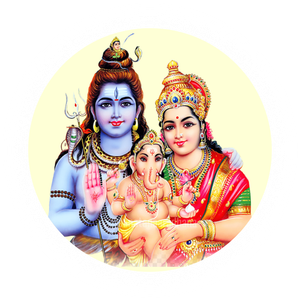
हरतालिका तीज हिंदू धर्म का एक अत्यंत पवित्र और महत्वपूर्ण व्रत है, जो मुख्य रूप से भगवान शिव और माता पार्वती को समर्पित है। यह व्रत भाद्रपद मास के शुक्ल पक्ष की तृतीया तिथि को रखा जाता है। धार्मिक मान्यता के अनुसार इसी दिन माता पार्वती ने कठोर तपस्या के बल पर भगवान शिव को पति रूप में प्राप्त किया था। इसलिए यह व्रत अखंड सौभाग्य, सुखी दाम्पत्य जीवन तथा मनचाहे जीवनसाथी की प्राप्ति के लिए विशेष फलदायी माना जाता है।
हरतालिका तीज का व्रत विवाहित महिलाएँ अपने पति की दीर्घायु, सुख-समृद्धि और अखंड सौभाग्य की कामना से रखती हैं, जबकि अविवाहित कन्याएँ भगवान शिव जैसे आदर्श जीवनसाथी की प्राप्ति के लिए श्रद्धापूर्वक यह व्रत करती हैं। कई स्थानों पर यह व्रत निर्जला रखा जाता है और अगले दिन विधिपूर्वक पारण किया जाता है।
हरतालिका तीज का अर्थ
‘हरतालिका’ शब्द दो शब्दों से मिलकर बना है – ‘हर’ और ‘आलिका’। यहाँ ‘हर’ का अर्थ है ‘हरण करना’ तथा ‘आलिका’ का अर्थ है ‘सखी’ या ‘सहेली’। पौराणिक कथा के अनुसार जब माता पार्वती के पिता हिमवान उनका विवाह भगवान विष्णु से करना चाहते थे, तब उनकी सखी उन्हें वहाँ से वन में ले गईं ताकि वे भगवान शिव की आराधना निर्बाध रूप से कर सकें। इसी कारण इस व्रत का नाम ‘हरतालिका तीज’ पड़ा।
हरतालिका तीज का धार्मिक महत्व
सनातन परंपरा में हरतालिका तीज को माता पार्वती की अटूट श्रद्धा, कठोर तपस्या और भगवान शिव के प्रति पूर्ण समर्पण का प्रतीक माना जाता है। यह व्रत हमें सिखाता है कि सच्ची भक्ति, धैर्य और दृढ़ संकल्प से ईश्वर की कृपा अवश्य प्राप्त होती है।
इस दिन भगवान शिव, माता पार्वती और भगवान गणेश की पूजा का विशेष महत्व बताया गया है। धार्मिक मान्यता है कि श्रद्धा और विधिपूर्वक हरतालिका तीज का व्रत करने से दाम्पत्य जीवन में प्रेम, विश्वास और सौहार्द बना रहता है तथा अविवाहित कन्याओं को योग्य जीवनसाथी की प्राप्ति का आशीर्वाद मिलता है।
हरतालिका तीज व्रत कथा
पौराणिक कथा के अनुसार पर्वतराज हिमवान और माता मैना की पुत्री पार्वती बचपन से ही भगवान शिव को अपना पति मान चुकी थीं। वे मन, वचन और कर्म से केवल भगवान शिव की आराधना करती थीं। समय के साथ उनका यह संकल्प और भी दृढ़ होता गया।
माता पार्वती ने भगवान शिव को प्रसन्न करने के लिए कठिन तपस्या आरंभ की। उन्होंने वर्षों तक पर्वतों, वनों और गुफाओं में रहकर भगवान शिव का ध्यान किया। प्रारंभ में उन्होंने फल और कंद-मूल का सेवन किया, फिर केवल सूखे पत्तों पर जीवन व्यतीत किया और अंततः अन्न एवं जल का भी त्याग कर दिया। उनकी तपस्या इतनी कठोर थी कि देवता और ऋषि-मुनि भी उनकी निष्ठा देखकर आश्चर्यचकित हो गए।
उधर पर्वतराज हिमवान अपनी पुत्री के विवाह को लेकर चिंतित थे। उसी समय देवर्षि नारद उनके पास पहुँचे और उन्होंने भगवान विष्णु की ओर से माता पार्वती के विवाह का प्रस्ताव रखा। भगवान विष्णु स्वयं माता पार्वती से विवाह करना चाहते हैं – यह सुनकर हिमवान अत्यंत प्रसन्न हुए और उन्होंने इस प्रस्ताव को स्वीकार कर लिया।
कुछ समय बाद जब माता पार्वती को इस निर्णय का पता चला, तो वे अत्यंत दुःखी हुईं। वे भगवान शिव के अतिरिक्त किसी अन्य को अपना पति नहीं मान सकती थीं। उन्होंने अपनी व्यथा अपनी प्रिय सखी को सुनाई और कहा कि यदि उनका विवाह किसी अन्य से हुआ, तो उनकी वर्षों की तपस्या व्यर्थ हो जाएगी।
माता पार्वती की पीड़ा देखकर उनकी सखी ने एक उपाय सुझाया। उन्होंने पार्वती जी को उनके पिता के महल से दूर एक घने वन में ले जाने का निर्णय लिया, ताकि वे बिना किसी बाधा के भगवान शिव की आराधना कर सकें। इसी घटना के कारण इस व्रत का नाम ‘हरतालिका’ पड़ा, क्योंकि सखी ने माता पार्वती का हरण करके उन्हें वन में पहुँचाया था।
वन में पहुँचकर माता पार्वती ने एक निर्जन गुफा में निवास किया और पहले से भी अधिक कठोर तपस्या आरंभ कर दी। भाद्रपद मास के शुक्ल पक्ष की तृतीया तिथि को उन्होंने नदी के तट से पवित्र रेत लाकर अपने हाथों से भगवान शिव का एक शिवलिंग बनाया। उन्होंने उसी रेत के शिवलिंग का जल, पुष्प, बिल्वपत्र और वन में उपलब्ध पवित्र सामग्री से विधिपूर्वक पूजन किया।
पूरे दिन उन्होंने निर्जला व्रत रखा और रात्रि भर भगवान शिव का ध्यान तथा ‘ॐ नमः शिवाय’ मंत्र का जप करती रहीं। उनकी तपस्या, श्रद्धा और अटूट विश्वास से तीनों लोक प्रभावित हो गए।
माता पार्वती की निष्कपट भक्ति और कठोर साधना से भगवान शिव अत्यंत प्रसन्न हुए। वे उनके सामने अपने दिव्य स्वरूप में प्रकट हुए और बोले, “हे देवी! तुम्हारी तपस्या, धैर्य और समर्पण से मैं अत्यंत प्रसन्न हूँ। तुमने अनेक कष्ट सहकर भी अपना संकल्प नहीं छोड़ा। आज से मैं तुम्हें अपनी अर्धांगिनी के रूप में स्वीकार करता हूँ।”
भगवान शिव के मुख से यह वरदान सुनकर माता पार्वती अत्यंत प्रसन्न हुईं। उन्होंने भगवान शिव को प्रणाम किया और उनके चरणों में अपनी कृतज्ञता व्यक्त की।
उधर जब पर्वतराज हिमवान अपनी पुत्री को खोजते हुए वन में पहुँचे, तब माता पार्वती ने उन्हें अपनी तपस्या और भगवान शिव से प्राप्त वरदान के बारे में बताया। उन्होंने अपने पिता से विनम्रतापूर्वक कहा कि वे भगवान शिव को ही अपना पति स्वीकार कर चुकी हैं।
पर्वतराज हिमवान ने अपनी पुत्री की इच्छा का सम्मान किया और भगवान शिव से उनका विवाह करने का निर्णय लिया। बाद में देवताओं, ऋषियों और शिवगणों की उपस्थिति में भगवान शिव और माता पार्वती का दिव्य विवाह सम्पन्न हुआ।
कथा से मिलने वाली शिक्षा
सच्ची श्रद्धा और दृढ़ संकल्प से भगवान की कृपा अवश्य प्राप्त होती है।
धैर्य और तपस्या जीवन में सफलता का आधार हैं।
ईश्वर भक्त के सच्चे भाव और समर्पण से प्रसन्न होते हैं।
सही निर्णय लेने के लिए साहस और आत्मविश्वास आवश्यक है।
भगवान शिव और माता पार्वती का जीवन आदर्श दाम्पत्य और परस्पर सम्मान का प्रतीक है।
भगवान शिव और माता पार्वती का दिव्य विवाह
माता पार्वती की कठोर तपस्या, अटूट श्रद्धा और दृढ़ संकल्प से प्रसन्न होकर भगवान शिव ने उन्हें अपनी अर्धांगिनी के रूप में स्वीकार किया। पर्वतराज हिमवान और माता मैना ने भी अपनी पुत्री की इच्छा का सम्मान करते हुए भगवान शिव के साथ उनका विवाह कराने का निर्णय लिया।
शुभ मुहूर्त में देवताओं, ऋषियों, गंधर्वों, सिद्धों और शिवगणों की उपस्थिति में भगवान शिव और माता पार्वती का दिव्य विवाह सम्पन्न हुआ। इस विवाह का वर्णन अनेक पुराणों में अत्यंत मंगलमय और अद्भुत रूप में मिलता है। भगवान शिव नंदी पर सवार होकर बारात लेकर आए। उनके साथ गण, योगी, भूत-प्रेत और देवताओं की अनोखी बारात थी। प्रारंभ में माता मैना भगवान शिव के विरक्त स्वरूप को देखकर चिंतित हुईं, किंतु भगवान शिव के दिव्य रूप का दर्शन होने पर उनका संदेह दूर हो गया और अत्यंत हर्ष के साथ विवाह सम्पन्न कराया गया।
यह विवाह केवल भगवान शिव और माता पार्वती का मिलन नहीं था, बल्कि शिव और शक्ति के शाश्वत एकत्व का प्रतीक माना जाता है। सनातन दर्शन में शिव चेतना के और शक्ति सृष्टि की ऊर्जा के प्रतीक हैं। दोनों का मिलन संसार में संतुलन, सृजन और कल्याण का आधार माना गया है।
भगवान शिव का वरदान
विवाह के उपरांत भगवान शिव ने माता पार्वती से कहा कि उनकी तपस्या युगों-युगों तक श्रद्धा और निष्ठा का आदर्श बनी रहेगी। उन्होंने वरदान दिया कि जो भी स्त्री या कन्या भाद्रपद शुक्ल तृतीया के दिन श्रद्धा, संयम और विधिपूर्वक हरतालिका तीज का व्रत करेगी, उसे उनकी तथा माता पार्वती की कृपा प्राप्त होगी।
भगवान शिव ने यह भी कहा कि यह व्रत केवल भौतिक सुखों के लिए नहीं, बल्कि आत्मिक उन्नति, दाम्पत्य जीवन में विश्वास, परिवार में प्रेम और जीवन में धर्म का पालन करने की प्रेरणा देने वाला व्रत है।
हरतालिका तीज का आध्यात्मिक महत्व
हरतालिका तीज का सबसे बड़ा संदेश आत्मसंयम, धैर्य और ईश्वर के प्रति पूर्ण समर्पण है। माता पार्वती ने अपने जीवन में अनेक कठिनाइयों का सामना किया, लेकिन उन्होंने अपने लक्ष्य से कभी समझौता नहीं किया। उनकी तपस्या हमें यह सिखाती है कि यदि उद्देश्य पवित्र हो और विश्वास दृढ़ हो, तो ईश्वर की कृपा अवश्य प्राप्त होती है।
यह व्रत केवल महिलाओं के लिए ही नहीं, बल्कि प्रत्येक व्यक्ति के लिए प्रेरणादायक है। भगवान शिव और माता पार्वती का जीवन परस्पर सम्मान, समानता, विश्वास और सहयोग का आदर्श प्रस्तुत करता है। यही कारण है कि यह पर्व केवल सौभाग्य का नहीं, बल्कि आदर्श पारिवारिक जीवन का भी प्रतीक माना जाता है।
महिलाओं के लिए हरतालिका तीज का महत्व
विवाहित महिलाएँ इस दिन अपने पति की दीर्घायु, उत्तम स्वास्थ्य और परिवार की सुख-समृद्धि की मंगलकामना से व्रत रखती हैं। अविवाहित कन्याएँ भगवान शिव जैसे आदर्श, धर्मनिष्ठ और गुणवान जीवनसाथी की प्राप्ति की प्रार्थना करती हैं।
धार्मिक मान्यता के अनुसार इस व्रत का मुख्य आधार श्रद्धा, संयम और भक्ति है। इसलिए व्रत का वास्तविक फल केवल उपवास से नहीं, बल्कि भगवान शिव और माता पार्वती के आदर्शों को अपने जीवन में अपनाने से प्राप्त होता है।
हरतालिका तीज की पारंपरिक मान्यताएँ
देश के विभिन्न भागों में हरतालिका तीज अलग-अलग रीति-रिवाजों के साथ मनाई जाती है। कई स्थानों पर महिलाएँ मिट्टी या रेत से भगवान शिव, माता पार्वती और भगवान गणेश की प्रतिमाएँ बनाकर उनका पूजन करती हैं। रात्रि में भजन, कीर्तन और जागरण का आयोजन भी किया जाता है।
कुछ परिवारों में महिलाएँ निर्जला व्रत रखती हैं, जबकि कुछ स्थानों पर फलाहार की परंपरा भी प्रचलित है। व्रत का स्वरूप परिवार की परंपरा और स्वास्थ्य के अनुसार अलग हो सकता है, लेकिन श्रद्धा और भक्ति को सबसे अधिक महत्व दिया जाता है।
हरतालिका तीज और प्रकृति
भाद्रपद मास वर्षा ऋतु का समय होता है। इस अवधि में प्रकृति अपनी पूर्ण सुंदरता में दिखाई देती है। भारतीय संस्कृति में पर्वों का प्रकृति से गहरा संबंध रहा है। हरतालिका तीज हमें यह भी सिखाती है कि मनुष्य को प्रकृति के प्रति कृतज्ञ रहना चाहिए और पर्यावरण संरक्षण का संकल्प लेना चाहिए।
कथा से मिलने वाली प्रेरणा
सच्ची भक्ति और दृढ़ निश्चय से कठिन लक्ष्य भी प्राप्त किए जा सकते हैं।
धैर्य और आत्मविश्वास जीवन की सबसे बड़ी शक्तियाँ हैं।
भगवान शिव भक्त के निर्मल भाव और समर्पण से प्रसन्न होते हैं।
आदर्श दाम्पत्य जीवन प्रेम, सम्मान, विश्वास और सहयोग पर आधारित होता है।
परिवार के निर्णयों में संवाद, सम्मान और समझ का विशेष महत्व है।
ईश्वर के प्रति श्रद्धा के साथ-साथ सदाचार और धर्म का पालन भी आवश्यक है।
हरतालिका तीज का संदेश
हरतालिका तीज हमें यह संदेश देती है कि जीवन में परिस्थितियाँ चाहे कितनी भी कठिन क्यों न हों, यदि मन में सच्ची श्रद्धा, धैर्य और ईश्वर के प्रति विश्वास हो, तो सफलता अवश्य प्राप्त होती है। माता पार्वती की तपस्या केवल एक पौराणिक कथा नहीं, बल्कि आत्मबल, निष्ठा और संकल्प का अद्भुत उदाहरण है। भगवान शिव और माता पार्वती का पावन दाम्पत्य आज भी भारतीय संस्कृति में प्रेम, समानता, सम्मान और आध्यात्मिक जीवन का सर्वोच्च आदर्श माना जाता है।
हरतालिका तीज व्रत विधि
हरतालिका तीज का व्रत श्रद्धा, संयम और पूर्ण भक्ति के साथ किया जाता है। इस दिन प्रातःकाल ब्रह्म मुहूर्त में उठकर स्नान करें और स्वच्छ वस्त्र धारण करें। विवाहित महिलाएँ परंपरा के अनुसार सोलह श्रृंगार करती हैं तथा अविवाहित कन्याएँ भी स्वच्छ और सात्त्विक भाव से पूजा की तैयारी करती हैं। इसके बाद भगवान शिव, माता पार्वती और भगवान गणेश की प्रतिमा अथवा मिट्टी से निर्मित स्वरूप स्थापित करके पूजा का संकल्प लें।
धार्मिक परंपरा के अनुसार कई स्थानों पर महिलाएँ स्वयं मिट्टी या रेत से भगवान शिव, माता पार्वती और भगवान गणेश की प्रतिमा बनाकर पूजा करती हैं। पूजा के समय जल, गंगाजल, चंदन, अक्षत, बिल्वपत्र, धतूरा, पुष्प, धूप, दीप, नैवेद्य तथा फल अर्पित किए जाते हैं। माता पार्वती को सुहाग की सामग्री जैसे चुनरी, चूड़ियाँ, बिंदी, सिंदूर, मेहंदी और श्रृंगार सामग्री अर्पित करना शुभ माना जाता है।
पूजा के पश्चात हरतालिका तीज व्रत कथा का श्रवण करें, भगवान शिव और माता पार्वती की आरती करें तथा परिवार के सुख, शांति और मंगल की प्रार्थना करें। कई स्थानों पर रात्रि जागरण, भजन और शिव-पार्वती की स्तुति करने की भी परंपरा है।
हरतालिका तीज पूजा सामग्री
भगवान शिव, माता पार्वती और भगवान गणेश की प्रतिमा या चित्र
यदि संभव हो तो पूजा के लिए मिट्टी या रेत से निर्मित शिव-पार्वती स्वरूप
गंगाजल अथवा शुद्ध जल
पंचामृत
बिल्वपत्र
चंदन
अक्षत (चावल)
धूप, दीप और कपूर
ताजे पुष्प एवं पुष्पमाला
धतूरा (यदि उपलब्ध हो)
मौसमी फल एवं नैवेद्य
नारियल
रोली और मौली
सुपारी, पान और लौंग
मेहंदी, चूड़ियाँ, चुनरी, बिंदी, सिंदूर एवं अन्य श्रृंगार सामग्री
हरतालिका तीज पर कौन-से मंत्र का जप करें?
पूजा के समय भगवान शिव के पंचाक्षरी मंत्र ॐ नमः शिवाय का जप अत्यंत शुभ माना जाता है। श्रद्धालु अपनी परंपरा के अनुसार महामृत्युंजय मंत्र, शिव चालीसा या माता पार्वती की स्तुति का पाठ भी कर सकते हैं। मंत्र जप के साथ मन में श्रद्धा और एकाग्रता बनाए रखना सबसे महत्वपूर्ण माना गया है।
हरतालिका तीज व्रत के नियम
प्रातः स्नान करके स्वच्छ और सात्त्विक वस्त्र धारण करें।
भगवान शिव और माता पार्वती की श्रद्धापूर्वक पूजा करें।
यथाशक्ति उपवास रखें। यदि स्वास्थ्य अनुमति न दे तो चिकित्सकीय सलाह के अनुसार फलाहार कर सकते हैं।
क्रोध, असत्य, निंदा और कटु वचन से बचें।
हरतालिका तीज व्रत कथा का श्रवण अवश्य करें।
पूरे दिन मन, वचन और कर्म की पवित्रता बनाए रखने का प्रयास करें।
जरूरतमंद व्यक्ति की सहायता और यथाशक्ति दान करें।
भगवान शिव और माता पार्वती के आदर्शों को जीवन में अपनाने का संकल्प लें।
हरतालिका तीज व्रत का पारण
अगले दिन प्रातः स्नान करके पुनः भगवान शिव, माता पार्वती और भगवान गणेश की पूजा करें। उन्हें नैवेद्य अर्पित करें, आरती करें और परिवार के सुख-समृद्धि की प्रार्थना करें। इसके बाद प्रसाद ग्रहण करके सात्त्विक भोजन से व्रत का पारण करें। कई परिवारों में पारण के समय ब्राह्मण अथवा जरूरतमंद व्यक्ति को दान-दक्षिणा देने की भी परंपरा है।
हरतालिका तीज व्रत का फल
धार्मिक मान्यता के अनुसार श्रद्धा और विधिपूर्वक हरतालिका तीज का व्रत करने से भगवान शिव और माता पार्वती की कृपा प्राप्त होती है। यह व्रत दाम्पत्य जीवन में प्रेम, विश्वास और पारस्परिक सम्मान को मजबूत करने की प्रेरणा देता है तथा मन में धैर्य, संयम और सकारात्मकता का विकास करता है।
भगवान शिव और माता पार्वती का आशीर्वाद प्राप्त होता है।
दाम्पत्य जीवन में प्रेम, विश्वास और सौहार्द बना रहता है।
अखंड सौभाग्य की मंगलकामना की जाती है।
अविवाहित कन्याएँ योग्य जीवनसाथी की प्राप्ति की प्रार्थना करती हैं।
आत्मिक शांति, धैर्य और भक्ति में वृद्धि होती है।
निष्कर्ष
हरतालिका तीज माता पार्वती की अटूट श्रद्धा, कठोर तपस्या और भगवान शिव के प्रति पूर्ण समर्पण का पावन पर्व है। यह व्रत हमें सिखाता है कि सच्ची निष्ठा, धैर्य और विश्वास से जीवन के कठिन लक्ष्य भी प्राप्त किए जा सकते हैं। भगवान शिव और माता पार्वती का आदर्श दाम्पत्य आज भी प्रेम, सम्मान, समानता और आध्यात्मिक जीवन का सर्वोत्तम उदाहरण माना जाता है। इसलिए हरतालिका तीज केवल एक व्रत नहीं, बल्कि भारतीय संस्कृति, पारिवारिक मूल्यों और ईश्वर के प्रति समर्पण का उत्सव है।
हरतालिका तीज का व्रत किसके लिए रखा जाता है?
हरतालिका तीज का व्रत भगवान शिव और माता पार्वती की पूजा के लिए रखा जाता है। विवाहित महिलाएँ अखंड सौभाग्य और पति की मंगलकामना के लिए तथा अविवाहित कन्याएँ योग्य जीवनसाथी की प्राप्ति की कामना से यह व्रत करती हैं।
हरतालिका तीज कब मनाई जाती है?
हरतालिका तीज भाद्रपद मास के शुक्ल पक्ष की तृतीया तिथि को मनाई जाती है।
हरतालिका तीज का नाम कैसे पड़ा?
'हरतालिका' शब्द 'हर' (हरण) और 'आलिका' (सखी) से मिलकर बना है। माता पार्वती की सखी उन्हें वन में ले गई थीं ताकि वे भगवान शिव की तपस्या कर सकें।
हरतालिका तीज पर किन देवी-देवताओं की पूजा की जाती है?
इस दिन भगवान शिव, माता पार्वती और भगवान गणेश की पूजा की जाती है।
क्या हरतालिका तीज का व्रत अविवाहित कन्याएँ भी रख सकती हैं?
हाँ, अविवाहित कन्याएँ भगवान शिव जैसे आदर्श जीवनसाथी की कामना से यह व्रत रख सकती हैं।
हरतालिका तीज पर कौन-सा मंत्र जपना चाहिए?
'ॐ नमः शिवाय' मंत्र का जप विशेष शुभ माना जाता है। श्रद्धालु महामृत्युंजय मंत्र का जप भी कर सकते हैं।
हरतालिका तीज व्रत में क्या नियम रखने चाहिए?
श्रद्धा के साथ पूजा करें, व्रत कथा सुनें, सात्त्विक जीवनचर्या अपनाएँ तथा क्रोध और असत्य से दूर रहें।
हरतालिका तीज व्रत का पारण कैसे किया जाता है?
अगले दिन भगवान शिव और माता पार्वती की पूजा के बाद प्रसाद ग्रहण करके सात्त्विक भोजन से व्रत का पारण किया जाता है।
हरतालिका तीज पर रेत का शिवलिंग क्यों बनाया जाता है?
पौराणिक कथा के अनुसार माता पार्वती ने वन में रेत से शिवलिंग बनाकर भगवान शिव की आराधना की थी। इसी स्मृति में यह परंपरा प्रचलित है।
हरतालिका तीज व्रत का क्या फल मिलता है?
धार्मिक मान्यता के अनुसार यह व्रत भगवान शिव और माता पार्वती की कृपा, सुखी दाम्पत्य जीवन, अखंड सौभाग्य तथा आध्यात्मिक उन्नति का आशीर्वाद प्रदान करने वाला माना जाता है।
Haritalika Teej is a highly sacred and important fast in Hinduism, primarily dedicated to Lord Shiva and Goddess Parvati. This vrat is observed on the Tritiya Tithi (third day) of the Shukla Paksha in the month of Bhadrapada. According to tradition, it was on this very day that Goddess Parvati attained Lord Shiva as her husband through intense penance. Therefore, this vrat is considered highly auspicious for attaining marital bliss, a happy married life, and an ideal life partner.
The Haritalika Teej vrat is observed by married women for the long life, prosperity, and well-being of their husbands, while unmarried girls observe it with devotion to attain an ideal life partner like Lord Shiva. In many places, this vrat is observed without water (nirjala), and is concluded the next day with proper Parana (breaking of the fast).
Meaning of Haritalika Teej
The word “Haritalika” is formed from two words — “Hara” and “Aalika”. Here, “Hara” means “to abduct or take away”, and “Aalika” means “friend or companion”. According to the Puranic story, when Goddess Parvati’s father Himalaya intended to marry her to Lord Vishnu, her friends took her away to a forest so that she could continue her worship of Lord Shiva without any obstruction. Because of this incident, the festival came to be known as “Haritalika Teej”.
Religious Significance of Haritalika Teej
In Sanatan tradition, Haritalika Teej is considered a symbol of Goddess Parvati’s unwavering devotion, intense penance, and complete surrender to Lord Shiva. This vrat teaches us that with true devotion, patience, and determination, divine blessings are always attained.
On this day, worship of Lord Shiva, Goddess Parvati, and Lord Ganesha is considered highly auspicious. It is believed that observing this vrat with faith and proper विधि brings love, trust, and harmony in married life, and blesses unmarried girls with a suitable life partner.
Haritalika Teej Vrat Katha
According to the legend, Goddess Parvati, daughter of King Himalaya and Queen Maina, had already accepted Lord Shiva as her husband since childhood. With mind, speech, and actions, she remained devoted only to Lord Shiva. Over time, her resolve became even stronger.
To please Lord Shiva, Goddess Parvati began severe penance. She meditated in mountains, forests, and caves for many years. Initially, she survived on fruits and roots, then only on dry leaves, and eventually even gave up food and water. Her penance was so intense that even the gods and sages were astonished by her devotion.
Meanwhile, King Himalaya was concerned about his daughter’s marriage. At that time, Devarshi Narada arrived and proposed Lord Vishnu’s marriage proposal for Goddess Parvati. Hearing this, King Himalaya became pleased and accepted the proposal.
When Goddess Parvati learned about this decision, she became deeply sorrowful, as she could accept no one other than Lord Shiva as her husband. She shared her pain with her dear friend and expressed that if she were married to anyone else, her years of penance would become meaningless.
Seeing her distress, her friend suggested a plan. She decided to take Goddess Parvati away from the palace to a dense forest so that she could freely continue her worship of Lord Shiva. Because of this act of being taken away by her friend, the vrat came to be known as “Haritalika”.
In the forest, Goddess Parvati lived in a secluded cave and intensified her penance further. On the Tritiya Tithi of the Shukla Paksha in Bhadrapada month, she brought sacred sand from the river and created a Shivling with her own hands. She worshipped it with water, flowers, bilva leaves, and whatever pure materials were available in the forest.
She observed a nirjala fast throughout the day and spent the entire night chanting “Om Namah Shivaya” and meditating on Lord Shiva. Her devotion and determination moved all the three worlds.
Pleased with her pure devotion and unwavering penance, Lord Shiva appeared before her in His divine form and said, “O Goddess! I am extremely pleased with your devotion, patience, and dedication. You have remained steadfast despite all difficulties. From today, I accept you as My consort.”
Hearing these divine words, Goddess Parvati became filled with joy. She bowed to Lord Shiva and expressed her gratitude at His feet.
Meanwhile, when King Himalaya reached the forest searching for his daughter, Goddess Parvati explained everything about her penance and Lord Shiva’s divine blessing. She respectfully told her father that she had chosen Lord Shiva as her eternal husband.
King Himavan respected his daughter’s wish and decided to arrange her marriage with Lord Shiva. Later, in the presence of the gods, sages, and Shiva’s attendants, the divine wedding of Lord Shiva and Goddess Parvati was solemnized.
Teachings from the Story
Sincere devotion and firm determination always attract divine blessings.
Patience and penance form the foundation of success in life.
God is pleased by pure devotion and heartfelt surrender.
Courage and self-confidence are essential for making the right decisions.
The life of Lord Shiva and Goddess Parvati represents the ideal of a perfect marital relationship based on respect and harmony.
The Divine Marriage of Lord Shiva and Goddess Parvati
Pleased with Goddess Parvati’s intense penance, unwavering devotion, and strong determination, Lord Shiva accepted her as His divine consort. King Himavan and Queen Maina also honored their daughter’s wish and agreed to her marriage with Lord Shiva.
At an auspicious moment, in the presence of gods, sages, Gandharvas, Siddhas, and Shiva’s attendants, the divine marriage of Lord Shiva and Goddess Parvati was celebrated. According to the Puranas, this sacred wedding is described as grand, divine, and extraordinary. Lord Shiva arrived riding Nandi, accompanied by his attendants, sages, spirits, and celestial beings, forming a unique and mystical procession. At first, Queen Maina felt anxious seeing Shiva’s ascetic appearance, but upon witnessing His divine form, all her doubts were removed and the wedding was joyfully completed.
This marriage is not merely the union of two divine beings, but a symbol of the eternal unity of Shiva and Shakti. In Sanatan philosophy, Shiva represents consciousness, and Shakti represents the energy of creation. Their union is considered the foundation of balance, creation, and harmony in the universe.
Blessing of Lord Shiva
After the marriage, Lord Shiva blessed Goddess Parvati, saying that her devotion would remain an eternal example of faith and dedication. He further blessed that any woman or girl who observes the Haritalika Teej fast with sincerity, discipline, and devotion on the Tritiya Tithi of Bhadrapada Shukla Paksha would receive His grace along with the blessings of Goddess Parvati.
Lord Shiva also declared that this vrat is not merely for material prosperity, but for spiritual growth, harmony in married life, love within the family, and righteous living.
Spiritual Significance of Haritalika Teej
The greatest message of Haritalika Teej is self-control, patience, and complete surrender to the Divine. Goddess Parvati faced many hardships in her life, yet she never deviated from her goal. Her penance teaches us that when the intention is pure and faith is strong, divine grace is always attained.
This vrat is not only for women but is inspirational for everyone. The lives of Lord Shiva and Goddess Parvati represent respect, equality, trust, and cooperation. Therefore, this festival is not only a symbol of marital bliss but also an ideal model of family life.
Importance of Haritalika Teej for Women
Married women observe this fast for the long life, good health, and prosperity of their husbands and family happiness. Unmarried girls pray for a virtuous, ideal life partner like Lord Shiva.
The essence of this vrat lies in devotion, discipline, and faith. The true benefit is not achieved only through fasting, but by adopting the ideals of Lord Shiva and Goddess Parvati in one’s life.
Traditional Practices of Haritalika Teej
Across different regions of India, Haritalika Teej is celebrated with various customs. In many places, women create idols of Lord Shiva, Goddess Parvati, and Lord Ganesha using clay or sand and worship them with devotion. Night-long singing, bhajans, and spiritual gatherings are also part of the celebration.
In some households, women observe nirjala fast, while in others, fruit-based fasting is practiced. The form of the vrat may vary according to family traditions and health conditions, but devotion remains the most important aspect.
Haritalika Teej and Nature
The month of Bhadrapada falls during the monsoon season, when nature appears fresh and vibrant. Indian festivals are deeply connected with nature. Haritalika Teej reminds us to remain grateful to nature and take responsibility for environmental protection.
Inspirations from the Story
With true devotion and determination, even the most difficult goals can be achieved.
Patience and self-confidence are the greatest strengths of life.
Lord Shiva is pleased with pure devotion and surrender.
Ideal married life is based on love, respect, trust, and cooperation.
Communication, understanding, and respect are essential in family decisions.
Along with devotion to God, righteousness and good conduct are equally important.
Message of Haritalika Teej
Haritalika Teej conveys that no matter how difficult life becomes, if there is true faith, patience, and devotion to God, success is certain. Goddess Parvati’s penance is not just a mythological story, but a powerful example of inner strength, determination, and unwavering commitment. The sacred union of Lord Shiva and Goddess Parvati continues to represent the highest ideals of love, respect, equality, and spiritual life in Indian culture.
Haritalika Teej Vrat Method
The Haritalika Teej fast is observed with devotion, discipline, and complete sincerity. On this day, one should wake up during Brahma Muhurta, take a bath, and wear clean clothes. Married women traditionally adorn themselves with sixteen types of adornment, while unmarried girls also prepare for worship with purity and devotion. An idol or symbolic representation of Lord Shiva, Goddess Parvati, and Lord Ganesha is then installed, followed by a vow to observe the fast.
In many traditions, women prepare idols of Shiva, Parvati, and Ganesha using clay or sand and worship them. Offerings include water, Gangajal, sandalwood, rice, bilva leaves, dhatura, flowers, incense, lamps, food offerings, and fruits. Offering bridal items such as bangles, sindoor, bindi, mehndi, and decorative items to Goddess Parvati is considered highly auspicious.
After worship, the Haritalika Teej Vrat Katha is heard, prayers are offered to Lord Shiva and Goddess Parvati, and blessings are sought for peace, prosperity, and happiness in the family. In many regions, night-long vigil, devotional singing, and prayers are also observed.
Haritalika Teej Puja Items
Haritalika Teej Puja Samagri
Idol or image of Lord Shiva, Goddess Parvati, and Lord Ganesha
Clay or sand-made Shiva-Parvati idol (if available, as per tradition)
Gangajal or pure clean water
Panchamrit
Bilva leaves (Bel Patra)
Sandalwood (Chandan)
Akshat (unbroken rice)
Incense, lamp (diya), and camphor
Fresh flowers and garlands
Datura (Dhatura) flowers (if available)
Seasonal fruits and naivedya (food offering)
Coconut
Roli and sacred thread (Mouli)
Betel leaves, betel nut, and cloves
Mehndi, bangles, chunari, bindi, sindoor, and other bridal adornments
Which Mantra Should Be Chanted on Haritalika Teej?
During worship, the Panchakshari mantra of Lord Shiva “Om Namah Shivaya” is considered highly auspicious. Devotees may also chant the Mahamrityunjaya Mantra, Shiva Chalisa, or hymns in praise of Goddess Parvati according to their tradition. The most important aspect is to maintain devotion, focus, and purity of mind while chanting.
Rules of Haritalika Teej Vrat
Take a bath early in the morning and wear clean, sattvic clothes.
Worship Lord Shiva and Goddess Parvati with full devotion.
Observe fast according to one’s capacity. If health does not permit, fruit-based fasting can be followed.
Avoid anger, false speech, criticism, and harsh words.
Listen to the Haritalika Teej Vrat Katha with devotion.
Maintain purity of thoughts, words, and actions throughout the day.
Help the needy and perform charity according to one’s capacity.
Take a vow to follow the ideals of Lord Shiva and Goddess Parvati in life.
Parana (Breaking the Fast)
On the next day, after taking a bath, worship Lord Shiva, Goddess Parvati, and Lord Ganesha again. Offer naivedya, perform aarti, and pray for the well-being and prosperity of the family. After this, consume prasad and break the fast with sattvic food. In many families, it is also customary to offer donations to Brahmins or the needy during Parana.
Benefits of Haritalika Teej Vrat
According to religious belief, observing the Haritalika Teej fast with devotion and proper rituals blesses the devotee with the grace of Lord Shiva and Goddess Parvati. This vrat strengthens love, trust, and mutual respect in married life and develops patience, discipline, and positivity in one’s nature.
Blessings of Lord Shiva and Goddess Parvati are received.
Love, trust, and harmony increase in married life.
Blessings of eternal marital bliss (Akhanda Saubhagya) are attained.
Unmarried girls pray for an ideal life partner.
Spiritual peace, patience, and devotion increase.
Conclusion
Haritalika Teej is a sacred festival of Goddess Parvati’s unwavering devotion, intense penance, and complete surrender to Lord Shiva. This vrat teaches that with true faith, patience, and determination, even the most difficult goals can be achieved. The divine union of Lord Shiva and Goddess Parvati remains the highest ideal of love, respect, equality, and spiritual life in Indian tradition. Therefore, Haritalika Teej is not just a ritual, but a celebration of Indian culture, family values, and devotion to the Divine.
What is the Haritalika Teej vrat observed for?
The Haritalika Teej vrat is observed for the worship of Lord Shiva and Goddess Parvati. Married women pray for the long life and well-being of their husbands, while unmarried girls observe it to attain an ideal life partner.
When is Haritalika Teej celebrated?
Haritalika Teej is celebrated on the Tritiya Tithi of Shukla Paksha in the month of Bhadrapada.
Why is it called Haritalika Teej?
The name 'Haritalika' comes from Haran (abduction) and Alika (female friend). Goddess Parvati’s friend took her to the forest so she could perform penance for Lord Shiva.
Which deities are worshipped on Haritalika Teej?
On this day, Lord Shiva, Goddess Parvati, and Lord Ganesha are worshipped.
Can unmarried girls observe Haritalika Teej vrat?
Yes, unmarried girls can observe this vrat to pray for an ideal life partner like Lord Shiva.
Which mantra should be chanted on Haritalika Teej?
The mantra 'Om Namah Shivaya' is considered highly auspicious. Devotees may also chant the Mahamrityunjaya mantra.
What are the rules of Haritalika Teej vrat?
One should worship with devotion, follow a sattvic lifestyle, listen to the vrat katha, and avoid anger and false speech.
How is Haritalika Teej vrat concluded (Parana)?
On the next day, after worship, prasad is consumed and the fast is broken with sattvic food.
Why is sand used to make Shiva Lingam on Teej?
According to tradition, Goddess Parvati created a Shiva Lingam from sand in the forest to worship Lord Shiva.
What is the benefit of Haritalika Teej vrat?
It is believed to bring blessings of Lord Shiva and Goddess Parvati, harmony in married life, and spiritual growth.