

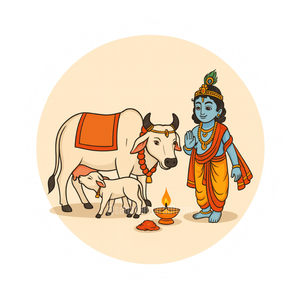
हरछठ (हल षष्ठी) व्रत भाद्रपद माह के कृष्ण पक्ष की षष्ठी तिथि को मनाया जाता है, जो जन्माष्टमी से दो दिन पूर्व आता है। यह पर्व भगवान कृष्ण के बड़े भाई श्री बलराम जी के जन्म उत्सव के रूप में अत्यंत हर्षोल्लास से मनाया जाता है। बलराम जी का शस्त्र हल और मूसल है, इसलिए इस दिन हल पूजन का विशेष महत्व है। इसे हल छठ, पिन्नी छठ, खमर छठ, ललही छठ, रांधण छठ तथा बजराम जयंती के नामों से भी जाना जाता है। महिलाएँ संतान की दीर्घायु, आरोग्य और सुख-समृद्धि की कामना से यह व्रत रखेंगी। परंपरा अनुसार, व्रती महिलाएँ इस दिन खेत में उगे या हल से जोते गए किसी भी अनाज या सब्जी का सेवन नहीं करतीं। पूजन और कथा के उपरांत वे केवल तालाब में पैदा हुए तिन्नी के चावल, केर्मुआ का साग और पसही के चावल का ही भोजन करती हैं। इस अवसर पर हल छठ माता, शीतला माता और भगवान बलराम की श्रद्धापूर्वक पूजा की जाती है, जिसमें दही, चावल और महुआ का विशेष महत्व होता है।
हरछठ (हलषष्ठी) व्रत पूजा विधि
हरछठ के दिन स्नान-ध्यान करने के बाद विधि-विधान पूर्वक पूजा-अर्चना की जाती है। यह व्रत वही स्त्रियाँ करती हैं जिनको पुत्र होता है। जिनको केवल पुत्री होती है, वह यह व्रत नहीं करती है। इस शुभ दिन दीवार पर गाय के गोबर से हरछठ का चित्र भी बनाया जाता है। इसमें गणेश-लक्ष्मी, शिव-पार्वती, सूर्य-चंद्रमा, गंगा-जमुना आदि के चित्र बनाए जाते हैं। आज कल बाजार में हरछठ माता का बना बनाया चित्र भी मिलने लगा है।
हरछठ बनाने में झरबेरी, ताश और पलाश की एक-एक शाखा का इस्तेमाल किया जाता है। पूजा में सात प्रकार के भुने हुए अनाज का भोग लगाया जाता है। पूजा के लिए सात तरह के अनाज जैसे धान, गेहूं, चना, मटर, मक्का, ज्वार, बाजरा, अरहर चढ़ाएं जाते है। इस व्रत में महिलाएं प्रत्येक पुत्र के आधार पर छह छोटे मिट्टी के बर्तनों में पांच या सात भुने हुए अनाज या सूखे मेवे भरती हैं। अंत में हरछठ की कथा सुनें और विधि-विधान के साथ पूजा-अर्चना करें।
स्त्रियाँ पूजन के समय कुश के पेड़ में गाँठ बाँधती है। इसके लिये स्त्रियाँ कुश लगे हुये स्थान पर जाती है अथवा घर में ही किसी स्थान या गमले में कुश लगाकर गाँठ बाँधती है। पूजा के बाद के महिलाएं भैंस के दूध से बने दही और महुआ को पलाश के पत्ते पर खाती हैं इस दिन महिलाओं के द्वारा इस व्रत में हल से जुते हुए अनाज व सब्जियों का सेवन नहीं किया जाता है। इसलिए महिलाएं इस दिन तालाब में उगे पसही/तिन्नी का चावल/पचहर के चावल खाकर व्रत रखती हैं।
केवल वृक्ष पर लगे खाद्य पदार्थ के ही सेवन की अनुमति होती है। विशेष रूप से महुए के फल का सेवन इस व्रत में किया जाता है। इस व्रत में गाय का दूध व दही इस्तेमाल में नहीं लाया जाता है इस दिन महिलाएं भैंस का दूध ,घी व दही इस्तेमाल करती है। इस व्रत को करने से व्रती को धन, ऐश्वर्य आदि की प्राप्ति होती है, इस व्रत को करने से पुत्र पर आने वाले सभी संकट दूर हो जाते हैं।
हलषष्ठी व्रत कथा ॥ 1 ॥
मथुरा के राजा कंस अपनी बहन देवकी को विवाह उपरांत विदा करने जा रहे थे तो आकाशवाणी के वचन सुन कर कि देवकी का आठवाँ गर्भ तेरी मृत्यु का कारण बनेगा, अपनी बहन-बहनोई को कारागार में डाल दिया। वासुदेव-देवकी के छह पुत्रों को एक-एक कर कंस ने मार डाला। जब सातवें बच्चे के जन्म का समय नजदीक आया तो देवर्षि नारद जी वासुदेव और देवकी से मिलने पहुंचे और उनके दुख का कारण जानकर देवकी को हलषष्ठी देवी के व्रत रखने की सलाह दी। देवकी ने नारद जी से हलषष्ठी व्रत की महिमा व कथा पूछी तो नारद ने पुरातन कथा कहना प्रारम्भ किया कि- चन्द्रव्रत नाम का एक राजा हुआ, जिनकों एक ही पुत्र था। राजा ने राहगीरों के लिए एक तालाब खुदवाया किन्तु उसमे जल न रहा, सूख गया। राहगीर उस रास्ते गुजरते और सूखे तालाब को देखकर राजा को गाली देते थे। इस खबर को सुनकर राजा दुखित हुआ कि मैंने तालाब खुदवाया, मेरा धन व धर्म दोनों ही व्यर्थ गया। उसी रोज रात राजा को स्वप्न में वरुण देव ने दर्शन देकर कहा कि यदि तुम अपने पुत्र का बलि तालाब में दोगे तो जल भर जाएगा।
सुबह राजा ने स्वप्र में कही बात दरबार मे सुनाया और कहा कि मेरा धन व धर्म भले ही व्यर्थ हो जाए पर मैं अपने पुत्र की बलि नहीं दूंगा। यह बात लोगों से होता हुआ राजकुमार तक पहुंचा तो वह सोचने लगा कि यदि मेरी बलि से तालाब में पानी आ जाए तो लोगों का भला होगा, यह सोचकर राजकुमार अपनी बलि देने तालाब में बैठ गया। अब वह तालाब पानी से लबालब भर गया, जल के जीव-जंतुओं से तालाब परिपूर्ण हो गया। एकलौते पुत्र के बलि हो जाने से राजा दुखी होकर वन को चला गया।
वहाँ पाँच स्त्रियाँ व्रत कर रही थी जिसे देखकर राजा ने पुछा आप लोग कौन सा व्रत और क्यों कर रही हो पूछने पर स्त्रियों ने हलषष्ठी व्रत की सम्पूर्ण विधि- विधान बतलाई। उसे सुनकर राजा वापिस नगर को गया और अपनी रानी के साथ उस व्रत को किया। व्रत के प्रभाव से राजपुत्र तालाब से जीवित बाहर निकल आया। राजा परिवार सहित हलषष्ठी माता के जयकार कर सुख पूर्वक निवास करने लगा।
हलषष्ठी व्रत कथा ॥ 2 ॥
अब नारदजी ने देवकी से हलषष्ठी व्रत की अन्य कथा कहना शुरू किया कि उज्जैन नगरी में दो सौतन रहती थी। एक का नाम रेवती तथा दूसरी का नाम मानवती था रेवती को कोई संतान न था, जबकि मानवती के दो पुत्र थे। रेवती अपने सौत के बच्चों को देखकर हमेशा सौतिया डाह से जलती रहती और उनके पुत्रों को मारने का जतन ढूंढती रहती थी। एक दिन उन्होने मानवती को बुलाकर कहा कि बहन आज तुम्हारे मायके से कुछ राहगीर मुझसे मिले थे उन्होने बताया कि तुम्हारे पिताजी बहुत बीमार है और वह तुम्हें देखना चाहता है।
पिता की बीमारी को सुनकर मानवती दुखी हुई। रेवती कहने लगी कि बहन तुम शीघ्र अपने पिता से मिलने चली जाओ, तुम्हारे आने तक मैं बच्चों का ध्यान रखूंगी। सौत के बात को सच मान और अपने पुत्रों को रेवती के हाथों सुरक्षित देकर मानवती पिता से मिलने मायके चली गई। अब रेवती बच्चों को मारने का अच्छा मौका जान कर उन दोनों बच्चों को मारकर जंगल में फेंक आयी।
इधर मानवती जब मायके पहुंची तो पिता को स्वस्थ देखकर पिता से अपनी सौत की कही बातों को कह कुशल-क्षेम पूछती है। अब मानवती के पिता ने अनहोनी के संदेह से पुत्री को जाने को कहते है, किन्तु मानवती के माता ने कहा कि पुत्री आज हलषष्ठी माता का व्रत का दिन है अतः तुम भी पुत्रों की दीर्घायु की कामना से यह व्रत कर आज के जगह कल चली जाना। माता की सलाह मान मानवती पुत्रों की स्वास्थ कामना से हलषष्ठी माता का व्रत धारण कर दूसरे दिन अपने घर जाने को निकली।
रास्ते में वही जंगल पड़ा और वहाँ अपने बच्चों को खेलते देख उनसे पूछती है कि तुम लोग यहाँ कैसे पहुंचे। तब पुत्रों ने बताया कि आपके चली जाने पर हमारी दूसरी माता रेवती ने मारकर यहाँ फेंक दिया था कि तभी एक दूसरी स्त्री हमें फिर से जिंदा कर गई। अब मानवती को समझते देर न लगी कि यह सब माता हलषष्ठी की कृपा से संभव है और माता की जयकार करती हुई घर को गई। नगर में मानवती के पुत्रों को पुनः जीवित देख और माता हलषष्ठी की महिमा जान सभी स्त्रियाँ हलषष्ठी व्रत करने लगी।
हलषष्ठी व्रत कथा ॥ 3 ॥ – श्रीकृष्ण एवं युधिष्ठिर संवाद
एक बार धर्मराज युधिष्ठिर ने भगवान श्रीकृष्ण से अत्यंत शोक-संतप्त भाव से कहा — “हे देवकीनंदन! सुभद्रा अपने पुत्र अभिमन्यु के मरणोपरांत व्याकुल हैं और उसकी पत्नी उत्तरा के गर्भ की संतान भी, दुष्ट अश्वत्थामा द्वारा छोड़े गए ब्रह्मास्त्र के तेज से नष्ट हो रही है। द्रौपदी भी अपने पाँच पुत्रों के मारे जाने से अत्यंत दुखी है। कृपा करके इस महान दुःख से उबरने का कोई उपाय बताएं।”
श्रीकृष्ण ने कहा — “राजन! यदि उत्तरा मेरे बताए इस अपूर्व व्रत को करे, तो गर्भ में स्थित निश्तेज शिशु पुनर्जीवित हो जाएगा। यह व्रत भाद्रपद कृष्ण षष्ठी को, भगवान शिव-पार्वती, श्रीगणेश और स्वामी कार्तिकेय की विधिपूर्वक पूजा के साथ किया जाता है। यह व्रत पुत्र-पौत्र की अल्पायु और शोक के महादुःख से मुक्ति प्रदान करने वाला है।”
इसके संदर्भ में भगवान श्रीकृष्ण ने एक कथा सुनाई — पूर्वकाल में सुभद्र नामक एक राजा था, जिनकी रानी का नाम सुवर्णा था। उनका एक पुत्र था हस्ती। एक दिन राजपुत्र हस्ती धाय माँ के साथ गंगाजी स्नान को गया। बाल-स्वभाववश वह जल में खेलने लगा, तभी एक ग्राह (मगर) ने उसे पकड़कर जल में खींच लिया।
धाय माँ ने यह समाचार रानी को दिया। क्रोधवश रानी ने धाय के पुत्र को धधकती आग में डाल दिया। पुत्र-शोक से व्याकुल धाय माँ निर्जन वन में चली गई और एक सुनसान मंदिर के पास रहने लगी। जो सूखा तृण, धान्य, महुआ आदि मिलता, उसी से जीवन-यापन करती और मंदिर में विराजमान शिव-पार्वती व गणेशजी की पूजा करती।
इधर नगर में अद्भुत घटना घटी — धाय का पुत्र अग्नि की भट्टी से जीवित निकल आया और खेलने लगा। यह समाचार राजा-रानी तक पहुँचा। उन्होंने पुरोहित से इसका कारण पूछा। तभी सौभाग्य से दुर्वासा ऋषि वहाँ आए। राजा-रानी ने उनका पूजन कर यह रहस्य पूछा।
दुर्वासा जी ने कहा — “राजन! आपके भय से धाय माँ वन में जाकर हलषष्ठी व्रत कर रही थी, इसी व्रत के प्रभाव से उसका पुत्र जीवित हो गया।” यह सुनकर राजा-रानी नगरवासियों सहित उस वन में धाय के पास पहुँचे और व्रत के विषय में विस्तार से पूछा।
धाय माँ ने बताया — “पुत्र-शोक में मैं यहाँ आकर भगवान शिव-पार्वती, गणेशजी और स्वामी कार्तिकेय का पूजन करती रही और सूखा तृण, धान्य, महुआ आदि खाकर व्रत का पालन किया। एक रात्रि मुझे शिव परिवार के दर्शन हुए और उन्होंने वरदान दिया कि तुम्हारा पुत्र जीवित होगा।”
रानी ने व्रत की विधि पूछी, तो दुर्वासा जी ने हलषष्ठी व्रत की संपूर्ण विधि बताई। राजा-रानी ने यह व्रत किया। व्रत के प्रभाव से राजपुत्र हस्ती ग्राह के चंगुल से मुक्त होकर खेलते हुए नगर लौट आया।
पुत्र को पाकर राजा-रानी प्रसन्न हुए और धाय भी अपने पुत्र संग सुखपूर्वक रहने लगी। वही बालक हस्ती आगे चलकर परम प्रतापी हुआ और उसने अपने नाम पर हस्तिनापुर की स्थापना की।
श्रीकृष्ण ने युधिष्ठिर से कहा — “इस व्रत की महिमा पूर्व में नारदजी से सुनकर मेरी माता देवकी ने भी यह व्रत किया था, जिसके प्रभाव से उनकी संतान सुरक्षित रही। अब तुम यह व्रत उत्तरा से करवाओ।”
युधिष्ठिर ने श्रीकृष्ण के कहे अनुसार उत्तरा से यह व्रत करवाया। व्रत के प्रभाव से अश्वत्थामा द्वारा नष्ट किया गया गर्भ पुनः जीवित हो गया और बालक का जन्म हुआ, जो आगे चलकर राजा परीक्षित नाम से प्रसिद्ध हुआ।
हलषष्ठी व्रत कथा ॥ 4 ॥: राजा और जल-सरवर
पुरातन काल में एक राजा ने प्रजा-हित में एक विशाल सागर/सरवर खुदवाया और सुंदर घाट बनवाए; किंतु आश्चर्य कि उसमें जल भरा ही नहीं।चिंतित राजा ने पुरोहित से उपाय पूछा। पुरोहित बोले— “उपाय तो कठिन है, बड़े पुत्र/पुत्री की बलि दी जाए तो सरवर भर जाएगा।”
यह सुनकर राजा व्यथित हो उठे। पुरोहित ने दूसरी तरकीब सुझाई— “बड़ी बहू को यह कहकर मायके भेज दें कि उसकी माता अत्यंत अस्वस्थ हैं।”राजा ने वैसा ही किया। बहू समाचार पाकर विलाप करती हुई मायके पहुँची। माता ने पूछा— “बिटिया, क्या हुआ?” तब बहू ने सारा वृत्तांत कह सुनाया। माता बोलीं— “आज हल छठ का दिन है— आज खेत पार करना, हल चलना, बच्चों की माताओं का खेत जाना निषिद्ध है; अवश्य कोई छल हुआ है। तुम तुरंत ससुराल लौटो, हरछठ माता का स्मरण करो।”
माता-बेटी ने हृदय से हरछठ माता का आह्वान किया। बहू लौटने लगी तो मार्ग में देखा— जो सरवर सूखा था, वह अब जल से लबालब है; कमल-पत्र लहरा रहे हैं और वहीँ एक बालक खेल रहा है। निकट जाकर पाया— वह तो उसी का पुत्र था! बहू ने अंचल फैलाकर माता का आभार माना और पुत्र को गोद में उठा लिया। गृह पहुँचने पर सास-ससुर भी हरछठ माता की कृपा से पुत्र-वंश को सुरक्षित देखकर आनंदित हुए और बोले— “आज कुल-दीया उज्ज्वल हुआ।”
हलषष्ठी व्रत कथा ॥ 5 ॥:: ग्वालिन, सच्चाई और वरदान
एक ग्वालिन थी; प्रसव-समय निकट था। दुःख यह कि मन दूध-दही बेचने में भी अटका था। उसने सोचा— “यदि अभी प्रसव हो गया तो सारा गौ-रस यूँ ही पड़ा रह जाएगा।” वह घड़े सिर पर रखे निकल पड़ी। कुछ दूर पर पीड़ा बढ़ी तो पास की झरबेरी की ओट में जाकर बालक को जन्म दिया और उसे वहीं रखकर दूध बेचने चली गई।
संयोग से वही दिन हल षष्ठी का था— जब ग्राम-स्त्रियाँ केवल भैंस के दूध का प्रयोग करती हैं। ग्वालिन ने गाय-भैंस का मिश्रित दूध ही भैंस का बताकर बेच दिया। उधर समीप के खेत में एक किसान हल जोत रहा था। अचानक बैल चौंक उठे और हल का फाल उस शिशु के शरीर में जा लगा। किसान ने हिम्मत करके झरबेरी के काँटों से ही टाँके लगाए और चला गया।
दूध बेचकर लौटी ग्वालिन ने बालक को घायल देखा तो उसे अपने झूठ और लालच का फल समझते देर न लगी। वह रोती हुई ग्राम-स्त्रियों के पास पहुँची और सारी बात सत्य-सत्य कह सुनाई। स्त्रियों ने धर्म-रक्षा और दया के हेतु उसे क्षमा किया और आशीर्वाद दिया— “माता की शरण लो, और फिर कभी असत्य न बोलो।”
आशीर्वाद पाकर जब वह पुनः झरबेरी के पास पहुँची, तो देखा— बालक जीवित हो उठा है! यह माता की कृपा देख उसके हृदय में गहरा परिवर्तन हुआ। उसी क्षण उसने प्रण किया— “अब जीवन भर सत्य का ही पालन करूँगी, कभी झूठ नहीं बोलूँगी।”
हरछठ माता और भगवान हलधर बलराम की आराधना से संतान-सुख, आरोग्य, दीर्घायु और कुटुम्ब-कल्याण की प्राप्ति होती है।
Harchhath, also known as Hal Shashthi Vrat, is observed on the Shashthi Tithi of Krishna Paksha in the month of Bhadrapad, two days before Janmashtami. This festival is celebrated with great devotion as the birth anniversary of Shri Balram Ji, the elder brother of Bhagwan Krishna. Since Balram Ji’s weapons are the plough and the mace, the worship of the plough holds special importance on this day. This Vrat is also known by names such as Hal Chhath, Pinni Chhath, Khamar Chhath, Lalahi Chhath, Randhan Chhath, and Balram Jayanti. Women observe this Vrat for the long life, good health, happiness, and prosperity of their children. According to tradition, women observing this Vrat do not consume grains or vegetables that grow in fields ploughed by a plough. After the Puja and Katha, they traditionally eat only rice grown in ponds, such as Tinni rice, Kermua greens, and Pasahi rice. On this occasion, Hal Chhath Mata, Sheetala Mata, and Bhagwan Balram are worshipped with devotion, and curd, rice, and Mahua hold special importance in the Puja.
Harchhath / Hal Shashthi Vrat Puja Vidhi
On the day of Harchhath, devotees take a bath, purify themselves, and perform the Puja according to the proper method. In many traditions, this Vrat is observed by women who have sons. Women who have only daughters generally do not observe this Vrat, though customs may vary by region. On this auspicious day, an image of Harchhath is also made on the wall using cow dung. In this image, forms of Ganesh-Lakshmi, Shiva-Parvati, Surya-Chandra, Ganga-Yamuna, and other divine symbols are drawn. Nowadays, ready-made pictures of Harchhath Mata are also available in the market.
To prepare Harchhath, one branch each of Jharberi, Taas, and Palash is used. Seven types of roasted grains are offered as Bhog during the Puja. For the worship, seven kinds of grains such as paddy, wheat, gram, peas, maize, jowar, bajra, and arhar may be offered. In this Vrat, women fill six small earthen pots with five or seven roasted grains or dry fruits for each son. Finally, the Harchhath Katha is heard, and the Puja is completed according to the proper विधि.
During the Puja, women tie a knot in the Kush grass. For this, they either go to a place where Kush grows or plant Kush in a pot or a suitable place at home and tie the knot there. After the Puja, women eat curd made from buffalo milk and Mahua on a Palash leaf. On this day, women observing the Vrat do not consume grains or vegetables grown in ploughed fields. Therefore, they keep the Vrat by eating pond-grown rice such as Pasahi rice, Tinni rice, or Pachar rice.
Only food items that grow on trees are traditionally permitted. Mahua fruit is especially consumed during this Vrat. Cow’s milk and curd are not used in this Vrat; instead, women use buffalo milk, ghee, and curd. It is believed that by observing this Vrat, the devotee receives wealth, prosperity, and well-being, and all troubles coming upon the son are removed.
Hal Shashthi Vrat Katha ॥ 1 ॥
When King Kansa of Mathura was sending off his sister Devaki after her marriage, he heard a divine voice from the sky saying that Devaki’s eighth child would become the cause of his death. Hearing this, Kansa imprisoned his sister Devaki and her husband Vasudev. One by one, he killed the first six sons of Vasudev and Devaki. When the time for the birth of the seventh child came near, Devarshi Narad Ji came to meet Vasudev and Devaki. Seeing the reason for their sorrow, he advised Devaki to observe the Hal Shashthi Devi Vrat.
When Devaki asked Narad Ji about the glory and Katha of Hal Shashthi Vrat, Narad Ji began narrating an ancient Katha. He said that there was once a king named Chandravrat, who had only one son. The king had a pond dug for travellers, but no water remained in it, and it dried up. Travellers passing by would see the dry pond and speak harsh words against the king. Hearing this, the king became very sorrowful and thought, “I had this pond made, but both my wealth and my dharma seem to have gone in vain.” That very night, Varun Dev appeared in the king’s dream and said, “If you offer your son as a sacrifice in the pond, it will be filled with water.”
In the morning, the king narrated the dream in his court and said, “Even if my wealth and dharma go in vain, I will not sacrifice my son.” This matter gradually reached the prince. The prince thought, “If my sacrifice can fill the pond with water and help people, then it will be for the welfare of all.” Thinking this, the prince went and sat in the pond to offer his sacrifice. At once, the pond became filled with water and was soon full of aquatic creatures. Seeing his only son sacrificed, the king became deeply sorrowful and went to the forest.
In the forest, the king saw five women observing a Vrat. He asked them which Vrat they were observing and why. The women explained to him the complete method and significance of Hal Shashthi Vrat. After hearing this, the king returned to his city and observed the Vrat along with his queen. By the divine effect of the Vrat, the prince came out of the pond alive. The king, along with his family, praised Hal Shashthi Mata and lived happily.
Hal Shashthi Vrat Katha ॥ 2 ॥
Now Narad Ji began narrating another Katha of Hal Shashthi Vrat to Devaki. He said that in the city of Ujjain, there lived two co-wives. One was named Revati and the other was named Manavati. Revati had no child, while Manavati had two sons. Seeing the children of her co-wife, Revati was always filled with jealousy and kept looking for a way to harm them.
One day, Revati called Manavati and said, “Sister, today some travellers from your parental home met me. They told me that your father is very ill and wishes to see you.”
Hearing about her father’s illness, Manavati became deeply sorrowful. Revati said, “Sister, you should quickly go and meet your father. Until you return, I will take care of your children.” Trusting her co-wife’s words, Manavati left her sons in Revati’s care and went to her parental home to meet her father.
Revati now found a suitable opportunity to harm the children. She killed both the boys and threw them into the forest.
Meanwhile, when Manavati reached her parental home, she found her father healthy. She told him what her co-wife had said and asked about his well-being. Manavati’s father suspected that something unfortunate might have happened and asked his daughter to return immediately. But Manavati’s mother said, “Daughter, today is the day of Hal Shashthi Mata Vrat. Therefore, you should also observe this Vrat for the long life and well-being of your sons. Go back tomorrow instead of today.”
Accepting her mother’s advice, Manavati observed Hal Shashthi Mata Vrat for the health and long life of her sons. The next day, she set out for her home.
On the way, the same forest came before her. There, she saw her children playing. Surprised, she asked them, “How did you both come here?” The children replied, “After you left, our other mother Revati killed us and threw us here. Then another divine woman came and brought us back to life.”
Manavati immediately understood that all this had happened by the grace of Hal Shashthi Mata. Chanting the glory of the Mother, she returned home. When the people of the city saw Manavati’s sons alive again and came to know the greatness of Hal Shashthi Mata, all the women began observing Hal Shashthi Vrat with devotion.
Hal Shashthi Vrat Katha ॥ 3 ॥ – Dialogue Between Shri Krishna and Yudhishthir
Once, Dharmaraj Yudhishthir said to Bhagwan Shri Krishna with a heart filled with grief, “O Devakinandan! Subhadra is deeply distressed after the death of her son Abhimanyu, and the child in the womb of his wife Uttara is also being destroyed by the fiery power of the Brahmastra released by the wicked Ashwatthama. Draupadi too is overcome with sorrow after the death of her five sons. Please tell us some remedy to overcome this great suffering.”
Shri Krishna said, “O King! If Uttara observes this rare and sacred Vrat as described by Me, the weakened child in her womb will come back to life. This Vrat is observed on Bhadrapad Krishna Shashthi with the proper worship of Bhagwan Shiva-Parvati, Shri Ganesh, and Swami Kartikeya. This Vrat removes the great sorrow caused by the short life of sons and grandsons.”
In this context, Bhagwan Shri Krishna narrated a Katha. In ancient times, there was a king named Subhadra, whose queen was named Suvarna. They had a son named Hasti. One day, Prince Hasti went with his nurse to bathe in the sacred Ganga. Out of childish playfulness, he began playing in the water. At that moment, a crocodile caught him and pulled him into the water.
The nurse gave this news to the queen. In anger, the queen threw the nurse’s son into a blazing fire. Overcome with the grief of losing her son, the nurse went into a lonely forest and began living near a deserted temple. Whatever dry grass, grains, Mahua, and other simple food she found, she survived on that. She also worshipped Bhagwan Shiva-Parvati and Shri Ganesh, who were present in the temple.
Meanwhile, a wonderful event took place in the city. The nurse’s son came out alive from the burning fire and began playing. This news reached the king and queen. They asked the royal priest about the reason behind this miracle. At that very time, by good fortune, Rishi Durvasa arrived there. The king and queen worshipped him and asked him about this mystery.
Durvasa Ji said, “O King! Out of fear of you, the nurse went to the forest and began observing Hal Shashthi Vrat. By the power of this Vrat, her son came back to life.” Hearing this, the king and queen, along with the people of the city, went to the forest to meet the nurse and asked her in detail about the Vrat.
The nurse said, “In the sorrow of losing my son, I came here and continued worshipping Bhagwan Shiva-Parvati, Shri Ganesh, and Swami Kartikeya. I observed the Vrat while surviving on dry grass, grains, Mahua, and whatever simple food was available. One night, I had darshan of the divine Shiva family, and They blessed me, saying that my son would come back to life.”
When the queen asked about the method of the Vrat, Durvasa Ji explained the complete Vidhi of Hal Shashthi Vrat. The king and queen then observed this Vrat. By the divine effect of the Vrat, Prince Hasti was freed from the grip of the crocodile and returned to the city while playing.
Receiving their son back, the king and queen became filled with joy, and the nurse also lived happily with her son. That same child Hasti later became extremely powerful and founded Hastinapur in his own name.
Shri Krishna said to Yudhishthir, “My mother Devaki had also observed this Vrat after hearing its glory from Narad Ji in earlier times. By the effect of this Vrat, her children remained protected. Now you should have Uttara observe this Vrat.”
Following the words of Shri Krishna, Yudhishthir had Uttara observe this Vrat. By the divine effect of the Vrat, the womb that had been destroyed by Ashwatthama came back to life, and a child was born. That child later became famous as King Parikshit.
Hal Shashthi Vrat Katha ॥ 4 ॥: The King and the Water Reservoir
In ancient times, a king had a large reservoir dug for the welfare of his people and also built beautiful ghats around it. But surprisingly, no water filled the reservoir. Worried, the king asked his priest for a remedy. The priest said, “The remedy is difficult. If the eldest son or daughter is offered as a sacrifice, the reservoir will be filled with water.”
Hearing this, the king became deeply distressed. Then the priest suggested another plan. He said, “Send the eldest daughter-in-law to her parental home by telling her that her mother is seriously ill.” The king did as he was advised. Hearing the news, the daughter-in-law wept and went to her parental home. Her mother asked, “Daughter, what has happened?” Then the daughter-in-law narrated the entire incident.
Her mother said, “Today is Hal Chhath. On this day, crossing fields, ploughing, and mothers of children going into the fields are traditionally avoided. Surely, some deception has taken place. Return to your in-laws’ home immediately and remember Harchhath Mata.”
The mother and daughter invoked Harchhath Mata with full devotion. As the daughter-in-law began to return, she saw on the way that the reservoir which had been dry was now filled with water. Lotus leaves were floating on the water, and a child was playing there. When she went closer, she saw that the child was her own son. She spread her aanchal in gratitude to the Mother and lifted her son into her lap.
When she reached home, her mother-in-law and father-in-law also became overjoyed to see that the child and the family lineage had been protected by the grace of Harchhath Mata. They said, “Today, the lamp of our family has become bright again.”
Hal Shashthi Vrat Katha ॥ 5 ॥: The Milkmaid, Truth, and Blessing
There was once a milkmaid whose time of delivery was near. Yet her mind was still attached to selling milk and curd. She thought, “If the child is born now, all this milk will remain unused.” Carrying the pots on her head, she set out to sell the milk. After walking some distance, her labor pain increased. She went behind a Jharberi bush, gave birth to a child, left the baby there, and went ahead to sell the milk.
By coincidence, that very day was Hal Shashthi, when village women traditionally use only buffalo milk. The milkmaid had mixed cow’s milk and buffalo milk, but she sold it as buffalo milk. Meanwhile, in a nearby field, a farmer was ploughing. Suddenly, the oxen got startled, and the blade of the plough struck the infant’s body. The farmer gathered courage, stitched the wound using the thorns of the Jharberi bush, and went away.
When the milkmaid returned after selling the milk, she saw her child injured. She immediately understood that this was the result of her falsehood and greed. Weeping, she went to the village women and told them the entire truth. For the sake of dharma and compassion, the women forgave her and blessed her, saying, “Take refuge in the Mother, and never speak falsehood again.”
After receiving their blessings, she returned to the Jharberi bush and saw that the child had come back to life. Seeing this grace of the Mother, her heart changed deeply. At that very moment, she took a vow: “From now on, I shall follow the path of truth throughout my life and never speak a lie again.”
By worshipping Harchhath Mata and Bhagwan Haldhar Balram, devotees are blessed with the happiness of children, good health, long life, and the welfare of the family.