


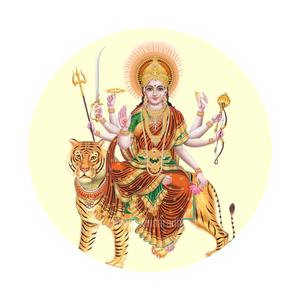
Jwalamukhi Shaktipeeth in Kangra district, Himachal Pradesh, is revered for the sacred flames of Maa Jwala. Shaktipeeth tradition identifies it as the place where Goddess Sati’s tongue fell. Devotees bow before these flames and remember Bhagavati with Bhakti.
Introduction
Also known as Jwala Ji or Jwala Devi Temple, this shrine stands in Jwalamukhi town. Worship in the main sanctum centres on flames emerging from openings in the rock. Here, devotees have darshan of the Goddess in the form of light rather than a conventional image.
The story of the Shaktipeeth
According to the familiar Shaktipeeth narrative, Lord Shiva carried Sati’s body after she gave up her life at Daksha’s Yajna. Lord Vishnu divided the body with the Sudarshan Chakra. The places where its parts fell became sacred seats of Devi worship.
Jwalamukhi is honoured within this sacred tradition. The story expresses religious faith; it does not establish a historical date for the temple’s construction.
Sati’s body part or ornament
The Peetha Nirnaya tradition associates Jwalamukhi with Sati’s tongue. Its principal identification concerns the tongue, rather than an ornament. The number and order of Shaktipeethas vary across traditional lists.
The name of the Devi
In the Peetha tradition, the Devi is named Siddhida. Maa Jwala, Jwalamukhi Devi and Jwala Devi are her familiar names. Some devotional descriptions also use Ambika; this need not be understood as a separate, compulsory second deity.
Bhairava
The Bhairava associated with Jwalamukhi is Unmatta Bhairava. Naming the Devi and Bhairava together recalls the shared worship of Shiva and Shakti.
Religious significance
For devotees, the shrine recalls the presence of the Divine Mother and encourages faith and inner strength. Quiet prayer before the flames offers an opportunity for a more attentive mind. Darshan should not be presented as a guarantee of wealth, health or any worldly outcome.
Puja and darshan
Have darshan of Maa Jwala’s flames with reverence and follow the temple’s arrangements for queues and Puja. Ask authorised temple staff about offerings or special services. Do not attempt to touch the flames or ritual objects yourself.
You may keep a devotional mood through familiar Devi prayers or remembrance of her name. Sanatana Aradhana also offers material on Durga Saptashati. No particular recitation is being described as a requirement for entering the temple.
Major festivals
Chaitra and Sharad Navratri are major occasions for worship of the Divine Mother. Allow more time for darshan during these periods. Check the Tithi and local programme before travelling, as the festivals do not fall on the same Gregorian dates every year.
History
Traditions connected with the temple mention Akbar and Maharaja Ranjit Singh. The account of Akbar attempting to extinguish the flames and later making an offering is a popular legend. Its miraculous details should not be treated as established historical events.
Useful references include the Kangra district administration for the shrine and travel, and a Peetha Nirnaya-based list for its traditional names.
How to reach
Jwalamukhi is connected by road with Kangra and Dharamshala. Government tourism information gives approximate distances of 30 km from Kangra and 56 km from Dharamshala. Your route and starting point may change these distances.
Gaggal Airport is an option for air travel, while Pathankot is a useful rail connection. Continue by bus or taxi. Check current mountain weather, road conditions and train services beforehand.
Darshan timings
The Kangra district administration lists general opening hours of 5:00 AM to 10:00 PM. These may change with the season and temple arrangements. Aarti has its own schedule; confirm through an authorised source before travelling. Information reviewed: 7 October 2026.
Distinctive traditions
Devotees honour the sacred flames as a form of the Divine Mother’s presence. Government information generally describes nine flames, while older and local descriptions may count them differently. One number should not be assumed to describe exactly what is visible at every moment.
Spiritual message
Maa Jwala’s light can inspire us to nurture compassion, truth and patience within ourselves. The spirit of pilgrimage continues through service and ethical conduct in daily life. To explore another Peetha tradition, read about Panch Sagar Shaktipeeth.