


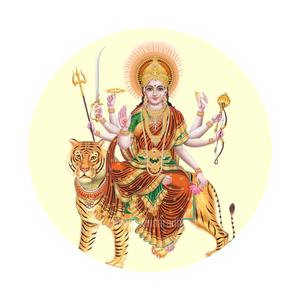
Situated on the sacred banks of the Karatoya River in the historic Vanga region of Bangladesh, the Karatoyaghat (Bhabanipur) Shaktipeeth stands as a radiant pilgrimage site in the Sanatana Shakta tradition. This sacred abode is located in Bhabanipur village within the Sherpur Upazila of Bogura (Bogra) district. Since ancient times, this entire region has flourished as a prominent center of Tantric sadhana and devotion to Bhagavati. Celebrating the spiritual glory of Vanga Desha, the Shakti Sangama Tantra states:
Ratnakaram Samarabhya Brahmaputrantagam Shive.
Vangadesho Maya Proktah Sarvasiddhipradarshakah.
Introduction
Karatoyaghat Shaktipeeth is known regionally as the Bhabanipur Shaktipeeth. This revered holy shrine is situated in Bogura district of Rajshahi division in northern Bangladesh. Because of its proximity to the holy current of the Karatoya River, it is sanctified as Karatoyatata or Karatoyaghat.
Nestled within a picturesque four-acre complex, the temple rests in an atmosphere of profound serenity. Pilgrims visiting this sanctuary experience the immediate presence of the Divine Mother maternal grace alongside the protective guardianship of Lord Shiva.
The story of the Shaktipeeth
According to sacred Puranic tradition, when Devi Sati relinquished Her life in the sacrificial fire of Daksha Prajapati's yajna, a grief-stricken Lord Shiva wandered across the three worlds carrying Her holy mortal form. To preserve Mahadeva's detachment and protect the balance of creation, Lord Vishnu used His Sudarshana Chakra to sever Sati's divine body.
Wherever sacred limbs and ornaments of Bhagavati Sati descended across the earth, those sacred thresholds emerged as revered Shaktipeeths. In this divine unfolding, a sanctified portion of Devi Sati fell upon the banks of the Karatoya River, consecrating this holy ground as an exalted center of Shakta adoration.
Sati’s body part or ornament
According to the Tantrachudamani (Pithanirnaya), Devi Sati's 'talpa' (left couch, seat, or bed) fell upon the banks of the Karatoya. The fortieth verse of this treatise clearly documents:
Karatoyatate Talpam Vame Vamanabhairavah.
Aparna Devata Tatra Brahmarupa Karodbhava.
Concurrently, living regional lore and widespread Bengali Shakta tradition hold the firm belief that Maa Sati's left anklet (vama nupura) fell here. Both traditions revere this holy ground as an auspicious peetha of Adishakti.
The name of the Devi
The presiding Goddess here is worshipped with great devotion as Maa Aparna. According to the Devi Bhagavata and other sacred texts, Devi Parvati undertook austere penance to attain Lord Shiva as Her consort, during which She renounced even fallen dry leaves (parna), earning Her the divine name Aparna.
In local devotion, devotees also revere Maa as the universal Mother Bhabani or Tara, offering Her loving prayers as the supreme motherly force.
Bhairava
The guardian Bhairava of Karatoya Shaktipeeth is Lord Vamana Bhairava. As guided by Tantric scriptures, Lord Shiva remains eternally present in the form of Bhairava to protect each Shaktipeeth.
A dedicated shrine to Vamana Bhairava stands within the temple premises, where He is also known locally as Patala Bhairava. In Shakta tradition, seeking darshan of Bhairava before Devi is considered immensely auspicious and beneficial.
Religious significance
The Karatoya River is extolled as sacred in the Puranas. According to popular tradition, the river originated from the sacred water that flowed from the lotus hands of Lord Shiva during His divine wedding with Devi Parvati, which is why it came to be called Karatoya. Its waters are revered like holy Shiva-nirmalya.
In the Tirthayatra Parva of the Mahabharata's Vana Parva, the merit of bathing in the Karatoya River is praised:
Karatoyam Samasadya Triratropoṣhito Narah.
Ashvamedhamavapnoti Prajapatikrito Vidhih.
This signifies that a seeker who reaches the banks of the Karatoya River and fasts for three nights attains the spiritual merit equivalent to the performance of an Ashvamedha Yajna, as ordained by Prajapati.
Puja and darshan
Daily worship in the temple is conducted through a harmonious blend of Vedic and Tantric rites. In the morning hours, Balya Bhoga is offered to the Divine Mother, followed by Annabhoga at midday.
During evening hours, a solemn and beautiful Sandhya Aarti is offered to Maa Aparna and Vamana Bhairava. Devotees sit peacefully in the sacred premises, engaging in japa and meditation to attain inner tranquility.
Major festivals
Special festivities take place every year during the auspicious occasions of Sharadiya and Vasantika Navratri. In the month of Ashvina, Sharadiya Durga Puja is celebrated as the largest and most joy-filled annual gathering.
In addition, large numbers of pilgrims assemble for darshan and worship on Maghi Purnima, Mahashivratri, Ram Navami, and the Purnima tithi of every month.
History
The present structure of the Karatoyaghat Bhabanipur Shaktipeeth is linked to historical renovations in the eighteenth century. The devout Maharani Bhabani of the Natore royal family and her adopted son Raja Ramkrishna carried out extensive restoration of this temple.
The royal family endowed estates and material resources for the upkeep of the temple, regular puja services, and the hospitality of visiting sadhus. The four Shiva temples and the historic Panchamunda Asana within the temple premises stand as testimony to the spiritual sadhana traditions of that era.
How to reach
Karatoyaghat Shaktipeeth is situated in Bhabanipur village under Sherpur Upazila in Bogura district, Bangladesh. The site can be reached via the national highway connecting Dhaka and Bogura.
The distance from Sherpur town to Bhabanipur is approximately 28 kilometers. Pilgrims can travel conveniently from the Sherpur bus stand or Bogura city by local auto-rickshaws or private taxis directly to the Bhabanipur temple complex.
Darshan timings
The temple gates generally open daily for devotees from 8:00 AM to 2:00 PM. Thereafter, the shrine remains closed from 2:00 PM to 4:00 PM for rest and offering of bhoga.
The temple reopens at 4:00 PM in the afternoon and closes at 8:00 PM following the night Shayan Aarti. Darshan timings may be suitably adjusted during major festivals.
Distinctive traditions
A poignant traditional lore is associated with the Shakha-Pukur (conch bangle pond) located within the temple precincts. According to regional tradition, a conch merchant once passed by when a young girl expressed her desire to wear conch bangles (shakha), asking him to collect payment from the temple priest.
When the priest arrived at the water body, two hands adorned with white conch bangles emerged above the surface of the pond, revealing that Maa Bhabani Herself had manifested as the young maiden. Since then, the pond has been regarded as exceptionally sacred by pilgrims.
Spiritual message
The Karatoyaghat Shaktipeeth imparts a profound spiritual message of detachment, austerity, and surrender. The divine form of Maa Aparna encourages the seeker to rise above external distractions and cultivate inner purity and self-restraint.
This serene and ascetic soil serves as an enduring reminder that renouncing the ego and placing steadfast faith in divine grace is the true path to eternal liberation and peace.