

Nestled amidst the soaring Himalayan ranges and the sacred valley of the Kali Gandaki River, Shri Gandaki Shaktipeeth holds an exalted place among the fifty-one primary Shaktipeeths of Sanatana Dharma. Located in the picturesque Mustang district of Nepal, this sacred pilgrimage is revered as a profound confluence of natural divinity, heartfelt devotion, and deep spiritual awareness.
Introduction
Gandaki Shaktipeeth is closely associated with the source of the holy Gandaki River and the sacred Muktinath (Muktidham) region in the Mustang district of Nepal. Perched at an altitude of approximately 3,710 to 3,800 meters above sea level, this holy tirtha serves as a serene meeting ground for Vaishnava, Shakta, and Shaiva traditions. The sublime Himalayan landscape and pure mountain waters naturally instill a quiet sense of devotion in the hearts of pilgrims.
The story of the Shaktipeeth
According to sacred tradition, when Mata Sati surrendered her life in the yajna fire of Prajapati Daksha, Lord Shiva carried her sacred body across the cosmos in intense grief and dispassion. To restore universal balance and relieve Lord Shiva of his profound sorrow, Lord Vishnu gently severed Sati’s holy form with his Sudarshana Chakra. Wherever the sacred parts fell across the earth, those sanctified locations emerged as auspicious Shaktipeeths.
Sati’s body part or ornament
According to the revered Shakta text Peethanirnaya Tantra, Mata Sati’s ‘Ganda’ (cheek) fell in this holy region. Scriptural traditions solemnly commemorate this sacred place as the Ganda-pata tirtha.
The name of the Devi
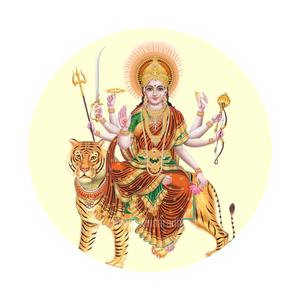
The Adi Parashakti presiding over this Shaktipeeth is worshipped as Gandaki or Gandaki Chandi. She is revered as the divine mother who dispels all obstacles and blesses seekers with inner calm and spiritual illumination.
Bhairava
In accordance with Shaktipeeth tradition, Lord Shiva resides alongside the Devi as Bhairava. At the Gandaki Shaktipeeth, the guardian Bhairava is worshipped as Lord Chakrapani, who eternally protects this sacred pilgrimage.
Religious significance
The Gandaki River is revered as a divine river in Sanatana culture. It is along this holy riverbed that sacred Shaligram stones, venerated as the direct physical manifestations of Lord Vishnu, are found. Consequently, pilgrims experience both the grace of Shakti and the living presence of Lord Vishnu in this sacred realm. This unique harmony of Shakti and Narayana bestows singular spiritual significance upon the tirtha.
Puja and darshan
Devotees visiting the region offer prayers to Maa Gandaki Chandi and Lord Chakrapani while reverently sipping and touching the holy waters of the Gandaki River. In the sacred Muktinath precinct, taking a ritual bath in the natural holy water springs and meditating peacefully upon the Devi inspires purity, dispassion, and inner stillness.
Major festivals
Chaitra Navratri and Sharadiya Navratri are observed here with deep devotion. Additionally, on auspicious occasions such as Maha Shivratri, Rishi Panchami, Harishayani Ekadashi, and Hariprabodhini Ekadashi, numerous pilgrims arrive to participate in the joint adoration of Bhagavati and Lord Vishnu.
History
Since ancient times, this Himalayan landscape has been a revered sanctuary for meditation and penance. The Himavatkhanda of the Skanda Purana and classical Tantra scriptures clearly mention the sacred importance of this region. For centuries, sages, ascetics, and householder pilgrims have traversed these high mountain trails to seek the benevolent grace of the Devi.
How to reach
To travel to Gandaki Shaktipeeth, pilgrims generally reach Pokhara in Nepal first. From Pokhara, travel to Jomsom is possible via domestic flights or road transport. From Jomsom, one can reach the Muktinath area using local transport and motorable mountain roads.
Darshan timings
Owing to high-altitude mountain conditions, general darshan hours in the Muktinath complex are usually observed from 06:00 AM to 12:30 PM, and again from 01:30 PM to 07:00 PM. These timings may vary depending on local weather, seasons, and temple management. The months from March to May and September to November are widely considered the most suitable for pilgrimage.
Distinctive traditions
It is traditionally held that sincere worship along the sacred Gandaki helps quiet the restless mind, opening the path toward wisdom and spiritual liberation. Devotees from both Vaishnava and Shakta paths equally honor this blessed region as a supreme giver of Moksha.
Spiritual message
Shri Gandaki Shaktipeeth reminds seekers of the eternal reality beyond the transient nature of mortal life. Resting peacefully in the lap of the Himalayas, this holy peeth teaches that through patient journeys and humble surrender, one dissolves the ego and discovers lasting peace.