


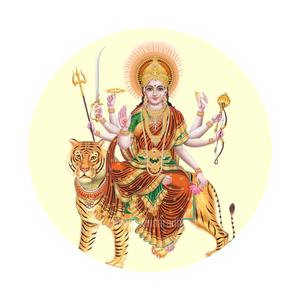
Located on the banks of the Adi Ganga in the historic metropolis of Kolkata, West Bengal, Shri Kalighat Shaktipeeth stands among the most revered and spiritually potent Shakti shrines of Sanatana Dharma. Since time immemorial, this sacred pilgrimage has been a supreme center of devotion to Bhagavati Mahakali, drawing devotees from across the world in search of spiritual peace and grace.
Introduction
Kalighat Temple is situated in the southern part of Kolkata. This holy pilgrimage holds a prominent place among the 51 sacred Shaktipeeths. Here, the divine form of Maa Kalika is enshrined, evoking profound reverence and pure devotion in the hearts of pilgrims.
The story of the Shaktipeeth
According to sacred tradition, when Mata Sati gave up Her life in the sacrificial fire of Daksha’s yajna, Lord Shiva wandered across the cosmos carrying Her sacred body in profound grief. To restore universal balance, Lord Vishnu used His Sudarshana Chakra to divide the sacred body into fifty-one parts. The sacred spots where these divine limbs and ornaments fell became venerated as Shaktipeeths.
Sati’s body part or ornament
According to tradition and the revered text Pithanirnaya, the toes of the right foot (Dakshina Padanguli) of Mata Sati fell at Kalighat. For this sacred reason, the shrine is worshipped as a major Mahapeeth.
The name of the Devi
The presiding deity venerated at this Shaktipeeth is worshipped as Kalika or Dakshina Kali. This divine aspect of Bhagavati dissolves ignorance and blesses Her devotees with fearlessness and protection.
Bhairava
The guardian Bhairava of the Kalighat Shaktipeeth is Nakulesh (Lord Nakuleshwar Mahadev). Close to the main temple complex, along Haldar Para Lane, stands the historic temple of Nakuleshwar Mahadev where a self-manifested (Swayambhu) Shivalinga is reverently worshipped.
Religious significance
Kalighat is one of the foremost centers of Shakta tradition and divine mother worship. Prayers and sadhana offered here are believed to purify the mind and heart. According to Peetha tradition, a pilgrimage to Kalighat is complete and auspicious when devotees also offer their respects to Bhairava Nakulesh following darshan of Maa Kalika.
Puja and darshan
In the sanctum sanctorum, the unique stone form of Maa Kali is adorned with three eyes and an iconic golden tongue and hands that fill visitors with devotion. Devotees offer vermilion, red flowers, hibiscus garlands, and coconuts as offerings of love and surrender to the Divine Mother.
Major festivals
Navratri, Durga Puja, Kali Puja (Diwali), Poila Boishakh, and Bipattarini Vrat are observed at Kalighat with great reverence and joyful celebration. Tuesdays, Saturdays, and the Ashtami tithi of every Hindu month also draw large gatherings for special worship.
History
Kalighat finds mention in classical Bengali devotional literature, including the fifteenth-century Manasamangal and sixteenth-century Chandimangal. The present grand temple was constructed in Bengal’s traditional Aat-chala architectural style under the patronage of the Sabarna Roy Choudhury family, with its completion recorded in 1809.
How to reach
Kalighat Temple is conveniently accessible via Kolkata Metro, with Kalighat and Jatin Das Park stations located nearby. Howrah Railway Station is approximately 10 kilometers away, easily reached by buses or taxis. Netaji Subhash Chandra Bose International Airport is situated around 25 kilometers from the temple.
Darshan timings
Morning darshan at Kalighat Temple generally opens from 5:00 AM to 2:00 PM. The sanctum remains closed between 2:00 PM and 5:00 PM for Bhog and rest. The temple reopens for evening darshan from 5:00 PM until 10:30 PM.
Distinctive traditions
It is traditionally held that those who seek refuge in Maa Kalika find freedom from fear, negative tendencies, and worldly delusions. Within the temple grounds, pilgrims also pay sacred reverence to Kundupukur, a holy pond whose sanctified waters are regarded with great faith.
Spiritual message
The holy form of Maa Kalika reminds seekers of the eternal supremacy of time and cosmic reality. By relinquishing transient worldly ego and attachment, the soul discovers true inner tranquility, divine harmony, and Moksha.