


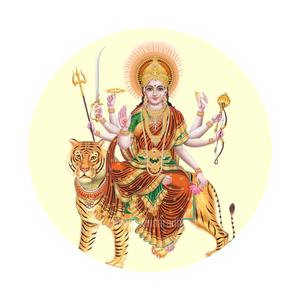
Shri Chattal Shaktipeeth is an intensely revered pilgrimage site among the fifty-one sacred Shaktipeeths of Devi Bhagavati in Sanatana Dharma. This sacred abode is situated on the picturesque Chandranath Hill in the Sitakunda region of Chattogram (Chittagong) district in present-day Bangladesh. Here, the Supreme Energy is worshipped as Bhavani and Lord Shiva is venerated as Chandrashekhara.
Introduction
Chattal Shaktipeeth is located along the Chandranath mountain range near Sitakunda town, approximately 38 to 40 kilometers north of Chattogram city. The temple of Devi Bhavani is situated in the foothills near the town of Sitakunda, while the ancient temple of Lord Chandrashekhara Shiva crowns the mountain peak. This sacred landscape is a harmonious confluence of serene natural beauty and intense spiritual energy.
The story of the Shaktipeeth
According to sacred tradition, when Mata Sati renounced Her physical body in yogic fire after witnessing the dishonor of Her consort Lord Shiva at Daksha’s sacrificial ceremony, Lord Shiva bore Her mortal remains in deep renunciation across the cosmos. To restore equilibrium to the universe, Lord Vishnu severed Mata Sati’s form into fifty-one sacred parts with the Sudarshana Chakra. Wherever Her divine limbs and ornaments fell, those sacred spots became consecrated as eternal Shaktipeeths.
Sati’s body part or ornament
According to authoritative texts such as the Tantra Chudamani and the Pithanirnaya, the right arm (Daksha Bahu) of Mata Sati fell at Chattal. The descent of this sacred limb sanctified the entire region into an auspicious Siddha Peetha.
The name of the Devi
The presiding Goddess of this Shaktipeeth is worshipped as Bhavani. The classical scriptures celebrate Bhavani as the vibrant, conscious presence of the Divine Mother who protects Her devotees and dispels all distress.
Bhairava
As is customary across all Shaktipeeths, a protective Bhairava guards the sacred precinct alongside the Devi. The presiding Bhairava here is revered as Lord Chandrashekhara. The darshan of the consecrated Shiva Linga of Chandrashekhara on the highest crest of Chandranath Hill is considered an essential part of the pilgrimage.
Religious significance
Chattal Shaktipeeth is not merely a single temple, but an expansive holy landscape steeped in ascetic traditions. The Sitakunda area encompasses several holy water reservoirs and sacred spots, including Sitakunda, Vyasakunda, Suryakunda, Brahmakunda, Lavanaksha Tirtha, and Sahasradhara. Devotees undertake ablutions and meditation at these sacred springs to seek inner tranquility and spiritual vitality.
Puja and darshan
Pilgrims generally begin their visit by taking holy ablutions in the sacred water bodies around Sitakunda and offering prayers to Ma Bhavani at the base. From there, devotees commence the uphill walk along the stepped mountain trail. Along the path, they offer prayers at the Virupaksha temple before reaching the summit to perform sacred water offerings (Jalabhisheka) and obeisance to Lord Chandrashekhara.
Major festivals
Every year on the auspicious occasion of Maha Shivaratri (Shiva Chaturdashi) during the month of Phalguna, a grand traditional fair is held here. Hundreds of thousands of devotees gather from across Bangladesh, India, and beyond for worship, prayer, and ancestral rites (Shraddha and Tarpan).
History
This sacred site finds mention in ancient Tantric compilations as well as the ‘Rajamala’, the traditional chronicle of the royal lineage of Tripura. Documented history notes that kings such as Dhanya Manikya of Tripura, among other Sanatana rulers, patronized, maintained, and contributed to the shrines in this mountain region.
How to reach
Chattogram (Chittagong) serves as the primary gateway to Chattal Shaktipeeth. Sitakunda railway station and bus station are easily accessible from Dhaka or Chattogram by road and rail networks. The nearest air connectivity is Shah Amanat International Airport in Chattogram, located around 45 kilometers from Sitakunda. Local transportation connects Sitakunda town to the base of Chandranath Hill.
Darshan timings
Darshan at the shrines is typically open from 06:00 AM to 06:00 PM. Because the mountain ascent is natural and stepped, pilgrims are advised to complete both the climb and descent during daylight hours for safety.
Distinctive traditions
Near the Sitakunda pilgrimage circuit lies Barabkunda (Badabkunda), where natural subterranean gas springs sustain continuous flames over water. Devotees honor this presence with reverence as an embodiment of the conscious divine fire of the Goddess. Tradition holds that heartfelt prayer and contemplation in these sanctified spaces help purify inward thoughts and mental afflictions.
Spiritual message
Chattal Shaktipeeth stands as a timeless symbol of the harmony between Shiva and Shakti. The maternal grace of Ma Bhavani at the base and the austere grandeur of Lord Chandrashekhara at the summit remind the seeker that genuine spiritual life requires both grounded worldly compassion and the upward elevation of consciousness.