


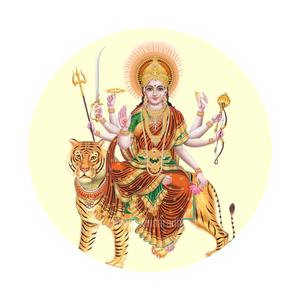
Shri Hinglaj Shaktipeeth is revered as an exceptionally exalted and spiritually vibrant pilgrimage site within the sacred Sanatana Shakti tradition. According to Tantric scriptures and Puranic accounts, it is the holy abode where the Brahmarandhra of Bhagavati Sati fell. Nestled amidst rugged desert mountains, this cave shrine is not only a profound focal point of devotion for seekers of the Divine Mother, but also an enduring emblem of transcendent spiritual consciousness and inner purification.
Introduction
Hinglaj Shaktipeeth is situated in the Lasbela district of Balochistan, within the natural mountain ranges of Hingol National Park. Located approximately 250 kilometres northwest of Karachi near the Makran Coastal Highway, this sacred shrine exists as a natural cave nestled in a narrow mountain gorge along the banks of the holy Hingol (Aghor) River.
The story of the Shaktipeeth
According to sacred tradition, unable to endure the insult directed at her consort Lord Shiva during Daksha Prajapati's grand sacrificial rite, Sati immolated her mortal frame in the fire of yogic absorption. As Lord Shiva traversed the cosmos in profound dispassion bearing her physical form, Lord Vishnu released his Sudarshana Chakra to sever the body into pieces and restore cosmic order. Each sanctified spot where Sati's sacred limbs, garments, and ornaments touched the earth became manifest as an eternal Shaktipeeth.
Sati’s body part or ornament
In accordance with classical Tantric texts and traditional Peetha compilations, it was the Brahmarandhra (the crown of the head) of Bhagavati Sati that fell at Hinglaj. In the path of Yoga and Tantra, the Brahmarandhra corresponds to the Sahasrara Chakra, the gateway to supreme spiritual illumination, imparting incomparable spiritual significance to this holy seat.
The name of the Devi
Here, Adyashakti Bhagavati is venerated in the form of Kottari, also addressed as Hingula or Mahamaya. In Sanskrit, 'Hingula' signifies vermilion (sindoor). Within the sanctum sanctorum, there is no carved idol; rather, the Divine Mother is worshiped in the form of a sacred self-manifest rock (pindi) adorned reverently with vermilion.
Bhairava
At every Shaktipeeth, Lord Shiva presides alongside the Divine Mother in the form of Bhairava as the protector of the sanctum. At the Hinglaj Peetha, Lord Shiva is worshiped as Bhimalochana (Bhimalochana Bhairava).
Religious significance
This sacred Peetha finds venerable mention in scriptural texts such as the Brihannila Tantra, Peetha Nirnaya, and Shiva Charitra:
Brahmarandhram HingulayamBhairavo Bhimalochanah
Kottari Sa MahamayaTriguna Ya Digambari
It is believed that bowing one's head here with pure devotion dissolves deep-seated impurities of the heart, bestowing profound inner peace and spiritual liberation.
Puja and darshan
Before entering the cave of Mother Hinglaj, pilgrims traditionally take a purifying dip in the holy waters of the Aghor River. In the inner sanctum, where an unbroken sacred flame (akhand jyoti) burns beside the holy vermilion-clad pindi, offerings of coconuts, red cloth, and sindoor are reverently made. The rites of worship here remain steeped in profound simplicity and heartfelt devotion.
Major festivals
The most significant religious observance is the annual four-day Hinglaj Mata Tirtha Yatra, celebrated during the month of Chaitra (March–April). During this auspicious period, thousands of devotees travel across demanding terrains to pay homage to the Divine Mother. In addition, special prayers and devotional rituals are observed during both Chaitra and Ashvin Navratri.
History
Since ancient times, this Peetha has been venerated as the beloved Kuldevi by numerous communities, including Kshatriyas, Brahmakshatriyas, Rajputs, Khatris, and Charans. An inspiring facet of the pilgrimage is its harmonious regional tradition; the local Baloch community reverently honors the shrine as 'Bibi Nani' and regards the pilgrimage with deep respect.
How to reach
Hinglaj Shaktipeeth is accessible by road from Karachi along the Makran Coastal Highway (N-10). The overland journey from Karachi takes approximately four to five hours. For international and Indian pilgrims, valid travel documents and requisite religious pilgrimage visas issued by authorities are required.
Darshan timings
Because the shrine is situated within a remote wilderness and desert terrain, darshan is customarily observed during daylight hours, between sunrise and sunset. Pilgrims are advised to complete their prayers and return to designated travel stops before nightfall.
Distinctive traditions
En route to the cave shrine, a visit to Chandragup, an ancient sacred mud volcano, is considered an integral part of the pilgrimage. Before proceeding to the inner sanctuary, devotees ascend Chandragup to offer coconuts, express sincere repentance for worldly shortcomings, and reaffirm their vows of truth and righteousness.
Spiritual message
The journey to Hinglaj Shaktipeeth is not merely an external expedition, but an inner pilgrimage toward self-realization and the dissolution of ego. The sacred fall of Sati's Brahmarandhra reminds the seeker that highest spiritual realization is attained when one transcends worldly attachments through undivided surrender to the Divine.