

Nestled at the base of Mount Kailash, the revered abode of Lord Shiva, the banks of sacred Lake Manasarovar remain an illustrious sanctuary of Sanatana contemplation. Revered as one of the most secluded and sacred among the fifty-one Shaktipeeths, Shri Manas Shaktipeeth rests along the edge of this sublime glacial expanse. Here, the serene embrace of nature evokes the immediate presence of both Bhagavati and Lord Shiva.
Introduction
Shri Manas Shaktipeeth is situated on the sacred banks of Lake Manasarovar in the high Himalayan region of Tibet. Resting at an elevation of approximately 15,000 feet above sea level in close proximity to Mount Kailash, this holy Peetha offers spiritual seekers the twin grace of Lord Shiva and Devi, filling the heart with transcendent tranquility.
The story of the Shaktipeeth
According to sacred tradition, Mata Sati relinquished her life through the inner fire of yogic meditation after witnessing the dishonor shown to her consort, Lord Shiva, at the sacrificial gathering of Prajapati Daksha. Filled with profound sorrow, Lord Shiva carried her physical form across the celestial realms. To preserve cosmic order, Lord Vishnu released the Sudarshana Chakra, dividing her sacred form. Every sacred ground where her limbs and ornaments came to rest became consecrated as a Shaktipeeth.
Sati’s body part or ornament
According to the authoritative Shakta treatise Tantrachudamani, the right hand of Mata Sati fell upon a sanctified stone slab along the banks of Lake Manasarovar. Certain regional recollections and oral traditions also remember this consecrated relic as the left palm of Devi.
The name of the Devi
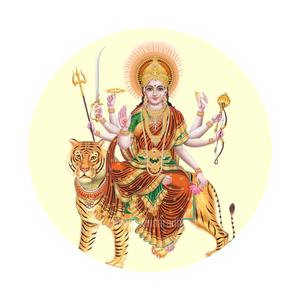
At Manas Shaktipeeth, the presiding Goddess is worshipped as Bhagavati Dakshayani. Denoting her birth as the daughter of Prajapati Daksha, this revered name reflects unswerving devotion, grace, and motherly protection.
Bhairava
In accordance with Shakta traditions, a guardian Bhairava protects each Shaktipeeth. The protector of Manas Shaktipeeth is venerated as Amar, personifying eternal divine consciousness and immortality.
Religious significance
The Valmiki Ramayana records that Lake Manasarovar manifested from the pure resolve and mind of Lord Brahma. Bathing in or partaking of its sacred waters is held to cleanse accumulated karmic impurities across multiple lifetimes. Situated alongside the holy presence of Mount Kailash, this sanctuary is revered as an peerless realm for spiritual austerity, meditation, and seeking Moksha.
Puja and darshan
Unlike conventional Shaktipeeths, there is no enclosed temple sanctum or constructed shrine at this high-altitude location. The sacred stone slab upon the lakeshore and the pure waters of Manasarovar themselves are worshipped as the manifest form of Bhagavati Dakshayani. Pilgrims offer quiet prayers, perform ceremonial sprinkling of the water, and engage in heartfelt japa and dhyana.
Major festivals
Special prayers and spiritual disciplines are observed along the lake during the summer pilgrimage season, particularly on the Purnima of Ashadha and Shravana, Somvati Amavasya, and during the observance of Mahashivratri. When weather allows, devotees light lamps beside the tranquil shoreline, offering reverence to Devi and Mahadeva.
History
The sacred region of Kailash and Manasarovar finds frequent mention across ancient Vedic, Puranic, and Tantric texts. For centuries, wandering ascetics, yogis, and seekers traversed these daunting paths to offer devotion to Bhagavati Dakshayani. In modern times, this holy sanctuary lies within the Tibet Autonomous Region of China.
How to reach
Reaching Manas Shaktipeeth entails journeying through high-altitude international terrain governed by formal regulatory procedures and permits. The Ministry of External Affairs of the Government of India conducts the annual Kailash Manasarovar Yatra during the summer months via the Lipulekh Pass in Uttarakhand and the Nathu La Pass in Sikkim. Authorized pilgrimage tours also reach the region by routes proceeding through Kathmandu, Nepal.
Darshan timings
Because this sanctuary exists openly amidst nature, there are no formal opening or closing hours. Taking prevailing mountain weather conditions into account, pilgrims conduct their prayers, circumambulation, and meditation safely during daylight hours.
Distinctive traditions
Devotional tradition holds that divine beings descend in subtle spiritual form during Brahma Muhurta to take bath in the pristine waters of Manasarovar. Undertaking the circumambulation of the lake and offering prayers at the sacred stone slab is believed to grant inner peace and sublime spiritual merit.
Spiritual message
Shri Manas Shaktipeeth symbolizes the absolute purification of the human mind and the dissolution of worldly ego. Manifested through the pure contemplation of Lord Brahma, this sacred expanse inspires every spiritual seeker to cultivate inner stillness and seek the eternal grace of Bhagavati Dakshayani and Amar Bhairava.