


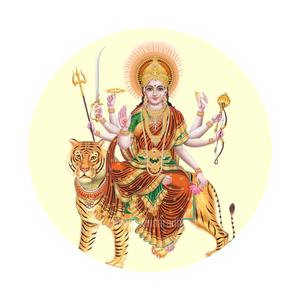
Shri Yashor Shaktipeeth is revered as an exceptionally sacred pilgrimage center among the fifty-one holy Shaktipeethas of Sanatana Dharma. This sacred abode is situated in Ishwaripur village under Shyamnagar Upazila of Satkhira District, within the Khulna Division of present-day Bangladesh, where the Divine Mother presides as Yashoreshwari.
Introduction
Yashor Shaktipeeth is also widely known as the Jeshoreshwari Temple. Historically, this region served as the vital center of the illustrious Jessore kingdom in undivided Bengal. Although it falls within Satkhira District under modern administrative demarcation, it continues to be revered as the sacred Yashor Peetha in traditional scriptures and the hearts of devotees.
The story of the Shaktipeeth
According to sacred Puranic tradition, when Mata Sati gave up her mortal frame in the sacrificial fire of Daksha Prajapati, Lord Shiva, overwhelmed by grief and divine sorrow, traversed the universe carrying her sacred body. To restore cosmic equilibrium and preserve creation, Lord Vishnu used His Sudarshana Chakra to divide Sati’s holy form. The fifty-one places where Bhagavati’s sacred limbs and divine ornaments fell became renowned as the Shaktipeethas.
Sati’s body part or ornament
According to the sacred text Tantra Chudamani, the panipadma, or the palm of Devi Sati, fell upon this sanctified soil. Regional traditions and Bengali Shakta lore specifically honor it as Mata’s left palm (vama hasta). Certain accounts also refer to the sanctified soles of her feet or palms resting here in divine grace.
The name of the Devi
The presiding Goddess here is worshipped by the auspicious name of Yashoreshwari. Yashoreshwari signifies the sovereign divine ruler and protector of Yashor (fame and glory). In the sanctum sanctorum of the shrine, the compassionate and awe-inspiring murti of the Divine Mother offers fearlessness and solace to all who surrender at her feet.
Bhairava
In harmony with the tradition of each Shaktipeetha, Lord Shiva resides here alongside Shakti as the guardian Bhairava. According to classical Peetha texts, the protective Bhairava of Yashor Peetha is Chanda (Chanda Bhairava). While some popular accounts historically referred to Him as Chandra, authentic Tantric texts identify the guardian Bhairava as Chanda.
Religious significance
Yashoreshwari Shaktipeeth holds a prominent place in Tantric sadhana and the Shakta tradition. It is devoutly believed that because Sati’s lotus palm descended here, Bhagavati continually extends Her benevolent hand of divine protection and boon-giving grace to devotees. Spiritual seekers visit this sacred seat seeking inner tranquility, freedom from fear, and spiritual awakening.
Puja and darshan
At the temple, daily worship is conducted following traditional Vedic and Tantric rituals. Devotees offer red vastra, chunari, fresh hibiscus flowers, and naivedya to the Divine Mother, participating with profound devotion in the Aarti. Chanting mantras and engaging in dhyana within the sanctum precinct fills the practitioner’s inner being with boundless spiritual strength.
Major festivals
Shardiya Durga Puja, Vasanti Navratri, and Shyama Puja (Kali Puja) accompanied by the illumination of deepas are celebrated here with immense spiritual fervor. On these sacred occasions, local devotees as well as pilgrims from afar gather to receive the blessings of Mother Yashoreshwari.
History
The history of this pilgrimage is woven from both sacred folklore and documented historical accounts. According to popular tradition, in the 13th century, a pious Brahmin observed a divine beam of light in this forest area, which led to the commencement of worship here. In the late 16th century, Maharaja Pratapaditya, the renowned Baro-Bhuiyan ruler of Bengal, established Ishwaripur as his capital, extensively renovated the temple, and worshipped the Devi as his lineage guardian. The historic Natmandir within the temple premises stands as a testament to that era of royal devotion.
How to reach
Yashor Shaktipeeth is situated in Ishwaripur village, Shyamnagar Upazila of Satkhira District, Bangladesh. Pilgrims traveling from India can reach Satkhira via the Ghojadanga-Bhomra border or the Petrapole-Benapole border in West Bengal. Shyamnagar is situated approximately 45 kilometers from Satkhira town, from where Ishwaripur can be accessed using local transport. Regular bus services are also available from Dhaka to Khulna or Satkhira.
Darshan timings
On ordinary days, morning darshan is generally available from around 8:00 AM to 2:00 PM, and evening darshan takes place from 4:00 PM to 8:00 PM. During major festivals like Durga Puja and Kali Puja, darshan hours are usually extended in accordance with local arrangements.
Distinctive traditions
Devotees hold an unshakable conviction that heartfelt prayers offered before Maa Yashoreshwari never go unfulfilled. It is believed that through the auspicious power of the Mother’s holy palm, those who surrender to Her grace are blessed with protection from life’s afflictions and sudden adversities.
Spiritual message
Yashor Shaktipeeth reminds us that the maternal grace of the Supreme Divine is all-pervading and benevolent. The reassuring lotus palm of the Mother provides steadfast strength and guides every soul towards liberation when ego is surrendered in complete devotion.