


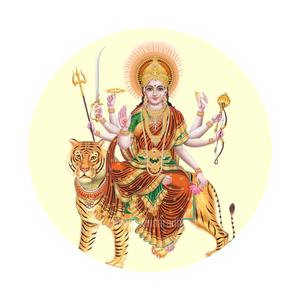
Shri Virat Shaktipeeth is revered as an exceptionally sacred and historical pilgrimage among the 51 holy Shaktipeeths of Bhagavati Adishakti. Nestled amid the picturesque Aravalli ranges of Rajasthan, this divine abode has remained an enduring center of faith for Devi devotees and spiritual seekers for centuries.
Introduction
Virat Shaktipeeth is situated in the historic Viratnagar region (ancient Bairat) of Rajasthan. Renowned for its heritage and scenic natural surroundings, this sacred realm is sanctified by the presence of Bhagavati Jagadamba as Maa Ambika. Devotees seek Her graceful presence to find solace, inner peace, and relief from life’s tribulations.
The story of the Shaktipeeth
According to sacred tradition, Mata Sati could not bear the dishonour shown to Her divine consort, Lord Shiva, at the sacrificial arena of Prajapati Daksha, and relinquished Her mortal form through the fire of Yogagni. When an inconsolable Lord Shiva traversed the cosmos holding Her sacred form in profound detachment, Lord Vishnu released His Sudarshana Chakra to divide the sacred body into parts and ornaments, preserving the balance of creation. The sacred spots where these relics fell became venerated as divine Shaktipeeths.
Sati’s body part or ornament
According to the sacred Shakta text Tantra Chudamani, the toes of Mata Sati’s feet (Padanguli) fell in the holy region of Virat. Sanctified by this divine touch of Her holy feet, this entire land is considered exceedingly meritorious for pilgrimage and spiritual contemplation.
The name of the Devi
At this Shaktipeeth, the presiding Goddess is worshipped as Maa Ambika. Maa Ambika embodies the boundless love, protective grace, and maternal warmth of the Universal Mother. She listens to the prayers of sincere seekers, guiding them along the righteous paths of Dharma, Artha, Kama, and Moksha.
Bhairava
At every Shaktipeeth, Lord Shiva presides as a divine guardian in a specific Bhairava form. At Virat Shaktipeeth, Lord Shiva is worshipped as Amrita or Amriteshwar Bhairava. Devotional tradition holds that paying homage to Bhairava alongside Shakti brings wholeness and fulfillment to spiritual practice.
Religious significance
Within the Shakta tradition, this Peetha holds deep spiritual reverence. Because the divine toes of Mata Sati sanctified this ground, touching the earth and offering reverence here is considered spiritually uplifting. Heartfelt devotion at this shrine blesses seekers with spiritual fortitude, freedom from fear, and the gift of selfless Bhakti.
Puja and darshan
Regular Aarti and traditional worship rituals are conducted at the temple during morning and evening hours. Devotees offer Chunari, fresh flowers, fruits, and Naivedya while meditating upon the lotus feet of Maa Ambika. The quiet hillside atmosphere provides a naturally peaceful setting for Japa and quiet contemplation.
Major festivals
Special worship ceremonies and recitations are conducted during both the Chaitra and Ashvin Navratri festivals. During these nine sacred days, pilgrims arrive from distant regions to seek the blessings of the Mother. Special devotional celebrations also take place during Maha Shivratri and other traditional auspicious observances.
History
The history of Viratnagar traces back to the ancient Matsya Mahajanapada celebrated in the Mahabharata. Tradition recounts that the Pandavas spent their period of exile in disguise (Agyatvas) in this historic kingdom of Virat. The presence of rock edicts of Mauryan Emperor Ashoka and ancient Buddhist remains further bears witness to the deep antiquity and continuous cultural heritage of this sacred landscape.
How to reach
Viratnagar is well connected via National Highway 248A from both Jaipur and Alwar. It lies approximately 25 to 28 kilometers from Shahpura. The distance from Jaipur to Viratnagar is around 88 kilometers, while Alwar is roughly 65 kilometers away. The nearest major railway stations and airport are located in Jaipur, offering convenient road connections by taxi or state transport buses.
Darshan timings
The temple sanctum generally remains open from sunrise to sunset. Attending the morning and evening Aarti is regarded as especially uplifting. Temple darshan hours are usually extended during Navratri and major festival occasions to accommodate visiting devotees.
Distinctive traditions
Local tradition venerates Maa Ambika as a compassionate, protective motherly deity. Families and pilgrims visit to pray for domestic harmony, the well-being of children, and the peaceful resolution of life’s hardships. Sincere prayers offered with a clean heart are believed never to go unfulfilled in the Mother’s presence.
Spiritual message
Shri Virat Shaktipeeth conveys an enduring message of deep surrender and unwavering faith in the Divine Mother. This sacred threshold reminds every spiritual seeker that taking refuge in the divine energy of Bhagavati dissolves personal ego, awakening pure love, clarity, and inner peace in the human heart.