


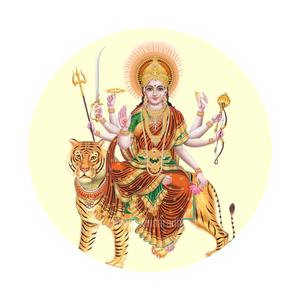
Shri Sugandha Shaktipeeth is revered as one of the sacred fifty-one Shaktipeeths in Sanatana Dharma. According to traditional Tantric texts, every sacred spot where the limbs and ornaments of Mata Sati descended became an awakened seat of Shakti. Situated along the banks of the sacred Sugandha river in modern-day Bangladesh, this holy tirtha remains an enduring center of faith and devotion for seekers of Bhagavati.
Introduction
Sugandha Shaktipeeth is situated in the village of Shikarpur within the Barisal district of southern Bangladesh. The sanctum graces the banks of the Sugandha (also locally known as Sandhya) river. In regional traditions, this sacred shrine is also reverently called Shikarpur Tarabari or the Ugratara Temple, where devotees experience the loving grace and maternal refuge of the Mother Goddess.
The story of the Shaktipeeth
According to Puranic tradition, Mata Sati relinquished Her mortal form through yogic fire after being deeply grieved by the dishonor shown to Her consort, Lord Shiva, at the sacrificial arena of Prajapati Daksha. When a grief-stricken Lord Shiva wandered across the cosmos carrying Her sacred form, Lord Vishnu released His Sudarshana Chakra to divide Her body into sacred portions for the preservation and cosmic balance of the universe. The revered spots where Her divine limbs and adornments came to rest became consecrated as eternal Shaktipeeths.
Sati’s body part or ornament
In classical texts such as the Tantrachudamani and Peethanirnaya Tantra, it is recorded that the nose (Nasika) of Jagadamba Sati fell at the holy region of Sugandha. In spiritual symbolism, the nose represents Prana—the life-breath and vital conscious force. Consequently, this Peetha is venerated as a sacred source of spiritual vitality and awakened consciousness.
The name of the Devi
The presiding Goddess enshrined at Sugandha Shaktipeeth is classically known as Devi Sunanda or Sundari. In regional Shakta and Tantric devotion, She is also lovingly worshipped in the powerful form of Mahavidya Ugratara. Within the sanctum sanctorum, the Mother is represented in a consecrated black stone murti that dispels suffering and bestows peace upon Her devotees.
Bhairava
In the sacred Shakta tradition, each Shaktipeeth is eternally guarded by a manifestation of Lord Shiva as Bhairava. The Bhairava of Sugandha Shaktipeeth is Lord Tryambaka. The principal revered shrine dedicated to Lord Tryambaka Bhairava is situated across the Sugandha river in the nearby village of Ponabalia in Jhalokati district.
Religious significance
Sugandha Shaktipeeth holds a prominent place in the heritage of Bengal's Shakta and Tantric traditions. Devotional contemplation of Devi Sunanda and Lord Tryambaka Bhairava is believed to remove inner fear, confer mental clarity, and grant spiritual energy. Spiritual aspirants visit this sanctum seeking inner purification and the boundless compassion of Tara Mahavidya.
Puja and darshan
Daily worship in the temple is conducted following both Vedic and traditional Tantric rites. Devotees offer vermilion, red flowers, fresh fruits, and sweet prasad to Bhagavati. According to longstanding pilgrimage custom, a visit to Sugandha Peetha is traditionally completed by crossing to Ponabalia to offer prayers and abhishekam at the Shiva Lingam of Lord Tryambaka Bhairava.
Major festivals
The grandest annual celebration at the temple takes place on Shiva Chaturdashi (Maha Shivaratri) during the month of Phalguna, which draws pilgrims from across the region for an auspicious annual religious fair. Additionally, Chaitra Navratri, Sharadiya Navratri, and Deepavali are observed with deep reverence through special pujas, recitation, and offering of lamps.
History
Sugandha Shaktipeeth finds respectful mention in medieval Shakta literature, notably in the eighteenth-century masterwork 'Annadamangal' composed by the poet Bharatchandra Ray. Shakta traditions have maintained deep cultural and spiritual roots in this riverine region for centuries. The shrine has witnessed faithful preservation and restoration by local devotees and patronage across generations.
How to reach
Pilgrims traveling from India can reach Barisal via Dhaka or Khulna with valid travel documents and visas. Barisal is well connected to Dhaka by road via the Padma Bridge, as well as through traditional river steamer and launch services. From Barisal town, Shikarpur village is located roughly 20 to 21 kilometers to the north and can be easily reached by local buses or hired vehicles.
Darshan timings
Situated in a peaceful rural environment, the temple maintains traditional timings centered around morning and evening worship. The shrine generally opens in the early morning for morning prayers and Aarti, remaining accessible until noon. The sanctum reopens in the late afternoon for evening darshan and Sandhya Aarti.
Distinctive traditions
It is a revered local faith that taking a holy bath in the Sugandha river followed by sincere prayer to Devi Sunanda and Lord Tryambaka Bhairava cleanses impurities of mind and heart. Because the Peetha represents the falling of Mata Sati's nose, it is traditionally regarded as a sanctified haven for the rejuvenation of life energy, wellness, and vitality.
Spiritual message
Sugandha Shaktipeeth imparts the profound spiritual truth that beyond the transient nature of worldly existence dwells the eternal consciousness of Bhagavati. When a devotee surrenders with pure devotion and selfless faith at the lotus feet of Devi Sunanda, the divine fragrance of spiritual awareness, peace, and harmony naturally blossoms in life.