

In Sanatana Dharma, the 51 Shaktipeethas are regarded as deeply sacred sanctuaries of divine presence. According to classical Shakta treatises, the Lanka Shaktipeeth located on the island of Lanka is an exalted center of Bhagavati’s boundless grace and spiritual sadhana.
Introduction
The Pithanirnaya, preserved within the Tantrachudamani, records Lanka Shaktipeeth as a significant pilgrimage site among the 51 sacred Peethas. It is celebrated as the holy spot where the divine ornament of Mata Sati fell.
The story of the Shaktipeeth
According to sacred Puranic lore, Mata Sati relinquished Her physical body through yogic fire after being deeply grieved by the disrespect shown to Her consort, Lord Shiva, at the sacrificial arena of Prajapati Daksha. As Lord Shiva wandered across the universe bearing Sati’s sacred form in profound sorrow, Lord Vishnu released His Sudarshana Chakra to divide Her divine limbs and adornments to preserve cosmic order. The sacred sanctuaries where these divine remnants descended became known as Shaktipeethas.
Sati’s body part or ornament
According to the Pithanirnaya text, the nupur (anklet) of Mata Sati fell in Lanka. The traditional Tantric verse explicitly attests: ‘Lankayam nupuranchaiva...’
The name of the Devi
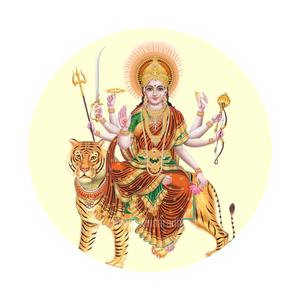
The presiding Devi of this Shaktipeeth is venerated as Mata Indrakshi. Devotional tradition recounts that in ancient ages, Devraj Indra worshipped this compassionate form of Bhagavati to overcome adversity and attain Her grace.
Bhairava
The guardian Bhairava consecrated at this Peetha is known as Rakshaseshvara. He protects seekers and devotees from spiritual hurdles, inner fear, and negative afflictions.
Religious significance
In Shakta worship, the descent of the anklet symbolizes movement, auspicious footsteps, and the abiding grace of Bhagavati’s feet. Commemorating Devi Indrakshi along with Bhairava Rakshaseshvara grants mental tranquility, protective shelter, and steadfast inner strength to the spiritual seeker.
Puja and darshan
Devotees worship the Divine Mother here as Mahashakti. Offerings of kumkum, fragrant red flowers, akshata, and lighted lamps are lovingly made before Bhagavati as pilgrims seek Her blessings for selfless Bhakti, peace, and spiritual upliftment.
Major festivals
The Peetha witnesses heartfelt celebrations during both Chaitra and Sharadiya Navratri, as well as on Mahashivratri and Purnima observances. During these auspicious days, devotees recite hymns praising the Devi and chant sacred verses dedicated to Bhairava.
History
Ancient Tantric texts refer broadly to the sacred realm of the island of Lanka, rather than describing a specific modern temple compound. In contemporary pilgrimage practice, devotees revere the Nainativu Nagapooshani Amman Temple in northern Sri Lanka and the sacred precincts of Shankari Devi at Swami Rock in Trincomalee as premier sanctuaries honoring this ancient Shakta legacy.
How to reach
Rail and road connections are readily available across Sri Lanka from Colombo International Airport. Pilgrims traveling toward Jaffna can reach the sacred island of Nainativu by regular ferry services, while Trincomalee can be reached comfortably by train or road.
Darshan timings
At the Nainativu temple, regular darshan is typically open from 06:30 AM to 01:00 PM and from 04:00 PM to 06:00 PM. In the sacred area of Trincomalee, darshan is generally available from 06:00 AM to 01:00 PM and from 04:00 PM to 07:00 PM.
Distinctive traditions
Tradition holds that the Devi attained the holy name Indrakshi because She was worshipped by Devraj Indra. Alongside this, the Ashta Dasha Maha Shaktipeeth tradition composed by Jagadguru Adi Shankaracharya honors Lanka as the revered abode of Bhagavati Shankari.
Spiritual message
The sacred anklet of Mata Sati inspires seekers to walk steadfastly on the path of Dharma, devotion, and truth. Surrendering at the lotus feet of Mata Indrakshi removes the afflictions of the mind and illuminates the heart with pure spiritual wisdom.