


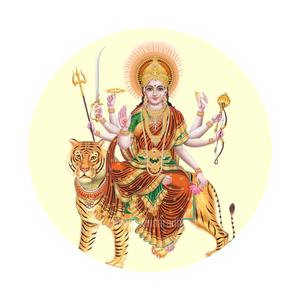
Panch Sagar Shaktipeeth, also written as Panchasagar or Panchasagara, is a sacred Peetha associated with Maa Varahi and Bhairava Maharudra. Tradition connects it with the fall of Sati’s lower teeth. Its present-day geographical location is not universally agreed upon.
Introduction
Panch Sagar is remembered in traditional lists of Shaktipeethas. Some descriptions identify it with a Varahi shrine in Varanasi, but that local identification cannot be treated as a universally accepted historical conclusion.
This article distinguishes the Peetha’s religious identity from travel information about a present-day shrine, helping devotees retain their faith while confirming the place they intend to visit.
The story of the Shaktipeeth
In the familiar narrative, Lord Shiva, overcome by grief after the Daksha Yajna, carries Sati’s body. Lord Vishnu’s Sudarshan Chakra separates its parts, and the places where they fall are honoured as sacred seats of Devi worship.
Panch Sagar’s sacred identity is understood through this story. Its devotional significance does not, by itself, establish the exact address of a modern town or temple.
Sati’s body part or ornament
Panch Sagar is associated with Adhodanta, described as a lower tooth or the lower teeth. Both singular and plural forms occur in common accounts. The principal tradition does not identify it with an ornament.
The name of the Devi
The Devi of this Peetha is Maa Varahi. Spellings such as Varahi and Barahi also appear; a difference in spelling does not necessarily indicate a different Goddess. Varahi worship belongs to the Shakta tradition.
Bhairava
The customary name of Panch Sagar’s Bhairava is Maharudra. This describes the traditional pairing of the Peetha; it does not prove that every Varahi temple contains a separate image of Maharudra.
Religious significance
Remembering Maa Varahi can encourage faith, patience and inner strength. The Panch Sagar tradition invites remembrance of the Devi together with Bhairava. Worship should not be treated as a compulsory guarantee of a particular benefit or freedom from fear.
Puja and darshan
If you wish to visit a Varahi temple in Varanasi, first confirm its address and local darshan arrangements. Pray quietly, follow the queue and do not touch the sanctum or ritual objects without permission.
Rules concerning specialised practice, Diksha or temple services may differ. No particular Tantric ritual is being described here as a requirement for ordinary darshan.
Major festivals
Navratri is a major season of Devi worship. A dependable, fixed annual festival calendar for a present-day shrine associated with Panch Sagar has not been verified; ask the local temple about special celebrations and Puja schedules.
History
Panch Sagar’s Peetha tradition and the institutional history of a Varahi temple are different subjects. A definite construction date, founder or ancient location should not be stated without sufficient evidence.
Useful references include a Peetha Nirnaya-based list for its traditional identity and a Panchasagara reference entry for the location dispute. These descriptions are not treated as conclusive historical proof.
How to reach
Because Panch Sagar has no universally agreed modern location, one route cannot responsibly be prescribed for every pilgrim. First identify the shrine you intend to visit.
Devotees travelling on the basis of the local Varanasi identification should confirm the temple’s address, final walking route and entry arrangements after reaching the city. Information about Shri Vishalakshi Shaktipeeth may also be useful for a Kashi pilgrimage.
Darshan timings
There is no verified, universal darshan schedule for Panch Sagar. Presenting the hours of one local Varahi shrine as the fixed schedule of the entire Peetha would be misleading. Confirm the day’s darshan arrangements with authorised staff at the temple you plan to visit. Information reviewed: 7 October 2026.
Distinctive traditions
The association of Adhodanta, Varahi and Maharudra is central to this Peetha’s tradition. Devotees can remember the Goddess with reverence even where location identifications differ. Unverified GPS coordinates or a definitive temple address should not be supplied for a disputed site.
Spiritual message
Discernment and humility can accompany Bhakti for Maa Varahi. Acknowledging incomplete knowledge does not diminish reverence. To explore another Peetha tradition, read about Jwalamukhi Shaktipeeth.