

Situated along the sacred banks of the life-giving River Godavari in Southern India, the Godavari Tat Shaktipeeth holds a profound place of faith and adoration in the Sanatana tradition.
Introduction
The Godavari Tat Shaktipeeth is revered among the sacred 51 Shaktipeethas. This holy region is deeply associated with the banks of the sacred Godavari in Andhra Pradesh, specifically encompassing ancient Kubbooru (modern-day Kovvur in West Godavari district) and the historical city of Rajamahendravaram (Rajahmundry) facing it across the river, centered around the revered Kotilingeshwara kshetra.
The story of the Shaktipeeth
According to sacred Puranic lore, when Mata Sati renounced her physical form during the sacrificial yajna of Prajapati Daksha, an aggrieved Lord Shiva traversed the cosmos carrying her sacred body. To restore cosmic harmony and sustain creation, Lord Vishnu released His Sudarshana Chakra, dividing Devi Sati’s holy body into sacred parts. Wherever these divine limbs and sacred ornaments sanctified the earth, holy Shaktipeethas were established.
Sati’s body part or ornament
As recounted in scriptural treatises and Tantric texts, the Vama Ganda—the left cheek—of Mata Sati fell upon the sanctified banks of the River Godavari. Consequently, this sacred pilgrimage is also revered as the Vama Kapola Peetha.
The name of the Devi
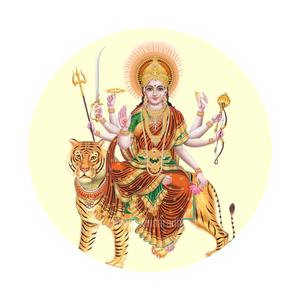
In the authoritative Peethanirnaya Tantra, the presiding deity of this Shaktipeeth is extolled as Vishweshi (also addressed as Vishweshwari or Vishwamatrika). In certain regional hymn traditions and stotras, Bhagavati is also lovingly remembered by the names Rukmini or Rakini.
Bhairava
The guardian Bhairava presiding over the Godavari Tat Peetha is Dandapani. In alternative scriptural enumerations, the protective Bhairava manifestation is also mentioned as Vatsanabha.
Religious significance
The River Godavari is affectionately worshipped as the Dakshina Ganga and Gautami. Sanctified by the severe austerities of Maharshi Gautama, this riverbank unites the dual presence of Shiva and Shakti. Worshipping here is believed to grant devotees deep inner peace, liberation from afflictions, and the grace of Moksha.
Puja and darshan
Pilgrims initiate their worship with a holy dip in the sacred waters of the Godavari before invoking Devi Vishweshi and Lord Dandapani. At the Sri Uma Kotilingeswara Swamy Temple situated on the Kotilingala Ghat in Rajahmundry, as well as the Goshpada Kshetra in Kovvur, regular Shodashopachara Puja, Chandi Patha, and Rudrabhisheka are devoutly conducted.
Major festivals
The pilgrimage region celebrates Sharadiya Navratri, Vasantik Navratri, Mahashivratri, and Kartika Purnima with great fervor. The grandest celebration occurs during the Godavari Pushkaram, held once every twelve years, drawing millions of seekers to bathe and pray on these sacred shores.
History
Historically, Rajamahendravaram served as an illustrious seat of power under the Eastern Chalukyas and the Vema Reddy dynasty. For centuries, the temples gracing both banks of the Godavari at Kovvur and Rajahmundry have stood as enduring centers of Shakta devotion and Shaiva sadhana.
How to reach
The sacred pilgrimage is conveniently accessible by rail, road, and air:
By Rail: Rajahmundry (Rajamahendravaram) and Kovvur railway stations have direct rail connections to major cities across India.
By Road: State and private transport services provide regular connectivity from Vijayawada, Visakhapatnam, and Hyderabad.
By Air: Rajahmundry Airport (Madhurapudi) serves as the closest domestic terminal with regular flights to regional hubs.
Darshan timings
Temples across the Kotilingeswara and riverfront kshetras are generally open for darshan from 6:00 AM to 12:00 PM in the morning, and from 4:00 PM to 8:00 PM in the evening. Hours are often extended during major festivals and auspicious occasions.
Distinctive traditions
According to longstanding local belief, offering prayers to Devi Vishweshi and Dandapani Bhairava following a ritual snana in the Godavari helps alleviate speech impediments and bestows spiritual clarity and radiance upon seekers.
Spiritual message
The Godavari Tat Shaktipeeth delivers a profound message: just as a sacred river flows uninterruptedly until it merges into the vast ocean, human consciousness must flow ceaselessly through devotion, wisdom, and Dharma to realize its oneness with the Supreme Divine.