

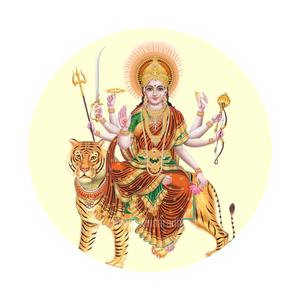
Suchindram Shaktipeeth is a sacred pilgrimage site located near Kanyakumari in the southern state of Tamil Nadu, India. According to Tantric texts and Puranic traditions, the upper teeth of Devi Sati fell on this holy land. Here, the presiding Mahashakti is revered as Narayani, and Her guardian Bhairava is worshipped in the form of Samhara.
Introduction
The sacred town of Suchindram is situated between Nagercoil and Kanyakumari in the Kanyakumari district of Tamil Nadu. This holy region is renowned across India for the historic Thanumalayan Swamy Temple, where the Trimurti—Lord Brahma, Lord Vishnu, and Lord Shiva—are enshrined in a unified single form.
In ancient times, this blessed realm was also known as ‘Jnanavanam’. Embodying a harmonious synthesis of Shakta and Shaiva traditions, this pilgrimage center stands as one of the prominent spiritual sanctuaries of South India.
Story of the Shakti Peetha
According to the Puranic tradition, when Mata Sati gave up her life during the yajna of Prajapati Daksha, Lord Shiva was overwhelmed with grief. Carrying her mortal body, he wandered across the cosmos in deep sorrow.
To protect creation from destruction and bring an end to Mahadeva’s grief, Lord Vishnu used his Sudarshan Chakra to separate the body of Mata Sati. It is traditionally believed that the sacred places where the body parts or ornaments of Devi Sati fell later came to be known as Shakti Peethas.
The Legend of Kanyakumari and Banasura
A well-known Puranic legend associated with Kanyakumari concerns the asura Banasura. According to tradition, Banasura performed severe tapasya and received a boon from Lord Shiva that no one except an unmarried maiden would be able to kill him. Empowered by this boon, he became extremely powerful and arrogant and even defeated the Devas. Unable to endure his oppression, the Devas sought the guidance of Lord Vishnu.
On Lord Vishnu’s advice, the Devas performed a great yajna, from which Bhagavati Durga manifested in the form of a divine maiden. The Devi then undertook intense tapasya on the southern seashore with the desire to obtain Lord Shiva as her husband. Pleased with her devotion, Lord Shiva agreed to marry her.
The Devas, however, became concerned that if the Devi married Lord Shiva, she would no longer remain an unmarried maiden and the purpose of Banasura’s destruction could not be fulfilled. According to the traditional account, Devarshi Narada devised a plan that prevented Lord Shiva from reaching the wedding at the appointed auspicious time, and the marriage muhurta passed.
Lord Shiva thereafter became established at Suchindram in the form of Sthanu, while the Devi resumed her tapasya. For this reason, she is worshipped as Kanyakumari, the eternal maiden. Tradition holds that she continues to remain in this form, absorbed in penance.
Meanwhile, after hearing of the extraordinary beauty and divine radiance of the Devi, Banasura approached her with a proposal of marriage. The Devi rejected his proposal, leading to a fierce battle between them. Ultimately, Bhagavati slew Banasura and freed the Devas and the world from his oppression.
Sati’s body part or ornament
According to the Peetha Nirnaya text of the Tantra Chudamani, the upper teeth (Urdhvadanta) of Mata Sati fell at the holy shrine of Suchindram.
Due to the descent of the divine teeth, this sacred Peetha is believed to purify speech, cultivate truthfulness, and dissolve inner impurities and mental afflictions.
The name of the Devi
The supreme Mahashakti enshrined here is venerated by the name Narayani. This divine form of Bhagavati is the nurturing mother of the cosmos, bestowing grace, compassion, and affectionate protection upon Her devotees.
In local temple traditions, Devi Bhagavati is also lovingly addressed as ‘Aram Valartha Nayaki’, the protector of Dharma and the guardian mother who nurtures righteousness.
Bhairava
At Suchindram Shaktipeeth, the guardian Bhairava who protects the Peetha is worshipped as Samhara Bhairava (also referred to in some texts as Sankura Bhairava).
The Samhara form of Bhairava signifies the dissolution of ignorance, fear, ego, and Tamoguna. By removing spiritual obstacles, He safeguards the sadhana of devotees and guides them forward on the spiritual path.
Religious significance
The sanctity of Suchindram is uniquely elevated by the joint presence of the Trimurti and Mahashakti. The divine spiritual currents of this Shaktipeeth bring tranquility and profound concentration to the seeker’s mind.
It is traditionally believed that sincere prayers offered here dispel inner turmoil, granting seekers purity of speech, moral strength, and spiritual resolve.
Puja and darshan
Inside the Thanumalayan Temple complex at Suchindram, the daily worship of Devi and the Trimurti is performed with deep devotion following Vedic and Agamic rites, including Shodashopachara Puja.
Devotees light oil lamps and offer kumkum and fresh flowers at the feet of Mata Narayani. Meditating and chanting the divine names in the quiet sanctum of the temple is regarded as deeply meritorious.
Major festivals
Sharadiya Navratri and Chaitra Navratri are celebrated here with immense fervor and devotion. During these holy days, Bhagavati is adorned in exquisite golden ornaments and elaborate alankaram.
In addition, the ten-day Margazhi Brahmotsavam held in the month of Margashirsha (December–January), Maha Shivaratri, and Chaitra Purnima are the foremost festivals celebrated with grandeur at this shrine.
History
The present Thanumalayan Temple at Suchindram stands as a magnificent marvel of Dravidian architecture. It was constructed and expanded across centuries under the patronage of the Chola, Chera, Pandya, and Travancore royal dynasties.
The famed musical stone pillars and the colossal eighteen-foot monolithic statue of Veera Hanuman are treasured historical and architectural wonders that inspire awe among pilgrims.
How to reach
By Air: The nearest airport is Thiruvananthapuram (Trivandrum) International Airport, situated approximately 75 km away. Taxis and buses are readily available from Trivandrum to Suchindram.
By Rail: The nearest major railway stations are Nagercoil Junction (about 7 km away) and Kanyakumari (about 13 km away), both well connected to major cities across India.
By Road: Suchindram is located on the Kanyakumari-Nagercoil National Highway. Tamil Nadu state transport buses, local buses, and private taxis ply regularly along this route.
Darshan timings
According to local temple administration and district records, the doors of the Suchindram Thanumalayan Swamy Temple open daily for devotees in two distinct sessions:
Morning Darshan: 4:30 AM to 11:30 AM.
Evening Darshan: 5:00 PM to 8:30 PM.
The inner sanctum remains closed during the afternoon hours. Timings may be extended or adjusted on special festival days and auspicious occasions.
Distinctive traditions
According to Puranic tradition, Indra, the king of the Devas, performed penance here to Lord Shiva to seek redemption from the curse of Sage Gautama. Having regained his ritual purity (‘Shuchi’) at this place, the pilgrimage site came to be known as ‘Suchindram’.
According to another enduring belief, Lord Indra arrives invisibly every night after the temple doors close to perform the sacred midnight Ardha Jama Puja to the Lord.
Spiritual message
Suchindram Shaktipeeth conveys the timeless truth that no matter what errors or impurities one may gather, genuine repentance, devotion, and tapas can restore purity to the inner soul.
Taking refuge at the feet of Mata Narayani subdues spiritual pride and opens the devotee’s heart to divine illumination and eternal grace.