


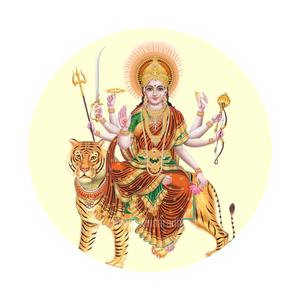
Situated in the sacred town of Jajpur in Odisha, near the holy Vaitarani River, Maa Viraja Shaktipeeth is one of the most ancient and revered centres of Shakti worship in Sanatana Dharma. This sacred region is traditionally known as Viraja Kshetra and Nabhi Gaya. Here, Jagajjanani Bhagavati is worshipped in a rare two-armed Mahishasuramardini form.
Introduction
Maa Viraja Shaktipeeth is located in Jajpur district of Odisha. Ancient religious tradition identifies Jajpur as Viraja Kshetra, an important centre of Devi worship. The temple is regarded as one of the prominent Shaktipeeths, and the sacred Nabhi Gaya within the temple complex is especially renowned for Shraddha, Tarpan and Pinda Daan performed for one's ancestors.
Jajpur has remained an important centre of Shakti worship since ancient times. The sacred Vaitarani River, Maa Viraja and numerous ancient shrines associated with this region further enhance its spiritual importance.
The Story of the Shaktipeeth
According to sacred tradition, when Devi Sati relinquished Her mortal body during Daksha Yajna, grief-stricken Lord Shiva wandered carrying Her sacred form. To preserve the cosmic order, Lord Vishnu used His Sudarshana Chakra to divide the mortal body of Devi Sati. The sacred places where Her limbs or ornaments fell later became revered as Shaktipeeths.
Sati's Body Part or Ornament
According to the widely followed Shaktipeeth tradition, the navel or Nabhi of Devi Sati is believed to have fallen in this sacred region. For this reason, Jajpur is revered as Nabhi Peetha and Nabhi Gaya.
A well-known verse associated with the Shaktipeeth of Utkala states—
Utkale Nabhideshas Tu Virajakshetram Uchyate.
Vimala Sa Mahadevi Jagannathas Tu Bhairavah.
The Name of the Devi
The presiding Goddess is worshipped here as Maa Viraja, also known as Maa Biraja. The name 'Viraja' conveys the idea of a divine Shakti who is beyond Rajas, impurity and worldly afflictions, representing spiritual purity and transcendence.
Maa Viraja is worshipped as a manifestation of Durga and Mahishasuramardini. The identity of Jajpur has been so deeply associated with the Goddess that the entire sacred region has traditionally been known as Viraja Kshetra.
Bhairava
In several traditional lists of Shaktipeeths, Lord Jagannath is remembered as the Bhairava associated with the Nabhi Peetha of Utkala. The traditional verse describing the Peetha explicitly states, "Jagannathas Tu Bhairavah" — Lord Jagannath is the Bhairava.
However, local traditions of Jajpur also accord great importance to other Shaiva and Vaishnava forms associated with the sacred region. Therefore, descriptions of the Bhairava should be understood in the context of the differing traditions concerning Viraja Kshetra and the Vimala-Purushottama tradition of Puri.
Viraja, Vimala and the Utkala Peetha Tradition
Different scriptures and traditional lists preserve varying identifications of the Nabhi Shaktipeeth of Utkala. One prominent tradition identifies Maa Viraja of Jajpur with the sacred Nabhi Peetha where the navel of Devi Sati is believed to have fallen.
Another tradition associates the Shakti of Utkala or Purushottama Kshetra with Maa Vimala, whose temple is situated within the Shri Jagannath Temple complex at Puri, with Lord Jagannath revered as Her Bhairava.
In some traditional lists of 108 Shaktipeeths, the name Viraja does not appear separately; instead, Purushottama Peetha is mentioned with Vimala as its Shakti—
Gangayam Mangala Nama Vimala Purushottame.
Another textual reading expresses the same tradition as—
Gangayam Mangala Prokta Vimala Purushottame.
For this reason, traditional descriptions of Viraja Kshetra and Vimala-Purushottama Kshetra sometimes overlap in Shaktipeeth literature. However, Maa Viraja at Jajpur and Maa Vimala within the Shri Jagannath Temple complex at Puri are physically distinct temples situated at different locations. Both hold their own sacred place within regional and scriptural traditions.
Religious Significance
Viraja Kshetra is revered not only as an important centre of Shakti worship but also as a sacred destination for ancestral rites and prayers for spiritual liberation. The Nabhi Gaya tradition of Jajpur is especially associated with Shraddha, Tarpan and Pinda Daan.
According to sacred belief, performing these rites here with devotion brings peace and spiritual merit to one's ancestors. The Brahma Purana also preserves traditions concerning Viraja Kshetra and the religious merit associated with worship and ancestral offerings in this sacred region.
Significance of Nabhi Gaya
Nabhi Gaya at Jajpur is regarded as an especially sacred place for ancestral rites. According to an ancient tradition associated with Gayasura, different portions of his sacred body became connected with different pilgrimage centres, and Jajpur came to be revered as the Nabhi or navel region.
For this reason, devotees from different parts of Bharat visit Jajpur to perform Pinda Daan, Shraddha and Tarpan for their departed ancestors.
Puja and Darshan
Inside the temple, Maa Viraja is enshrined in a rare two-armed Mahishasuramardini form. The distinctive iconography shows the Goddess subduing Mahishasura while holding a weapon in one hand and restraining the demon with the other. This two-armed form of Mahishasuramardini is regarded as highly distinctive.
The Murti of Maa Viraja embodies both divine strength and serenity. Devotees visit the temple from early morning to offer Puja, flowers and prayers and to receive the darshan of Bhagavati.
Major Festivals
Sharadiya Navratri and Durga Puja are among the most important festivals celebrated at Maa Viraja Temple. During this sacred period, the renowned Ratha Yatra of Maa Viraja is organised.
A representative form of the Goddess is taken in procession upon the sacred chariot known as Simhadhwaja during the nine days of the festival. The Ratha Yatra is one of the most distinctive traditions associated with the temple. Odisha Tourism also identifies this nine-day Biraja Ratha Jatra during Durga Puja as one of the shrine's principal celebrations.
Chaitra Navratri and other festivals dedicated to Devi are also observed with devotion, while the Nabhi Gaya area attracts a large number of devotees for ancestral rites, particularly during periods traditionally associated with Shraddha.
History
Viraja Kshetra is an ancient pilgrimage centre. The Vana Parva of the Mahabharata preserves references to Viraja as a sacred pilgrimage destination associated with the Vaitarani region. Odisha Tourism also records that Biraja Kshetra finds mention in the Sanskrit Mahabharata.
The Brahma Purana and other sacred traditions also describe the religious importance of Viraja Kshetra. According to traditional accounts, Lord Brahma performed a great Yajna in this sacred region, and the manifestation of Maa Viraja is connected with this divine sacrifice.
Viraje Viraja Mata Brahmani Sampratishthita.
Yasyah Sandarshanan Martyah Punaty Asaptamam Kulam.
Historically, Jajpur was also an important political, cultural and religious centre of ancient Odisha. The region flourished under the Bhaumakara and Somavamshi rulers, both of whom played significant roles in the religious history of Odisha.
According to Odisha Tourism, the present temple tradition is associated particularly with the Somavamshi period, with the temple being constructed during the 11th century CE. After later destruction, the temple was reconstructed in the first half of the 19th century by Sudarshan Mohapatra.
Viraja Kshetra in Ancient Scriptures
The sanctity of Viraja is not limited to local tradition. References connected with Viraja, Utkala and the sacred region of Odisha occur in the Mahabharata, the Brahma Purana and various Tantric traditions.
The Kalika Purana preserves a Peetha tradition connected with the ancient Odra or Audra region, an old geographical name associated with Odisha. This reflects the long-standing importance of the region in Shakta and Tantric worship.
Audrakhyam Prathamam Peetham Dvitiyam Jalashailakam.
Viraja is also referred to in Tantric traditions such as the Kubjika Tantra and related Shakta literature. Together, these references demonstrate the antiquity of Jajpur as an important centre of Shakti worship and pilgrimage.
Vaitarani and Viraja Tirtha
The sacred identity of Jajpur is closely associated with the Vaitarani River. Ancient traditions connect the Vaitarani with Viraja Tirtha, and the river has long held an important place in Hindu pilgrimage and ancestral rituals.
Bathing in the sacred waters, visiting Maa Viraja and performing rites for one's ancestors form an important part of the traditional pilgrimage to Viraja Kshetra.
How to Reach
By Rail: The nearest major railway station is Jajpur Keonjhar Road Railway Station. From the station, taxis, auto-rickshaws and other local transport are available for Jajpur and Maa Viraja Temple.
By Road: Jajpur is well connected by road with Bhubaneswar, Cuttack and other major cities of Odisha.
By Air: The nearest major airport is Biju Patnaik International Airport, Bhubaneswar. Odisha Tourism lists the temple at approximately 125 kilometres from Bhubaneswar.
Darshan Timings
According to the current Odisha Tourism listing, Maa Viraja Temple is generally open for darshan from 5:30 AM to 1:00 PM and again from 3:00 PM to 9:00 PM. Timings may vary during Navratri, major festivals and special rituals, so devotees may confirm locally before planning their visit.
Distinctive Traditions and Beliefs
Devotees believe that the darshan of Maa Viraja purifies the inner consciousness and helps a seeker rise above spiritual impurities. The very name 'Viraja' is traditionally associated with freedom from Rajas and worldly defilements.
Shraddha, Tarpan and Pinda Daan performed at Nabhi Gaya are regarded as especially sacred for the peace and spiritual welfare of one's ancestors. The importance of ancestral rites remains one of the defining traditions of the Viraja Temple complex. Odisha Tourism likewise identifies the temple as an important centre for Pind Daan.
Spiritual Message
The Mahishasuramardini form of Maa Viraja inspires the devotee to overcome the inner forces of ego, anger, attachment and ignorance. The name 'Viraja' itself points toward purity of consciousness and freedom from inner afflictions.
The tradition of Nabhi Gaya further reminds devotees of gratitude toward their ancestors and of their spiritual responsibilities toward family and Dharma. In this way, Viraja Kshetra represents a sacred confluence of Shakti worship, inner purification and remembrance of one's ancestors.