


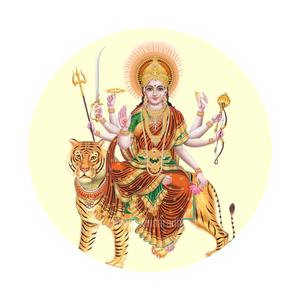
Shri Tristota Shaktipeeth (also revered as Trisrota Shaktipeeth) is one of the fifty-one sacred Shaktipeeths of the Sanatana tradition. This holy shrine is situated at Bodaganj (Shalbari) near the Baikunthapur forest region on the banks of the Teesta River in the Jalpaiguri district of West Bengal. In classical traditions, the Teesta River was renowned as 'Trisrota' because it flowed in three streams, from which this pilgrimage site acquired the sacred name Tristota or Trisrota Shaktipeeth.
Introduction
Tristota Shaktipeeth is a serene and sacred sanctuary dedicated to the compassionate and protective presence of Maa Adishakti. Nestled amidst the natural beauty and lush woodlands near the Teesta, this divine abode offers an atmosphere of profound quietude, serving as an uplifting haven of contemplation for spiritual seekers and visiting pilgrims.
The story of the Shaktipeeth
According to sacred tradition, when Devi Sati relinquished Her mortal form through Yogagni at the sacrificial fire of Prajapati Daksha, Lord Shiva carried Her holy form in deep sorrow, wandering across the cosmos. To protect universal order and preserve cosmic balance, Lord Vishnu used His Sudarshana Chakra to divide the holy form of Devi Sati. The sacred spots where Her limbs and ornaments descended onto earth became sanctified as the revered Shaktipeeths.
Sati’s body part or ornament
According to the sacred Shakta text Pithanirnaya (Tantra Chudamani), the left foot (Vama Charana) of Devi Sati fell at Trisrota. In regional faith, it is also lovingly worshipped as the left toe. Because the holy lotus feet of Bhagavati touched this earth, the sacred soil is venerated with deep devotion by devotees seeking divine grace and refuge.
The name of the Devi
The presiding Goddess of this Shaktipeeth is worshipped as Maa Bhramari. According to sacred tradition, Bhagavati assumed the form of countless divine bees (bhramaras) to vanquish the demon Arunasura and restore Dharma. In Her form as Bhramari, the Divine Mother grants fearlessness, protection, and unconditional motherly grace to Her devotees.
Bhairava
The guardian Bhairava presiding over this sacred Peetha is Ishwara (revered as Bhairaveshwara, and in regional traditions sometimes addressed as Ambara). Lord Bhairava is worshipped here in the form of a sacred Shiva Lingam, bestowing spiritual protection and steadfastness to sincere seekers of Shakti.
Religious significance
As one of the canonical fifty-one Shaktipeeths, the sanctity of this holy site is deeply cherished. Devotees believe that offering sincere worship to Maa Bhramari and Bhairaveshwara dispels fear, inner anxieties, and adversities, nurturing a steady mind and awakening inner spiritual awareness.
Puja and darshan
In the sanctum sanctorum of the temple, daily worship and rituals of Maa Bhramari and the holy Lingam of Bhairava are conducted with reverence. Pilgrims pay homage at the sacred feet of the Mother, offering fresh blossoms, fruits, incense, and lamps. Within the tranquil temple grounds stands an ancient banyan tree, around which devotees reverently perform parikrama.
Major festivals
The festivals of Sharadiya and Chaitra Navratri, Durga Puja, and Maha Shivratri are celebrated at the temple with immense devotion and solemnity. Special Abhishek, Aarti, and devotional offerings take place during these auspicious periods, drawing devotees from across the region to participate in prayer.
History
This sacred landscape has ancient associations with the historic Baikunthapur region and the vibrant Shakta traditions of North Bengal. For centuries, sages and spiritual seekers have meditated along the serene banks of the Trisrota. Over generations, the temple premises have been cared for and renovated through the faithful stewardship of local devotees and dedicated trusts.
How to reach
By Rail: The nearest major railway junction is New Jalpaiguri (NJP, around 32 to 35 km away) and Jalpaiguri Town (around 20 km away), from where taxis and local road transport are easily accessible.
By Air: Bagdogra Airport (IXB) is the nearest airport, located approximately 48 km from the shrine.
By Road: The temple is conveniently accessible by road from Siliguri and Jalpaiguri via the Belakoba route.
Darshan timings
The temple gates are generally open for darshan daily from 6:00 AM to 7:00 PM. The sanctum may remain briefly closed during the afternoon hours for Bhog and Shringar offerings before reopening for evening prayers.
Distinctive traditions
Devotees hold a deep conviction that paying reverent obeisance at the holy Charana Peetha removes obstacles from one's life path, granting clarity, patience, and devotion to the path of Dharma. The peaceful natural setting also makes it an ideal spot for silent Japa and meditation.
Spiritual message
The holy sanctuary of Maa Bhramari and Bhairaveshwara reminds us of the divine harmony inherent in creation. Worshipping the Mother teaches humility, quietens worldly ego, and leads the sincere heart toward surrender and divine love.