


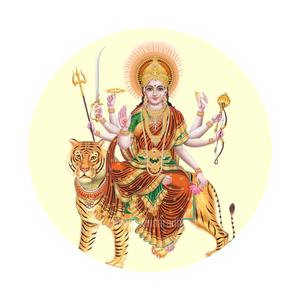
Nestled in the sacred landscape of Tripura in Northeast India, Shri Tripura Sundari Shaktipeeth, locally revered as Matabari, is among the most venerated of the 51 Maha Shaktipeethas of Bhagavati. Enshrined atop a graceful hillock shaped like the back of a tortoise in the historic town of Udaipur in Gomati district, this holy sanctuary blesses devotees with divine grace, peace, and spiritual strength.
Introduction
Shri Tripura Sundari Temple stands approximately three kilometres from Udaipur, the ancient capital of Tripura. This sacred shrine is also known as Kurma Peetha, because the hillock upon which the temple is built naturally resembles the back of a tortoise (kurma). In the Tantric tradition, a Kurma Prishtha hillock is regarded as extraordinarily auspicious for spiritual contemplation and the worship of Shakti.
The sanctum sanctorum houses a majestic murti of Bhagavati sculpted from reddish-black touchstone (kashti pathar). Beside the principal deity stands a smaller murti, affectionately revered by devotees as Chhoto Ma (Little Mother). According to historical tradition, the rulers of the Manikya dynasty of Tripura used to carry this smaller murti alongside them on administrative journeys and significant campaigns as their protective divine power.
The story of the Shaktipeeth
According to sacred tradition, when Mata Sati renounced her physical body in the sacrificial fire of Prajapati Daksha’s yajna, Lord Shiva, overwhelmed by grief, wandered across the universe carrying Her holy mortal remains. To restore universal equilibrium and calm Lord Shiva’s profound anguish, Lord Vishnu severed Sati’s limbs using His Sudarshana Chakra.
Wherever the holy limbs and ornaments of Mata Sati fell across the sacred land of Bharatavarsha, those spots became consecrated as Shaktipeethas. Upon this sanctified ground fell the sacred foot of the Mother, transforming this region into an eternal sanctuary of divine energy.
Sati’s body part or ornament
According to authoritative Tantric texts and the Pithanirnaya, the right foot (dakshina pada) or right big toe of Mata Sati fell here. Blessed by the sacred touch of Shakti’s feet, this sacred spot is venerated as an abode of spiritual liberation and supreme auspiciousness.
The name of the Devi
At this Shaktipeeth, the primordial power is worshiped as Tripura Sundari (Ma Tripureshwari). Among the ten Mahavidyas, She is also revered as Shodashi or Lalita Maha Tripura Sundari, celebrated as the supreme beauty of the three worlds, the personification of pure wisdom, and the cosmic mother.
Bhairava
The guardian Bhairava who protects this holy shrine and bestows fearlessness upon seekers is Tripuresha. In accordance with traditional canonical texts, venerating Tripuresha Bhairava alongside the Devi fulfills righteous desires and grants spiritual tranquility.
Religious significance
This sacred Peetha represents a harmonious confluence of Shaiva, Shakta, and Vaishnava devotion. Worship of Ma Tripura Sundari is performed here following both Tantric and Vedic traditions. It is believed that prayers offered atop this Kurma-shaped hillock yield swift spiritual merit, removing fears, ailments, and obstacles from the lives of sincere devotees.
Bordering the eastern perimeter of the temple lies the sacred lake Kalyan Sagar, spread over approximately 6.4 acres. This sacred body of water is home to rare species of softshell tortoises (Bostami turtles) and large fish. Pilgrims consider feeding puffed rice (muri) to these aquatic beings an act of deep religious piety. By time-honoured custom, harming any living creature residing in this sacred lake is strictly forbidden.
Puja and darshan
Daily worship in the sanctum sanctorum begins during the auspicious Brahma Muhurta with Mangala Aarti and sacred abhishekam. During the day, Bhagavati is offered special cooked bhog and the famous local milk confection known as Matabari Peda. The sanctum doors close briefly in the afternoon following the noon offering, after which the evening Shringara and Maha Aarti take place with solemn devotion.
Major festivals
The grandest and most renowned celebration at the temple is the annual Diwali Mela. Held on the Amavasya of the Hindu month of Kartika during Deepotsav and Kali Puja, this vibrant fair draws hundreds of thousands of pilgrims from across India and abroad who light earthen lamps and seek the Mother’s divine darshan. In addition, elaborate rituals are conducted during Chaitra and Sharadiya Navratri as well as on Maha Shivaratri.
History
The present temple was constructed in 1501 CE (Saka Era 1423) by the illustrious king of Tripura, Maharaja Dhanya Manikya. Structurally, it is an exquisite exemplar of the traditional medieval Bengali Ek-ratna Char-chala architectural style, featuring a square sanctum surmounted by a hemispherical dome and crowning finial.
According to Rajmala, the historical royal chronicle of Tripura, Maharaja Dhanya Manikya received a divine command in a dream instructing him to bring this holy stone deity from the Chittagong hill tracts and enshrine Her on this tortoise-shaped hillock. Obeying this divine vision, the king established the sanctuary. Today, the shrine is managed with great reverence under the care of the Matabari Temple Trust and the Gomati District Administration.
How to reach
By Air: The nearest airport is Maharaja Bir Bikram Airport in Agartala, situated around 65 to 70 kilometres from the temple. Regular taxis and direct bus services operate conveniently from Agartala to Udaipur.
By Rail: Udaipur is well connected to the broad-gauge railway network. Matabari Railway Station (approx. 2 km) and Udaipur Tripura Railway Station (UDPU, approx. 4 km) offer direct train connections linking Agartala and major railheads in Northeast India.
By Road: Udaipur is linked to the state capital via a well-maintained national highway. Regular state transport buses, private shared vehicles, and taxis depart frequently from Nagerjala Bus Stand in Agartala, reaching Matabari in about one and a half to two hours.
Darshan timings
The temple is generally open for darshan from 5:00 AM to 1:00 PM in the morning and from 3:00 PM to 9:30 PM in the evening. The doors remain closed during the afternoon for the deity’s bhog and rest. Temple visiting hours are customarily extended during major festivals such as Diwali.
Distinctive traditions
The tortoises inhabiting Kalyan Sagar are revered as living manifestations of Kurma Avatara. Whenever a tortoise passes away naturally, it is accorded a traditional ceremonial samadhi burial by temple caretakers with full reverence. Devotees firmly hold that heartfelt prayers offered at the lotus feet of Ma Tripura Sundari dissolve inner distress and bring peace, harmony, and well-being to family life.
Spiritual message
The sacred sanctuary of Ma Tripura Sundari conveys the profound unity of nature and the Supreme Divine. The steadfast Kurma Peetha reminds seekers of grounded self-restraint; the creatures living peacefully in Kalyan Sagar inspire universal compassion; and the gentle, maternal presence of Bhagavati Tripura Sundari reassures every soul that the ultimate power governing creation is boundless maternal love.