


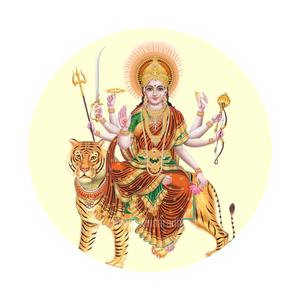
In Sanatana Shakti sadhana, the fifty-one Shaktipeeths hold an exceptionally revered place. According to the Devi Bhagavata Purana and venerable Tantric texts, the sacred spots where the limbs and ornaments of Bhagavati Sati fell came to be worshiped as eternal Shaktipeeths. Nestled in the serene basin of the holy Mandakini River in central India, the Ramgiri Shaktipeeth stands as a timeless sanctuary of divine motherhood, maternal grace, and transcendent consciousness.
Introduction
Ramgiri Shaktipeeth is numbered among the principal fifty-one Shaktipeeths of the Sanatana tradition. According to the classical Tantrachudamani, this sacred Peetha marks the sanctified ground where the breast of Bhagavati Sati descended. In this holy tirtha, the universal Mother is venerated in the form of Devi Shivani, protected eternally by Lord Shiva as Chanda Bhairava.
This Shaktipeeth is primarily identified with the sacred geography of Chitrakoot (along the banks of the Mandakini River and the Kamadgiri region), straddling the borders of Uttar Pradesh and Madhya Pradesh. Enveloped by pristine nature and spiritual serenity, pilgrims experience the boundless, sheltering grace of the divine Mother here.
The story of the Shaktipeeth
According to sacred lore, Prajapati Daksha arranged a grand yajna in Kankhal. Driven by arrogance, he purposefully omitted an invitation to Mahadeva and Devi Sati. Unable to bear the deliberate insult inflicted upon her divine consort by her own father, Devi Sati immolated her mortal form in the yogic fires of the sacrificial arena.
When Lord Shiva learned of this catastrophic tragedy, deep grief and cosmic wrath stirred within Him. He bore the sacred body of Sati upon His shoulders and began the devastating Tandava across the three worlds. To restore harmony and preserve creation, Lord Vishnu released His Sudarshana Chakra to sever the body of Devi Sati into sacred portions. Wherever these sanctified limbs fell upon the earth, those sacred grounds arose as eternal Shaktipeeths.
Sati’s body part or ornament
According to the authoritative Tantric scripture, Tantrachudamani, it was the breast of Mata Sati (traditionally revered as the right breast) that descended upon the sacred mountain of Ramgiri.
shonakhya bhadrasenastu narmadakhye nitambakah .
ramagirau stananyancha shivani chandabhairavah ..
The maternal breast symbolizes divine nourishment, unconditional affection, nurturing sustenance, and immortal nectar. For this reason, seekers approach this Peetha seeking inner tranquility, maternal blessing, and the spiritual grace that nourishes every aspiring soul.
The name of the Devi
The presiding divine Mother of Ramgiri Peetha is worshiped as Shivani. The name 'Shivani' signifies the benevolent, auspicious, and blissful supreme energy inseparable from Lord Shiva. In the Chitrakoot region, local devotion also honors the divine presence affectionately as Phoolmati Devi.
Devi Shivani represents an exceptionally tranquil, serene, and boon-bestowing manifestation of the supreme Mother, dispelling fear and offering profound solace to her earnest devotees.
Bhairava
Each sacred Shaktipeeth is guarded by a distinct manifestation of Lord Shiva as Bhairava. At the Ramgiri Shaktipeeth, the eternal guardian Bhairava is Chanda.
In the Agamic and Tantric traditions, the worship of Shakti is considered complete only when accompanied by reverence for Bhairava. Contemplation upon Chanda Bhairava grants the seeker release from internal afflictions, negative influences, and the dread of untimely distress.
Religious significance
The spiritual sanctity of Ramgiri Shaktipeeth is enhanced manifold by its deep association with the tapobhumi of Lord Rama in Chitrakoot. It was in these hallowed forests that Lord Rama, along with Mata Sita and Lakshmana, spent eleven and a half years of his exile.
Here, one witnesses a harmonious communion between Shakta and Vaishnava devotion. Taking a sacred bath in the Mandakini River, undertaking the sacred parikrama of Mount Kamadgiri, and seeking the holy darshan of Devi Shivani is traditionally believed to absolve physical, vocal, and mental impurities.
Puja and darshan
Daily worship at Ramgiri Shaktipeeth is conducted in a spirit of pure, sattvic devotion. In the early morning hours, pilgrims offer panchamrit, fragrant seasonal blossoms, vermilion, sacred chunri, and fresh fruits to the divine Mother.
Recitation of the Sri Sukta, Devi Mahatmyam (Durga Saptashati), and the Lalita Sahasranama is regarded as especially auspicious here. During the evening aarti, the inner sanctum resonates with the sacred cadence of conch shells and radiant oil lamps, evoking an uplifting spiritual atmosphere.
Major festivals
Chaitra and Sharadiya Navratri are celebrated here with immense piety and joy. Throughout the nine holy nights, temples reverberate with the chanting of the Shatachandi path, devotional kirtans, and the continuous radiance of akhand deepams.
In addition, festivals such as Mahashivratri, Ram Navami, Kartik Purnima, and Somvati Amavasya draw vast gatherings of pilgrims to Chitrakoot Dham to offer heartfelt obeisance to Devi Shivani and Chanda Bhairava.
History
The literary and spiritual heritage of 'Ramgiri' extends deep into antiquity. In the classical Sanskrit lyric 'Meghaduta', the celebrated poet Kalidasa speaks reverently of the sacred hermitages on the slopes of Ramgiri, which living tradition in central India continues to associate with the holy hills of Chitrakoot.
From Maharishi Valmiki’s Ramayana to the devotional compositions of medieval saint Goswami Tulsidas, the sanctity of this landscape has remained unbroken across millennia. Across different eras, local patrons, rulers, and ascetic traditions nurtured and protected the various sacred shrines throughout this region.
How to reach
By Train: The nearest major railhead is Chitrakootdham Karwi (CKTD), situated on the Jhansi-Manikpur rail line of the North Central Railway. It is directly connected by regular trains to Prayagraj, Varanasi, Lucknow, Kanpur, and Delhi. Local taxis and auto-rickshaws are readily accessible from the station to the temple shrines.
By Road: Chitrakoot is conveniently connected through national and state highways to Prayagraj (approximately 130 km), Banda (around 70 km), Satna (around 75 km), and Jhansi (around 260 km). Regular state and private buses ply from these major towns.
By Air: Chitrakoot Airport operates regional flights under connecting networks. The closest major commercial airports are Prayagraj Airport (around 135 km) and Khajuraho Airport (around 175 km), both offering extensive regional connectivity.
Darshan timings
Devi shrines across the Chitrakoot region are generally open for darshan from 5:00 AM to 12:00 PM in the morning, and reopen from 4:00 PM to 9:00 PM in the evening.
The inner sanctum gates usually remain closed for a brief period in the afternoon for bhog and repose. During festive occasions and Navratri, temple doors stay open for extended hours to facilitate devotees. It is advisable for traveling pilgrims to confirm timings locally with shrine priests or temple trusts beforehand.
Distinctive traditions
Regarding the exact geographical identification of the scriptural Ramgiri, two prominent traditions exist in central Indian sacred lore. While predominant scholarship and tradition associate the Peetha with the ancient presence of Shivani or Phoolmati Devi in Chitrakoot, another revered tradition looks upon the hill shrine of Maa Sharada atop Trikuta hill in Maihar as connected with the fifty-one Shaktipeeth heritage.
Devotees deeply believe that offering prayers here with a clean and humble heart invokes the nurturing protection of the universal Mother and bestows peace, mental clarity, and spiritual endurance.
Spiritual message
The sacred abode of Ramgiri Shaktipeeth imparts the perennial truth that the highest elevation of consciousness unfolds in the quiet presence of nature, austerity, and surrender. The sacred union of Lord Shiva and Shakti reminds humanity to preserve a delicate balance between detached spiritual awareness and compassionate earthly duty.
Arriving at the feet of the divine Mother, seekers set aside worldly pride and experience the quiet refuge of complete surrender, discovering a pure and tranquil sanctuary within their own hearts.