


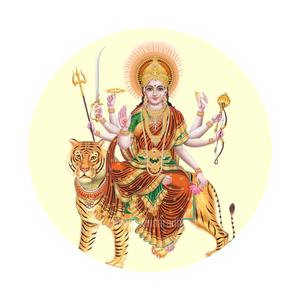
Situated in the sacred Birbhum district of West Bengal, Shri Nalhati Shaktipeeth is a revered pilgrimage shrine in the Sanatana Shakta tradition. Presiding atop a serene hillock, the abode of Maa Nalateswari forms an integral part of the holy Birbhum Shaktipeeth circuit, drawing devotees and spiritual seekers from across the country.
Introduction
Shri Nalateswari Temple rests upon a tranquil hillock in the town of Nalhati. Here, the Divine Mother is worshiped as Kalika and Lord Shiva as Yogisha Bhairava. Surrounded by natural greenery and rooted in ancient Shakta traditions, this sacred shrine unites with other prominent Peethas of Birbhum to create an auspicious realm of spiritual contemplation.
The story of the Shaktipeeth
According to sacred lore, Devi Sati immolated herself in the yogic fire of her inner consciousness, deeply pained by the dishonor shown to her divine consort, Lord Shiva, at the sacrificial ceremony organized by King Daksha. Overcome with grief and renunciation, Lord Shiva wandered across the cosmos carrying the mortal remains of Devi Sati, which threatened the universal balance.
To protect the cosmos and restore equilibrium, Lord Vishnu used the Sudarshana Chakra to divide the mortal form of Devi Sati into fifty-one parts. The sacred spots across Bharatvarsha where the holy limbs and ornaments fell became venerated as divine Shaktipeeths.
Sati’s body part or ornament
According to the authoritative Shakta text Tantrachudamani, the vocal tube or throat canal (Nala) of Devi Sati fell at Nalhati:
Nalāhāṭyāṃ nalāpāto yogīśo bhairavastathā |
Tatra sā kālikā devī sarvasiddhipradāyikā ||
Inside the sanctum sanctorum, close to the deity's pedestal, a sacred stone representing this divine throat canal is revered with great devotion.
The name of the Devi
The classical scriptural name of the presiding Mahashakti of Nalhati Shaktipeeth is Kalika. In local tradition and regional devotion, Bhagavati is lovingly addressed as Maa Nalateswari. Within the sanctum sanctorum, the idol of the Mother is adorned with vermilion, featuring three eyes and a golden tongue that bestow protection, peace, and maternal grace upon devotees.
Bhairava
The guardian Bhairava of this Shaktipeeth is Yogisha. In Tantric philosophy, Yogisha Bhairava symbolizes yoga, introspection, and complete self-mastery. In Shakta worship, offering reverence to the guardian Bhairava alongside the Mother is an integral practice that grants fearlessness and inner resolve to seekers.
Religious significance
The sacred Shakta landscape of Birbhum is enriched by eminent Peethas such as Tarapith, Bakreshwar, Nandipur, and Nalhati. Being the sacred seat where the throat canal sanctified the earth, Nalhati Shaktipeeth is regarded as a center for the awakening of speech, breath, and vital energy. Chanting the divine name and meditating upon the Mother here brings deep inner tranquility.
Puja and darshan
Daily worship at the temple is conducted following a harmonious blend of Vedic and Tantric rituals. Throughout the year, Maa is served in the form of Dakshina Kali. Devotees offer red hibiscus flowers, chunri, and traditional sweets within the sanctum. The surrounding temple courtyard also houses small shrines dedicated to Lord Ganesha and Lord Shiva.
Major festivals
Sharadiya Durga Puja and Kartik Kali Puja are celebrated at the shrine with profound joy and devotion. In addition, Mahashivratri, Bengali New Year, and Gupt Navratri are marked by special abhishekam ceremonies, sacred fire rituals (havan), and devotional kirtan.
History
The antiquity of Nalhati as a holy tirtha is documented in medieval Shakta literature. Over centuries, the shrine underwent periodic renovations by regional patrons and devout seekers. The present structure reflects the traditional temple architectural heritage of Birbhum, perched gracefully upon the hillock summit.
How to reach
By Rail: The nearest railway station is Nalhati Junction, situated about 2 to 3 kilometers from the temple complex. Rampurhat Junction, located on the Howrah-Sahibganj main line, is approximately 16 kilometers away, with regular autorickshaws and taxis available.
By Road: Nalhati is well connected via state highways to Bolpur, Rampurhat, Suri, and Tarapith with regular bus and private vehicular transit.
By Air: The nearest major airport is Netaji Subhash Chandra Bose International Airport in Kolkata, situated around 230 kilometers away.
Darshan timings
Maa Nalateswari Temple opens in the morning around 5:30 AM with the Mangala Aarti. The midday anna bhog offering takes place between 1:00 PM and 1:30 PM. The evening Sandhya Aarti is conducted at 7:00 PM, after which the sanctum closes following the Shayan Aarti around 8:30 PM.
Distinctive traditions
It is traditionally held that those who pray with a tranquil and devoted heart to Maa Kalika and Yogisha Bhairava receive clarity of thought, restraint in speech, and spiritual upliftment. Pilgrims often spend time in silent contemplation within the serene temple courtyard to offer their innermost prayers.
Spiritual message
Nalhati Shaktipeeth conveys the timeless truth that human speech and breath are sacred expressions of the Divine Mother. Cultivating truthful, gentle, and benevolent speech in everyday life is the true worship of Maa Nalateswari.