


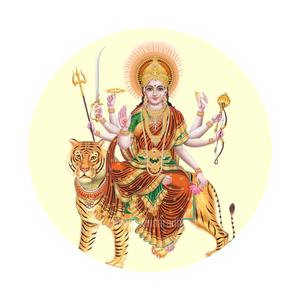
In the sacred Shakta tradition of Sanatana Dharma, the Shaktipeeths of Bhagavati are revered as supreme centers of divine consciousness. Situated in the ancient cultural and philosophical heartland of Mithila, this Shaktipeeth is a holy pilgrimage of ceaseless grace and spiritual practice.
Introduction
Shri Mithila Shaktipeeth is counted among the oldest sacred centers of Shakti worship in Bharat. Historically and culturally, Mithila represents a revered ancient region spanning northern Bihar and parts of the adjoining Terai plains. Classical texts accord special significance to this Peetha, where the left shoulder of the Divine Mother is venerated.
The story of the Shaktipeeth
According to sacred history, Mata Sati relinquished Her mortal frame through the fire of Yogagni when She was deeply aggrieved by the dishonor shown to Lord Shiva at the sacrificial ceremony of Daksha Prajapati. Overwhelmed by dispassion and grief, Lord Shiva traversed the three worlds carrying Her sacred form. To restore balance to the cosmos, Lord Vishnu utilized the Sudarshana Chakra to sever the body into divine fragments. Each location where these holy relics fell became sanctified as a Shaktipeeth.
Sati’s body part or ornament
According to the authentic verses of the Tantrachudamani (Peethanirnaya), the left shoulder (Vama Skandha) of Mata Sati fell in the sacred realm of Mithila.
ratnāvalyāṁ dakṣaskandhaḥ kumārī bhairavaḥ śivaḥ |
mithilāyāmumā devī vāmaskandho mahodaraḥ ||
The name of the Devi
At this holy Peetha, Adiparashakti is worshipped in the divine form of Mata Uma. In various regional traditions, She is also reverently addressed as Mahadevi or Vanadurga.
Bhairava
The presiding Bhairava of Mithila Shaktipeeth is Lord Mahodara. In traditional Shakti sadhana, obtaining darshan of Bhairava alongside the Devi is considered essential, as He bestows divine protection and fearlessness upon devotees.
Religious significance
Mithila has long been a fertile soil for wisdom, philosophy, and spiritual contemplation. The presence of a Shaktipeeth in the land of Maharshi Janaka, Yajnavalkya, and Mandana Mishra holds profound spiritual value. Contemplation and worship of Mata Uma here blesses seekers with self-knowledge, discernment, and inner strength.
Puja and darshan
Devotees approach the sanctum with devotion and pure intent, offering fresh flowers, unbroken rice grains (akshata), vermilion, and naivedya. Traditional Aarti is offered during dawn and dusk. Seekers also recite hymns from the Devi Mahatmyam (Durga Saptashati) to seek the compassionate grace of the Mother.
Major festivals
Navratri during the months of Chaitra and Ashvin (Sharadiya Navratri) is celebrated with utmost devotion, ritual adherence, and joy. Additionally, Mahashivratri and Kartik Purnima are marked by special pujas and devotional gatherings.
History
Classical Sanskrit texts identify the sacred Peetha broadly with the realm of Mithila rather than a single modern village or temple structure. Consequently, regional Shakta heritage links three ancient holy sites to this Peetha tradition: the Uchchaith Bhagwati temple in Madhubani, where the deity is consecrated in the form of the torso and shoulders; ancient Jayamangala Garh in Begusarai; and the Ugratara Sthan at Mahishi in Saharsa. Historical and archaeological remains point to active spiritual traditions at these sites during the Gupta and Pala periods.
How to reach
To visit the prominent Shakti shrines of the Mithila region, railway stations at Darbhanga, Madhubani, Samastipur, and Saharsa serve as key travel hubs. For air travel, Darbhanga Airport provides convenient regional connectivity, from where local transport and road networks connect to these sacred sites.
Darshan timings
On ordinary days, sanctums in the region are generally accessible for darshan from 6:00 AM to 12:00 PM, and from 4:00 PM to 8:00 PM. During the auspicious days of Navratri, doors often remain open continuously to accommodate visiting devotees.
Distinctive traditions
A renowned local tradition at Uchchaith Bhagwati holds that Mahakavi Kalidasa engaged in deep penance here, receiving wisdom and literary genius through the grace of the Mother. Meanwhile, Jayamangala Garh is revered for its secluded meditative atmosphere and prayers for heartfelt wishes.
Spiritual message
Mithila Shaktipeeth conveys the timeless truth that knowledge and spiritual strength are mutually fulfilling. By relinquishing ego and surrendering with humility at the feet of Mata Uma and Lord Mahodara, the human soul attains true peace and upliftment.