

Nestled in the sacred landscape of Pushkar in Rajasthan, Shri Manivedika Shaktipeeth is a deeply revered sanctuary in Sanatana Shakti tradition. Situated close to the holy shrine of Jagatpita Brahma and the serene waters of Pushkar Sarovar, this divine Peetha is also venerated with devotion as the 'Manibandh Shaktipeeth'.
Introduction
Shri Manivedika Shaktipeeth is enshrined amid the Aravalli hills near the ancient pilgrimage town of Pushkar in Ajmer district, Rajasthan. Revered as Tirtharaj—the teacher of all sacred pilgrim centers—Pushkar lends a profound spiritual aura to this Shaktipeeth. Worshipping Bhagavati here is considered an auspicious means to attain inner peace, wisdom, and purification of the soul.
The story of the Shaktipeeth
According to sacred lore, Bhagavati Sati offered her life into the yogic fire after being deeply grieved by the dishonor shown to her consort, Mahadeva, at the sacrificial ceremony of Prajapati Daksha. Overcome with grief and detachment, Lord Shiva wandered across the universe carrying her sacred mortal form. To restore balance to creation, Lord Vishnu severed the divine body into fifty-one parts with his Sudarshana Chakra. The sanctified grounds where the limbs and ornaments fell emerged as eternal Shaktipeeths.
Sati’s body part or ornament
In classical Tantric literature and Puranic traditions, it is believed that the wrists (Manibandha) or jewel-encrusted bracelets of Bhagavati Sati fell upon this holy ground of Pushkar. Owing to the sacred descent of the jewel-studded wristlets, the shrine came to be known as Manivedika or Manibandh.
The name of the Devi
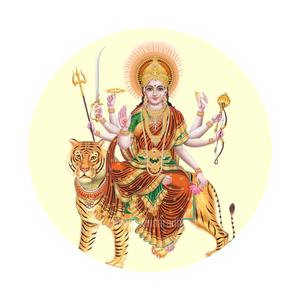
According to the Tantrachudamani, the presiding divine energy at this Shaktipeeth is worshipped as Devi Gayatri. In local devotional tradition, the sacred presence is also revered as Maa Chamunda and as Shri Rajarajeshwari Puruhuta.
sthaṇurnāmnā ca sāvitrī devatā maṇivedake .
maṇibandhe ca gāyatrī sarvānandastu bhairavaḥ .
Bhairava
The guardian Bhairava of Shri Manivedika Shaktipeeth is worshipped as Sarvananda (or Sharvananda). Bhairava Sarvananda dispels all fear and bestows supreme bliss, spiritual security, and protection upon devout seekers.
Religious significance
In the holy region of Pushkar, the shrine of Maa Savitri graces the crest of Ratnagiri hill, while this sacred Shaktipeeth of Bhagavati Gayatri resides on the Gayatri hill and its peaceful foothills. In Sanatana tradition, a pilgrimage to Pushkar is traditionally considered complete only after bathing in the holy lake, seeking the blessings of Lord Brahma, and having darshan of Bhagavati at Manivedika Shaktipeeth.
Puja and darshan
Devotees visit this sacred sanctuary to participate in the morning and evening Aarti, offering vermilion, flowers, and reciting the Durga Saptashati. Spiritual seekers undertake silent contemplation and Gayatri Mantra japa here, invoking spiritual vitality and maternal grace.
Major festivals
Both Chaitra and Sharadiya Navratri are celebrated at the shrine with profound piety and festive joy. During the annual Pushkar Fair, which takes place from Kartik Shukla Ekadashi to Kartik Purnima, countless pilgrims from across India and around the world visit the temple to offer prayers after their sacred dip in Pushkar Sarovar.
History
References to Manivedika Shaktipeeth are preserved in classical Tantric texts such as the Tantrachudamani and Shiva Charitra. Historically, Pushkar has remained a revered land of penance for sages across generations. The temple shrines have been sustained, renovated, and cherished over centuries by local rulers, devotees, and visiting pilgrims.
How to reach
The nearest railway head is Ajmer Junction, located approximately 11 to 15 kilometers away. Regular bus services, taxis, and auto-rickshaws connect Ajmer and Pushkar. For air travelers, Jaipur International Airport is the nearest airport, situated about 150 kilometers from Pushkar.
Darshan timings
The temple is generally open for darshan from 6:00 AM to 12:00 PM in the morning and from 4:30 PM to 9:00 PM in the evening. During Navratri and major festive occasions, the visiting hours are extended for the convenience of devotees.
Distinctive traditions
It is held in deep faith that bowing before Devi Gayatri here brings clarity of intellect, righteous conduct, and inner harmony. Chanting the sacred Gayatri Mantra in the tranquil vicinity of Pushkar is regarded as especially fruitful for one’s spiritual pursuit.
Spiritual message
Shri Manivedika Shaktipeeth delivers the eternal message that true liberation blossoms through the harmony of Shakti and divine wisdom. While Lord Brahma’s sacred seat represents spiritual contemplation and creation, the grace of Bhagavati Gayatri illuminates life with divine awareness, moral courage, and spiritual light.