

The sacred land of Shridham Vrindavan is revered not only as the divine playground of Lord Krishna, but also as an ancient centre of Sanatana Shakti worship. Situated in the Radha Bagh area of Vrindavan, Shri Katyayani Shaktipeeth is associated with the tradition of the 51 sacred Shaktipeeths, where the holy hair or hair locks of Mata Sati are believed to have fallen.
Introduction
Shri Katyayani Shaktipeeth is situated in the historic Radha Bagh area of Shridham Vrindavan in Mathura district, Uttar Pradesh. This sacred Peetha represents a beautiful meeting of the Vaishnava Bhakti tradition of Braj and the ancient Shakta tradition of Devi worship.
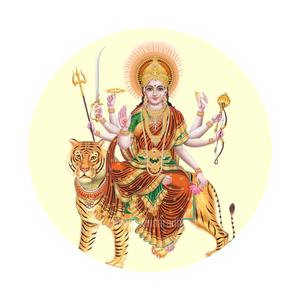
In the classical Shaktipeeth tradition, the presiding Devi is identified as Uma and the associated Bhairava as Bhutesha. In the living temple and Braj devotional tradition, however, Bhagavati is primarily worshipped as Maa Katyayani, the same Divine Mother whom the Gopis of Braj worshipped while seeking Lord Krishna as their divine consort.
The Story of the Shaktipeeth
According to sacred tradition, Devi Sati relinquished Her mortal body during the Yajna of Prajapati Daksha after being deeply distressed by the dishonour shown to Lord Shiva.
Overwhelmed with grief, Lord Shiva carried Her sacred body across the cosmos. To restore cosmic balance, Lord Vishnu used His Sudarshana Chakra to divide the mortal body of Mata Sati. The sacred places where Her limbs or ornaments fell later came to be revered as Shaktipeeths.
Sati's Body Part or Ornament
According to the Shaktipeeth tradition, the hair or hair locks of Mata Sati are believed to have fallen in Shridham Vrindavan. For this reason, Vrindavan is revered as a sacred Peetha associated with the descent of Sati's Kesha or Keshapasha.
Different traditional texts may use expressions such as Kesha, Keshapasha or hair locks, but all refer to the same sacred association with the hair of Mata Sati.
The Name of the Devi
In the ancient Shaktipeeth tradition, the presiding Shakti of Vrindavan is identified as Uma. In the Braj and Bhagavata traditions, the same divine feminine presence is especially worshipped as Maa Katyayani.
The Adya Stotram tradition also preserves the well-known expression: “Vraje Katyayani Para”, affirming the sacred association of Bhagavati Katyayani with Braj.
Thus, the traditions of Uma and Katyayani may be understood as two devotional contexts of the same broader Divine Shakti worshipped in Vrindavan.
Bhairava
According to the Shaktipeeth tradition, the Bhairava associated with Vrindavan is Bhutesha. This name is traditionally connected with the ancient Bhuteshwar Mahadev of the Mathura region.
Within the present Katyayani Peeth temple, Lord Shiva is worshipped in the form of Chandrashekhar. Therefore, Bhutesha belongs to the older Shaktipeeth identification, while Chandrashekhar reflects the living worship tradition of the present temple complex.
Katyayani Vrat in the Srimad Bhagavatam
The Tenth Canto of the Srimad Bhagavatam describes how the young Gopis of Braj observed the Katyayani Vrat during the month of Margashirsha on the banks of the Yamuna.
Their prayer was that Nandanandana Lord Krishna should become their divine consort. While worshipping Bhagavati, they recited the celebrated Mantra—
Katyayani Mahamaye Mahayoginyadhishvari.
Nandagopasutam Devi Patim Me Kuru Te Namah.
Because of this sacred episode, the worship of Maa Katyayani in Vrindavan became deeply connected with Krishna Bhakti. Even today, many devotees recite this Mantra while praying for a suitable life partner, marital harmony and the grace of Bhagavati.
Religious Significance
One of the most distinctive features of Shri Katyayani Peeth is the meeting of Shakti worship and Krishna Bhakti. The Gopis worshipped Bhagavati not as an end separate from Krishna, but as the Divine Power through whom they sought the grace of the Supreme Lord.
For this reason, Katyayani worship in Braj represents a beautiful spiritual harmony between Shakta and Vaishnava devotion.
The Katyayani Vrat is also popularly associated with prayers for marriage and a suitable life partner. Such beliefs are best understood within the devotional tradition of the temple.
Restoration by Swami Keshavanand Ji
Swami Keshavanand Brahmachari Ji Maharaj holds a central place in the history of the present Shri Katyayani Peeth. He is traditionally remembered as a distinguished disciple in the lineage of Yogiraj Shri Shyamacharan Lahiri Mahasaya.
According to the temple tradition, after prolonged spiritual practice in the Himalayas, Swami Keshavanand Ji was inspired by Bhagavati to come to Vrindavan and re-establish the ancient sacred Peetha.
He settled in the Radha Bagh area and developed the present temple and Ashram, restoring organised worship of Maa Katyayani at the site.
Consecration of the Temple in 1923
The present main temple was ceremonially consecrated in 1923 on the sacred occasion of Maghi Purnima.
An Ashtadhatu Murti of Maa Katyayani was prepared for the temple, and learned Vedic Brahmins from different parts of Bharat participated in the Prana Pratishtha ceremony.
With this consecration, the modern organised worship tradition of Shri Katyayani Peeth became firmly established in Vrindavan.
Panchayatana Worship
A distinctive feature of Shri Katyayani Peeth is its Panchayatana worship tradition, representing the major devotional streams of Sanatana Dharma.
The temple worship includes Maa Katyayani as Shakti, Chandrashekhar Mahadev representing Shiva, Shri Lakshmi Narayan representing the Vaishnava tradition, Shri Ganesha representing Ganapatya worship and Surya Deva representing the Saura tradition.
Jagaddhatri Devi is also worshipped within the broader temple tradition. This arrangement reflects the inclusive and integrative character of Sanatana Dharma.
The Tradition of Siddha Ganesha
A special temple tradition is associated with the Siddha Ganesha enshrined at Shri Katyayani Peeth.
Older accounts state that this Ganesha Murti had previously been worshipped in Bengal and was later brought to Vrindavan by Swami Keshavanand Ji for installation within the Peeth.
Devotees regard Siddha Ganesha as especially sacred. Many devotional stories are associated with the Murti, and these are best understood as part of the living faith and temple tradition of Katyayani Peeth.
Puja and Darshan
Daily worship at the temple includes Puja, Bhog and Aarti offered to Maa Katyayani and the other consecrated deities.
The temple tradition also includes the regular recitation of the Durga Saptashati or Chandi Path.
Devotional recitation of hymns dedicated to Shiva, Devi and Lord Krishna also forms part of the living spiritual atmosphere of the Peeth.
Vedic Education and Seva Tradition
Shri Katyayani Peeth functions not only as a place of worship but also as a centre of religious education and Seva.
The Ashram tradition includes Vedic education and ritual training, along with devotional and charitable activities.
The broader service tradition of the Peeth has included religious study, Bhandara, assistance to devotees and care for animals, reflecting the Sanatana ideal that worship should be accompanied by Seva.
Major Festivals
Chaitra Navratri and Sharadiya Navratri are among the most important celebrations at Shri Katyayani Peeth. Special Puja, Chandi Path and Yajna are performed during these sacred periods.
Maghi Purnima holds special significance because of its association with the consecration of the present temple.
The month of Margashirsha is also spiritually important because of the Katyayani Vrat observed by the Gopis of Braj.
Shri Krishna Janmashtami, Maha Shivratri and other major Sanatana festivals are also observed with devotion.
History
The tradition of Shakti worship in Vrindavan is regarded as ancient, while the organised form of the present Shri Katyayani Peeth largely developed through the efforts of Swami Keshavanand Brahmachari Ji Maharaj.
After years of spiritual practice, Swami Keshavanand Ji came to Vrindavan, established the Ashram at Radha Bagh and restored the worship of Maa Katyayani at the site.
The consecration of the Ashtadhatu Murti in 1923 established the present temple tradition, which was subsequently continued by his disciples and later custodians of the Peeth.
Other Sacred Places Within the Temple Complex
Along with the principal shrine of Maa Katyayani, the wider Peeth tradition includes sacred spaces dedicated to Lord Shiva, Shri Ganesha, Shri Lakshmi Narayan, Surya Deva and other divine forms.
Older temple accounts also refer to a Guru Mandir, Shankaracharya-related worship spaces and a sacred form of Ardhanarishvara Mahadev within the Ashram tradition.
These shrines together reflect the inclusive spiritual character of Shri Katyayani Peeth.
How to Reach
By Rail: The nearest major railway station is Mathura Junction. Taxis, auto-rickshaws and e-rickshaws are available from Mathura for Vrindavan and Shri Katyayani Peeth.
By Road: Vrindavan is well connected by road with Mathura, Delhi, Agra and other major cities of North India.
By Air: Agra's Kheria Airport is one of the nearer airport options, while Indira Gandhi International Airport in Delhi provides wider domestic and international connectivity.
Darshan Timings
According to the official temple information, Shri Katyayani Peeth generally opens at 7:00 AM. The temple observes a brief closure between approximately 11:30 AM and 12:00 noon, after which the midday Aarti and morning worship schedule concludes.
Evening Puja and Aarti are also performed, but evening timings may vary according to season and festival schedules. Devotees are advised to confirm the current timings with the temple administration before visiting.
Distinctive Traditions and Beliefs
Because of the Katyayani Vrat described in the Srimad Bhagavatam, worship of Maa Katyayani in Vrindavan is popularly associated with prayers for marital well-being and a suitable life partner.
Devotees recite the Katyayani Mantra with faith while praying for auspiciousness, wisdom and the grace of Bhagavati.
Darshan of Siddha Ganesha is also considered especially sacred. The Panchayatana tradition of worshipping Shiva, Shakti, Vishnu, Ganesha and Surya together makes Shri Katyayani Peeth a living example of the integrative spirit of Sanatana Dharma.
Spiritual Message
Shri Katyayani Peeth teaches that Shakti worship and devotion to the Supreme Lord are not opposing paths, but complementary expressions of the same spiritual truth.
The Gopis of Braj worshipped Maa Katyayani in their longing for Lord Krishna, showing how devotion to the Divine Mother can become a path toward the highest form of Bhakti.
The worship of Maa Katyayani inspires purity of intention, disciplined prayer and surrender. True prayer is not merely the fulfilment of worldly desire, but the transformation of desire into Dharma, devotion and alignment with the Divine Will.