

In the sacred Shakta tradition of Sanatana Dharma, the fifty-one Shaktipeethas are venerated as supreme centers of divine consciousness and deep devotion. Nestled amidst the scenic Jaintia Hills and historical landscape of Northeast India, Shri Jayanti Shaktipeeth is a sanctified pilgrimage linked with the falling of Mata Sati's holy limb.
Introduction
Since ancient times, Jayanti Shaktipeeth has been revered as a hallowed seat of Tantric contemplation, Mother worship, and unyielding faith. This sacred center is deeply entwined with the history of the medieval Jaintia Kingdom. Today, the prominent worship of this Shaktipeeth thrives at the ancient Nartiang Durga Temple situated in the West Jaintia Hills district of Meghalaya, while its historical memory also extends across the international border to the Jaintiapur area of Sylhet in Bangladesh.
The story of the Shaktipeeth
According to sacred Puranic accounts, when Mata Sati renounced Her physical frame through yogic fire after being aggrieved by the dishonor shown to Her consort, Lord Shiva, at the sacrificial arena of Prajapati Daksha, Mahadeva was overcome with profound sorrow. Taking Mata Sati's sacred body upon His shoulders, He traversed the universe in an intense state of grief.
To restore cosmic equilibrium and ease Lord Shiva's intense ascetic dispassion, Lord Vishnu gently severed Mata Sati's earthly form into sanctified parts using His Sudarshana Chakra. Wherever these revered limbs and ornaments descended upon the earth, those sacred spots became consecrated as revered Shaktipeethas.
Sati’s body part or ornament
According to classical Shakta treatises like the Peethanirnaya and Tantrachudamani, it was the left thigh (Vama Jangha) of Mata Sati that fell at the holy site of Jayanti. Through the descent of this divine limb, the entire region came to be regarded as sanctified by the boundless grace of the Divine Mother.
The name of the Devi
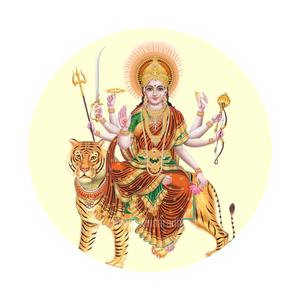
The presiding Goddess of this sacred Shaktipeeth is worshipped as Devi Jayanti. In regional custom and heartfelt folklore, She is also lovingly venerated as Maa Jainteshwari and in Her glorious Durga form. Mata Jayanti blesses Her devotees with inner victory, fearlessness, and freedom from spiritual tribulations.
Bhairava
In accordance with Shaktipeetha tradition, Lord Shiva resides here in His protective guardian aspect. The presiding Bhairava of Jayanti Shaktipeeth is revered as Lord Kramadishwara (also pronounced as Kamadishwara in regional recitations). This divine union of Shakti and Shiva bestows seekers with spiritual wisdom, steadfastness, and true detachment.
Religious significance
In Shakta worship, Jayanti Shaktipeeth is regarded as a divine sanctuary for strengthening soul force, upholding Dharma, and removing inner conflicts. Faithful devotees believe that offering reverent prayers here dispels spiritual darkness and grants the inner resolve needed to walk steadily upon the path of truth.
Puja and darshan
At the Nartiang temple in Meghalaya, daily rituals and worship harmoniously combine traditional Vedic Shakta rites with time-honored local customs. Devotees visit to seek darshan of the sanctum and the sacred altar, offering fresh flowers, fruits, incense, and lamps. Immersing oneself in quiet contemplation and japa within this peaceful environment is believed to bring profound spiritual merit.
Major festivals
Sharad Navratri and Durga Puja are celebrated here with immense piety, solemn joy, and historical dignity. A distinctive heritage tradition during this festival involves consecrating a banana plant wrapped in customary attire and sacred ornaments as the personified form of the Mother Goddess. Following the celebrations, the sacred immersion takes place in the holy Myntdu River. Special pujas are also observed during Vasant Navratri and Maha Shivratri.
History
Historically, the sovereignty of the Jaintia kings encompassed both the highlands of present-day Meghalaya and the lowlands of Sylhet. Nartiang served as the summer capital of the Jaintia rulers, while Jaintiapur (now in Sylhet, Bangladesh) was their winter seat. The Durga Temple at Nartiang, built approximately five to six centuries ago, bears timeless witness to the deep Shakta devotion of the royal dynasty. Following the partition in 1947, the historical geography of this holy tradition came to span across both modern borders.
How to reach
By Air: The nearest domestic airport is Umroi Airport (Shillong), situated around 65 kilometers away. For comprehensive domestic connectivity, Lokpriya Gopinath Bordoloi International Airport in Guwahati is approximately 150 kilometers away.
By Rail: The nearest major railhead is Guwahati Railway Station. From there, private and shared road transport to Nartiang is easily accessible.
By Road: Nartiang is well connected by road from Shillong (around 65 kilometers) and Jowai (around 24 kilometers), with frequent taxis and regional buses available.
Darshan timings
The Nartiang Durga Temple is generally open to pilgrims every day from 6:00 AM to 6:00 PM. Darshan schedules and daily timings may vary depending on festival rituals during Navratri and other sacred observances.
Distinctive traditions
Close to the temple grounds stands the renowned collection of giant stone monoliths in Nartiang, erected by ancient monarchs to commemorate significant historical events and ancestral lineages. Local faith holds that Maa Jainteshwari continually watches over Her devotees, and sincere prayers offered with pure devotion at this holy Peetha never go unanswered.
Spiritual message
The sacred message of Jayanti Shaktipeeth is that righteousness, truth, and spiritual surrender always triumph over temporal strife. Remembering Devi Jayanti reminds us that transcending worldly attachments and taking refuge in the divine grace of the Supreme Mother is the authentic pathway to lasting peace and Moksha.