


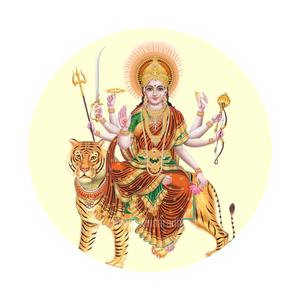
In the sacred pilgrimage city of Ujjain (ancient Avantika), Madhya Pradesh, on the picturesque banks of Rudra Sagar, stands Shri Harsiddhi Shaktipeeth. Situated in the sacred forest realm of Lord Mahakal, this divine shrine represents an exceptionally holy confluence of Shaiva and Shakta worship.
Introduction
Shri Harsiddhi Mata Temple is an esteemed shrine among the 51 sacred Shaktipeeths. It is situated roughly 500 metres from the Mahakaleshwar Jyotirlinga. In the sanctum sanctorum, vermilion-adorned Harsiddhi Mata is enshrined alongside Bhagavati Mahalakshmi, Mahasaraswati, and Bhagavati Annapurna. Two soaring Maratha-era Deepstambhas (lamp towers) standing in the spacious temple courtyard serve as the unique landmark of this holy abode.
The story of the Shaktipeeth
According to sacred traditions, after Bhagavati Sati sacrificed her body in the sacrificial fire of Daksha Prajapati, Lord Shiva wandered the universe carrying her sacred form in deep grief. To protect creation from dissolution and to restore cosmic balance, Lord Vishnu used the Sudarshana Chakra to divide Devi Sati’s physical form into various parts. The holy spots where her sacred limbs and ornaments fell became revered across the land as sanctified Shaktipeeths.
Ujjayinyam Kurparam Va Manglya Kapilambarah.
Bhairavah Siddhidah Sakshat Devi Mangala Chandika.
Sati’s body part or ornament
According to the classical Tantric text Peethanirnaya and traditional scriptural consensus, the sacred ‘Kurpara’ (right elbow) of Devi Sati fell at this sanctified site in Ujjayini. For this reason, Bhagavati is worshipped here in her Kurpara manifestation.
The name of the Devi
Scriptures revere the presiding Goddess of this Shaktipeeth as Bhagavati Mangala Chandika (Mangalachandika). In the Skanda Purana (Avanti Kshetra Mahatmya), it is related that after Bhagavati Chandi vanquished the demons Chanda and Prachanda, Lord Shiva bestowed upon her the name ‘Harsiddhi’—signifying the compassionate Shakti who fulfils the resolves of Lord Shiva.
Bhairava
The guardian Bhairava of the Ujjayini Shaktipeeth is revered as Mangalya Kapilambara (Kapilambara). The Peethanirnaya notes that the divine presence of Kapilambara Bhairava grants spiritual attainments and divine protection to seekers at this holy abode.
Religious significance
Harsiddhi Shaktipeeth is regarded as a sacred confluence of Tantra, Mantra, and Bhakti sadhana. Enshrined upon the main altar in the sanctum sanctorum is a sacred Shri Yantra, worshipped daily through both Vedic and Tantric traditions. Devotees believe that seeking Devi's grace here bestows auspiciousness, health, and heightened spiritual consciousness.
Puja and darshan
The temple follows an elaborate tradition of morning and evening Aarti. General darshan remains accessible from morning until night. During the evening Aarti, when the two grand Deepstambhas in the temple courtyard are illuminated, the entire complex glows with a golden aura. Devotees offer kumkum, vermilion, red chunari, and coconuts (shrifal) to Bhagavati.
Major festivals
Chaitra and Sharadiya Navratri are celebrated here with immense reverence and joy. A special Maha Puja is performed on the Navami tithi of Navratri. In addition, lakhs of pilgrims arrive during Mahashivratri and the sacred Mondays of Shravan month to seek the divine blessings of both Lord Mahakal and Devi Harsiddhi.
History
The present temple structure reflects the grandeur of Maratha architecture. Extensive renovations took place across the temple complex during the Maratha period in the 18th century. An ancient stepwell (baoli) also exists within the courtyard. Local tradition fondly remembers the righteous Emperor Vikramaditya as an ardent devotee who worshipped Bhagavati Harsiddhi daily as his Ishta Devi.
How to reach
This sacred shrine is a prominent spiritual landmark featured by the Ujjain District Administration. The temple is located merely 2.5 km from Ujjain Junction railway station, with e-rickshaws and auto-rickshaws easily accessible. Pilgrims visiting the Mahakaleshwar Jyotirlinga can conveniently reach the temple on foot. The nearest airport is Devi Ahilyabai Holkar Airport in Indore, situated approximately 55 km away.
Darshan timings
The temple generally remains open for devotees from 5:00 AM to 9:30 PM. The morning Aarti takes place between 5:30 AM and 6:00 AM, while the grand evening Aarti is conducted from 7:00 PM to 7:30 PM. Visiting hours are extended during major festive occasions.
Distinctive traditions
It is traditionally believed that prayers offered with a pure and sincere heart at Harsiddhi Mata’s shrine never go unfulfilled. Sponsoring or witnessing the lighting of lamps on the towering Deepstambhas is said to dispel the inner darkness of ignorance and bring auspicious peace and prosperity to the family.
Spiritual message
Harsiddhi Shaktipeeth conveys the timeless truth that the Divine Mother constantly protects righteousness and truth. When the human mind is troubled by inner turmoil and ego, surrendering to Bhagavati illumines the path toward peace, self-purification, and spiritual liberation.