


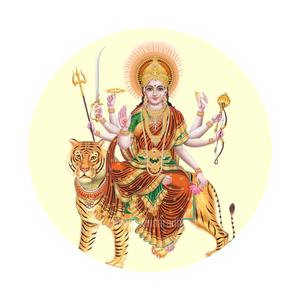
Located in the Deoghar district of Jharkhand, Shri Baba Baidyanath Dham is one of the most sacred pilgrimage centres of Sanatana Dharma. This revered kshetra is worshipped both as one of the twelve Jyotirlingas of Lord Shiva and as the celebrated Harda Shaktipeeth associated with Bhagavati Sati. Thus, the sacred traditions of Shiva and Shakti converge at this holy shrine.
Introduction
At Baidyanath Dham in Deoghar, Lord Shiva is worshipped as Shri Vaidyanath Jyotirlinga, while the Divine Mother is revered in Her Shakti form. According to the Shaktipeeth tradition, this sacred place is known as Harda Peetha or Hridaya Peetha, because the heart of Mata Sati is believed to have fallen here.
Baidyanath Dham is therefore regarded as one of the rare pilgrimage centres where Jyotirlinga and Shaktipeeth traditions are venerated within the same sacred complex.
The Story of the Shaktipeeth
According to sacred tradition, Mata Sati gave up Her mortal body at the Yajna of Prajapati Daksha after being deeply distressed by the dishonour shown to Lord Shiva. Overwhelmed by grief, Mahadeva carried Her sacred body and wandered across the universe.
To restore cosmic balance, Lord Vishnu used His Sudarshana Chakra to divide the mortal body of Mata Sati. The sacred places where Her limbs or ornaments fell later became revered as Shaktipeeths.
Sati's Body Part or Ornament
According to the Shaktipeeth tradition, the heart of Mata Sati fell upon this sacred ground. For this reason, the shrine came to be known as Harda Shaktipeeth or Hridaya Peetha.
Some traditional accounts also refer to this sacred region as Chitabhumi. A devotional belief further associates the area with the final rites of Mata Sati. This tradition is best understood as part of the sacred and regional religious memory of Baidyanath Dham.
The Name of the Devi
According to the Peethanirnaya tradition, the presiding Shakti of this Peetha is Mata Jayadurga. Other Puranic traditions also preserve the name Arogya in association with the divine Shakti of Vaidyanath Kshetra.
A traditional textual expression associated with this sacred region states—
Arogya Vaidyanathe Tu
The name 'Arogya' also resonates symbolically with the name Vaidyanath, the Divine Physician, linking the shrine with the spiritual ideal of healing and well-being.
Bhairava
The presiding Bhairava of this Shaktipeeth is Lord Vaidyanath Himself, worshipped here in the sacred form of the Jyotirlinga.
This makes Baidyanath Dham a profound symbol of the inseparable unity of Shiva and Shakti.
The Glory of Harda Peetha
Traditional sacred literature speaks highly of the spiritual greatness of the Hridaya or Harda Peetha. An old verse praising its sanctity is traditionally quoted as—
Hardapeethasya Sadrisham Nasti Bhugolamandale.
The verse expresses the devotional belief that Harda Peetha is among the most exalted and sacred Shakti Kshetras upon the earth. Variations of the wording may occur in different textual traditions.
The Sacred Union of Shiva and Shakti
One of the defining features of Baidyanath Dham is the union of the Jyotirlinga and Shaktipeeth traditions within the same sacred region. The shrine therefore holds profound importance not only for Shaiva devotees but also for practitioners of Shakta worship.
The traditional Dvadasha Jyotirlinga Stotram praises Lord Vaidyanath as eternally residing together with Girija—
Purvottare Prajvalika Nidhane Sada Vasantam Girija Sametam.
Surasuraradhita Pada Padmam Shri Vaidyanatham Tamaham Namami.
The verse beautifully expresses the idea of Lord Vaidyanath abiding together with Girija, reinforcing the sacred Shiva-Shakti character of this pilgrimage.
Religious Significance
Baidyanath Dham is revered as a great centre of healing, Bhakti and Shiva-Shakti worship. The name 'Vaidyanath' itself evokes Lord Shiva as the Divine Physician who removes not only bodily suffering but also the deeper afflictions of the mind and inner consciousness.
Since the Shaktipeeth tradition associates this shrine with the heart of Mata Sati, the pilgrimage is also symbolically connected with love, devotion, surrender and purification of the inner self.
Puja and Darshan
Daily worship at Baba Baidyanath Temple begins early in the morning. Devotees offer sacred water, Bilva leaves, flowers and other traditional offerings to Lord Vaidyanath.
The pilgrimage tradition also gives great importance to receiving the darshan of Mata Parvati and the associated Shakti shrine after worshipping Baba Vaidyanath. In the evening, Shringara, Puja and Aarti are performed with great devotion.
Major Festivals
Shravana month is the most important pilgrimage season at Baidyanath Dham. During this sacred period, vast numbers of Kanwariyas carry holy Ganga water from Sultanganj and undertake the pilgrimage to Deoghar to offer Jalabhisheka to Baba Vaidyanath.
Other important festivals include Mahashivratri, Basant Panchami, Chaitra Navratri and Sharadiya Navratri, all of which are celebrated with deep devotion.
The Chitabhumi Tradition
Baidyanath Kshetra is also traditionally associated with the ancient name Chitabhumi. Puranic and regional traditions regard the area as sacred in connection with rites associated with death, liberation and the journey of the soul.
Local Shaktipeeth tradition further connects the Chitabhumi identity with the sacred narrative of Mata Sati. This association is best understood as a religious tradition rather than as a historically verifiable event.
History
The sacred history of Baidyanath Dham extends deep into antiquity, and its earliest foundation cannot be assigned with certainty to a single historical period. Ancient traditions also associate the wider Deoghar region with old names such as Haritakivana and Ketakivana.
The present temple complex developed over different historical periods, with rulers, patrons and devotees contributing to its maintenance, reconstruction and expansion over the centuries.
How to Reach
By Rail: One of the nearest major railway stations is Jasidih Junction, located approximately 7 km from Baba Baidyanath Temple. Deoghar Junction and Baidyanathdham Junction also provide local rail connectivity.
By Air: Deoghar Airport is the nearest airport and provides air connectivity with major Indian cities.
By Road: Deoghar is well connected by road with major cities of Jharkhand, Bihar and neighbouring states. Local buses, taxis and auto-rickshaws are available for reaching the temple.
Darshan Timings
Darshan and Puja timings at Baba Baidyanath Temple may vary according to normal weekdays, Mondays, the Shravana pilgrimage season and major festivals. Morning worship and Jalabhisheka begin very early, while evening rituals include Shringara and Aarti. Devotees are advised to confirm the current temple timings before planning their visit.
Distinctive Traditions and Beliefs
One of the best-known traditions of Baidyanath Dham is the sacred Gathbandhan, in which the temple spire of Baba Vaidyanath and the spire of Mata Parvati are ritually linked with sacred red cloth or thread.
This tradition symbolises the inseparable union of Shiva and Shakti and is also associated by devotees with prayers for marital harmony, affection, stability and auspiciousness.
Another defining tradition of Baidyanath Dham is the Shravani Kanwar Yatra. Pilgrims carry sacred Ganga water from Sultanganj and travel more than 100 kilometres to Deoghar before offering the water to Baba Vaidyanath.
Spiritual Message
The Harda Shaktipeeth of Vaidyanath conveys the profound spiritual truth that Shiva and Shakti are inseparable. Since the shrine is associated with the heart of Mata Sati, it also symbolises love, devotion, surrender and purification of the inner consciousness.
The 'Vaidya' aspect of Lord Vaidyanath reminds the seeker that true healing is not limited to the physical body. Complete Arogya includes balance of body, mind, intellect and spiritual consciousness. The combined worship of Shiva and Shakti therefore inspires selfless Bhakti, inner peace and complete surrender to the Divine.