


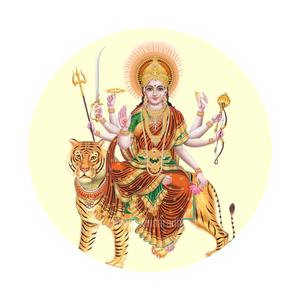
Situated on the serene banks of the Ajay River in Purba Bardhaman district of West Bengal, Shri Bahula Shaktipeeth is counted among the sacred fifty-one Shaktipeeths of Sanatana Dharma. Resting in the rural landscape of Ketugram, this revered pilgrimage reflects a divine blend of tranquil nature and the maternal grace of Bhagavati.
Introduction
Shri Bahula Shaktipeeth is located in Ketugram village under the Katwa subdivision of Purba Bardhaman district. Flowing nearby, the sacred waters of the Ajay River add to the spiritual sanctity of this holy shrine, which has offered peace, inner strength, and solace to devotees across generations. It holds an esteemed place among prominent centers of Shakti worship in eastern India.
The story of the Shaktipeeth
According to sacred tradition, Mata Sati sacrificed her life in the sacrificial fire after witnessing the dishonor of her divine consort, Lord Shiva, at the grand yajna hosted by her father, Daksha. Overcome with grief and divine sorrow, Lord Shiva traversed the cosmos performing the cosmic tandava while carrying Sati’s sacred form. To preserve cosmic order, Lord Vishnu utilized the Sudarshana Chakra to divide Sati’s form into fifty-one parts. Wherever her divine limbs or ornaments sanctified the earth, holy Shaktipeeths emerged.
Sati’s body part or ornament
According to the Pithanirnaya Tantra, the left arm, or vama bahu, of Devi Sati fell at this sacred site in Ketugram. In Sanatana tradition, the arm symbolizes strength, spiritual protection, and affectionate refuge. Seekers arrive here to surrender their worldly burdens and receive the blessing of divine fearlessness.
The name of the Devi
The presiding form of Adishakti worshipped here is known as Maa Bahula. In Sanskrit, the word Bahula signifies abundance, prosperity, and boundless compassion. Maa Bahula is revered as the auspicious mother who bestows her graceful shelter upon sincere devotees and nurtures spiritual aspiration.
Bhairava
In the Shaktipeeth tradition, every seat of the Divine Mother is guarded and accompanied by a corresponding Bhairava form of Lord Shiva. At Bahula Shaktipeeth, Lord Shiva presides as Bhairava Bhiruka. The Pithanirnaya Tantra affirms this divine union:
bahulāyāṃ vāmabāhur bahulākhyā ca devatā .
bhīruko bhairavastatra sarvasiddhipradāyakaḥ .
Bhairava Bhiruka is honored as the bestower of spiritual achievements and guardian against inner fears. Regional belief also associates the Bhootnath Shiva temple in the neighboring village of Srikhanda with this sacred Bhairava aspect.
Religious significance
Bahula Shaktipeeth holds deep spiritual significance within both Tantric and Vedic traditions of devotion. The quiet, contemplative surroundings offer seekers a sanctified space for concentration, inner purification, and resolve. Sincere prayers offered here are traditionally believed to bring domestic harmony, moral clarity, and spiritual progress.
Puja and darshan
Within the sanctum sanctorum of the temple, the ancient stone vigraha of Maa Bahula receives regular worship. Accompanying the central form of Bhagavati are sacred depictions honoring Lord Ganesha and Lord Kartikeya. In front of the temple, an open courtyard allows visiting pilgrims to sit peacefully for japa and quiet contemplation. Traditional morning and evening rituals, including Shodashopachara puja and Aarti, are conducted with sincere devotion.
Major festivals
Navratri during both the Ashwin and Chaitra periods, Durga Puja, Maha Shivaratri, and Kali Puja are observed here with heartfelt joy and reverence. During these sacred festivals, pilgrims travel from various parts of Bengal and beyond to partake in special rituals and seek the benevolent gaze of the Divine Mother.
History
The heritage of this temple at Ketugram is deeply rooted in centuries of local devotional history. Its architecture carries the simplicity typical of Bengal’s rural temples. While contemporary historical inscriptions regarding its original foundation remain modest, long-standing regional tradition links the sacred ground to ancient rulers and historical masters of Shakti sadhana who meditated upon these riverbanks.
How to reach
By Train: The nearest major railway station is Katwa Junction, situated approximately 12 to 15 kilometers from Ketugram. Katwa is well connected to Howrah, Sealdah, and Bardhaman. Local buses, auto-rickshaws, and e-rickshaws operate regularly from Katwa to the temple.
By Road: Ketugram is accessible via roadway connections linking it to Katwa, Bardhaman city, and parts of Birbhum. State transport buses and private vehicles ply along these routes routinely.
By Air: The nearest domestic air link is Kazi Nazrul Islam Airport in Andal near Durgapur, while Netaji Subhash Chandra Bose International Airport in Kolkata serves wider domestic and international travel.
Darshan timings
The gates of Maa Bahula temple generally remain open for darshan from 06:00 AM to 12:00 PM in the morning, and from 04:00 PM to 08:00 PM in the evening. Temple timings may extend during major festive observances and sacred parvas.
Distinctive traditions
Devotees deeply believe that those who offer sincere prayers at the feet of Maa Bahula are blessed with relief from anxiety and personal distress. The maternal grace of the Devi is especially cherished by families seeking wellbeing, peaceful homes, and protective care for their children.
Spiritual message
Bahula Shaktipeeth conveys the timeless truth that real spiritual power lies in the removal of ego and the advancement of Dharma. The presence of the Divine Mother’s left arm reminds every pilgrim that in divine surrender, all worldly fears dissolve, making way for abiding inner serenity.