


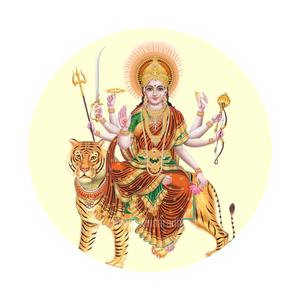
Shri Ratnavali Shaktipeeth is revered as one of the sacred fifty-one Shaktipeethas in the Sanatana tradition. Ancient Tantric treatises accord this holy shrine a pre-eminent position among Devi's sacred energy centres, venerating it as the sacred ground where the right shoulder of Mata Sati was consecrated.
Introduction
In the Shakta traditions of Bengal, Ratnavali Shaktipeeth is identified near the Khanakul-Krishnanagar region along the banks of the Ratnakar River in the Hooghly district of West Bengal. Local devotees affectionately address this sanctified shrine as Anandamayi Tala. Set amidst a tranquil rural landscape, this holy peetha remains an abode of divine serenity and pure contemplative devotion.
The story of the Shaktipeeth
According to sacred Puranic traditions, Mata Sati relinquished Her physical form through yogic fire after being unable to bear the insult inflicted upon Her consort, Mahadeva, during the grand sacrificial yajna organized by King Daksha.
Grief-stricken by the departure of Sati, Lord Shiva wandered across the universe holding Her sacred mortal frame. To preserve cosmic order and alleviate the profound renunciation of Lord Shiva, Lord Vishnu dispatched His Sudarshana Chakra to divide Mata Sati's form into distinct parts. Wherever these sacred limbs and ornaments touched the earth, holy Shaktipeethas came into being.
Sati’s body part or ornament
Classical scriptural and Tantric texts state that the right shoulder (dakshina skandha) of Mata Sati fell at Ratnavali. The authoritative scripture Tantrachudamani explicitly records:
ratnāvalyāṁ dakṣaskandhaḥ kumārī bhairavaḥ śivaḥ |
mithilāyāmumā devī vāmaskandho mahodaraḥ ||
The right shoulder of Bhagavati symbolizes inner resilience, spiritual protection, and supreme divine capability.
The name of the Devi
The presiding Devi of this sacred Shaktipeeth is reverently worshipped as Kumari. The Kumari aspect personifies perpetual purity, untainted innocence, and the unyielding energy of Adi Parashakti. In regional traditions, devotees also offer loving veneration to Her as Anandamayi Ma.
Bhairava
The Bhairava guarding this sacred Shaktipeeth is worshipped as Shiva Himself. In the surrounding region, this protective presence is honored as Ghanteshwar Shiva. The harmonious communion of Shakti and Shiva here guides spiritual seekers toward supreme self-realization.
Religious significance
Spiritual contemplation at the Shaktipeethas holds immense significance in Sanatana Dharma. Worshipping Devi Kumari at Ratnavali infuses the seeker's consciousness with purity and inner fortitude. It is believed that prayer offered with sincere devotion dispels mental agitation and gently illuminates the path of spiritual advancement.
Puja and darshan
Devotees participate in regular daily worship, pushpanjali, and sacred aarti rituals at the shrine. Pilgrims offer vermilion, fresh red blossoms, and traditional naivedya to Bhagavati. Seekers often sit in quiet contemplation within the peaceful temple surroundings, meditating and chanting verses from the Sri Durga Saptashati.
Major festivals
The celebrations of Sharadiya Durga Puja and Vasanta Navaratri are observed here with heartfelt reverence. During the nine sacred days of Navaratri, dedicated Chandi Path recitations and special spiritual rituals take place. On the sacred occasion of Maha Shivaratri, deepadan and elaborate worship are reverently offered to both the Shaktipeeth and Ghanteshwar Shiva.
History
References to Ratnavali Shaktipeeth are documented in ancient works such as the Tantrachudamani and the Shiva Charitra. Historically, Bengal has served as an essential center for Shakta sadhana. The Khanakul region of Hooghly district has historically sustained vibrant socio-religious traditions, preserving this holy peetha as an enduring beacon of living faith.
How to reach
Ratnavali Shaktipeeth (Khanakul, Hooghly) is well connected by road and railway networks.
By Rail: The nearest railway station is Arambagh, situated approximately 25 kilometres away. Frequent connecting trains and buses operate between Howrah Junction and Arambagh.
By Road: The temple is located roughly 80 kilometres from Kolkata by road. The site can be reached smoothly via private taxis or state transport buses.
By Air: The nearest air terminal is Netaji Subhash Chandra Bose International Airport in Kolkata, from where direct taxis and connecting buses are readily available.
Darshan timings
The temple sanctum remains open for darshan from morning until early afternoon, reopening later in the afternoon through the culmination of evening aarti. Operating hours are graciously extended during Navaratri and prominent festive days. Pilgrims are advised to schedule their sacred visit during daylight hours.
Distinctive traditions
Regional traditions affirm that worshipping Bhagavati in Her maiden Kumari form cleanses the heart of pretension and awakens pure sattvic strength. Devotees offer prayers at Her lotus feet seeking peace of mind, family welfare, and fulfillment of their righteous desires.
Spiritual message
Mata Kumari conveys the profound spiritual truth that realization of the Divine blossoms only in an unpretentious heart free from ego. The eternal union of Shakti and Shiva serves as an abiding reminder that divine consciousness and dynamic cosmic energy forever complete one another.