


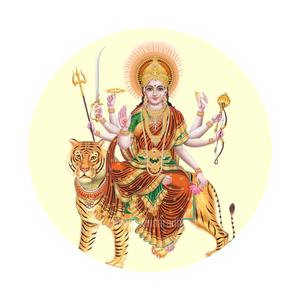
Associated with the sacred Himalayan region of Kashmir, Kashmir Mahamaya Shaktipeeth is revered among the ancient Shaktipeeth traditions of Sanatana Dharma. According to the Peethanirnaya tradition, the throat or Kantha of Mata Sati is believed to have fallen in Kashmir. The presiding Shakti is remembered as Bhagavati Mahamaya, while the associated Bhairava is Trisandhyeshwar. In many modern pilgrimage traditions, this sacred Peetha is identified with the holy Amarnath Cave, although differing traditions regarding its exact geographical location also exist.
Introduction
The sacred Amarnath Cave is situated in the Himalayan region of Jammu and Kashmir at an elevation of approximately 3,888 metres above sea level. It is one of the most revered pilgrimage sites dedicated to Lord Shiva and is famous for the naturally forming ice Lingam worshipped as Lord Amarnath or Amareshwar.
Several modern Shaktipeeth traditions also associate this sacred cave region with Kashmir Mahamaya Shaktipeeth. Older pilgrimage traditions further refer to natural ice formations within the cave associated with Mata Parvati and Shri Ganesha.
It is important to note that Amarnath is an extremely sacred Shiva pilgrimage associated with a naturally formed ice Lingam, but it is not included among the traditional twelve Jyotirlingas.
The Story of the Shaktipeeth
According to sacred tradition, Mata Sati relinquished Her mortal body during the Yajna of Prajapati Daksha after being deeply distressed by the dishonour shown to Lord Shiva.
Overwhelmed with grief, Lord Shiva carried Her sacred form across the cosmos. To restore cosmic balance, Lord Vishnu used His Sudarshana Chakra to divide the mortal body of Mata Sati. The sacred places where Her limbs or ornaments fell later came to be revered as Shaktipeeths.
Sati's Body Part or Ornament
According to the Peethanirnaya tradition, the Kantha, or throat, of Mata Sati is believed to have fallen in Kashmir.
Kashmire Kanthadeshash Cha Trisandhyeshvara Bhairavah.
Mahamaya Bhagavati Gunatita Varaprada.
In yogic symbolism, the throat region is associated with the Vishuddha Chakra. For this reason, devotees may interpret this Peetha as representing purity of speech, disciplined expression and clarity of inner resolve. This is best understood as a spiritual interpretation rather than a fixed scriptural promise.
The Name of the Devi
The presiding Goddess of Kashmir Shaktipeeth is remembered as Bhagavati Mahamaya.
Mahamaya represents the Supreme Divine Power through whom the universe is manifested, sustained and transformed. In the traditional verse, She is described as Gunatita, meaning that Her essential nature transcends the three Gunas of Sattva, Rajas and Tamas.
Bhairava
The Bhairava associated with Kashmir Shaktipeeth is Trisandhyeshwar.
The name Trisandhyeshwar refers to the Lord of the three sacred junctions of the day—morning, midday and evening. In Shakta tradition, the Devi and Bhairava represent the inseparable principles of Shakti and Shiva.
Different Traditions Regarding the Location
The traditional Shaktipeeth verse mentions only Kashmira, or Kashmir, and does not explicitly name the Amarnath Cave.
In many modern pilgrimage traditions, Kashmir Mahamaya Shaktipeeth is identified with the Amarnath Cave, where the fall of Mata Sati's throat is remembered.
However, Kashmir has also been home to several ancient centres of Devi worship, including traditions associated with Sharada Peeth and Kheer Bhawani. For this reason, the textual Kashmir Peetha and its precise modern geographical identification are best understood with awareness of these parallel traditions.
Amarnath and the Mahamaya Tradition
The primary religious identity of Amarnath is that of a sacred Shiva pilgrimage centred on the naturally forming ice Lingam.
Some Shakta traditions associate the nearby natural ice formation linked with Mata Parvati with the Mahamaya Shaktipeeth tradition.
Thus, the Amarnath region presents a devotional expression of Shiva and Shakti together—the ice form of Amareshwar Mahadeva and the remembrance of Bhagavati Mahamaya.
The Tradition of Amar Katha
One of the most famous sacred traditions of Amarnath recounts that Lord Shiva revealed the profound secret of immortality, or Amar Katha, to Mata Parvati inside this secluded Himalayan cave.
According to the devotional narrative, Lord Shiva left behind various companions and symbols at different points along the journey before entering the cave with Mata Parvati to impart this secret knowledge.
Many places along the traditional pilgrimage route, including Pahalgam, Chandanwari, Sheshnag and Panchtarni, are connected with episodes from this sacred narrative.
Religious Significance
The Amarnath region is primarily one of the great pilgrimage centres of Lord Shiva. Through its association with the Kashmir Mahamaya tradition, it also acquires a profound Shakta dimension.
The throat symbolism of the Peetha inspires devotees toward truthful speech, restraint and spiritual clarity, while the naturally forming ice Lingam of Amarnath represents the timeless Shiva principle within an ever-changing natural world.
Puja and Darshan
Darshan of the sacred Amarnath Cave is available only during the officially announced annual pilgrimage period.
Pilgrims enter the holy cave to receive Darshan of the naturally formed ice Lingam of Lord Amarnath. Older pilgrimage traditions also refer to nearby natural ice forms associated with Mata Parvati and Shri Ganesha.
Shakta devotees may remember Bhagavati Mahamaya within this same sacred region. Entry, Puja arrangements and pilgrimage procedures are regulated according to the annual arrangements issued by the Shri Amarnathji Shrine Board.
Major Festivals
The sacred month of Shravana holds special importance in the Amarnath pilgrimage tradition.
The annual Yatra is conducted during the summer pilgrimage season, while Shravana Purnima holds particular significance in the traditional observance of the pilgrimage.
The ancient Chhari Mubarak tradition is also closely associated with the annual Amarnath Yatra and carries special religious importance around Shravana Purnima.
History
The ancient name Amareshwar is associated with the Amarnath region in Kashmiri religious and historical traditions.
Kalhana's Rajatarangini preserves references connected with Amareshwar and the broader sacred geography of Kashmir.
The Nilamata Purana also preserves traditions relating to ancient sacred places of Kashmir, although the precise identification of individual references may vary across manuscripts and scholarly interpretations.
These traditions together demonstrate the deep antiquity of Shiva worship and Himalayan pilgrimage in the Kashmir region.
The Sacred Ice Lingam
The most distinctive feature of the Amarnath Cave is the naturally forming ice Lingam.
Water entering the cave freezes under the extremely cold conditions and gradually forms an ice column, which devotees worship as the self-manifest presence of Lord Amarnath.
Its size and form vary according to seasonal and natural conditions. Devotees regard this changing ice form as a profound manifestation of Shiva within nature.
The Two Main Routes to Amarnath
There are two principal pilgrimage routes to the sacred Amarnath Cave—the Pahalgam route and the Baltal route.
Pahalgam Route: The traditional route proceeds through Chandanwari, Pissu Top, Sheshnag and Panchtarni before reaching the holy cave. From Chandanwari, the trekking distance to the cave is approximately 32 kilometres. The longer route is generally completed in stages.
Baltal Route: The route from Baltal to the holy cave is approximately 14 kilometres. Although considerably shorter, it is steeper and more physically demanding because of the narrow and rugged Himalayan terrain.
Pilgrimage Arrangements
The Amarnath Yatra is a demanding high-altitude Himalayan pilgrimage. Weather conditions can change rapidly, and pilgrims may experience extreme cold, physical exhaustion and reduced oxygen levels at higher elevations.
During the annual Yatra, arrangements such as medical assistance, security, temporary accommodation, Langar and other essential facilities are provided at designated locations along the routes.
Pilgrims are required to follow the registration, health certification, age eligibility, travel permit and other conditions announced for that year's Yatra.
How to Reach
By Air: Srinagar serves as one of the principal air gateways for pilgrims travelling toward the Amarnath Yatra routes.
Via Pahalgam: Pilgrims travel by road toward the Nunwan-Pahalgam base camp and continue toward Chandanwari, from where the traditional mountain trek begins.
Via Baltal: Pilgrims travel from Srinagar toward Sonamarg and Baltal, from where the approximately 14-kilometre mountain route leads toward the sacred cave.
Rail, road and pilgrimage transport arrangements may change from year to year, so pilgrims should consult the latest official guidance issued by the Shri Amarnathji Shrine Board before beginning their journey.
Darshan Timings
The Amarnath Cave does not remain open for pilgrims throughout the year. Heavy snowfall and severe Himalayan weather make the region inaccessible during much of the year.
Darshan is available only during the annual summer Yatra period announced by the Shri Amarnathji Shrine Board.
Daily access and Darshan hours may change depending on weather, route conditions, security arrangements and the number of pilgrims. Therefore, there is no permanent year-round Darshan schedule for the holy cave.
Distinctive Traditions and Beliefs
The most famous belief associated with Amarnath is that Lord Shiva revealed the sacred Amar Katha, the mystery of immortality, to Mata Parvati inside this cave.
Within the Kashmir Mahamaya Shaktipeeth tradition, the fall of Mata Sati's throat gives the region an additional Shakta significance.
Thus, devotees remember both the immortal Shiva principle and the sacred presence of Mahamaya Shakti within the same Himalayan landscape.
Spiritual Message
The pilgrimage to Kashmir Mahamaya Shaktipeeth and Amarnath represents both an outer journey through difficult Himalayan terrain and an inner journey of discipline, faith and self-restraint.
The throat symbolism of the Peetha inspires the seeker to cultivate truthful speech, thoughtful expression and purity of intention.
The sacred ice form of Lord Shiva further reminds the devotee that even within an ever-changing world, an eternal consciousness remains untouched and ever-present.