


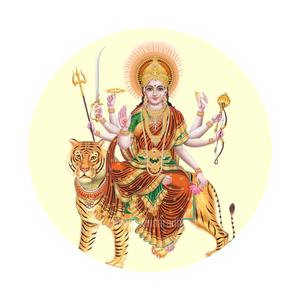
Shri Kalmadhav Shaktipeeth holds a revered place among the fifty-one sacred Shaktipeethas of Bhagavati Adishakti. In the sacred tradition of Shakta worship within Sanatana Dharma, this divine shrine is intimately associated with the Amarkantak region, situated at the confluence of the Vindhya and Satpura mountain ranges in Madhya Pradesh. Located near the sacred source of the Narmada and Shona rivers, this sanctified landscape is known for its pristine natural beauty and the serene atmosphere of an ancient land of penance.
Introduction
Kalmadhav Shaktipeeth is counted among the revered sanctuaries sanctified by the fall of Mata Sati's divine form. In sacred pilgrimage tradition, this Peetha is identified with the holy Amarkantak region in the Anuppur district of Madhya Pradesh. In the peaceful lap of nature, spiritual seekers and devotees experience the boundless grace and maternal presence of Bhagavati Adishakti.
The story of the Shaktipeeth
According to sacred Puranic accounts, when Mata Sati renounced Her physical body in the sacrificial fire of Daksha Prajapati's yajna, Lord Shiva carried Her sacred form across the cosmos in profound grief and renunciation. To restore universal balance and relieve Lord Shiva of His sorrow, Lord Vishnu gently severed Sati's mortal frame into fifty-one sanctified parts with His Sudarshana Chakra. Wherever these sacred limbs and ornaments descended upon the earth, those sacred grounds became revered as holy Shaktipeethas.
Sati’s body part or ornament
According to the authoritative Peetha-Nirnaya verses of the classical text Tantra Chudamani, Mata Sati's left buttock (Nitamba) fell at the sacred site of Kalmadhav. Because of this divine occurrence, the sanctified region is venerated as a vital center of Shakta consciousness.
The name of the Devi
At Kalmadhav Shaktipeeth, Bhagavati Adishakti is worshipped in the form of Devi Kali. Scriptural traditions celebrate Her as 'Susiddhida', the granter of noble wisdom, spiritual fulfillment, and higher consciousness to sincere seekers.
Bhairava
As the guardian deity and protector of this Shaktipeeth, Lord Shiva is enshrined in the form of Asitanga Bhairava. In the consecrated Shaktipeeth tradition, paying homage to Bhairava alongside the worship of Shakti is considered essential for spiritual completion and divine protection.
Religious significance
The profound spiritual sanctity of Kalmadhav Shaktipeeth is extolled in the sacred verse of Tantra Chudamani:
'Nitambam Kalamabhave Bhairavaschasitangashcha Devi Kali Susiddhida'
This scriptural affirmation signifies that the protective presence of Maa Kali and Asitanga Bhairava liberates devotees from worldly obstacles and bestows spiritual attainment and inner peace.
Puja and darshan
Devotees offer prayers to Devi Kali and Lord Shiva in His form as Asitanga Bhairava with deep reverence. Traditional rituals include the lighting of sacred lamps, offering fresh flowers, kumkum archana, and the chanting of devotional stotras. Spiritual seekers engage in silent dhyana and sacred japa here to attain mental clarity and spiritual tranquility.
Major festivals
Navratri in both Chaitra and Ashvin months is celebrated with solemn devotional joy in the Kalmadhav region. In addition, Mahashivratri is observed with sacred abhishekha, night vigils, and deep devotion honoring the inseparable union of Shiva and Shakti.
History
The mountainous expanse of Amarkantak has been a celebrated realm of meditation for sages, ascetics, and pilgrims since ancient times. Historically, this cultural landscape received spiritual patronage under the Kalachuri and subsequent regional dynasties. While scriptural references to the Kalmadhav Peetha are primarily preserved in Shakta tantric texts, regional tradition has woven it into the unbroken pilgrimage stream of the Amarkantak region.
How to reach
Pilgrims traveling to the sacred Peetha reach Amarkantak, with civic and tourist guidance provided through the official portal of the Anuppur District Administration.
By Rail: The nearest railway stations are Pendra Road (approximately 42 km) and Anuppur Junction (approximately 70 km). Regular state transport buses and taxi services operate from both stations to Amarkantak.
By Road: Amarkantak is well connected by road to major regional centers such as Jabalpur, Bilaspur, Shahdol, and Dindori.
By Air: The nearest domestic airports are located at Jabalpur in Madhya Pradesh, as well as Raipur and Bilaspur in Chhattisgarh.
Darshan timings
Temples in the Amarkantak region are generally open for darshan from 6:00 AM to 12:00 PM in the morning, and from 4:00 PM to 8:00 PM in the evening. Temple hours may be extended during auspicious festivals and major pilgrimage periods.
Distinctive traditions
Devotees hold the faith that remembrance and darshan at this sacred Peetha dispel fear, darkness, and ignorance. The spiritual aura surrounding the origins of the sacred Narmada and Shona rivers renders this sanctified region especially meritorious for scriptural study, japa, and tranquil meditation.
Spiritual message
Kalmadhav Shaktipeeth conveys the timeless truth that the divine harmony of Shiva and Shakti is the foundation of all creation. The motherly form of Kali inspires humanity to transcend fear and temporal bondage, while the watchful presence of Bhairava illuminates the path of awareness, detachment, and spiritual surrender.