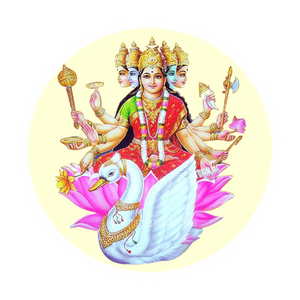
गायत्री मंत्र सनातन परंपरा के सर्वाधिक प्रसिद्ध वैदिक मंत्रों में से एक है। इसका मूल पाठ ऋग्वेद के तृतीय मण्डल के बासठवें सूक्त की दसवीं ऋचा में मिलता है। इस मंत्र के ऋषि विश्वामित्र, छन्द गायत्री और देवता सविता माने जाते हैं। सविता उस दिव्य प्रेरक और प्रकाशमय सत्ता का नाम है जो समस्त जगत को गति, चेतना और शुभ प्रेरणा प्रदान करती है।
“गायत्री” शब्द का प्रयोग वैदिक छन्द के लिए भी होता है और बाद की उपासना परंपराओं में इसी दिव्य ज्ञान-शक्ति को माता गायत्री अथवा वेदमाता गायत्री के रूप में पूजा जाता है। गायत्री मंत्र में परम दिव्य प्रकाश का ध्यान करके अपनी बुद्धि को सत्य, विवेक और धर्म के मार्ग पर प्रेरित करने की प्रार्थना की जाती है।
सामान्य जप में मंत्र से पहले “ॐ भूर्भुवः स्वः” तीन महाव्याहृतियाँ बोली जाती हैं। मूल ऋग्वैदिक ऋचा “तत्सवितुर्वरेण्यं…” से आरंभ होती है। सभी विस्तृत विधियों का पालन करना सामान्य भक्तिपूर्ण स्मरण के लिए अनिवार्य नहीं है; विधिवत संध्यावन्दन, प्राणायाम, न्यास और विशेष जप अपने गुरु तथा पारिवारिक परंपरा के अनुसार करना चाहिए।
शुद्ध गायत्री मंत्र
ॐ भूर्भुवः स्वः।
तत्सवितुर्वरेण्यं भर्गो देवस्य धीमहि।
धियो यो नः प्रचोदयात्॥
सरल अर्थ: हम उस परम पूजनीय सविता देव के दिव्य और पवित्र प्रकाश का ध्यान करते हैं। वह परम प्रकाश हमारी बुद्धि को सत्य, विवेक और शुभ कर्मों की ओर प्रेरित करे।
गायत्री मंत्र का मूल वैदिक पाठ
ऋग्वेद में गायत्री मंत्र की मूल ऋचा बिना प्रणव और महाव्याहृतियों के इस प्रकार मिलती है:
तत्सवितुर्वरेण्यं भर्गो देवस्य धीमहि।
धियो यो नः प्रचोदयात्॥
स्रोत: ऋग्वेद 3.62.10। यही ऋचा यजुर्वेद की विभिन्न शाखाओं में भी प्राप्त होती है।
गायत्री मंत्र के ऋषि, छन्द और देवता
ऋषि: महर्षि विश्वामित्र।
छन्द: गायत्री छन्द—तीन चरणों वाला वैदिक छन्द, जिसके प्रत्येक चरण में आठ अक्षर माने जाते हैं।
देवता: सविता देव।
प्रमुख भाव: दिव्य प्रकाश का ध्यान और बुद्धि के लिए शुभ प्रेरणा की प्रार्थना।
महत्वपूर्ण: सविता का संबंध सूर्य के प्रकाश और प्रेरक शक्ति से है, लेकिन मंत्र को केवल दृश्यमान सूर्य के भौतिक गोले की स्तुति तक सीमित नहीं समझना चाहिए। इसमें परम दिव्य प्रकाश और चेतना का ध्यान किया जाता है।
गायत्री मंत्र का शब्दार्थ
ॐ: प्रणव; परमात्मा और सम्पूर्ण अस्तित्व का पवित्र ध्वनि-प्रतीक।
भूः: पृथ्वी अथवा स्थूल जगत की महाव्याहृति।
भुवः: अन्तरिक्ष, प्राण अथवा मध्यलोक की महाव्याहृति।
स्वः: द्युलोक, प्रकाश अथवा उच्च चेतना की महाव्याहृति।
तत्: उस परम दिव्य सत्ता को।
सवितुः: सृष्टि को प्रेरित, प्रकाशित और गतिशील करने वाले सविता देव का।
वरेण्यं: वरण करने योग्य, श्रेष्ठ और पूजनीय।
भर्गः: पवित्र करने वाला दिव्य तेज अथवा प्रकाश।
देवस्य: उस दिव्य सत्ता का।
धीमहि: हम ध्यान करते हैं अथवा धारण करते हैं।
धियः: बुद्धियों, विचार-शक्तियों अथवा विवेक को।
यः: जो।
नः: हमारी।
प्रचोदयात्: प्रेरित करे, प्रकाशित करे अथवा उचित दिशा प्रदान करे।
ॐ भूर्भुवः स्वः का अर्थ
भूः, भुवः और स्वः को तीन महाव्याहृतियाँ कहा जाता है। वैदिक अर्थ में ये पृथ्वी, अन्तरिक्ष और द्युलोक का बोध कराती हैं। आध्यात्मिक व्याख्याओं में इन्हें स्थूल जीवन, प्राण एवं मन तथा उच्च चेतना या दिव्य प्रकाश के स्तरों से भी जोड़ा जाता है। विभिन्न वेद-शाखाओं और दार्शनिक परंपराओं में इनकी व्याख्या में अंतर मिल सकता है।
गायत्री मंत्र का भावार्थ
हे समस्त जगत को प्रेरणा और प्रकाश प्रदान करने वाले परमात्मा! हम आपके उस श्रेष्ठ, पवित्र और दिव्य तेज का ध्यान करते हैं। वह प्रकाश हमारी बुद्धि से अज्ञान, भ्रम और अनुचित विचारों को दूर करके हमें सत्य, विवेक, धर्म और सदाचार के मार्ग पर चलने की प्रेरणा प्रदान करे।
गायत्री मंत्र में किसी सांसारिक वस्तु की सीधी माँग नहीं की गई है। इसकी मूल प्रार्थना बुद्धि के प्रकाश, शुभ प्रेरणा और सही दिशा के लिए है। यही कारण है कि इसे ज्ञान, ध्यान और आत्मचिन्तन का अत्यंत महत्वपूर्ण वैदिक मंत्र माना जाता है।
गायत्री मंत्र का सही उच्चारण
ॐ भूर्भुवः स्वः।
तत्-सवितुर्-वरेण्यं भर्गो देवस्य धीमहि।
धियो यो नः प्रचोदयात्॥
भूर्भुवः: “भूर्-भुवः” के रूप में स्पष्ट बोलें।
सवितुर्वरेण्यं: “सवितुर्-वरेण्यं”; इसे “सवितुर वरेनियम” न बोलें।
भर्गो: “भर्-गो”; ‘र्ग’ संयुक्त ध्वनि स्पष्ट रखें।
धीमहि: इसमें “धी” दीर्घ है।
धियो यो नः: “धियो-यो-नः” शब्दों को आपस में मिलाकर अस्पष्ट न करें।
प्रचोदयात्: अंतिम ‘त्’ हलन्त के साथ स्पष्ट करें।
ध्यान रखें: वैदिक स्वर सहित पाठ सामान्य बोलचाल के उच्चारण से अलग हो सकता है। स्वरयुक्त वैदिक पाठ सीखने के लिए योग्य वेदपाठी आचार्य से मार्गदर्शन लेना उचित है।
माता गायत्री का सरल नाम मंत्र
माता गायत्री के सरल नाम-स्मरण के लिए इस मंत्र का जाप किया जा सकता है।
ॐ गायत्र्यै नमः॥
अर्थ: वेदमाता, ज्ञान और दिव्य प्रकाश की स्वरूपा माता गायत्री को मैं श्रद्धापूर्वक नमस्कार करता हूँ।
गायत्री मंत्र जाप की सरल विधि
स्नान करके स्वच्छ वस्त्र धारण करें और शांत स्थान पर बैठें।
प्रातःकाल पूर्व दिशा तथा सायंकाल अपनी परंपरा के अनुसार उचित दिशा की ओर मुख करें।
भगवान श्री गणेश, अपने गुरु और इष्टदेव का स्मरण करें।
कुछ क्षण श्वास को सहज और मन को शांत करें; श्वास को जबरदस्ती रोकने का प्रयास न करें।
मंत्र का उच्चारण धीरे, स्पष्ट और अर्थ का ध्यान रखते हुए करें।
सामान्य भक्तिपूर्ण पाठ में अपनी क्षमता के अनुसार 3, 11 अथवा 108 बार जाप किया जा सकता है।
विधिवत संध्यावन्दन और निश्चित जप-संख्या अपनी गुरु, कुल या वैदिक परंपरा के अनुसार रखें।
जाप के अंत में अपनी बुद्धि, वाणी और कर्मों को सत्य तथा सदाचार की दिशा में ले जाने की प्रार्थना करें।
गायत्री मंत्र का जाप उच्च स्वर से, धीमे स्वर में अथवा मानसिक रूप से किया जा सकता है। आरंभिक साधक स्पष्ट उच्चारण सीखने के लिए धीमी आवाज में पाठ कर सकते हैं। अभ्यास होने पर अर्थ का ध्यान रखते हुए उपांशु या मानसिक जाप किया जा सकता है।
गायत्री मंत्र का जाप कब करें?
विधिवत वैदिक परंपरा में गायत्री मंत्र का संबंध तीन संध्याओं से माना जाता है:
प्रातः संध्या: सूर्योदय से पहले से लेकर सूर्योदय के आसपास का समय।
मध्याह्न संध्या: दोपहर का समय, जब सूर्य आकाश में ऊँचा हो।
सायं संध्या: सूर्यास्त से पहले और सूर्यास्त के आसपास का समय।
सामान्य भक्तिपूर्ण स्मरण दिन के अन्य समय भी किया जा सकता है, लेकिन नियमित साधना के लिए प्रातःकाल का शांत समय सबसे सुविधाजनक माना जाता है। विशेष संध्यावन्दन-विधि में समय, आसन, दिशा, प्राणायाम और जप-संख्या के नियम अपनी परंपरा से सीखने चाहिए।
गायत्री मंत्र और माता गायत्री में क्या संबंध है?
वैदिक दृष्टि से “गायत्री” मूलतः एक छन्द का नाम है और इस विशेष मंत्र की देवता सविता हैं। बाद की धार्मिक एवं उपासना परंपराओं में गायत्री को दिव्य ज्ञान, वेद और ब्रह्मतेज की देवी के रूप में साकार स्वरूप दिया गया, जिन्हें माता गायत्री अथवा वेदमाता कहा जाता है। इसलिए मंत्र, छन्द और देवी—इन तीनों संदर्भों को समझना उपयोगी है।
गायत्री मंत्र जाप का पारंपरिक महत्व
बुद्धि को सत्य और शुभ कर्मों की ओर प्रेरित करने की प्रार्थना के लिए।
मन को एकाग्र करके आत्मचिन्तन और ईश्वर-स्मरण के लिए।
वाणी, विचार और कर्मों में शुद्धता लाने की प्रेरणा के लिए।
अनुशासन और नियमित आध्यात्मिक दिनचर्या विकसित करने के लिए।
अज्ञान, भ्रम और अनुचित विचारों से ऊपर उठने की प्रार्थना के लिए।
प्राप्त बुद्धि और ज्ञान का लोककल्याण में उपयोग करने की प्रेरणा के लिए।
मंत्र-जाप का वास्तविक महत्व उसके अर्थ को जीवन में धारण करने में है। यदि व्यक्ति मंत्र का जाप तो करे, लेकिन अपने व्यवहार में असत्य, हिंसा, अहंकार और अन्याय को बनाए रखे, तो साधना का मूल उद्देश्य पूरा नहीं होता।
गायत्री मंत्र के लाभ: धार्मिक मान्यता और वैज्ञानिक दृष्टि
धार्मिक परंपरा: गायत्री मंत्र को बुद्धि के प्रकाश, आत्मशुद्धि, विवेक, सद्बुद्धि और आध्यात्मिक उन्नति की प्रार्थना माना जाता है। नियमित जाप साधक को अनुशासित और ध्यानपूर्ण जीवन की प्रेरणा दे सकता है।
वैज्ञानिक दृष्टि: मंत्र-आधारित ध्यान पर हुए कुछ अध्ययनों में तनाव और चिंता जैसे मानसिक लक्षणों में छोटे से मध्यम स्तर के सुधार के संकेत मिले हैं, लेकिन अध्ययन सीमित हैं और उनमें पक्षपात की आशंका भी बताई गई है। ये निष्कर्ष विशेष रूप से केवल गायत्री मंत्र के लिए प्रमाण नहीं हैं।
इसलिए “चेहरे पर निश्चित चमक”, “बुद्धि तुरंत तेज होना”, “सभी रोग दूर होना” अथवा “इन्द्रियाँ स्वतः बेहतर होना” जैसे दावों को वैज्ञानिक रूप से सिद्ध तथ्य नहीं लिखना चाहिए। मंत्र-जाप को आध्यात्मिक साधना और ध्यान का माध्यम मानें, चिकित्सा या मानसिक स्वास्थ्य उपचार का विकल्प नहीं।
गायत्री मंत्र जाप में आवश्यक सावधानियाँ
मंत्र का पाठ जल्दबाजी या अत्यधिक तेज गति से न करें।
उच्चारण सीखते समय प्रामाणिक पाठ और योग्य शिक्षक की सहायता लें।
प्राणायाम के नाम पर श्वास को लंबे समय तक जबरदस्ती न रोकें।
चक्कर, श्वास की समस्या अथवा अस्वस्थता होने पर सामान्य श्वास लेते हुए जाप करें।
विधिवत वैदिक संध्यावन्दन और विशेष अनुष्ठान में अपनी गुरु-परंपरा के नियमों का पालन करें।
मंत्र से परीक्षा, नौकरी, धन या स्वास्थ्य से संबंधित निश्चित परिणाम का दावा न करें।
मंत्र-जाप को चिकित्सकीय उपचार, अध्ययन, परिश्रम या व्यावहारिक निर्णयों का विकल्प न मानें।
The Gayatri Mantra is one of the most renowned Vedic mantras in the Sanatana tradition. Its original text appears in the tenth Richa of the sixty-second Sukta in the third Mandala of the Rigveda. Maharishi Vishvamitra is regarded as its Rishi, Gayatri as its Chhanda and Savita as its presiding deity. Savita refers to the divine, illuminating and inspiring power that gives movement, consciousness and auspicious direction to the entire universe.
The word “Gayatri” is also used for a Vedic metre. In later traditions of worship, this divine power of wisdom came to be worshipped in a personified form as Goddess Gayatri or Vedamata Gayatri. In the Gayatri Mantra, devotees meditate upon the Supreme Divine Light and pray that their intellect may be inspired towards truth, discernment and Dharma.
During general Jaap, the three Mahavyahritis “Om Bhur Bhuvah Svah” are recited before the mantra. The original Rigvedic Richa begins with “Tat Savitur Varenyam…”. Following every elaborate ritual is not essential for simple devotional remembrance. Formal Sandhyavandana, Pranayama, Nyasa and specialised Jaap should be performed according to the guidance of one’s Guru and family tradition.
Correct Gayatri Mantra
Om Bhur Bhuvah Svah.
Tat Savitur Varenyam Bhargo Devasya Dhimahi.
Dhiyo Yo Nah Prachodayat॥
Simple Meaning: We meditate upon the sacred and supremely worshipful divine light of Savita Deva. May that Supreme Light inspire our intellect towards truth, discernment and auspicious actions.
Original Vedic Text of the Gayatri Mantra
In the Rigveda, the original Richa of the Gayatri Mantra appears without the Pranava and Mahavyahritis as follows:
Tat Savitur Varenyam Bhargo Devasya Dhimahi.
Dhiyo Yo Nah Prachodayat॥
Source: Rigveda 3.62.10. This Richa is also found in different recensions of the Yajurveda.
Rishi, Chhanda and Devata of the Gayatri Mantra
Rishi: Maharishi Vishvamitra.
Chhanda: Gayatri Chhanda—a Vedic metre consisting of three Padas, traditionally understood to contain eight syllables in each Pada.
Devata: Savita Deva.
Principal meaning: Meditation upon the Divine Light and a prayer for auspicious inspiration of the intellect.
Important: Savita is associated with the illuminating and inspiring power of the Sun, but the mantra should not be understood as being limited only to the physical solar sphere visible in the sky. It meditates upon the Supreme Divine Light and consciousness.
Word-by-Word Meaning of the Gayatri Mantra
Om: The Pranava; the sacred sound-symbol of the Supreme Being and the entirety of existence.
Bhur: The Mahavyahriti associated with the Earth or the physical world.
Bhuvah: The Mahavyahriti associated with the intermediate realm, vital energy or the space between Earth and Heaven.
Svah: The Mahavyahriti associated with the celestial realm, divine light or higher consciousness.
Tat: That Supreme Divine Reality.
Savituh: Of Savita Deva, who inspires, illuminates and sets creation into motion.
Varenyam: Worthy of acceptance, excellent and worthy of worship.
Bhargah: The purifying divine radiance or spiritual light.
Devasya: Of that Divine Being.
Dhimahi: We meditate upon or hold within our awareness.
Dhiyah: Intellects, powers of thought or faculties of discernment.
Yah: Who.
Nah: Our.
Prachodayat: May inspire, illuminate or guide in the proper direction.
Meaning of Om Bhur Bhuvah Svah
Bhur, Bhuvah and Svah are known as the three Mahavyahritis. In the Vedic sense, they refer to the Earth, the intermediate realm and the celestial realm. In spiritual interpretations, they are also associated with the physical level of life, Prana and mind, and the level of higher consciousness or divine illumination. Their interpretations may vary across different Vedic recensions and philosophical traditions.
Deeper Meaning of the Gayatri Mantra
O Supreme Being who inspires and illuminates the entire universe! We meditate upon Your excellent, pure and divine radiance. May that light remove ignorance, confusion and improper thoughts from our intellect and inspire us to follow the path of truth, discernment, Dharma and righteous conduct.
The Gayatri Mantra does not directly ask for any worldly possession. Its central prayer is for illumination of the intellect, auspicious inspiration and the right direction in life. For this reason, it is regarded as an especially important Vedic mantra of knowledge, meditation and self-reflection.
Correct Pronunciation of the Gayatri Mantra
Om Bhur Bhuvah Svah.
Tat-Savitur-Varenyam Bhargo Devasya Dhimahi.
Dhiyo Yo Nah Prachodayat॥
Bhur Bhuvah: Pronounce it clearly as “Bhur-Bhuvah”.
Savitur Varenyam: Pronounce it as “Savitur-Varenyam”; avoid mispronouncing it as “Savitur Vareniyam”.
Bhargo: Pronounce it as “Bhar-go”, keeping the combined “rg” sound clear.
Dhimahi: The “Dhi” sound is long.
Dhiyo Yo Nah: Do not merge the words “Dhiyo-Yo-Nah” in a way that makes them unclear.
Prachodayat: Pronounce the final “t” clearly.
Important: Recitation with Vedic accents may differ from ordinary spoken pronunciation. Guidance from a qualified Vedic Acharya is advisable for learning the mantra with the correct Vedic Svaras.
Simple Name Mantra of Goddess Gayatri
This mantra may be chanted for the simple remembrance of Goddess Gayatri.
Om Gayatryai Namah॥
Meaning: I offer my respectful salutations to Goddess Gayatri, Vedamata and the embodiment of knowledge and divine light.
Simple Method of Chanting the Gayatri Mantra
Take a bath, wear clean clothes and sit in a peaceful place.
Face east in the morning and an appropriate direction in the evening according to your tradition.
Remember Lord Shri Ganesha, your revered Guru and your chosen deity.
Allow the breath to become natural and the mind to become calm for a few moments. Do not forcibly hold the breath.
Recite the mantra slowly and clearly while contemplating its meaning.
For general devotional recitation, it may be chanted 3, 11 or 108 times according to one’s capacity.
Follow the rules for formal Sandhyavandana and a fixed number of repetitions according to your Guru, family or Vedic tradition.
At the conclusion of the Jaap, pray that your intellect, speech and actions may be guided towards truth and righteous conduct.
The Gayatri Mantra may be recited aloud, in a soft voice or mentally. Beginners may chant it softly while learning the correct pronunciation. With practice, it may be performed as Upanshu or mental Jaap while contemplating its meaning.
When Should the Gayatri Mantra Be Chanted?
In the formal Vedic tradition, the Gayatri Mantra is associated with the three Sandhyas:
Pratah Sandhya: The period before sunrise and around the time of sunrise.
Madhyahna Sandhya: The midday period when the Sun is high in the sky.
Sayam Sandhya: The period before sunset and around the time of sunset.
General devotional remembrance may also be performed at other times of the day, but the quiet morning period is usually considered the most convenient for regular Sadhana. The rules regarding time, Asana, direction, Pranayama and the number of repetitions in formal Sandhyavandana should be learned from one’s own tradition.
What Is the Relationship Between the Gayatri Mantra and Goddess Gayatri?
From the Vedic perspective, “Gayatri” is originally the name of a Chhanda, while Savita is the presiding deity of this particular mantra. In later religious and devotional traditions, Gayatri was given a personified divine form as the Goddess of sacred knowledge, the Vedas and Brahmatejas. She is worshipped as Goddess Gayatri or Vedamata. It is therefore useful to understand the three related but distinct contexts of the mantra, the metre and the Goddess.
Traditional Significance of Gayatri Mantra Jaap
To pray that the intellect may be inspired towards truth and auspicious actions.
To concentrate the mind for self-reflection and remembrance of the Divine.
To seek inspiration for purity in speech, thought and action.
To develop discipline and a regular spiritual routine.
To pray for rising above ignorance, confusion and improper thoughts.
To seek inspiration for using acquired intelligence and knowledge for the welfare of others.
The true significance of Mantra Jaap lies in embodying its meaning in one’s life. If a person chants the mantra but continues to practise falsehood, violence, pride and injustice, the essential purpose of the Sadhana remains unfulfilled.
Benefits of the Gayatri Mantra: Religious Belief and Scientific Perspective
Religious tradition: The Gayatri Mantra is regarded as a prayer for illumination of the intellect, inner purification, discernment, righteous wisdom and spiritual progress. Regular Jaap may inspire the devotee towards a more disciplined and meditative way of life.
Scientific perspective: Some studies on mantra-based meditation have indicated small to moderate improvements in mental symptoms such as stress and anxiety. However, the available studies are limited, and concerns regarding possible bias have also been noted. These findings do not constitute evidence specifically for the Gayatri Mantra alone.
Therefore, claims such as “a guaranteed glow on the face”, “an immediate increase in intelligence”, “the removal of every disease” or “automatic improvement of the senses” should not be presented as scientifically proven facts. Mantra Jaap should be regarded as a spiritual and meditative practice, not as a substitute for medical or mental healthcare.
Essential Precautions While Chanting the Gayatri Mantra
Do not recite the mantra hurriedly or at an excessively rapid pace.
Use an authentic text and seek assistance from a qualified teacher while learning the pronunciation.
Do not forcibly hold the breath for extended periods in the name of Pranayama.
If you experience dizziness, breathing difficulty or discomfort, chant while breathing normally.
Follow the rules of your Guru tradition for formal Vedic Sandhyavandana and specialised Anushthan.
Do not claim that the mantra guarantees definite results related to examinations, employment, wealth or health.
Do not treat Mantra Jaap as a substitute for medical treatment, study, sincere effort or practical decision-making.