

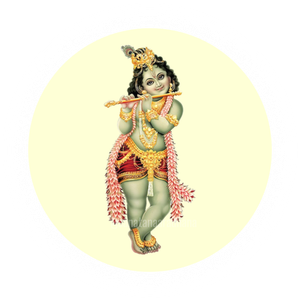
श्रीकृष्ण जन्माष्टमी 2026 इस वर्ष 4 सितंबर 2026, शुक्रवार को मनाई जाएगी। भाद्रपद मास के कृष्ण पक्ष की अष्टमी तिथि पर भगवान श्रीकृष्ण के जन्मोत्सव के रूप में जन्माष्टमी का पावन पर्व मनाया जाता है। इस दिन भक्त उपवास रखते हैं, भगवान श्रीकृष्ण के बाल स्वरूप लड्डू गोपाल की पूजा करते हैं और रात्रि में उनके जन्म की प्रतीक्षा करते हुए भजन, कीर्तन एवं नाम-स्मरण करते हैं।
जन्माष्टमी 2026 की तिथि और पूजा का समय
अष्टमी तिथि 4 सितंबर को प्रातः लगभग 2:25 बजे प्रारंभ होकर 5 सितंबर को रात्रि लगभग 12:13 बजे समाप्त होगी। भगवान श्रीकृष्ण की मुख्य पूजा निशीथ काल अर्थात मध्यरात्रि में की जाती है। नई दिल्ली में निशीथ पूजा का समय लगभग रात्रि 11:57 बजे से 12:43 बजे तक रहेगा। अलग-अलग शहरों में इस समय में कुछ मिनटों का अंतर हो सकता है।
जन्माष्टमी 4 सितंबर है या 5 सितंबर 2026?
इस वर्ष जन्माष्टमी को लेकर 4 और 5 सितंबर की तिथि को लेकर भ्रम हो सकता है, क्योंकि भगवान श्रीकृष्ण की मध्यरात्रि पूजा 4 सितंबर की रात से प्रारंभ होकर 5 सितंबर के शुरुआती समय तक चलती है। मुख्य जन्माष्टमी व्रत और श्रीकृष्ण जन्मोत्सव 4 सितंबर 2026 को ही मनाया जाएगा, जबकि नंदोत्सव और दही हांडी का उत्सव कई स्थानों पर अगले दिन 5 सितंबर को मनाया जाएगा।
नीचे आप श्रीकृष्ण जन्माष्टमी व्रत की संपूर्ण कथा, पूजा विधि, पूजा सामग्री, व्रत में क्या खाएँ और क्या न खाएँ, मंत्र, भोग तथा पारण की विधि विस्तार से पढ़ सकते हैं।
जन्माष्टमी व्रत कथा
श्रीमद्भागवत महापुराण में भगवान श्रीकृष्ण के जन्म और उनकी बाल लीलाओं का विस्तृत वर्णन मिलता है। द्वापर युग में मथुरा पर यदुवंशी राजा उग्रसेन का शासन था। उनके पुत्र कंस ने बलपूर्वक अपने पिता को राजसत्ता से हटाकर स्वयं मथुरा का शासन अपने हाथ में ले लिया। कंस अत्यंत बलवान था, परंतु सत्ता और अहंकार के कारण उसका स्वभाव क्रूर होता गया।
कंस की चचेरी बहन देवकी का विवाह धर्मनिष्ठ और सत्यप्रतिज्ञ वसुदेव के साथ हुआ। विवाह के पश्चात कंस स्वयं रथ चलाकर देवकी और वसुदेव को विदा करने जा रहा था। उसी समय आकाशवाणी हुई—
“हे कंस! जिस देवकी को तू इतने प्रेम से विदा कर रहा है, उसी का आठवाँ पुत्र तेरे वध का कारण बनेगा।”
आकाशवाणी सुनते ही कंस भय और क्रोध से भर उठा। मृत्यु के भय ने उसके बहन के प्रति स्नेह को भी समाप्त कर दिया। उसने तत्काल तलवार उठाकर देवकी का वध करने का प्रयास किया। तब वसुदेव ने धैर्यपूर्वक उसे समझाया कि देवकी से उसे कोई भय नहीं है; भय तो उसकी संतान से बताया गया है। उन्होंने कंस को वचन दिया कि देवकी से उत्पन्न होने वाली प्रत्येक संतान को वे उसके सामने प्रस्तुत कर देंगे।
“हे कंस! देवकी को मारना उचित नहीं है। मैं तुम्हें वचन देता हूँ कि इससे उत्पन्न होने वाली प्रत्येक संतान तुम्हें सौंप दूँगा।”
वसुदेव की सत्यनिष्ठा से परिचित कंस ने उस समय देवकी को छोड़ दिया। किंतु बाद में उसका भय और बढ़ गया और उसने वसुदेव तथा देवकी को कारागार में बंद कर दिया। उसने आदेश दिया कि देवकी से उत्पन्न होने वाली प्रत्येक संतान की सूचना उसे तुरंत दी जाए।
देवकी के छह पुत्रों का वध और बलराम का जन्म
कंस ने भयवश देवकी के एक-एक करके छह नवजात पुत्रों का वध कर दिया। जब देवकी ने सातवीं बार गर्भ धारण किया, तब भगवान की योगमाया ने उस गर्भ को देवकी से रोहिणी के गर्भ में स्थानांतरित कर दिया। रोहिणी उस समय नंद बाबा के आश्रय में व्रज में निवास कर रही थीं। यही सातवाँ गर्भ आगे चलकर भगवान बलराम के रूप में प्रकट हुआ।
मथुरा में लोगों को ऐसा प्रतीत हुआ कि देवकी का सातवाँ गर्भ नष्ट हो गया है। इस प्रकार भगवान की लीला गुप्त रूप से आगे बढ़ती रही।
आठवें पुत्र के रूप में भगवान श्रीकृष्ण का जन्म
इसके बाद वह पावन समय आया जिसका देवताओं और भक्तों को प्रतीक्षा थी। भाद्रपद मास के कृष्ण पक्ष की अष्टमी की पवित्र रात्रि में भगवान श्रीहरि ने देवकी के गर्भ से श्रीकृष्ण के रूप में अवतार लिया। उस समय वातावरण शांत, पवित्र और मंगलमय हो गया।
श्रीमद्भागवत में वर्णन है कि भगवान ने प्रारंभ में देवकी और वसुदेव को अपने दिव्य चतुर्भुज स्वरूप का दर्शन कराया। उनके हाथों में शंख, चक्र, गदा और पद्म सुशोभित थे। माता-पिता ने भगवान की स्तुति की और कंस से उनकी रक्षा को लेकर चिंता व्यक्त की। तब भगवान ने सामान्य नवजात शिशु का रूप धारण कर लिया।
भगवान ने वसुदेव को संकेत दिया कि वे बालक को नंद बाबा के व्रज में ले जाएँ और वहाँ यशोदा के यहाँ जन्मी कन्या को वापस मथुरा ले आएँ।
खुल गईं बेड़ियाँ और कारागार के द्वार
जैसे ही वसुदेव भगवान श्रीकृष्ण को लेकर कारागार से बाहर निकलने लगे, अद्भुत घटनाएँ घटने लगीं। कारागार के प्रहरी योगमाया के प्रभाव से गहरी निद्रा में चले गए। लोहे की जंजीरें और बंधन ढीले पड़ गए तथा बंद द्वार अपने आप खुलते चले गए।
बाहर घनघोर वर्षा हो रही थी। वसुदेव नवजात श्रीकृष्ण को सुरक्षित लेकर व्रज की ओर चल पड़े। भगवान शेषनाग अपने विशाल फनों को फैलाकर बालक श्रीकृष्ण के ऊपर छत्र के समान चलते रहे और वर्षा से उनकी रक्षा करते रहे।
यमुना ने दिया मार्ग
वसुदेव जब यमुना तट पर पहुँचे, तब नदी वर्षा के कारण उफान पर थी। किंतु भगवान श्रीकृष्ण को लेकर वसुदेव के आते ही यमुना ने उन्हें मार्ग प्रदान किया। वसुदेव नदी पार करके नंद बाबा के व्रज पहुँचे।
वहाँ सभी लोग योगमाया के प्रभाव से निद्रा में थे। वसुदेव ने बालक श्रीकृष्ण को यशोदा माता के शयन स्थान पर सुला दिया और वहाँ जन्मी कन्या को लेकर पुनः मथुरा लौट आए। उनके लौटते ही कारागार की स्थिति पहले जैसी हो गई और प्रहरी भी जाग उठे।
कंस के हाथों से छूटकर प्रकट हुईं योगमाया
नवजात शिशु के रोने की आवाज सुनकर पहरेदारों ने कंस को देवकी की आठवीं संतान के जन्म की सूचना दी। कंस तुरंत कारागार पहुँचा। देवकी ने उससे प्रार्थना की कि यह तो कन्या है, इससे उसे कोई भय नहीं होना चाहिए, इसलिए वह इसे जीवित छोड़ दे।
लेकिन मृत्यु के भय से ग्रस्त कंस ने उनकी एक न सुनी। उसने कन्या को देवकी के हाथों से छीन लिया और उसे मारने का प्रयास किया। उसी क्षण वह कन्या उसके हाथों से छूटकर आकाश में चली गई और दिव्य देवी के रूप में प्रकट हुई।
“हे मूर्ख कंस! मुझे मारने से तुझे क्या प्राप्त होगा? तेरा वध करने वाला कहीं और जन्म ले चुका है।”
इतना कहकर देवी अदृश्य हो गईं। यह देवी भगवान की योगमाया थीं। इस घटना के बाद कंस का भय और भी बढ़ गया। उसने अपने सहयोगी असुरों को नवजात बच्चों और विशेष रूप से व्रज क्षेत्र में उत्पन्न हुए असाधारण बालक की खोज करने का आदेश दिया।
गोकुल में श्रीकृष्ण की बाल लीलाएँ
उधर नंद बाबा और माता यशोदा के घर भगवान श्रीकृष्ण का पालन-पोषण होने लगा। उनके जन्म से पूरे व्रज में आनंद की लहर दौड़ गई। नंद बाबा ने उत्सव मनाया, दान दिया और ब्रजवासियों ने बालक कृष्ण के जन्म की प्रसन्नता में मंगलगीत गाए।
कंस ने श्रीकृष्ण का वध करने के लिए अनेक असुर भेजे, किंतु भगवान ने बाल्यकाल में ही उनके षड्यंत्रों को विफल कर दिया। पूतना, शकटासुर, त्रिणावर्त, बकासुर, अघासुर और अन्य अनेक असुर भगवान श्रीकृष्ण द्वारा परास्त हुए।
श्रीकृष्ण की माखन-चोरी, गोचारण, कालिय नाग का दमन, गोवर्धन पर्वत धारण करना और गोप-गोपियों के साथ उनकी दिव्य लीलाएँ व्रज में प्रसिद्ध हुईं। इन लीलाओं के माध्यम से भगवान ने अपने भक्तों की रक्षा की और अधर्म का विनाश किया।
भगवान श्रीकृष्ण द्वारा कंस का अंत
समय आने पर कंस ने धनुषयज्ञ और मल्लयुद्ध के बहाने श्रीकृष्ण और बलराम को मथुरा बुलाने की योजना बनाई। उसने अक्रूर जी को व्रज भेजकर दोनों भाइयों को मथुरा आने का निमंत्रण दिलवाया।
मथुरा पहुँचने पर भगवान श्रीकृष्ण और बलराम ने कंस के द्वारा उनके वध के लिए किए गए अनेक षड्यंत्रों को विफल कर दिया। मल्लयुद्ध में श्रीकृष्ण ने चाणूर को और बलराम ने मुष्टिक को परास्त किया।
यह देखकर कंस अत्यंत क्रोधित हुआ और उसने श्रीकृष्ण, बलराम, नंद बाबा तथा वसुदेव के विरुद्ध कठोर आदेश देने प्रारंभ कर दिए। तब भगवान श्रीकृष्ण उसके ऊँचे मंच पर पहुँचे, उसे पकड़कर भूमि पर गिराया और उसका अंत कर दिया।
कंस के वध के बाद भगवान श्रीकृष्ण और बलराम ने वसुदेव और देवकी को बंधन से मुक्त कराया तथा राजा उग्रसेन को पुनः राजसिंहासन पर स्थापित किया। इस प्रकार भगवान श्रीकृष्ण ने मथुरा को कंस के अत्याचार से मुक्त कर धर्म की पुनः स्थापना की।
जन्माष्टमी का धार्मिक महत्व
श्रीकृष्ण जन्माष्टमी केवल भगवान के जन्म का उत्सव नहीं है, बल्कि धर्म की अधर्म पर विजय का पर्व भी है। भगवान श्रीकृष्ण का अवतार यह संदेश देता है कि जब अन्याय, अत्याचार और अधर्म बढ़ता है, तब ईश्वर धर्म की रक्षा और संतों के कल्याण के लिए अवतार लेते हैं।
इस दिन श्रद्धालु भगवान श्रीकृष्ण के बाल स्वरूप लड्डू गोपाल की पूजा करते हैं, व्रत रखते हैं, नामजप करते हैं, भजन-कीर्तन करते हैं और मध्यरात्रि में भगवान के जन्म का उत्सव मनाते हैं।
जन्माष्टमी व्रत विधि
१. प्रातः स्नान और संकल्प: जन्माष्टमी के दिन प्रातः उठकर स्नान करें और स्वच्छ वस्त्र धारण करें। भगवान श्रीकृष्ण का ध्यान करके श्रद्धापूर्वक व्रत का संकल्प लें। अपनी सामर्थ्य और स्वास्थ्य के अनुसार निर्जल, फलाहार अथवा उपवास किया जा सकता है।
२. पूजा स्थान की तैयारी: घर के पूजा स्थान को स्वच्छ करें। बाल गोपाल के लिए झूला या पालना सजाएँ। पुष्प, बंदनवार और दीप आदि से पूजा स्थान को सुंदर बनाया जा सकता है।
३. लड्डू गोपाल की स्थापना: भगवान श्रीकृष्ण के बाल स्वरूप लड्डू गोपाल की प्रतिमा स्थापित करें। यदि घर में पहले से लड्डू गोपाल विराजमान हैं, तो उनकी नियमित सेवा के साथ जन्माष्टमी की विशेष पूजा करें।
४. अभिषेक और श्रृंगार: मध्यरात्रि की पूजा में भगवान श्रीकृष्ण का जल, दूध, दही, घी, शहद और शक्कर से बने पंचामृत से अभिषेक किया जा सकता है। इसके बाद स्वच्छ जल से स्नान कराकर सुंदर वस्त्र, मुकुट और आभूषण पहनाएँ।
५. भोग अर्पित करें: भगवान श्रीकृष्ण को माखन-मिश्री, फल, पंचामृत, मिठाई और अपनी परंपरा के अनुसार सात्त्विक भोग अर्पित करें। भोग के साथ तुलसी दल अर्पित करने की वैष्णव परंपरा विशेष रूप से प्रचलित है।
६. भजन, कथा और नामजप: दिन और रात्रि में श्रीकृष्ण के नाम का जप करें, भगवद्गीता या श्रीमद्भागवत का पाठ करें और भगवान श्रीकृष्ण की जन्म कथा सुनें। परिवार के साथ भजन-कीर्तन भी किया जा सकता है।
७. निशीथ काल में जन्मोत्सव: मध्यरात्रि के निशीथ काल में भगवान श्रीकृष्ण का जन्मोत्सव मनाने की परंपरा है। भगवान का अभिषेक एवं श्रृंगार करके शंख और घंटी बजाएँ, आरती करें तथा मंगलगान के साथ जन्मोत्सव मनाएँ।
८. आरती और प्रसाद: भगवान श्रीकृष्ण की आरती करें और पूजा के बाद भक्तों में प्रसाद वितरित करें।
जन्माष्टमी पूजा सामग्री
श्रीकृष्ण जन्माष्टमी पर बाल गोपाल की पूजा और मध्यरात्रि जन्मोत्सव के लिए पूजा सामग्री पहले से तैयार कर लेना अच्छा रहता है। पूजा सामग्री अपनी पारिवारिक परंपरा और उपलब्धता के अनुसार कम या अधिक हो सकती है। सबसे महत्वपूर्ण भगवान श्रीकृष्ण के प्रति श्रद्धा और भक्ति है।
लड्डू गोपाल या बाल श्रीकृष्ण की प्रतिमा
बाल गोपाल के लिए झूला या पालना
नवीन वस्त्र
मुकुट, मोरपंख और श्रृंगार सामग्री
शुद्ध जल और गंगाजल
दूध, दही, घी, शहद और शक्कर
पंचामृत
चंदन, रोली और अक्षत
तुलसी दल
ताजे पुष्प और पुष्पमाला
धूप, दीप और कपूर
माखन और मिश्री
मौसमी फल
सात्त्विक मिठाई और नैवेद्य
नारियल
पान और सुपारी
मौली या कलावा
शंख और घंटी
मध्यरात्रि में भगवान श्रीकृष्ण के जन्म के समय बाल गोपाल का पंचामृत से अभिषेक करके स्वच्छ जल से स्नान कराया जाता है। इसके बाद उन्हें नवीन वस्त्र और श्रृंगार अर्पित कर पालने में विराजमान किया जाता है। माखन-मिश्री, फल और सात्त्विक भोग अर्पित करके तुलसी दल चढ़ाया जाता है तथा भगवान श्रीकृष्ण की आरती की जाती है।
जन्माष्टमी व्रत में क्या खाएँ और क्या न खाएँ?
जन्माष्टमी का उपवास श्रद्धालु अपनी सामर्थ्य, स्वास्थ्य और पारिवारिक परंपरा के अनुसार रखते हैं। कुछ भक्त निर्जल व्रत रखते हैं, जबकि बहुत से श्रद्धालु फलाहार करते हैं। व्रत का उद्देश्य शरीर को कष्ट देना नहीं, बल्कि मन और इंद्रियों को संयमित करके भगवान श्रीकृष्ण के स्मरण में लगाना है।
जन्माष्टमी व्रत में क्या खा सकते हैं?
ताजे मौसमी फल
दूध, दही और व्रत में स्वीकार्य दुग्ध पदार्थ
मखाना
नारियल और नारियल पानी
साबूदाना
सिंघाड़े का आटा
कुट्टू का आटा
सामक या व्रत के चावल
आलू और शकरकंद
सूखे मेवे
सेंधा नमक से बना फलाहारी भोजन
जन्माष्टमी व्रत में क्या नहीं खाना चाहिए?
गेहूँ, सामान्य चावल और अन्य नियमित अनाज
सामान्य नमक; व्रत में परंपरानुसार सेंधा नमक प्रयोग किया जाता है
प्याज और लहसुन
मांस, मछली और अंडा
मदिरा और अन्य नशीले पदार्थ
तामसिक भोजन
अलग-अलग परिवारों और वैष्णव परंपराओं में व्रत के भोजन संबंधी नियम अलग हो सकते हैं। इसलिए अपने परिवार या संप्रदाय की परंपरा का पालन करना उचित है। स्वास्थ्य संबंधी समस्या, गर्भावस्था, वृद्धावस्था या नियमित दवा लेने की स्थिति में कठोर अथवा निर्जल उपवास करने के बजाय स्वास्थ्य को प्राथमिकता देनी चाहिए।
जन्माष्टमी पर कौन-सा मंत्र जपें?
इस दिन भगवान श्रीकृष्ण के नाम का स्मरण और मंत्र जप अत्यंत शुभ माना जाता है। श्रद्धालु निम्न मंत्रों का जप कर सकते हैं—
ॐ नमो भगवते वासुदेवाय।
हरे कृष्ण हरे कृष्ण कृष्ण कृष्ण हरे हरे।
हरे राम हरे राम राम राम हरे हरे॥
जन्माष्टमी व्रत में क्या करें?
दिनभर भगवान श्रीकृष्ण के नाम का स्मरण करें।
यथाशक्ति उपवास या फलाहार रखें।
श्रीकृष्ण जन्म कथा का पाठ या श्रवण करें।
भगवद्गीता और श्रीमद्भागवत का पाठ करना शुभ माना जाता है।
रात्रि में भगवान श्रीकृष्ण के जन्मोत्सव में सहभागी हों।
जरूरतमंद लोगों को भोजन या यथाशक्ति दान दें।
गौ सेवा करना भी शुभ माना जाता है।
जन्माष्टमी व्रत में क्या न करें?
क्रोध, निंदा, असत्य और कटु वचन से बचें।
मांसाहार और मदिरा जैसे तामसिक पदार्थों से दूर रहें।
व्रत करने वाले अपनी परंपरा के अनुसार अन्न और अनाज का सेवन न करें।
पूजा को केवल औपचारिकता न बनाकर श्रद्धा और शांत भाव से करें।
कृष्ण जन्म के बाद नंदोत्सव क्यों मनाया जाता है?
भगवान श्रीकृष्ण के जन्म के अगले दिन ब्रज में नंदोत्सव मनाने की परंपरा है। श्रीकृष्ण के जन्म के समय माता यशोदा और नंद बाबा के घर सभी लोग योगमाया के प्रभाव में थे। प्रातः जब नंद बाबा और ब्रजवासियों को बालक के जन्म का समाचार मिला, तो पूरे गोकुल में आनंद की लहर दौड़ गई।
नंद बाबा के घर पुत्र जन्म की प्रसन्नता में विशाल उत्सव मनाया गया। ब्राह्मणों को बुलाकर मंगल संस्कार कराए गए और नंद बाबा ने अपनी सामर्थ्य के अनुसार गौ, वस्त्र और अन्य वस्तुओं का दान किया। गोप और गोपियाँ सुंदर वस्त्र एवं आभूषण धारण करके नंद भवन पहुँचे और बालक श्रीकृष्ण को आशीर्वाद दिया।
इसी आनंदमय उत्सव को आगे चलकर नंदोत्सव कहा गया। आज भी जन्माष्टमी के अगले दिन अनेक मंदिरों और घरों में नंदोत्सव मनाया जाता है। भक्त बालकृष्ण के जन्म की प्रसन्नता में भजन-कीर्तन करते हैं, प्रसाद बाँटते हैं और भगवान के बाल स्वरूप की विशेष पूजा करते हैं।
“नन्द के आनन्द भयो, जय कन्हैया लाल की।”
नंदोत्सव का आध्यात्मिक संदेश भी अत्यंत सुंदर है। भगवान का जन्म केवल नंद-यशोदा के घर का आनंद नहीं था, बल्कि समस्त ब्रज और संसार के लिए आनंद का आगमन था। इसलिए भक्त इस दिन भगवान श्रीकृष्ण के जन्म की प्रसन्नता को दूसरों के साथ बाँटते हैं और प्रेम, सेवा तथा दान का संकल्प लेते हैं।
जन्माष्टमी व्रत का पारण
जन्माष्टमी व्रत के पारण की परंपरा अलग-अलग संप्रदायों में भिन्न हो सकती है। कई परिवारों में मध्यरात्रि जन्मोत्सव और पूजा के बाद प्रसाद ग्रहण किया जाता है, जबकि अनेक वैष्णव परंपराओं में अगले दिन निर्धारित पारण समय पर व्रत पूर्ण किया जाता है।
अष्टमी तिथि, रोहिणी नक्षत्र और पारण का समय प्रत्येक वर्ष तथा स्थान के अनुसार बदल सकता है। इसलिए व्रत का पारण अपने शहर के पंचांग और पारिवारिक परंपरा के अनुसार करना उचित है।
जन्माष्टमी व्रत का फल
धार्मिक मान्यता के अनुसार श्रद्धा और भक्ति से जन्माष्टमी व्रत करने तथा भगवान श्रीकृष्ण का स्मरण करने से मन शुद्ध होता है और भक्त के भीतर प्रेम, करुणा, धैर्य तथा धर्म के प्रति आस्था बढ़ती है। भगवान श्रीकृष्ण की कथा हमें विपरीत परिस्थितियों में भी धर्म और सत्य के मार्ग पर बने रहने की प्रेरणा देती है।
इस व्रत का वास्तविक उद्देश्य केवल उपवास करना नहीं, बल्कि भगवान श्रीकृष्ण के जीवन, उनके उपदेशों और भगवद्गीता में बताए गए कर्म, भक्ति और धर्म के सिद्धांतों को अपने जीवन में अपनाना है।
श्रीकृष्ण जन्माष्टमी से मिलने वाली शिक्षा
अधर्म कितना भी शक्तिशाली क्यों न हो, अंततः सत्य की विजय होती है।
कठिन परिस्थितियों में भी धैर्य और ईश्वर पर विश्वास बनाए रखना चाहिए।
अहंकार और अत्याचार का अंत निश्चित है।
भगवान भक्त की रक्षा और धर्म की स्थापना के लिए सदैव तत्पर रहते हैं।
श्रीकृष्ण का जीवन प्रेम, धर्म, कर्तव्य और निष्काम कर्म की प्रेरणा देता है।
निष्कर्ष
श्रीकृष्ण जन्माष्टमी भगवान श्रीकृष्ण के दिव्य अवतरण, धर्म की स्थापना और अधर्म के विनाश का पावन उत्सव है। देवकी-वसुदेव के कारागार से लेकर गोकुल की बाल लीलाओं और अंततः कंस के वध तक भगवान श्रीकृष्ण की कथा हमें विश्वास दिलाती है कि चाहे परिस्थितियाँ कितनी भी कठिन क्यों न हों, सत्य और धर्म की विजय निश्चित होती है।
इस जन्माष्टमी पर श्रद्धापूर्वक भगवान श्रीकृष्ण का स्मरण करें, उनके नाम का जप करें और उनके द्वारा बताए गए प्रेम, धर्म, करुणा और निष्काम कर्म के मार्ग पर चलने का संकल्प लें।
जन्माष्टमी से जुड़े अक्सर पूछे जाने वाले प्रश्न
जन्माष्टमी का व्रत किस भगवान के लिए रखा जाता है?
जन्माष्टमी का व्रत भगवान विष्णु के आठवें अवतार भगवान श्रीकृष्ण के जन्मोत्सव के रूप में रखा जाता है। भक्त इस दिन श्रीकृष्ण की पूजा, उपवास, नामजप और भजन-कीर्तन करते हैं।
जन्माष्टमी कब मनाई जाती है?
श्रीकृष्ण जन्माष्टमी भाद्रपद मास के कृष्ण पक्ष की अष्टमी तिथि को मनाई जाती है। जन्मोत्सव मुख्य रूप से मध्यरात्रि के निशीथ काल में मनाया जाता है।
भगवान श्रीकृष्ण का जन्म कहाँ हुआ था?
भगवान श्रीकृष्ण का जन्म मथुरा में कंस के कारागार में माता देवकी और वसुदेव के पुत्र के रूप में हुआ था।
कंस ने देवकी की कितनी संतानों का वध किया था?
कंस ने देवकी के पहले छह पुत्रों का वध किया था। सातवाँ गर्भ योगमाया द्वारा रोहिणी के गर्भ में स्थानांतरित किया गया, जिससे भगवान बलराम का जन्म हुआ। श्रीकृष्ण देवकी की आठवीं संतान के रूप में प्रकट हुए।
जन्माष्टमी व्रत में क्या खा सकते हैं?
जन्माष्टमी व्रत में अपनी परंपरा के अनुसार फल, दूध, दही, मखाना, साबूदाना, कुट्टू, सिंघाड़े का आटा, सामक, आलू, शकरकंद, सूखे मेवे और सेंधा नमक से बने फलाहारी व्यंजन ग्रहण किए जा सकते हैं।
जन्माष्टमी व्रत में क्या नहीं खाना चाहिए?
व्रत में सामान्य अनाज, सामान्य नमक, प्याज, लहसुन, मांसाहार, मदिरा और तामसिक पदार्थों से परहेज किया जाता है। अलग-अलग परंपराओं में नियम भिन्न हो सकते हैं।
जन्माष्टमी पर भगवान कृष्ण को क्या भोग लगाना चाहिए?
भगवान श्रीकृष्ण को माखन-मिश्री, पंचामृत, फल और सात्त्विक मिठाइयों का भोग लगाया जा सकता है। भोग के साथ तुलसी दल अर्पित करने की वैष्णव परंपरा विशेष रूप से प्रचलित है।
जन्माष्टमी पर कौन-सा मंत्र जपना चाहिए?
'ॐ नमो भगवते वासुदेवाय' का जप किया जा सकता है। इसके अतिरिक्त 'हरे कृष्ण हरे कृष्ण, कृष्ण कृष्ण हरे हरे। हरे राम हरे राम, राम राम हरे हरे॥' महामंत्र का जप भी अत्यंत लोकप्रिय है।
नंदोत्सव कब और क्यों मनाया जाता है?
भगवान श्रीकृष्ण के जन्म के अगले दिन नंद बाबा के घर पुत्र जन्म की प्रसन्नता में मनाए गए उत्सव की स्मृति में नंदोत्सव मनाया जाता है। इस दिन भजन-कीर्तन, बालकृष्ण की पूजा, प्रसाद वितरण और दान की परंपरा है।
जन्माष्टमी व्रत का पारण कब करना चाहिए?
जन्माष्टमी व्रत के पारण की परंपरा अलग-अलग संप्रदायों में भिन्न हो सकती है। कुछ परंपराओं में मध्यरात्रि की पूजा के बाद प्रसाद ग्रहण किया जाता है, जबकि कई वैष्णव परंपराओं में अगले दिन निर्धारित पारण समय पर व्रत पूर्ण किया जाता है। संबंधित वर्ष और स्थान के अनुसार पंचांग देखना उचित है।
The Shrimad Bhagavata Mahapurana gives a detailed account of the divine birth of Bhagwan Shri Krishna and His childhood Lilas. During the Dvapara Yuga, Mathura was ruled by the Yaduvanshi King Ugrasen. His son Kansa forcibly removed him from the throne and took control of the kingdom. Kansa was extremely powerful, but his hunger for power and growing arrogance gradually made him cruel and oppressive.
Mata Devaki, Kansa’s cousin, was married to the righteous and truthful Vasudev Ji. After the wedding, Kansa himself drove the chariot carrying Mata Devaki and Vasudev Ji as they departed. During the journey, a divine voice from the heavens proclaimed—
“O Kansa! The eighth son of Mata Devaki, whom you are sending away with such affection, will be the cause of your death.”
The moment Kansa heard the prophecy, he was overcome with fear and anger. His fear of death was so great that he immediately raised his sword to kill Mata Devaki. Vasudev Ji calmly reasoned with him, explaining that Mata Devaki herself posed no threat to him; according to the prophecy, the danger would come from her child. He then promised Kansa that every child born to Mata Devaki would be handed over to him.
“O Kansa! It is not right to kill Mata Devaki. I give you my word that every child born to her will be handed over to you.”
Kansa knew that Vasudev Ji was a man of his word, so he spared Mata Devaki. However, his fear continued to grow, and he eventually imprisoned both Mata Devaki and Vasudev Ji. He ordered that he be informed immediately whenever Mata Devaki gave birth to a child.
The Death of Mata Devaki’s Six Sons and the Birth of Balram Ji
Consumed by fear, Kansa killed the first six sons born to Mata Devaki, one after another. When she conceived for the seventh time, Bhagwan’s Yogamaya transferred the unborn child from Mata Devaki’s womb to the womb of Rohini Mata, who was then living in Braj under the protection of Nand Baba. This child was later born as Balram Ji.
The people of Mathura believed that Mata Devaki had lost her seventh child. In this way, Bhagwan’s divine plan continued to unfold in secret.
The Divine Birth of Bhagwan Shri Krishna
Then came the sacred moment for which the Devas and devotees had been waiting. On the holy night of Ashtami Tithi during the Krishna Paksha of the month of Bhadrapada, Bhagwan Shri Hari appeared as Shri Krishna from the womb of Mata Devaki. The entire atmosphere became peaceful, pure and filled with divine auspiciousness.
The Shrimad Bhagavatam describes how Bhagwan first gave Mata Devaki and Vasudev Ji Darshan of His divine four-armed form, holding the Shankha, Chakra, Gada and Padma. His parents offered their prayers and expressed their concern about protecting Him from Kansa. Bhagwan then assumed the form of an ordinary newborn child.
Bhagwan instructed Vasudev Ji to take the newborn Shri Krishna to the home of Nand Baba in Braj and bring back the baby girl who had been born to Mata Yashoda.
The Chains Fell Away and the Prison Doors Opened
As Vasudev Ji prepared to leave the prison carrying Bal Shri Krishna, extraordinary events began to unfold. Under the influence of Yogamaya, the prison guards fell into a deep sleep. The chains and restraints holding Vasudev Ji came loose, and the locked doors opened on their own.
Heavy rain was falling outside, but Vasudev Ji carefully carried newborn Shri Krishna towards Braj. As he walked through the storm, Sheshnag spread His great hoods over Bal Shri Krishna like a protective canopy, sheltering Him from the rain.
Yamuna Ji Gave Way
When Vasudev Ji reached the banks of Yamuna Ji, the river was swollen by the heavy rain. But as he approached carrying Bhagwan Shri Krishna, Yamuna Ji gave him a safe passage. Vasudev Ji crossed the river and reached the home of Nand Baba in Braj.
Everyone there was asleep under the influence of Yogamaya. Vasudev Ji gently placed Bal Shri Krishna beside Mata Yashoda and took the newborn girl back to Mathura. When he returned to the prison, everything became as it had been before, and the guards awoke.
Yogamaya Revealed Her Divine Form
When the guards heard the newborn child crying, they immediately informed Kansa that Mata Devaki’s eighth child had been born. Kansa rushed to the prison. Mata Devaki pleaded with him to spare the child, telling him that the newborn was a girl and could pose no threat to him.
But Kansa was so consumed by fear that he refused to listen. He snatched the child from Mata Devaki and tried to kill her. At that very moment, the baby slipped from his hands, rose into the sky and appeared before him in the radiant form of a Devi.
“O foolish Kansa! What will you gain by killing me? The one who will bring about your end has already been born elsewhere.”
With these words, the Devi disappeared. She was Yogamaya, the divine power of Bhagwan. The incident only deepened Kansa’s fear. He ordered the Asuras serving him to search for newborn children, especially any extraordinary child who had recently appeared in Braj.
The Childhood Lilas of Shri Krishna in Gokul
Meanwhile, Bhagwan Shri Krishna grew up in Gokul under the loving care of Nand Baba and Mata Yashoda. His arrival filled the whole of Braj with joy. Nand Baba held a grand celebration, gave generously in charity, and the Brajvasis sang auspicious songs to celebrate the birth of Bal Krishna.
Kansa sent many Asuras to kill Shri Krishna, but even as a child, Bhagwan defeated every attempt against Him. Putana, Shakatasura, Trinavarta, Bakasura, Aghasura and many other Asuras were defeated by Bhagwan Shri Krishna.
His Makhan Chori, the grazing of cows, the subduing of Kaliya Naga, the lifting of Govardhan Parvat and His divine Lilas with the Gopas and Gopis became celebrated throughout Braj. Through these Lilas, Bhagwan protected His devotees and defeated the forces of Adharma.
The End of Kansa
When the time came, Kansa devised a plan to bring Shri Krishna and Balram Ji to Mathura under the pretext of a Dhanush Yagya and wrestling competition. He sent Akrur Ji to Braj to invite the two brothers to Mathura.
After arriving in Mathura, Bhagwan Shri Krishna and Balram Ji overcame every trap Kansa had prepared for Them. During the wrestling competition, Shri Krishna defeated Chanur, while Balram Ji defeated Mushtik.
Kansa was furious. He began issuing cruel orders against Shri Krishna, Balram Ji, Nand Baba and Vasudev Ji. Bhagwan Shri Krishna then leapt onto Kansa’s elevated platform, seized him, brought him down to the ground and put an end to his tyranny.
After Kansa’s death, Bhagwan Shri Krishna and Balram Ji freed Mata Devaki and Vasudev Ji from imprisonment and restored King Ugrasen to the throne. In this way, Bhagwan Shri Krishna freed Mathura from Kansa’s oppression and restored Dharma.
Religious Significance of Janmashtami
Shri Krishna Janmashtami is not only a celebration of Bhagwan Shri Krishna’s divine birth; it also represents the victory of Dharma over Adharma. His Avatar reminds devotees that when injustice, oppression and Adharma become widespread, Bhagwan manifests to protect Dharma and care for His devotees.
On this sacred day, devotees worship Laddu Gopal, the childhood form of Bhagwan Shri Krishna, observe a Vrat, perform Naam Jaap, sing Bhajans and Kirtan and celebrate His divine birth at midnight.
Janmashtami Vrat Vidhi
1. Morning Bath and Sankalpa: Wake up early on Janmashtami, take a bath and wear clean clothes. Remember Bhagwan Shri Krishna and take a Sankalpa to observe the Vrat with Shraddha and Bhakti. Depending on your health and capacity, you may observe a Nirjala fast, take Phalahar or follow another form of fasting accepted in your family tradition.
2. Prepare the Puja Area: Clean the Puja area of your home and decorate a swing or cradle for Bal Gopal. Flowers, Bandanwar and lamps may be used to create a beautiful and devotional setting.
3. Sthapana of Laddu Gopal: Place the Murti of Laddu Gopal, the childhood form of Bhagwan Shri Krishna, in the Puja area. If Laddu Gopal is already worshipped in your home, continue His regular Seva along with the special Janmashtami Puja.
4. Abhishek and Shringar: During the midnight Puja, Abhishek of Laddu Gopal may be performed with Panchamrit made from milk, curd, ghee, honey and sugar. Afterwards, bathe Him with clean water and offer fresh clothes, a Mukut and ornaments.
5. Offer Bhog: Offer Makhan-Mishri, fruits, Panchamrit, sweets and other Sattvic Bhog to Bhagwan Shri Krishna according to your tradition. In the Vaishnav tradition, it is especially common to offer Tulsi Dal with the Bhog.
6. Bhajan, Katha and Naam Jaap: Spend the day and evening remembering Shri Krishna. Chant His divine names, read the Bhagavad Gita or Shrimad Bhagavatam and listen to the Katha of His birth. Families may also come together for Bhajan and Kirtan.
7. Celebrate Shri Krishna’s Birth at Nishith Kaal: Bhagwan Shri Krishna’s Janmotsav is traditionally celebrated around midnight during Nishith Kaal. Perform His Abhishek and Shringar, sound the Shankha and bell, perform Aarti and welcome His divine appearance with Bhajan and Mangal Gaan.
8. Aarti and Prasad: Perform the Aarti of Bhagwan Shri Krishna and distribute Prasad among family members and devotees after the Puja.
Janmashtami Puja Samagri
It is helpful to prepare the Puja Samagri in advance for the worship of Bal Gopal and the midnight Janmotsav. The items used may vary according to family tradition and availability. More important than the number of offerings is sincere Shraddha and Bhakti towards Bhagwan Shri Krishna.
Murti of Laddu Gopal or Bal Shri Krishna
A swing or cradle for Bal Gopal
New clothes
Mukut, peacock feather and Shringar items
Clean water and Gangajal
Milk, curd, ghee, honey and sugar
Panchamrit
Chandan, Roli and Akshat
Tulsi Dal
Fresh flowers and flower garlands
Dhup, Deep and Kapoor
Makhan and Mishri
Seasonal fruits
Sattvic sweets and Naivedya
Coconut
Paan and Supari
Mauli or Kalava
Shankha and bell
At midnight, when the divine birth of Bhagwan Shri Krishna is celebrated, Bal Gopal is traditionally offered Abhishek with Panchamrit and then bathed with clean water. He is dressed in fresh clothes, beautifully adorned and lovingly placed in His decorated cradle. Makhan-Mishri, fruits and Sattvic Bhog are offered with Tulsi Dal, followed by the Aarti of Bhagwan Shri Krishna.
What Can You Eat During the Janmashtami Vrat?
The Janmashtami Vrat may be observed according to one’s health, capacity and family tradition. Some devotees keep a Nirjala fast, while many choose Phalahar. The purpose of fasting is not to cause unnecessary hardship to the body, but to practise self-restraint and keep the mind focused on Bhagwan Shri Krishna.
Foods Commonly Eaten During the Janmashtami Vrat
Fresh seasonal fruits
Milk, curd and dairy products permitted during the Vrat
Makhana
Coconut and coconut water
Sabudana
Singhara flour
Kuttu flour
Samak or Vrat rice
Potatoes and sweet potatoes
Dry fruits and nuts
Phalahari dishes prepared with Sendha Namak
What Should Be Avoided During the Janmashtami Vrat?
Wheat, regular rice and other ordinary grains
Regular salt; Sendha Namak is traditionally used during the Vrat
Onion and garlic
Meat, fish and eggs
Alcohol and other intoxicating substances
Tamasic food
The rules regarding food during the Janmashtami Vrat may differ between families and Vaishnav traditions. It is therefore best to follow your family or Sampradaya tradition. Those who are pregnant, elderly, taking regular medication or managing a health condition should give priority to their health rather than attempting a strict or Nirjala fast.
Which Mantras Can Be Chanted on Janmashtami?
Naam Jaap and the remembrance of Bhagwan Shri Krishna are considered especially auspicious on Janmashtami. Devotees may chant the following mantras—
Om Namo Bhagavate Vasudevaya॥
Hare Krishna Hare Krishna Krishna Krishna Hare Hare.
Hare Rama Hare Rama Rama Rama Hare Hare॥
What Should You Do During the Janmashtami Vrat?
Remember and chant the divine names of Bhagwan Shri Krishna throughout the day.
Observe a fast or take Phalahar according to your health and capacity.
Read or listen to the sacred Katha of Bhagwan Shri Krishna’s birth.
Reading the Bhagavad Gita and Shrimad Bhagavatam is traditionally considered auspicious.
Take part in the celebration of Bhagwan Shri Krishna’s birth at night.
Offer food or charity to those in need according to your capacity.
Gau Seva is also traditionally considered auspicious.
What Should You Avoid During the Janmashtami Vrat?
Avoid anger, criticism, falsehood and harsh speech.
Avoid Tamasic substances such as non-vegetarian food and alcohol.
If you are fasting, avoid ordinary grains according to your family or Sampradaya tradition.
Perform the Puja with Shraddha and a peaceful mind rather than treating it as a mere formality.
Why Is Nandotsav Celebrated After Janmashtami?
Nandotsav is traditionally celebrated in Braj on the day after the divine birth of Bhagwan Shri Krishna. At the time of Shri Krishna’s birth, Mata Yashoda, Nand Baba and the Brajvasis were under the influence of Yogamaya. When Nand Baba and the people of Braj learned the next morning that a child had been born, the whole of Gokul was filled with joy.
A grand celebration was held at the home of Nand Baba. Brahmins were invited to perform auspicious Sanskars, and Nand Baba gave cows, clothes and other gifts in charity according to His capacity. The Gopas and Gopis dressed in beautiful clothes and ornaments, came to Nand Bhavan and offered their blessings to Bal Shri Krishna.
This joyful celebration came to be known as Nandotsav. Even today, many temples and families celebrate Nandotsav on the day after Janmashtami with Bhajan-Kirtan, special worship of Bal Krishna, distribution of Prasad and acts of charity.
“Nand Ke Anand Bhayo, Jai Kanhaiya Lal Ki.”
Nandotsav carries a beautiful spiritual message as well. The birth of Bhagwan Shri Krishna brought joy not only to the home of Nand Baba and Mata Yashoda, but to the whole of Braj. Devotees therefore celebrate the day by sharing this happiness with others through Bhakti, Seva and charity.
Janmashtami Vrat Parana
The tradition for completing the Janmashtami Vrat varies among different Sampradayas. In some families, devotees take Prasad after the midnight Janmotsav and Puja. In many Vaishnav traditions, however, the Vrat is completed at the prescribed Parana time on the following day.
Ashtami Tithi, Rohini Nakshatra and the appropriate Parana time vary according to the year and location. It is therefore advisable to follow the Panchang for your city together with your family or Sampradaya tradition.
Traditional Benefits of Janmashtami Vrat
According to religious tradition, observing Janmashtami Vrat with sincere Shraddha and Bhakti and remembering Bhagwan Shri Krishna are believed to help purify the mind and deepen qualities such as love, compassion, patience and faith in Dharma. The sacred Katha of Shri Krishna also inspires devotees to remain committed to truth and Dharma even in difficult circumstances.
The deeper purpose of Janmashtami Vrat is not simply to go without food. It is an opportunity to remember Bhagwan Shri Krishna, reflect upon His teachings and bring the principles of Karma, Bhakti and Dharma taught in the Bhagavad Gita into our daily lives.
What Janmashtami Teaches Us
No matter how powerful Adharma may appear, truth and Dharma ultimately prevail.
Even in difficult circumstances, we should remain patient and keep our faith in Bhagwan.
Arrogance and oppression cannot endure forever.
Bhagwan protects His devotees and establishes Dharma.
The life and teachings of Shri Krishna inspire us to live with love, Dharma, responsibility and Nishkam Karma.
Conclusion
Shri Krishna Janmashtami is the sacred celebration of the divine appearance of Bhagwan Shri Krishna and the victory of Dharma over Adharma. From the imprisonment of Mata Devaki and Vasudev Ji to the childhood Lilas of Gokul and the eventual end of Kansa’s tyranny, the Katha of Bhagwan Shri Krishna reminds us that even in the darkest circumstances, truth and Dharma ultimately prevail.
This Janmashtami, remember Bhagwan Shri Krishna with Shraddha and Bhakti, chant His divine name and take a Sankalpa to bring His teachings of love, Dharma, compassion and Nishkam Karma into your life.
Frequently Asked Questions About Janmashtami
For whom is the Janmashtami Vrat observed?
Janmashtami Vrat is observed to celebrate the divine birth of Bhagwan Shri Krishna, the eighth Avatar of Bhagwan Vishnu. Devotees worship Shri Krishna, observe a Vrat, perform Naam Jaap and participate in Bhajan and Kirtan.
When is Janmashtami celebrated?
Shri Krishna Janmashtami is celebrated on the Ashtami Tithi of Krishna Paksha in the month of Bhadrapada. The main celebration of Bhagwan Shri Krishna’s birth traditionally takes place around midnight during Nishith Kaal.
Where was Bhagwan Shri Krishna born?
Bhagwan Shri Krishna was born in Mathura, in the prison of Kansa, as the divine son of Mata Devaki and Vasudev Ji.
How many children of Mata Devaki were killed by Kansa?
Kansa killed the first six sons of Mata Devaki. Her seventh unborn child was transferred by Yogamaya to the womb of Rohini Mata and was later born as Balram Ji. Bhagwan Shri Krishna appeared as the eighth child of Mata Devaki.
What can be eaten during the Janmashtami Vrat?
Depending on family tradition, devotees may have fruits, milk, curd, Makhana, Sabudana, Kuttu, Singhara flour, Samak, potatoes, sweet potatoes, dry fruits and other Phalahari dishes prepared with Sendha Namak.
What should be avoided during the Janmashtami Vrat?
Ordinary grains, regular salt, onion, garlic, non-vegetarian food, alcohol and Tamasic foods are generally avoided during the Vrat. The exact rules may vary between families and Sampradayas.
What Bhog can be offered to Bhagwan Shri Krishna on Janmashtami?
Makhan-Mishri, Panchamrit, fruits and Sattvic sweets may be offered to Bhagwan Shri Krishna. In the Vaishnav tradition, offering Tulsi Dal with the Bhog is especially common.
Which Mantra can be chanted on Janmashtami?
'Om Namo Bhagavate Vasudevaya॥' may be chanted on Janmashtami. Devotees also widely chant the Mahamantra: 'Hare Krishna Hare Krishna, Krishna Krishna Hare Hare. Hare Rama Hare Rama, Rama Rama Hare Hare॥'
When and why is Nandotsav celebrated?
Nandotsav is celebrated on the day after Bhagwan Shri Krishna’s birth in remembrance of the joyful celebration held at the home of Nand Baba. Devotees traditionally celebrate with Bhajan-Kirtan, worship of Bal Krishna, distribution of Prasad and charity.
When should Janmashtami Vrat Parana be performed?
The tradition of Janmashtami Vrat Parana varies among different Sampradayas. Some devotees take Prasad after the midnight Puja, while many Vaishnav traditions complete the Vrat at the prescribed Parana time on the following day. The Panchang for the relevant year and location should be consulted for the appropriate timing.