

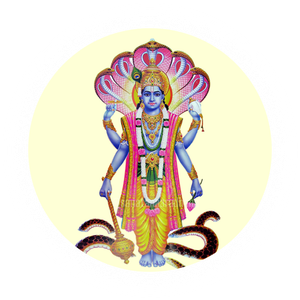
तिथि व महत्त्व: भाद्रपद मास के कृष्ण पक्ष की एकादशी को “अजा एकादशी” कहा जाता है। यह एकादशी ऐसे पापों को भी नष्ट करने वाली मानी गयी है, जिनका स्मरण तक कठिन हो। जो व्यक्ति श्रद्धा और नियम से इस दिन भगवान विष्णु का पूजन और रात्रि-जागरण करता है, उसे इहलोक में भी सहायता मिलती है और अंत में स्वर्ग-गमन का मार्ग प्रशस्त होता है।
राजा हरिश्चन्द्र एवं गौतम ऋषि की कथा
भगवान श्रीकृष्ण ने अर्जुन से कहा—हे कुन्तीपुत्र! प्राचीन काल में अयोध्या में हरिश्चन्द्र नाम के चक्रवर्ती, सत्यप्रतिज्ञ और धर्मनिष्ठ राजा राज्य करते थे। दैव-वश उन्हें ऐसा समय देखना पड़ा कि उन्होंने स्वप्न में दान किए वचन को निभाने के लिए अपना राज्य ही नहीं, अपनी पतिव्रता रानी और एकमात्र पुत्र को भी दे दिया और स्वयं श्मशान की सेवा करने वाले चाण्डाल का दास बन बैठे।
राजा हरिश्चन्द्र शव-संस्कार कराने वालों से कर लेते थे, पर इतनी विपत्ति में भी उन्होंने सत्य नहीं छोड़ा। वर्षों तक वह इसी कठोर सेवा में लगे रहे। एक दिन भारी क्लेश से भरे हुए बैठे थे कि तभी महर्षि गौतम वहाँ आए। राजा ने चरणों में गिरकर अपनी सारी दारुण कथा सुना दी।
गौतम ऋषि ने करुण स्वर में कहा—“हे राजन! तुम्हारा कष्ट तुम्हारे सत्य को नहीं, तुम्हारे भाग्य को जाँच रहा है। भाद्रपद कृष्ण की ‘अजा’ नामक एकादशी का यदि तुम विधि से व्रत करोगे और रात्रि-जागरण करोगे तो समस्त पाप कट जाएँगे और यह विपत्ति मिट जाएगी।” इतना कहकर ऋषि अंतर्धान हो गए।
समय आने पर राजा हरिश्चन्द्र ने गौतम मुनि के बताए अनुसार अजा एकादशी का व्रत किया, दिन भर उपवास रखा, रात्रि में हरिनाम-संकीर्तन के साथ जागरण किया। व्रत के पूर्ण होते ही आश्चर्य हुआ—आकाश में दुंदुभि बज उठी, देवताओं ने पुष्प-वर्षा की, सामने ही उनका पुत्र जीवित खड़ा था और रानी फिर से राजसी वेश में प्रकट हो गई। ऋषि की रची हुई सारी माया विलीन हो गई और राजा को तत्काल अपना राज्य भी वापस मिल गया।
भगवान ने अर्जुन से कहा—हे पार्थ! यह अजा एकादशी का ही प्रभाव था। इस व्रत के पुण्य से राजा हरिश्चन्द्र न केवल अपने दुःख से मुक्त हुए, बल्कि अंत में परिवार सहित स्वर्गलोक को भी प्राप्त हुए।
कथा-सार
अजा एकादशी यह सिखाती है कि विपत्ति में भी सत्य और धर्म नहीं छोड़ना चाहिये। जो व्यक्ति संकट में भी ईश्वर पर विश्वास बनाये रखता है और एकादशी का व्रत विधि से करता है, उसके प्रबुद्ध व्रत के आगे पूर्वकृत पाप भी टिक नहीं पाते—और उसे अश्वमेध यज्ञ के तुल्य फल की प्राप्ति होती है।
Tithi V Mahattv: Bhadrpad Mas Ke Krishna Paksh Ki Ekadashi Ko “Aja Ekadashi” Kaha Jata Hai. Yah Ekadashi Aise Papon Ko Bhi Nasht Karne Vali Mani Gayi Hai, Jinka Smaran Tak Kathin Ho. Jo Vyakti Shraddha Aur Niyam Se Is Din Bhagwan Vishnu Ka Pujan Aur Ratri-Jagran Karta Hai, Use Ihlok Men Bhi Sahayta Milti Hai Aur Ant Men Svarg-Gaman Ka Marg Prashast Hota Hai.
Raja Harishchandr Evan Gautam Rishi Ki Katha
Bhagwan Shrikrishn Ne Arjun Se Kaha—He Kuntiputr! Prachin Kal Men Ayodhya Men Harishchandr Nam Ke Chakrvarti, Satyaprtijn Aur Dharmnishth Raja Rajy Karte The. Daiv-Vash Unhen Aisa Samay Dekhna Pada Ki Unhonne Svapn Men Dan Kie Vachan Ko Nibhane Ke Lie Apna Rajy Hi Nahin, Apni Pativrta Rani Aur Ekmatr Putr Ko Bhi De Diya Aur Svayan Shmashan Ki Seva Karne Vale Chandal Ka Das Ban Baithe.
Raja Harishchandr Shav-Sanskar Karane Valon Se Kar Lete The, Par Itni Vipatti Men Bhi Unhonne Saty Nahin Chhhoda. Varshon Tak Vah Isi Kathor Seva Men Lage Rahe. Ek Din Bhari Klesh Se Bhare Hue Baithe The Ki Tabhi Maharshi Gautam Vahan Ae. Raja Ne Charnon Men Girkar Apni Sari Darun Katha Suna Di.
Gautam Rishi Ne Karun Svar Men Kaha—“He Rajan! Tumhara Kasht Tumhare Saty Ko Nahin, Tumhare Bhagy Ko Janch Raha Hai. Bhadrpad Krishna Ki ‘Aja’ Namak Ekadashi Ka Yadi Tum Vidhi Se Vrat Karoge Aur Ratri-Jagran Karoge To Samast Pap Kat Jaenge Aur Yah Vipatti Mit Jaegi.” Itna Kahkar Rishi Antardhan Ho Gae.
Samay Ane Par Raja Harishchandr Ne Gautam Muni Ke Batae Anusar Aja Ekadashi Ka Vrat Kiya, Din Bhar Upvas Rakha, Ratri Men Harinam-Sankirtan Ke Sath Jagran Kiya. Vrat Ke Purn Hote Hi Ashchary Hua—Akash Men Dundubhi Baj Uthi, Devtaon Ne Pushp-Varsha Ki, Samne Hi Unka Putr Jivit Khada Tha Aur Rani Phir Se Rajsi Vesh Men Prakat Ho Gai. Rishi Ki Rachi Hui Sari Maya Vilin Ho Gai Aur Raja Ko Tatkal Apna Rajy Bhi Vapas Mil Gaya.
Bhagwan Ne Arjun Se Kaha—He Parth! Yah Aja Ekadashi Ka Hi Prabhav Tha. Is Vrat Ke Puny Se Raja Harishchandr N Keval Apne Duhkh Se Mukt Hue, Balki Ant Men Parivar Sahit Svarglok Ko Bhi Prapt Hue.
Katha-Sar
Aja Ekadashi Yah Sikhati Hai Ki Vipatti Men Bhi Saty Aur Dharma Nahin Chhhodna Chahiye. Jo Vyakti Sankat Men Bhi Ishwar Par Vishvas Banaye Rakhta Hai Aur Ekadashi Ka Vrat Vidhi Se Karta Hai, Uske Prabuddh Vrat Ke Age Purvakrit Pap Bhi Tik Nahin Pate—Aur Use Ashvmedh Yagya Ke Tuly Phal Ki Prapti Hoti Hai.
Revered devotees, let us immerse ourselves in the sacred narrative of Aja Ekadashi, a day of profound spiritual significance that purifies the soul and grants immense blessings. This divine Vrat not only alleviates suffering but also guides us towards the path of truth and righteousness, as revealed in the ancient Puranas.
The Sacred Date and Its Significance: The Ekadashi that falls during the Krishna Paksha (dark fortnight) of the Bhadrapada month is known as “Aja Ekadashi”. This sacred Ekadashi is believed to eradicate even those sins that are difficult to recall or comprehend. A devotee who observes a Vrat with profound faith and devotion on this day, performing Puja of Bhagwan Vishnu and keeping an all-night vigil (ratri-jagran), receives divine assistance in this earthly life and ultimately finds their path clear to the heavenly abodes.
The Devotional Story of King Harishchandra and Sage Gautama
Bhagwan Shri Krishna narrated to Arjuna, ‘O Son of Kunti! In ancient times, there reigned in Ayodhya a great Chakravarti Samrat (emperor) named Harishchandra, renowned for his unwavering commitment to truth and Dharma. By divine will, he was destined to face such trying times that, to uphold a promise made in a dream, he not only gave away his entire kingdom but also his devoted queen and only son. He himself became a servant to a Chandal, who oversaw the cremation grounds.’
King Harishchandra would collect taxes from those performing cremations, yet even amidst such immense adversity, he never abandoned his commitment to truth. For many years, he continued in this arduous service. One day, as he sat overwhelmed with great sorrow, Maharishi Gautama arrived there. The King fell at his feet and recounted his entire tragic story.
Sage Gautama spoke with a compassionate voice, ‘O King! Your suffering is not testing your truthfulness, but rather your destiny. If you observe the Vrat of Aja Ekadashi, which falls during the Krishna Paksha of Bhadrapada, with proper rituals and keep an all-night vigil, all your sins will be absolved, and this calamity will surely pass.’ Having spoken these words, the sage disappeared.
When the auspicious time arrived, King Harishchandra observed the Aja Ekadashi Vrat exactly as instructed by Sage Gautama. He fasted throughout the day and kept an all-night vigil, engrossed in Hari Naam Sankirtan. As soon as the Vrat was completed, a wondrous miracle unfolded—celestial drums (dundubhi) resounded in the sky, the Devas showered flowers, and right before his eyes, his son stood alive, and his queen reappeared in her royal attire. All the illusion created by the sage vanished, and the King instantly regained his kingdom.
Bhagwan Shri Krishna then told Arjuna, ‘O Partha! This was indeed the profound effect of Aja Ekadashi. Through the merits (punya) of this Vrat, King Harishchandra was not only freed from his sorrows but ultimately attained Swargaloka along with his entire family.’
The Essence of the Sacred Katha
Aja Ekadashi teaches us that one must never abandon truth (Satya) and righteousness (Dharma), even in the direst of adversities. A devotee who maintains unwavering faith in Ishwara even during times of crisis, and observes the Ekadashi Vrat with proper rituals, finds that even past accumulated sins cannot withstand the power of such an enlightened Vrat. Such a devotee attains merits equivalent to performing an Ashwamedha Yajna.