

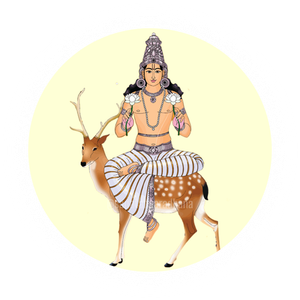
श्री चंद्र देव सनातन धर्म में शीतलता, सौम्यता, मन, भावनाओं और पोषण के दिव्य प्रतीक माने जाते हैं। रात्रि के आकाश में अपनी शीतल चाँदनी से सम्पूर्ण जगत को प्रकाशित करने वाले चंद्र देव भारतीय धार्मिक, वैदिक, पौराणिक और ज्योतिषीय परंपरा में अत्यंत महत्वपूर्ण स्थान रखते हैं। उन्हें सोम, शशि, इन्दु, निशाकर, सुधाकर, हिमांशु, शशांक और मृगांक जैसे अनेक पवित्र नामों से स्मरण किया जाता है।
वैदिक साहित्य में सोम का अत्यंत महत्वपूर्ण स्थान है। ऋग्वेद का नवम मंडल विशेष रूप से सोम की स्तुति से संबंधित है। वैदिक और उत्तरवैदिक परंपराओं के विकास के साथ सोम तथा चंद्र के स्वरूपों के बीच गहरा धार्मिक संबंध स्थापित हुआ। चंद्र देव को औषधियों, वनस्पतियों, रस, शीतलता और जीवन के पोषण से भी संबंधित माना गया है।
पौराणिक परंपराओं में चंद्र देव को महर्षि अत्रि से संबंधित दिव्य स्वरूप माना गया है। उनका विवाह प्रजापति दक्ष की सत्ताईस कन्याओं से बताया गया है, जिन्हें आकाश के सत्ताईस नक्षत्रों का प्रतीक माना जाता है। इस प्रकार चंद्र देव का नक्षत्रों, भारतीय पंचांग, तिथि, मास और कालगणना के साथ अत्यंत गहरा संबंध है।
वैदिक ज्योतिष में चंद्र को मन, भावनाओं, मानसिक प्रवृत्ति, माता, मातृसुख, संवेदनशीलता, स्मृति, कल्पनाशक्ति, जनसामान्य, पोषण और मानसिक संतुलन का कारक माना जाता है। जन्म के समय चंद्रमा जिस राशि में स्थित होता है, उसे चंद्र राशि अथवा जन्म राशि कहा जाता है और भारतीय ज्योतिष परंपरा में इसे विशेष महत्व दिया जाता है।
चंद्र उपासना का मूल भाव मन को शांत रखना, भावनाओं में संतुलन लाना, माता एवं परिवार के प्रति सम्मान रखना, करुणा और सौम्यता विकसित करना तथा भगवान के प्रति श्रद्धा बनाए रखना है। सोमवार के दिन भगवान शिव की उपासना के साथ चंद्र देव का स्मरण करने की परंपरा भी व्यापक रूप से प्रचलित है, क्योंकि भगवान शिव अपने मस्तक पर अर्धचंद्र धारण करते हैं और इसी कारण उन्हें चंद्रशेखर भी कहा जाता है।
इस विस्तृत लेख में श्री चंद्र देव के वैदिक एवं पौराणिक महत्व, दिव्य स्वरूप, सत्ताईस नक्षत्रों से संबंध, भगवान शिव के साथ संबंध, वैदिक ज्योतिष में महत्व, उपासना, प्रमुख नाम तथा पारंपरिक धार्मिक उपायों का व्यवस्थित विवरण प्रस्तुत किया गया है।
महत्वपूर्ण: चंद्र देव से संबंधित धार्मिक और ज्योतिषीय विवरण सनातन धर्म की वैदिक, पौराणिक और पारंपरिक मान्यताओं पर आधारित हैं। ज्योतिषीय व्याख्याओं को आध्यात्मिक एवं पारंपरिक दृष्टि से समझना उचित है; इन्हें आधुनिक विज्ञान अथवा चिकित्सकीय सलाह का विकल्प नहीं माना जाना चाहिए।
श्री चंद्र देव का वैदिक एवं पौराणिक महत्व
चंद्र देव का स्वरूप सनातन धर्म की अत्यंत प्राचीन परंपराओं से जुड़ा हुआ है। वैदिक साहित्य में सोम की महिमा का विस्तृत वर्णन मिलता है। ऋग्वेद के अनेक मंत्रों में सोम को पवित्रता, दिव्य आनंद, ऊर्जा और देवताओं को प्रिय तत्व के रूप में स्तुत किया गया है। कालांतर में सोम और चंद्र के धार्मिक स्वरूपों के बीच गहरा संबंध विकसित हुआ और चंद्र देव को सोम नाम से व्यापक रूप से संबोधित किया जाने लगा।
पौराणिक ग्रंथों में चंद्र देव की उत्पत्ति से संबंधित विभिन्न परंपराएँ मिलती हैं। अनेक पुराणों में उन्हें महर्षि अत्रि से संबंधित बताया गया है। चंद्र देव के तेज, सौंदर्य और शीतलता के कारण उन्हें देवताओं में विशिष्ट स्थान प्राप्त हुआ।
प्रजापति दक्ष की 27 कन्याएँ और चंद्र देव
पौराणिक परंपरा के अनुसार प्रजापति दक्ष ने अपनी सत्ताईस कन्याओं का विवाह चंद्र देव के साथ किया। इन सत्ताईस कन्याओं को भारतीय ज्योतिष और खगोलीय परंपरा के सत्ताईस नक्षत्रों का प्रतीक माना जाता है।
अश्विनी, भरणी, कृत्तिका, रोहिणी, मृगशीर्ष, आर्द्रा, पुनर्वसु, पुष्य, आश्लेषा, मघा, पूर्वाफाल्गुनी, उत्तराफाल्गुनी, हस्त, चित्रा, स्वाती, विशाखा, अनुराधा, ज्येष्ठा, मूल, पूर्वाषाढ़ा, उत्तराषाढ़ा, श्रवण, धनिष्ठा, शतभिषा, पूर्वाभाद्रपद, उत्तराभाद्रपद और रेवती—ये सत्ताईस नक्षत्र चंद्रमा के आकाशीय मार्ग को समझने की पारंपरिक भारतीय प्रणाली का महत्वपूर्ण आधार हैं।
रोहिणी और दक्ष का शाप
पौराणिक कथा के अनुसार चंद्र देव अपनी सत्ताईस पत्नियों में रोहिणी के प्रति विशेष अनुराग रखते थे। अन्य कन्याओं ने अपने पिता प्रजापति दक्ष से इसकी शिकायत की। दक्ष ने चंद्र देव को सभी पत्नियों के साथ समान व्यवहार करने की सलाह दी, परंतु जब स्थिति नहीं बदली तो उन्होंने चंद्र को क्षीण होने का शाप दिया।
चंद्र देव का तेज धीरे-धीरे कम होने लगा। विभिन्न पौराणिक परंपराओं में इसके आगे के प्रसंगों के वर्णन में कुछ अंतर मिलता है। एक प्रसिद्ध परंपरा चंद्र देव की भगवान शिव की शरण और उनकी आराधना से जुड़ी है। भगवान शिव की कृपा से चंद्र देव को पूर्णतः नष्ट होने से मुक्ति मिली और उनके घटने-बढ़ने का चक्र स्थापित हुआ माना गया।
सोमनाथ ज्योतिर्लिंग से संबंध
चंद्र देव की तपस्या से संबंधित प्रसिद्ध पौराणिक परंपरा गुजरात स्थित श्री सोमनाथ ज्योतिर्लिंग से जुड़ी है। माना जाता है कि चंद्र देव ने भगवान शिव की आराधना की और भगवान शिव ने उन्हें अपने मस्तक पर स्थान प्रदान किया। इसी परंपरा से भगवान शिव का सोमेश्वर तथा चंद्रशेखर स्वरूप विशेष रूप से प्रसिद्ध हुआ।
चंद्रवंश के प्रवर्तक
भारतीय पौराणिक इतिहास में चंद्र देव का संबंध प्रसिद्ध चंद्रवंश से भी माना जाता है। पुराणों और महाभारत परंपरा में वर्णित अनेक महान राजाओं और महापुरुषों की वंशपरंपरा को चंद्रवंश से जोड़ा गया है। इसी वंश की विस्तृत परंपरा आगे चलकर पुरुरवा, ययाति, कुरु तथा यदु जैसे प्रसिद्ध नामों से जुड़ती है।
धार्मिक परंपरा: चंद्र देव की उत्पत्ति, दक्ष के शाप, सोमनाथ और चंद्रवंश से संबंधित कथाओं के विवरण विभिन्न पुराणों और क्षेत्रीय परंपराओं में कुछ भिन्न रूपों में प्राप्त होते हैं। यहाँ उनका व्यापक रूप से स्वीकार किया जाने वाला धार्मिक स्वरूप प्रस्तुत किया गया है।
श्री चंद्र देव का दिव्य स्वरूप
श्री चंद्र देव का स्वरूप शीतलता, सौम्यता, शांति, पवित्रता और मन की निर्मलता का प्रतीक माना जाता है। धार्मिक चित्रों और प्राचीन मूर्तिकला में उन्हें सामान्यतः गौर अथवा श्वेत वर्ण, शांत मुखमण्डल, दिव्य आभूषण और शीतल प्रभामण्डल के साथ दर्शाया जाता है।
उनके स्वरूप में चमक और तेज होने के बावजूद सूर्य देव की तरह प्रखरता के स्थान पर सौम्यता और शीतलता प्रमुख होती है। यही कारण है कि आध्यात्मिक दृष्टि से चंद्र देव को मन की कोमलता, संवेदनशीलता, करुणा और भावनात्मक संतुलन से जोड़ा जाता है।
श्वेत वर्ण
चंद्र देव का श्वेत अथवा उज्ज्वल स्वरूप पवित्रता, शांति और निर्मलता का प्रतीक माना जाता है। उनकी चाँदनी रात्रि के अंधकार में भी प्रकाश प्रदान करती है और साधक को यह संदेश देती है कि जीवन की कठिन परिस्थितियों में भी शांति और विवेक बनाए रखना आवश्यक है।
चंद्र देव का रथ
पौराणिक ग्रंथों में चंद्र देव के दिव्य रथ का वर्णन मिलता है। विभिन्न ग्रंथों और चित्रण परंपराओं में उनके रथ और अश्वों के स्वरूप में कुछ अंतर दिखाई देता है। सामान्यतः उनके रथ को उज्ज्वल और श्वेत वर्ण से संबंधित दर्शाया जाता है, जो उनकी शीतल और सौम्य प्रकृति का प्रतीक है।
हाथों में कमल अथवा गदा
चंद्र देव के विभिन्न धार्मिक चित्रणों में उन्हें कमल, गदा अथवा अन्य प्रतीक धारण किए हुए दर्शाया गया है। कमल निर्मलता और आध्यात्मिक विकास का प्रतीक है, जबकि उनका सम्पूर्ण सौम्य स्वरूप मानसिक शांति और संतुलन का संदेश देता है।
अर्धचंद्र और भगवान शिव
चंद्र देव का सबसे प्रसिद्ध धार्मिक प्रतीक भगवान शिव के मस्तक पर सुशोभित अर्धचंद्र है। भगवान शिव का यह स्वरूप उन्हें चंद्रशेखर और शशिशेखर जैसे नाम प्रदान करता है।
आध्यात्मिक दृष्टि से भगवान शिव के मस्तक पर स्थित चंद्रमा मन और भावनाओं पर नियंत्रण का प्रतीक माना जाता है। इसका संदेश यह है कि साधक को मन का दमन नहीं, बल्कि उसे विवेक, साधना और ईश्वर-चिंतन के माध्यम से संतुलित करना चाहिए।
चंद्र स्वरूप का आध्यात्मिक संदेश
चंद्र देव का दिव्य स्वरूप हमें सिखाता है कि वास्तविक शक्ति केवल प्रखरता में नहीं, बल्कि शांति, करुणा, संवेदनशीलता और संयम में भी होती है। जीवन में परिस्थितियाँ चंद्रमा की कलाओं की तरह बदलती रहती हैं, इसलिए सुख और दुःख दोनों में मानसिक संतुलन बनाए रखना आध्यात्मिक साधना का महत्वपूर्ण अंग माना गया है।
धार्मिक परंपरा: चंद्र देव के वाहन, रथ, आयुध तथा मूर्तिरूप के विवरण अलग-अलग ग्रंथों और कलात्मक परंपराओं में भिन्न हो सकते हैं। श्वेत वर्ण, शीतल प्रभा और सौम्य स्वरूप उनके व्यापक रूप से स्वीकार किए गए प्रतीक हैं।
चंद्र देव और भगवान शिव का संबंध
सनातन धर्म में चंद्र देव और भगवान शिव का संबंध अत्यंत विशेष माना जाता है। भगवान शिव के अनेक विख्यात स्वरूपों में उनके मस्तक पर अर्धचंद्र सुशोभित रहता है। इसी कारण भगवान शिव को चंद्रशेखर, शशिशेखर और सोमेश्वर जैसे पवित्र नामों से संबोधित किया जाता है।
पौराणिक परंपरा में चंद्र देव द्वारा भगवान शिव की आराधना और शिव कृपा प्राप्त करने का प्रसंग विशेष रूप से प्रसिद्ध है। इस कथा का संबंध सोमनाथ क्षेत्र से भी माना जाता है। इस धार्मिक परंपरा में भगवान शिव को अपने भक्त का संरक्षण करने वाले और चंद्र देव को अपनी शरण में स्थान देने वाले करुणामय प्रभु के रूप में स्मरण किया जाता है।
आध्यात्मिक दृष्टि से भी यह संबंध अत्यंत सुंदर अर्थ रखता है। चंद्रमा को मन का प्रतीक माना जाता है और भगवान शिव को परम योगी एवं पूर्ण चेतना का स्वरूप माना जाता है। भगवान शिव के मस्तक पर चंद्रमा का स्थित होना मन को उच्च चेतना और ईश्वर-चिंतन के अधीन रखने का प्रतीक माना गया है।
इसी कारण सोमवार का दिन भगवान शिव और चंद्र देव दोनों से संबंधित माना जाता है। अनेक श्रद्धालु सोमवार को शिवलिंग पर जल अर्पित करते हुए भगवान शिव और चंद्र देव का स्मरण करते हैं।
आध्यात्मिक संदेश: भगवान शिव के मस्तक पर स्थित चंद्रमा हमें यह स्मरण कराता है कि मन जितना शांत, संयमित और ईश्वर में स्थित होगा, जीवन में उतना ही संतुलन और विवेक विकसित होगा।
वैदिक ज्योतिष में चंद्र का महत्व
वैदिक ज्योतिष में चंद्र को नवग्रहों में अत्यंत महत्वपूर्ण स्थान प्राप्त है। सूर्य जहाँ आत्मा और आत्मबल के कारक माने जाते हैं, वहीं चंद्र को मुख्यतः मन और मानसिक प्रवृत्ति का कारक माना जाता है। व्यक्ति संसार को भीतर से किस प्रकार अनुभव करता है, उसकी भावनात्मक प्रतिक्रियाएँ कैसी हैं और उसका मन किस प्रकार कार्य करता है—इन विषयों के अध्ययन में जन्मकुंडली के चंद्र को विशेष महत्व दिया जाता है।
जन्म के समय चंद्र जिस राशि में स्थित होता है, वह व्यक्ति की जन्म राशि अथवा चंद्र राशि कहलाती है। भारतीय पंचांग और पारंपरिक ज्योतिष में अनेक धार्मिक संस्कारों, मुहूर्तों, गोचर तथा दैनिक राशिफल की गणना में चंद्र राशि को महत्वपूर्ण आधार माना जाता है।
चंद्र के प्रमुख कारकत्व
- मन और मानसिक प्रवृत्ति
- भावनाएँ और संवेदनशीलता
- माता और मातृसुख
- स्मरण शक्ति और कल्पनाशक्ति
- मानसिक शांति और संतुलन
- पोषण और देखभाल
- जल और तरल पदार्थों से संबंधित पारंपरिक कारकत्व
- जनसामान्य तथा सामाजिक प्रतिक्रिया
- घर, पारिवारिक सुख और भावनात्मक सुरक्षा
- व्यक्ति की दैनिक मानसिक अवस्था
चंद्र की राशि
वैदिक ज्योतिष में चंद्र देव को कर्क राशि का स्वामी माना जाता है। कर्क राशि जल तत्व से संबंधित मानी जाती है और इसका संबंध भावनाओं, पोषण, परिवार, मातृत्व और संवेदनशीलता जैसे विषयों से जोड़ा जाता है।
चंद्र की उच्च और नीच राशि
पारंपरिक वैदिक ज्योतिष के अनुसार चंद्र को वृषभ राशि में उच्च तथा वृश्चिक राशि में नीच माना जाता है। हालांकि किसी जन्मकुंडली में चंद्र का वास्तविक फल केवल उच्च अथवा नीच राशि देखकर निर्धारित नहीं किया जाता। भाव, नक्षत्र, दृष्टि, युति, पक्षबल, दशा और सम्पूर्ण कुंडली का समग्र अध्ययन आवश्यक माना जाता है।
शुक्ल पक्ष और कृष्ण पक्ष का चंद्र
ज्योतिषीय परंपरा में चंद्रमा की कलाओं को भी महत्वपूर्ण माना जाता है। अमावस्या से पूर्णिमा की ओर बढ़ता हुआ चंद्र शुक्ल पक्ष और पूर्णिमा से अमावस्या की ओर घटता हुआ चंद्र कृष्ण पक्ष कहलाता है। चंद्र के बल का विचार करते समय पारंपरिक ज्योतिष में उसकी कला और सूर्य से दूरी सहित अनेक तत्वों का अध्ययन किया जाता है।
चंद्र और नक्षत्र
वैदिक ज्योतिष में नक्षत्रों की गणना चंद्रमा की गति से अत्यंत गहराई से जुड़ी हुई है। चंद्रमा लगभग एक नक्षत्र से दूसरे नक्षत्र की ओर निरंतर गति करता है। जन्म के समय चंद्र जिस नक्षत्र में स्थित होता है, उसे व्यक्ति का जन्म नक्षत्र कहा जाता है।
विंशोत्तरी दशा जैसी प्रसिद्ध वैदिक ज्योतिषीय दशा-पद्धति का आरम्भ भी जन्म के समय चंद्र के नक्षत्र के आधार पर निर्धारित किया जाता है।
ज्योतिषीय संदर्भ: किसी जन्मकुंडली में चंद्र को केवल एक राशि, भाव अथवा किसी एक योग के आधार पर शुभ या अशुभ नहीं कहा जाना चाहिए। वैदिक ज्योतिष में ग्रहफल का निर्णय सम्पूर्ण कुंडली, दशा, गोचर और ग्रहबल सहित अनेक कारकों को देखकर किया जाता है।
भगवान चंद्र की उपासना का महत्व
सनातन धर्म में चंद्र देव की उपासना शांति, सौम्यता, मानसिक संतुलन और ईश्वर के प्रति श्रद्धा से जुड़ी हुई मानी जाती है। चंद्रमा का स्वभाव शीतल है और उनकी चाँदनी अंधकार में भी कोमल प्रकाश प्रदान करती है। इस कारण उनकी आराधना साधक को शांत, संयमित और करुणामय जीवन का स्मरण कराती है।
चंद्र उपासना का उद्देश्य केवल किसी ज्योतिषीय समस्या का समाधान प्राप्त करना नहीं होना चाहिए। इसका व्यापक आध्यात्मिक भाव मन को स्थिर करना, भावनाओं में संतुलन रखना, माता-पिता और परिवार के प्रति सम्मान बढ़ाना तथा भगवान के प्रति विश्वास और समर्पण विकसित करना है।
चंद्र उपासना क्यों की जाती है?
- चंद्र देव के प्रति श्रद्धा और कृतज्ञता व्यक्त करने के लिए।
- मन में शांति और संतुलन का भाव विकसित करने के लिए।
- भावनात्मक संयम और धैर्य का अभ्यास करने के लिए।
- माता और परिवार के प्रति सम्मान एवं सेवा की भावना बढ़ाने के लिए।
- भगवान शिव का स्मरण करते हुए मन को ईश्वर-चिंतन में लगाने के लिए।
- जीवन की बदलती परिस्थितियों में मानसिक स्थिरता बनाए रखने की प्रेरणा प्राप्त करने के लिए।
चंद्र उपासना का पारंपरिक दिन
सोमवार को चंद्र देव से संबंधित प्रमुख दिन माना जाता है। सोमवार भगवान शिव की आराधना का भी विशेष दिन है। इस दिन श्रद्धालु भगवान शिव और चंद्र देव दोनों का स्मरण करते हुए पूजा, मंत्र-जप और प्रार्थना कर सकते हैं।
पूर्णिमा का दिन भी चंद्रमा से स्वाभाविक रूप से जुड़ा हुआ है। सनातन धर्म में अनेक महत्वपूर्ण पर्व, व्रत और धार्मिक अनुष्ठान पूर्णिमा तिथि को आयोजित किए जाते हैं।
उपासना में श्रद्धा का महत्व
किसी विस्तृत अनुष्ठान की अपेक्षा शुद्ध भाव और श्रद्धा को अधिक महत्वपूर्ण माना गया है। यदि विस्तृत पूजा संभव न हो, तो चंद्र देव को प्रणाम करना, भगवान शिव का स्मरण करना और शांत मन से प्रार्थना करना भी सुंदर आध्यात्मिक अभ्यास है।
महत्वपूर्ण: विशेष ज्योतिषीय उद्देश्य, ग्रह शांति, व्रत अथवा किसी विशिष्ट अनुष्ठान के लिए केवल सामान्य इंटरनेट निर्देशों पर निर्भर रहने के स्थान पर योग्य आचार्य या वैदिक विद्वान से व्यक्तिगत मार्गदर्शन लेना उचित है।
भगवान चंद्र के प्रमुख मंत्र
श्री चंद्र देव की आराधना में विभिन्न वैदिक, पौराणिक और बीज मंत्रों का प्रयोग पारंपरिक रूप से किया जाता है। इन मंत्रों के शुद्ध पाठ, अर्थ, जप विधि और महत्वपूर्ण निर्देशों के लिए नीचे दिए गए विस्तृत मंत्र पृष्ठ को देखें।
भगवान चंद्र के प्रमुख नाम
सनातन धर्म में चंद्र देव को उनके स्वरूप, शीतलता, प्रकाश, कलाओं और दिव्य गुणों के आधार पर अनेक नामों से संबोधित किया गया है। प्रत्येक नाम चंद्र देव के किसी विशेष गुण अथवा स्वरूप का स्मरण कराता है।
1. चंद्र
अर्थ: प्रकाशमान और आनंद प्रदान करने वाले।
चंद्र उनका सर्वाधिक प्रचलित नाम है। यह नाम उनके उज्ज्वल, शीतल और मनोहारी स्वरूप का प्रतिनिधित्व करता है।
2. सोम
अर्थ: वैदिक परंपरा से संबंधित पवित्र और दिव्य स्वरूप।
सोम चंद्र देव का अत्यंत प्राचीन नाम है। वैदिक साहित्य में सोम का विशेष महत्व है और उत्तरवर्ती धार्मिक परंपराओं में सोम तथा चंद्र के स्वरूपों के बीच गहरा संबंध स्थापित हुआ।
3. शशि
अर्थ: चंद्रमा का प्रसिद्ध काव्यात्मक और धार्मिक नाम।
शशि नाम भारतीय साहित्य, स्तोत्र और भक्ति परंपरा में चंद्रमा के लिए व्यापक रूप से प्रयुक्त होता है। भगवान शिव का एक नाम शशिशेखर भी इसी से जुड़ा है।
4. इन्दु
अर्थ: उज्ज्वल और शीतल प्रकाश से युक्त।
इन्दु चंद्र देव का प्राचीन नाम है और संस्कृत साहित्य तथा धार्मिक ग्रंथों में व्यापक रूप से मिलता है।
5. निशाकर
अर्थ: रात्रि को प्रकाशित करने वाले।
रात्रि के अंधकार को अपनी शीतल चाँदनी से प्रकाशित करने के कारण चंद्र देव को निशाकर कहा जाता है।
6. सुधाकर
अर्थ: अमृतमय शीतलता प्रदान करने वाले।
चंद्रमा की किरणों को भारतीय काव्य और धार्मिक परंपरा में अमृत के समान शीतल और सुखद माना गया है। इसी भाव से उनका नाम सुधाकर प्रसिद्ध है।
7. हिमांशु
अर्थ: हिम के समान शीतल किरणों वाले।
यह नाम चंद्र देव की शांत, उज्ज्वल और शीतल किरणों का स्मरण कराता है।
8. शशांक
अर्थ: चंद्रमा का एक प्राचीन और प्रसिद्ध नाम।
शशांक नाम संस्कृत साहित्य में चंद्रमा के लिए अत्यंत प्रसिद्ध है और चंद्र देव के सुंदर तथा शांत स्वरूप का द्योतक माना जाता है।
9. कलानिधि
अर्थ: कलाओं के भंडार।
चंद्रमा की घटती-बढ़ती कलाओं के कारण उन्हें कलानिधि कहा जाता है। यह नाम परिवर्तनशीलता के बीच निरंतरता का सुंदर प्रतीक भी माना जाता है।
10. राकेश
अर्थ: पूर्णिमा की रात्रि के स्वामी।
पूर्णिमा के समय चंद्रमा अपने पूर्ण उज्ज्वल स्वरूप में दिखाई देता है। इसी भाव से साहित्यिक परंपरा में उन्हें राकेश कहा गया है।
11. मृगांक
अर्थ: चंद्रमा का पारंपरिक काव्यात्मक नाम।
मृगांक नाम भारतीय काव्य और संस्कृत साहित्य में चंद्रमा के लिए प्रयुक्त होने वाले प्राचीन नामों में सम्मिलित है।
12. सोमराज
अर्थ: सोमस्वरूप दिव्य अधिपति।
यह नाम चंद्र देव के वैदिक सोम स्वरूप और उनके गौरवपूर्ण धार्मिक स्थान का स्मरण कराता है।
चंद्र देव के नामों का आध्यात्मिक महत्व
चंद्र देव के विभिन्न नाम उनके शीतल प्रकाश, सौम्यता, मनोहारी स्वरूप और बदलती कलाओं को व्यक्त करते हैं। इन नामों का स्मरण साधक को मानसिक शांति, विनम्रता, धैर्य और भावनात्मक संतुलन का संदेश देता है।
चंद्र देव की कृपा प्राप्त करने के पारंपरिक उपाय
सनातन धार्मिक और ज्योतिषीय परंपराओं में चंद्र देव की आराधना से संबंधित अनेक सरल उपाय प्रचलित हैं। इनका मूल उद्देश्य मन की शांति, सात्विकता, करुणा, पारिवारिक सद्भाव और ईश्वर के प्रति श्रद्धा का विकास करना माना जाना चाहिए।
किसी भी उपाय की अपेक्षा शुद्ध आचरण, संयम और भक्ति को अधिक महत्वपूर्ण माना गया है। केवल बाहरी अनुष्ठान करने के स्थान पर चंद्र देव से संबंधित सौम्यता, धैर्य और संवेदनशीलता जैसे गुणों को जीवन में अपनाना भी उपासना का महत्वपूर्ण भाग है।
1. सोमवार को चंद्र देव का स्मरण करें
सोमवार चंद्र देव से संबंधित प्रमुख दिन माना जाता है। इस दिन स्नान के पश्चात शांत मन से चंद्र देव और भगवान शिव का स्मरण करना पारंपरिक रूप से शुभ माना गया है।
2. भगवान शिव की श्रद्धापूर्वक पूजा करें
भगवान शिव अपने मस्तक पर चंद्रमा धारण करते हैं। इसलिए चंद्र उपासना के साथ भगवान शिव की आराधना का विशेष संबंध माना जाता है। सोमवार को श्रद्धापूर्वक शिवलिंग पर स्वच्छ जल अर्पित करके भगवान शिव का स्मरण किया जा सकता है।
3. चंद्र मंत्र का नियमित जप करें
चंद्र देव के पारंपरिक मंत्रों का शांत और एकाग्र मन से जप किया जा सकता है। मंत्र का शुद्ध उच्चारण और उसका भाव समझकर जप करना अधिक महत्वपूर्ण है। विस्तृत मंत्र, अर्थ और जप-विधि के लिए चंद्र मंत्र के अलग पृष्ठ को देखें।
4. माता का सम्मान और सेवा करें
वैदिक ज्योतिष में चंद्र को माता का कारक माना जाता है। इसलिए माता के प्रति सम्मान, सेवा, प्रेम और कृतज्ञता का भाव रखना चंद्र से संबंधित श्रेष्ठ आचरणों में माना जाता है।
5. मन और वाणी में सौम्यता रखें
चंद्र देव शीतलता और सौम्यता के प्रतीक हैं। क्रोध में तुरंत प्रतिक्रिया देने के स्थान पर धैर्य रखना, दूसरों की भावनाओं का सम्मान करना और मधुर वाणी का प्रयोग करना चंद्र उपासना के आध्यात्मिक भाव के अनुकूल है।
6. पूर्णिमा के दिन ईश्वर का स्मरण करें
पूर्णिमा सनातन धर्म में अनेक धार्मिक अनुष्ठानों और व्रतों से जुड़ी महत्वपूर्ण तिथि है। इस दिन श्रद्धानुसार भगवान का स्मरण, पूजा, जप, ध्यान, सत्संग अथवा धार्मिक ग्रंथों का अध्ययन किया जा सकता है।
7. श्रद्धानुसार दान करें
धार्मिक परंपराओं में अपनी सामर्थ्य के अनुसार जरूरतमंदों को अन्न, वस्त्र अथवा उपयोगी वस्तुओं का दान पुण्यकारी माना जाता है। दान किसी ग्रह को प्रसन्न करने की व्यापारिक भावना से नहीं, बल्कि सेवा, करुणा और निस्वार्थ भाव से करना चाहिए।
8. नियमित दिनचर्या बनाएँ
मन की स्थिरता के लिए नियमित सोने-जागने की दिनचर्या, संयमित जीवन, प्रार्थना और आत्मचिंतन उपयोगी आध्यात्मिक अभ्यास माने जाते हैं। चंद्र उपासना के संदर्भ में मानसिक अनुशासन को विशेष महत्व दिया जा सकता है।
9. परिवार में सद्भाव बनाए रखें
चंद्र का पारंपरिक संबंध घर, माता, भावनात्मक सुरक्षा और पारिवारिक सुख से माना जाता है। इसलिए परिवार के सदस्यों के प्रति संवेदनशीलता, सम्मान और सहयोग बनाए रखना चंद्र देव के आदर्श गुणों को जीवन में उतारने का एक सुंदर माध्यम है।
10. ध्यान और नाम-जप करें
अशांत मन को स्थिर करने के लिए कुछ समय शांत बैठकर अपने इष्टदेव का ध्यान और नाम-जप करना अत्यंत सरल आध्यात्मिक अभ्यास है। इसका उद्देश्य किसी चमत्कार की अपेक्षा मन को भगवान में लगाना और आंतरिक शांति विकसित करना होना चाहिए।
11. सात्विक जीवनशैली अपनाएँ
शुद्ध विचार, संयमित भोजन, स्वच्छता, पर्याप्त विश्राम और सदाचार को सात्विक जीवन का आधार माना गया है। चंद्र देव की आराधना के साथ जीवन में मानसिक और भावनात्मक शुद्धता का प्रयास भी आवश्यक माना जाता है।
12. भावनाओं पर विवेकपूर्ण नियंत्रण रखें
चंद्र को मन और भावनाओं का प्रतीक माना जाता है। इसलिए प्रत्येक भावना के अनुसार तुरंत प्रतिक्रिया करने के स्थान पर धैर्य, विवेक और आत्मचिंतन का अभ्यास करना चंद्र उपासना का गहरा आध्यात्मिक संदेश माना जा सकता है।
चंद्र उपासना का मूल संदेश
चंद्र देव की उपासना हमें यह शिक्षा देती है कि जीवन में शक्ति के साथ सौम्यता, बुद्धि के साथ संवेदनशीलता और कर्म के साथ मानसिक संतुलन भी आवश्यक है। जिस प्रकार चंद्रमा की कलाएँ निरंतर घटती-बढ़ती रहती हैं, उसी प्रकार जीवन की परिस्थितियाँ भी सदैव एक जैसी नहीं रहतीं। प्रत्येक परिवर्तन के बीच ईश्वर में विश्वास, धैर्य और आंतरिक शांति बनाए रखना ही चंद्र उपासना का सुंदर आध्यात्मिक संदेश है।
महत्वपूर्ण: उपरोक्त उपाय धार्मिक और पारंपरिक मान्यताओं पर आधारित हैं। मानसिक तनाव, चिंता, अनिद्रा अथवा किसी स्वास्थ्य समस्या के लिए धार्मिक उपासना को चिकित्सकीय उपचार का विकल्प न मानें। किसी विशेष ज्योतिषीय अनुष्ठान, ग्रह शांति या रत्न आदि के उपयोग के लिए योग्य विद्वान से व्यक्तिगत परामर्श लेना उचित है।
Shri Chandra Dev is revered in Sanatana Dharma as a divine symbol of coolness, gentleness, the mind, emotions, and nourishment. Illuminating the night sky and the world with His soothing moonlight, Chandra Dev holds an important place in Indian religious, Vedic, Puranic, and astrological traditions. He is remembered by many sacred names, including Soma, Shashi, Indu, Nishakara, Sudhakara, Himanshu, Shashanka, and Mriganka.
In Vedic literature, Soma holds a highly significant place. The ninth Mandala of the Rigveda is especially associated with hymns dedicated to Soma. With the development of Vedic and later Vedic traditions, a deep religious connection emerged between the forms of Soma and Chandra. Chandra Dev is also traditionally associated with medicinal herbs, vegetation, nourishing essences, coolness, and the sustenance of life.
In Puranic traditions, Chandra Dev is regarded as a divine being associated with the revered Sage Atri. He is traditionally described as having married the twenty-seven daughters of Prajapati Daksha, who are identified with the twenty-seven Nakshatras of the sky. Chandra Dev therefore has a profound connection with the Nakshatras, the Indian Panchang, Tithis, lunar months, and traditional systems of timekeeping.
In Vedic astrology, Chandra is regarded as the significator of the mind, emotions, mental tendencies, mother, maternal comfort, sensitivity, memory, imagination, the general public, nourishment, and emotional balance. The zodiac sign occupied by the Moon at the time of birth is known as the Chandra Rashi or Janma Rashi, and it is given special importance in the Indian astrological tradition.
The essential spirit of Chandra worship is to cultivate a calm mind, emotional balance, respect for one’s mother and family, compassion, gentleness, and devotion to the Divine. The remembrance of Chandra Dev alongside the worship of Lord Shiva on Mondays is also widely observed, because Lord Shiva bears the crescent Moon upon His head and is therefore revered as Chandrashekhara.
This detailed article presents a structured account of the Vedic and Puranic significance of Shri Chandra Dev, His divine form, His relationship with the twenty-seven Nakshatras, His connection with Lord Shiva, His importance in Vedic astrology, methods of worship, principal names, and traditional religious practices associated with Him.
Important: Religious and astrological descriptions related to Chandra Dev are based on the Vedic, Puranic, and traditional beliefs of Sanatana Dharma. Astrological interpretations are best understood from a spiritual and traditional perspective and should not be considered a substitute for modern science or medical advice.
Vedic and Puranic Significance of Shri Chandra Dev
The divine form of Chandra Dev is connected with some of the most ancient traditions of Sanatana Dharma. Vedic literature contains extensive praise of Soma. In many hymns of the Rigveda, Soma is praised in connection with purity, divine joy, vitality, and as a sacred offering dear to the Devas. Over time, a deep religious association developed between Soma and Chandra, and Chandra Dev came to be widely addressed by the name Soma.
Puranic scriptures preserve different traditions concerning the origin of Chandra Dev. In several Puranas, He is described as being associated with the revered Sage Atri. Because of His radiance, beauty, and cooling nature, Chandra Dev is accorded a distinctive place among the celestial deities.
The 27 Daughters of Prajapati Daksha and Chandra Dev
According to Puranic tradition, Prajapati Daksha gave his twenty-seven daughters in marriage to Chandra Dev. These twenty-seven daughters are traditionally identified with the twenty-seven Nakshatras of Indian astrology and astronomy.
Ashwini, Bharani, Krittika, Rohini, Mrigashira, Ardra, Punarvasu, Pushya, Ashlesha, Magha, Purva Phalguni, Uttara Phalguni, Hasta, Chitra, Swati, Vishakha, Anuradha, Jyeshtha, Mula, Purva Ashadha, Uttara Ashadha, Shravana, Dhanishtha, Shatabhisha, Purva Bhadrapada, Uttara Bhadrapada, and Revati are the twenty-seven Nakshatras that form an important basis of the traditional Indian system for understanding the Moon’s apparent path across the sky.
Rohini and the Curse of Daksha
According to Puranic tradition, Chandra Dev showed special affection toward Rohini among His twenty-seven wives. The other daughters complained about this to their father, Prajapati Daksha. Daksha advised Chandra Dev to treat all His wives equally, but when the situation did not change, he cursed Chandra Dev to gradually lose His radiance.
Chandra Dev’s brilliance began to diminish. Different Puranic traditions present certain variations in the events that followed. One widely known tradition describes Chandra Dev seeking refuge in Lord Shiva and worshipping Him with devotion. By the grace of Lord Shiva, Chandra Dev was saved from complete disappearance, and the recurring cycle of waxing and waning is traditionally associated with this episode.
Connection with Shri Somnath Jyotirlinga
A famous Puranic tradition concerning the penance of Chandra Dev is associated with Shri Somnath Jyotirlinga in Gujarat. It is traditionally believed that Chandra Dev worshipped Lord Shiva there, and Lord Shiva granted Him a place upon His head. This tradition is closely connected with Lord Shiva’s revered forms as Someshwara and Chandrashekhara.
Progenitor of the Chandravamsha
In Indian Puranic tradition, Chandra Dev is also associated with the celebrated Chandravamsha, or Lunar Dynasty. Many renowned kings and noble figures described in the Puranas and the Mahabharata tradition are connected with this lineage. The broader tradition of this dynasty later includes celebrated names such as Pururava, Yayati, Kuru, and Yadu.
Religious Tradition: Accounts concerning the origin of Chandra Dev, Daksha’s curse, Somnath, and the Chandravamsha appear in somewhat different forms across various Puranas and regional traditions. The version presented here reflects a broadly accepted traditional understanding.
The Divine Form of Shri Chandra Dev
The divine form of Shri Chandra Dev is regarded as a symbol of coolness, gentleness, peace, purity, and clarity of mind. In religious artwork and ancient sculpture, He is generally depicted with a fair or radiant complexion, a serene expression, divine ornaments, and a soothing luminous aura.
Although His form is radiant and brilliant, it is associated more with gentleness and coolness than with the intense brilliance attributed to Surya Dev. For this reason, Chandra Dev is spiritually associated with tenderness of mind, sensitivity, compassion, and emotional balance.
Radiant White Complexion
The white or luminous form of Chandra Dev is considered a symbol of purity, peace, and inner clarity. His moonlight provides illumination even in the darkness of night and spiritually reminds the devotee to preserve calmness and discernment even during difficult phases of life.
The Chariot of Chandra Dev
Puranic scriptures contain descriptions of the divine chariot of Chandra Dev. The details of His chariot and horses vary somewhat across scriptures and artistic traditions. He is generally depicted with a radiant or white chariot, symbolising His cool and gentle nature.
Lotus or Mace in His Hands
In different religious depictions, Chandra Dev is shown holding a lotus, a mace, or other sacred symbols. The lotus signifies purity and spiritual growth, while His overall gentle form conveys the spiritual qualities of calmness and balance.
The Crescent Moon and Lord Shiva
The most widely recognised religious symbol of Chandra Dev is the crescent Moon adorning the head of Lord Shiva. Because of this sacred form, Lord Shiva is revered by names such as Chandrashekhara and Shashishekhara.
From a spiritual perspective, the Moon upon Lord Shiva’s head is regarded as a symbol of mastery over the mind and emotions. Its message is not that the mind should be suppressed, but that it should be brought into balance through discernment, Sadhana, and contemplation of the Divine.
The Spiritual Message of Chandra Dev’s Form
The divine form of Chandra Dev teaches that true strength is expressed not only through intensity, but also through peace, compassion, sensitivity, and self-restraint. Just as the phases of the Moon continually change, the circumstances of life also remain in constant movement. Maintaining mental balance in both happiness and sorrow is therefore considered an important part of spiritual Sadhana.
Religious Tradition: Descriptions of the vehicle, chariot, symbolic attributes, and iconographic form of Chandra Dev may vary across scriptures and artistic traditions. His radiant white appearance, soothing light, and gentle form are among His most widely accepted symbols.
The Relationship Between Chandra Dev and Lord Shiva
In Sanatana Dharma, the relationship between Chandra Dev and Lord Shiva is considered especially sacred. In many celebrated forms of Lord Shiva, the crescent Moon adorns His head. For this reason, Lord Shiva is revered by sacred names such as Chandrashekhara, Shashishekhara, and Someshwara.
Puranic tradition particularly remembers the episode in which Chandra Dev worshipped Lord Shiva and received His grace. This account is also associated with the sacred region of Somnath. Within this tradition, Lord Shiva is remembered as the compassionate protector of His devotee who granted Chandra Dev refuge and a place upon His own head.
This relationship also carries a profound spiritual meaning. The Moon is traditionally regarded as a symbol of the mind, while Lord Shiva is revered as the Supreme Yogi and embodiment of higher consciousness. The Moon resting upon Lord Shiva’s head is therefore interpreted as a symbol of keeping the mind aligned with higher awareness and contemplation of the Divine.
For this reason, Monday is traditionally associated with both Lord Shiva and Chandra Dev. Many devotees offer water to the Shiva Lingam on Mondays while remembering both Lord Shiva and Chandra Dev with devotion.
Spiritual Message: The Moon resting upon Lord Shiva’s head reminds us that the more peaceful, disciplined, and God-centred the mind becomes, the more balance and discernment can develop in life.
Importance of Chandra in Vedic Astrology
In Vedic astrology, Chandra holds an especially important place among the Navagrahas. While Surya is traditionally regarded as the significator of the self and inner vitality, Chandra is primarily regarded as the significator of the mind and mental tendencies. The placement of Chandra in a birth chart is given special importance when studying how a person internally experiences the world, responds emotionally, and processes thoughts and feelings.
The zodiac sign occupied by Chandra at the time of birth is known as the individual’s Janma Rashi or Chandra Rashi. In the Indian Panchang and traditional astrology, the Chandra Rashi is considered an important reference point in determining many religious observances, Muhurtas, transits, and daily horoscope interpretations.
Principal Significations of Chandra
- The mind and mental tendencies
- Emotions and sensitivity
- The mother and maternal comfort
- Memory and imagination
- Mental peace and emotional balance
- Nourishment and care
- Traditional significations related to water and fluids
- The general public and collective response
- Home, family comfort, and emotional security
- An individual’s day-to-day emotional state
Zodiac Sign Ruled by Chandra
In Vedic astrology, Chandra Dev is regarded as the ruler of Karka Rashi, or Cancer. Cancer is associated with the water element and is traditionally connected with themes such as emotions, nourishment, family, motherhood, and sensitivity.
Exaltation and Debilitation of Chandra
According to traditional Vedic astrology, Chandra is considered exalted in Taurus and debilitated in Scorpio. However, the actual results of Chandra in a birth chart should not be determined solely from exaltation or debilitation. A holistic examination of the house placement, Nakshatra, aspects, conjunctions, Paksha Bala, Dasha, and the complete horoscope is traditionally considered necessary.
Chandra During Shukla Paksha and Krishna Paksha
The phases of the Moon are also considered important in astrological tradition. The waxing phase from Amavasya toward Purnima is called Shukla Paksha, while the waning phase from Purnima toward Amavasya is called Krishna Paksha. Traditional astrology considers several factors when assessing the strength of Chandra, including the lunar phase and Chandra’s angular distance from Surya.
Chandra and the Nakshatras
In Vedic astrology, the system of Nakshatras is deeply connected with the movement of the Moon. The Moon continuously moves from one Nakshatra to another. The Nakshatra occupied by Chandra at the time of birth is called the individual’s Janma Nakshatra.
The starting point of the widely used Vimshottari Dasha system is also determined according to the Nakshatra occupied by Chandra at birth.
Astrological Context: Chandra should not be declared auspicious or inauspicious in a birth chart solely on the basis of one zodiac sign, one house, or a single Yoga. In Vedic astrology, planetary results are traditionally assessed through the complete horoscope, including Dasha, transit, planetary strength, and several other factors.
Importance of Worshipping Lord Chandra
In Sanatana Dharma, the worship of Chandra Dev is traditionally associated with peace, gentleness, emotional balance, and devotion to the Divine. The Moon is cool by nature, and its light offers gentle illumination even in darkness. For this reason, worship of Chandra Dev reminds the devotee to cultivate a peaceful, disciplined, and compassionate way of life.
The purpose of Chandra worship should not be limited merely to seeking a remedy for an astrological difficulty. Its broader spiritual meaning is to steady the mind, balance emotions, deepen respect for parents and family, and cultivate faith and surrender toward the Divine.
Why Is Chandra Dev Worshipped?
- To express devotion and gratitude toward Chandra Dev.
- To cultivate a sense of peace and balance within the mind.
- To practise emotional restraint and patience.
- To strengthen respect, service, and gratitude toward one’s mother and family.
- To remember Lord Shiva and direct the mind toward contemplation of the Divine.
- To receive inspiration to remain mentally steady amid the changing circumstances of life.
Traditional Day for Chandra Worship
Monday is traditionally regarded as the principal day associated with Chandra Dev. Monday is also considered especially sacred for the worship of Lord Shiva. Devotees may therefore remember both Lord Shiva and Chandra Dev through Puja, mantra Jaap, and prayer on this day.
Purnima, the full-moon day, is also naturally associated with the Moon. Many significant festivals, Vratas, and religious Anushthans in Sanatana Dharma are observed on Purnima Tithi.
The Importance of Devotion in Worship
Sincere devotion and purity of intention are traditionally considered more important than elaborate ritual. If an extensive Puja is not possible, offering respectful salutations to Chandra Dev, remembering Lord Shiva, and praying with a peaceful mind can itself be a meaningful spiritual practice.
Important: For a specific astrological purpose, Graha Shanti, Vrat, or specialised Anushthan, it is preferable to seek personal guidance from a qualified Acharya or Vedic scholar rather than relying solely on general internet instructions.
Principal Mantras of Lord Chandra
Various Vedic, Puranic, and Bija mantras are traditionally used in the worship of Shri Chandra Dev. For accurate recitation, meanings, Jaap methods, and important instructions, please refer to the detailed mantra page given below.
Principal Names of Lord Chandra
In Sanatana Dharma, Chandra Dev is addressed by many names based on His divine form, coolness, radiance, lunar phases, and sacred qualities. Each name recalls a particular aspect or attribute of Chandra Dev.
1. Chandra
Meaning: The radiant one who brings delight.
Chandra is His most widely used name. It represents His luminous, cooling, and pleasing form.
2. Soma
Meaning: The sacred and divine form associated with the Vedic tradition.
Soma is one of the most ancient names associated with Chandra Dev. Soma holds a significant place in Vedic literature, and later religious traditions developed a deep association between Soma and Chandra.
3. Shashi
Meaning: A celebrated poetic and religious name of the Moon.
The name Shashi is widely used for the Moon in Indian literature, Stotras, and devotional traditions. Lord Shiva’s name Shashishekhara is also connected with this name.
4. Indu
Meaning: One endowed with radiant and cooling light.
Indu is an ancient name of Chandra Dev and appears widely in Sanskrit literature and religious scriptures.
5. Nishakara
Meaning: The one who illuminates the night.
Because Chandra Dev illuminates the darkness of the night with His soothing moonlight, He is known as Nishakara.
6. Sudhakara
Meaning: The one who bestows nectar-like coolness.
In Indian poetic and religious tradition, the rays of the Moon are compared to nectar because of their cooling and pleasing quality. In this spirit, Chandra Dev is known as Sudhakara.
7. Himanshu
Meaning: The one whose rays are cool like snow.
This name recalls the peaceful, radiant, and cooling rays of Chandra Dev.
8. Shashanka
Meaning: An ancient and celebrated name of the Moon.
Shashanka is a well-known name for the Moon in Sanskrit literature and is traditionally associated with the beautiful and serene form of Chandra Dev.
9. Kalanidhi
Meaning: The treasure-house of lunar phases.
Because of the waxing and waning phases of the Moon, Chandra Dev is called Kalanidhi. The name is also regarded as a beautiful symbol of continuity amid constant change.
10. Rakesha
Meaning: Lord of the full-moon night.
During Purnima, the Moon appears in its full radiant form. In this poetic sense, Chandra Dev is known as Rakesha.
11. Mriganka
Meaning: A traditional poetic name of the Moon.
Mriganka is among the ancient names used for the Moon in Indian poetry and Sanskrit literature.
12. Somaraja
Meaning: The divine sovereign associated with Soma.
This name recalls the Vedic Soma aspect of Chandra Dev and His honoured place in sacred tradition.
Spiritual Significance of the Names of Chandra Dev
The various names of Chandra Dev express His cooling radiance, gentleness, pleasing form, and changing lunar phases. Remembering these names encourages the devotee to cultivate mental peace, humility, patience, and emotional balance.
Traditional Practices for Seeking the Grace of Chandra Dev
Sanatana religious and astrological traditions include several simple practices associated with the worship of Chandra Dev. Their essential purpose should be understood as cultivating peace of mind, Sattvic qualities, compassion, harmony within the family, and devotion to the Divine.
Pure conduct, self-restraint, and Bhakti are traditionally considered more important than any external remedy. Alongside ritual worship, cultivating qualities associated with Chandra Dev—such as gentleness, patience, and sensitivity—is also an important part of spiritual practice.
1. Remember Chandra Dev on Mondays
Monday is traditionally regarded as the principal day associated with Chandra Dev. After bathing, it is considered auspicious to remember Chandra Dev and Lord Shiva with a peaceful mind.
2. Worship Lord Shiva with Devotion
Lord Shiva bears the Moon upon His head. For this reason, the worship of Lord Shiva has a special connection with Chandra worship. On Mondays, devotees may respectfully offer clean water to the Shiva Lingam and remember Lord Shiva with devotion.
3. Perform Regular Jaap of Chandra Mantras
Traditional mantras of Chandra Dev may be recited with a calm and focused mind. Correct pronunciation and understanding the devotional meaning of the mantra are considered important. For detailed mantras, meanings, and Jaap instructions, please refer to the separate Chandra Mantra page.
4. Honour and Serve Your Mother
In Vedic astrology, Chandra is regarded as the significator of the mother. Therefore, respect, service, love, and gratitude toward one’s mother are considered among the noblest forms of conduct associated with Chandra.
5. Maintain Gentleness in Mind and Speech
Chandra Dev symbolises coolness and gentleness. Practising patience instead of reacting immediately in anger, respecting the feelings of others, and speaking with kindness are all in harmony with the spiritual spirit of Chandra worship.
6. Remember the Divine on Purnima
Purnima is an important Tithi associated with many religious observances and Vratas in Sanatana Dharma. According to one’s devotion and circumstances, the day may be observed through prayer, Puja, Jaap, meditation, Satsang, or the study of sacred texts.
7. Practise Charity According to Your Means
According to Hindu religious tradition, donating food, clothing, or other useful items to those in need according to one’s ability is considered meritorious. Charity should not be performed with a transactional intention of pleasing a planet, but with a spirit of service, compassion, and selflessness.
8. Maintain a Regular Daily Routine
A regular sleep-wake cycle, a disciplined lifestyle, prayer, and self-reflection are useful spiritual practices for cultivating steadiness of mind. In the context of Chandra worship, mental discipline may be given particular importance.
9. Maintain Harmony Within the Family
Chandra is traditionally associated with the home, mother, emotional security, and domestic comfort. Therefore, showing sensitivity, respect, and cooperation toward family members is a meaningful way of bringing the ideal qualities represented by Chandra Dev into daily life.
10. Practise Meditation and Naam-Jaap
To steady a restless mind, spending some time sitting quietly in meditation upon one’s Ishtadev and performing Naam-Jaap is a simple spiritual practice. Its purpose should not be the expectation of miracles, but rather directing the mind toward the Divine and cultivating inner peace.
11. Adopt a Sattvic Lifestyle
Pure thoughts, balanced food, cleanliness, sufficient rest, and virtuous conduct are traditionally regarded as foundations of a Sattvic life. Along with the worship of Chandra Dev, sincere efforts toward mental and emotional purity are also considered important.
12. Regulate Emotions Through Discernment
Chandra is traditionally regarded as a symbol of the mind and emotions. Therefore, instead of reacting immediately to every feeling, practising patience, discernment, and self-reflection may be understood as a deeper spiritual message of Chandra worship.
The Essential Message of Chandra Worship
The worship of Chandra Dev teaches that life requires gentleness alongside strength, sensitivity alongside intelligence, and emotional balance alongside action. Just as the phases of the Moon continually wax and wane, the circumstances of life also never remain unchanged. Maintaining faith in the Divine, patience, and inner peace through every change is the beautiful spiritual message at the heart of Chandra worship.
Important: The practices described above are based on religious and traditional beliefs. Religious worship should not be regarded as a substitute for medical treatment for stress, anxiety, insomnia, or any other health condition. For specialised astrological rituals, Graha Shanti, or the use of gemstones, it is advisable to seek personal guidance from a qualified scholar or experienced practitioner.