

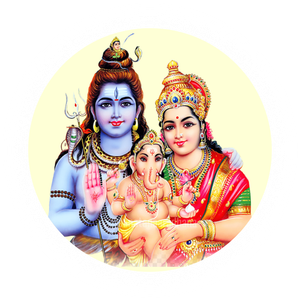
हिन्दू धर्म के पुराणों के अनुसार जहां-जहां सती के अंग के टुकड़े, धारण किए वस्त्र या आभूषण गिरे, वहां-वहां शक्तिपीठ अस्तित्व में आया। ये अत्यंत पावन तीर्थ कहलाये। ये तीर्थ पूरे भारतीय उपमहाद्वीप पर फैले हुए हैं। देवी पुराण में 51 शक्तिपीठों का वर्णन है। हालांकि देवी भागवत में जहां 108 और देवी गीता में 72 शक्तिपीठों का ज़िक्र मिलता है, वहीं तन्त्रचूडामणि में 52 शक्तिपीठ बताए गए हैं। देवी पुराण में ज़रूर 51 शक्तिपीठों की ही चर्चा की गई है। इन 51 शक्तिपीठों में से कुछ विदेश में भी हैं और पूजा-अर्चना द्वारा प्रतिष्ठित हैं। ज्ञातव्य है कि इन 51 शक्तिपीठों में भारत-विभाजन के बाद 5 और भी कम हो गए और आज के भारत में 42 शक्तिपीठ रह गए है। 1 शक्तिपीठ पाकिस्तान में चला गया और 4 बांग्लादेश में। शेष 4 पीठों में 1 श्रीलंका में, 1 तिब्बत में तथा 2 नेपाल में है। देवी भागवत के अनुसार शक्तिपीठों की स्थापना के लिए शिव स्वयं भू-लोक में आए थे। दानवों से शक्तिपिंडों की रक्षा के लिए अपने विभिन्न रूद्र अवतारों को जिम्मा दिया। यही कारण है कि सभी 51 शक्तिपीठों में आदिशक्ति का मूर्ति स्वरूप नहीं है, इन पीठों में पिंडियों की आराधना की जाती है। साथ ही सभी पीठों में शिव रूद्र भैरव के रूपों की भी पूजा होती है। इन पीठों में कुछ तंत्र साधना के मुख्य केंद्र हैं।
शक्ति
शक्ति का उल्लेख प्राचीन ग्रंथों में कई संदर्भों में आता है। तांत्रिक और शाक्त किसी पीठ की अधिष्ठात्री को शक्ति मानते हैं। पुराणों के अनुसार विभिन्न देवताओं की शक्तियाँ होती हैं। विष्णु की शक्तियाँ कीर्ति, कांति, पुष्टि, शांति, प्रीति आदि कहलाती हैं। रुद्र की शक्तियों के नाम हैं- गुणोदरी, लम्बोदरी, खेचरी, मंजरी, गौमुखी, ज्वालामुखी आदि। देवी भागवत के अनुसार तीन शक्तियाँ हैं- ज्ञान, क्रिया और अर्थ। महाकाली, महालक्ष्मी और महासरस्वती आद्याशक्ति कहलाती हैं। शक्ति को देवी पार्वती का अवतार माना जाता है। पुराणों में शक्तियों की संख्या 51 बताई गई है। इनके स्थान ‘शक्तिपीठ’ कहलाते हैं। जब शिव सती की प्राणहीन देह लेकर उन्मत्तों की तरह घूम रहे थे, विष्णु ने उनका आवेश समाप्त करने के लिए चक्र से सती की देह के टुकड़े-टुकड़े करके उन्हें विभिन्न स्थानों में गिरा दिया। ये टुकड़े और आभूषण जिन 51 स्थानों पर गिरे, वे 51 शक्तिपीठ बन गए।
शाक्तों की एक तंत्रोक्त देवी, जो किसी पीठ की अधिष्ठात्री होती है।
पुराणानुसार भिन्न-भिन्न देवताओं की भिन्न-भिन्न शक्तियाँ। यथा- विष्णु की कीर्ति, कांति, तुष्टि, शांति, प्रीति आदि; रुद्र की गुणोदरी, गौमुखी, ज्वालामुखी, लम्बोदरी, खेचरी, मंजरी आदि शक्तियाँ। देवी की इंद्राणी, वैष्णवी, ब्रह्माणी, कौमारी, वाराही, माहेश्वरी और सर्वमंगला आदि।
पौराणिक संदर्भ
अथर्ववेद के चतुर्थ काण्ड के 30वें सूक्त में महाशक्ति का निम्नांकित कथन है:
“मैं सभी रुद्रों और वसुओं के साथ संचरण करती हूँ। इसी प्रकार सभी आदित्यों और सभी देवों के साथ, आदि।”
उपनिषदों में भी शक्ति की कल्पना का विकास दिखाई पड़ता है। केनोपनिषद में इस बात का वर्णन है कि उमा हैमवती (पार्वती का एक पूर्व नाम) ने महाशक्ति के रूप में प्रकट होकर ब्रह्म का उपदेश किया। अथर्वशीर्ष, श्रीसूक्त, देवीसूक्त आदि में शक्तियाँ की स्तुतियाँ भरी पड़ी हैं। नैगम (वैदिक) शाक्तों के अनुसार प्रमुख दस उपनिषदों में दस महाविद्याओं (शक्तियों) का ही वर्णन है। पुराणों में मार्कण्डेय पुराण, देवी पुराण, कालिका पुराण, देवी भागवत में शक्ति का विशेष रूप से वर्णन है। रामायण और महाभारत दोनों में देवी की स्तुतियाँ पाई जाती हैं। अद्भुत रामायण में सीताजी का वर्णन परात्परा शक्ति के रूप में है।
शक्तिपीठ के सन्दर्भ में कथा
देश-विदेश में स्थित इन 51 शक्तिपीठों के सन्दर्भ में जो कथा है, वह यह है कि राजा प्रजापति दक्ष की पुत्री के रूप में माता जगदम्बिका ने सती के रूप में जन्म लिया था और भगवान शिव से विवाह किया। एक बार मुनियों का एक समूह यज्ञ करवा रहा था। यज्ञ में सभी देवताओं को बुलाया गया था। जब राजा दक्ष आए तो सभी लोग खड़े हो गए लेकिन भगवान शिव खड़े नहीं हुए। भगवान शिव दक्ष के दामाद थे। यह देख कर राजा दक्ष बेहद क्रोधित हुए। दक्ष अपने दामाद शिव को हमेशा निरादर भाव से देखते थे। सती के पिता राजा प्रजापति दक्ष ने कनखल (हरिद्वार) में ‘बृहस्पति सर्व / ब्रिहासनी’ नामक यज्ञ का आयोजन किया था। उस यज्ञ में ब्रह्मा, विष्णु, इंद्र और अन्य देवी-देवताओं को आमंत्रित किया गया, लेकिन जान-बूझकर अपने जमाता और सती के पति भगवान शिव को इस यज्ञ में शामिल होने के लिए निमन्त्रण नहीं भेजा था। जिससे भगवान शिव इस यज्ञ में शामिल नहीं हुए। नारद जी से सती को पता चला कि उनके पिता के यहां यज्ञ हो रहा है लेकिन उन्हें निमंत्रित नहीं किया गया है। इसे जानकर वे क्रोधित हो उठीं। नारद ने उन्हें सलाह दी कि पिता के यहां जाने के लिए बुलावे की ज़रूरत नहीं होती है। जब सती अपने पिता के घर जाने लगीं तब भगवान शिव ने मना कर दिया। लेकिन सती पिता द्वारा न बुलाए जाने पर और शिव जी के रोकने पर भी जिद कर यज्ञ में शामिल होने चली गईं।
यज्ञ-स्थल पर सती ने अपने पिता दक्ष से शिव जी को आमंत्रित न करने का कारण पूछा और पिता से उग्र विरोध प्रकट किया। इस पर दक्ष ने भगवान शिव के विषय में सती के सामने ही अपमानजनक बातें करने लगे। इस अपमान से पीड़ित हुई सती को यह सब बर्दाश्त नहीं हुआ और वहीं यज्ञ-अग्नि कुंड में कूदकर अपनी प्राणाहुति दे दी। भगवान शिव को जब इस घटना का पता चला तो क्रोध से उनका तीसरा नेत्र खुल गया। सर्वत्र प्रलय-सा हाहाकार मच गया। भगवान शिव के आदेश पर वीरभद्र ने दक्ष का सिर काट दिया और अन्य देवताओं को शिव निंदा सुनने की भी सज़ा दी और उनके गणों के उग्र कोप से भयभीत सारे देवता और ऋषिगण यज्ञस्थल से भाग गये। तब भगवान शिव ने सती के वियोग में यज्ञकुंड से सती के पार्थिव शरीर को निकाल कंधे पर उठा लिया और दुःखी हुए सम्पूर्ण भूमण्डल पर भ्रमण करने लगे। भगवती सती ने अन्तरिक्ष में शिव को दर्शन दिया और उनसे कहा कि जिस-जिस स्थान पर उनके शरीर के खण्ड विभक्त होकर गिरेंगे, वहाँ महाशक्तिपीठ का उदय होगा। सती का शव लेकर शिव पृथ्वी पर विचरण करते हुए तांडव नृत्य भी करने लगे, जिससे पृथ्वी पर प्रलय की स्थिति उत्पन्न होने लगी। पृथ्वी समेत तीनों लोकों को व्याकुल देखकर और देवों के अनुनय-विनय पर भगवान विष्णु सुदर्शन चक्र से सती के शरीर को खण्ड-खण्ड कर धरती पर गिराते गए। जब-जब शिव नृत्य मुद्रा में पैर पटकते, विष्णु अपने चक्र से शरीर का कोई अंग काटकर उसके टुकड़े पृथ्वी पर गिरा देते। ‘तंत्र-चूड़ामणि’ के अनुसार इस प्रकार जहां-जहां सती के अंग के टुकड़े, धारण किए वस्त्र या आभूषण गिरे, वहां-वहां शक्तिपीठ अस्तित्व में आया।
इस तरह कुल 51 स्थानों में माता की शक्तिपीठों का निर्माण हुआ। अगले जन्म में सती ने हिमवान राजा के घर पार्वती के रूप में जन्म लिया और घोर तपस्या कर शिव को पुन: पति रूप में प्राप्त किया।
Jai Maa! We humbly present this sacred account, delving into the profound significance and divine origins of the revered Shakti Peethas. These holy sites are embodiments of Devi’s grace, where Her divine presence is felt most powerfully by devotees.
The Sacred Katha of the Shakti Peethas
As the sacred Puranas narrate, wherever the body parts of Devi Sati, her ornaments, or garments fell, a revered Shakti Peetha came into existence. These became known as supremely sacred pilgrimage sites, spread across the entire Indian subcontinent. The Devi Purana describes 51 Shakti Peethas. However, while the Devi Bhagavata mentions 108 and the Devi Gita speaks of 72 Shakti Peethas, the Tantrachudamani enumerates 52. Nonetheless, the Devi Purana specifically discusses 51 Shakti Peethas. Among these 51 Shakti Peethas, some are also located in foreign lands and are revered through devoted Puja and Archana. It is noteworthy that after the partition of India, 5 of these 51 Shakti Peethas became inaccessible, leaving 42 within present-day India. One Shakti Peetha went to Pakistan and four to Bangladesh. Of the remaining four Peethas, one is in Sri Lanka, one in Tibet, and two in Nepal. According to the Devi Bhagavata, Bhagwan Shiva Himself descended to Bhuloka (the earthly realm) for the establishment of these Shakti Peethas. He entrusted His various Rudra avatars with the responsibility of protecting the sacred ‘Shakti Pindas’ from the demons. This is why, in all 51 Shakti Peethas, the Adi Shakti is not worshipped in an idol form; instead, devotees offer their reverence to sacred Pindis (aniconic representations). Alongside this, the forms of Shiva Rudra Bhairava are also worshipped in all these Peethas. Some of these Peethas are also prominent centers for Tantra Sadhana.
The Divine Essence of Shakti
The concept of Shakti is mentioned in ancient scriptures in various contexts. Tantrics and Shaktas revere the presiding deity of a Peetha as Shakti Herself. As per the Puranas, various deities possess their own Shaktis (divine energies). The Shaktis of Bhagwan Vishnu are known as Kirti, Kanti, Pushti, Shanti, Preeti, and so on. The Shaktis of Rudra are named Gunodari, Lambodari, Khechari, Manjari, Gaumukhi, Jwalamukhi, among others. According to the Devi Bhagavata, there are three primary Shaktis: Gyana (knowledge), Kriya (action), and Artha (wealth/purpose). Mahakali, Mahalakshmi, and Mahasaraswati are known as the Adyashakti (Primal Energy). Shakti is considered an incarnation of Devi Parvati. The Puranas mention 51 forms of Shakti, and the places where these manifest are called ‘Shakti Peethas’. When Bhagwan Shiva, overwhelmed with grief, wandered like a madman carrying the lifeless body of Devi Sati, Bhagwan Vishnu, to alleviate His torment, dismembered Sati’s body with His Chakra and scattered the pieces across various places. The 51 places where these pieces and ornaments fell became the 51 Shakti Peethas.
For Shaktas, a Tantra-ordained Devi is the presiding deity of a Peetha. As per the Puranas, different deities possess distinct Shaktis. For instance, Bhagwan Vishnu’s Shaktis include Kirti, Kanti, Tushti, Shanti, Preeti, etc.; Rudra’s Shaktis are Gunodari, Gaumukhi, Jwalamukhi, Lambodari, Khechari, Manjari, etc. Devi Maa’s Shaktis include Indrani, Vaishnavi, Brahmani, Kaumari, Varahi, Maheshwari, and Sarvamangala.
Scriptural References to Divine Shakti
In the 30th Sukta of the Fourth Kanda of the Atharvaveda, the Mahashakti declares:
“I move with all the Rudras and Vasus. Similarly, with all the Adityas and all the Devas, and so forth.”
The evolution of the concept of Shakti is also evident in the Upanishads. The Kenopanishad describes how Uma Haimavati (an ancient name for Devi Parvati) manifested as the Mahashakti and imparted the knowledge of Brahman. Stotras glorifying Shaktis are abundant in texts like the Atharvashirsha, Sri Sukta, and Devi Sukta. According to the Naigama (Vedic) Shaktas, the ten principal Upanishads describe the Ten Mahavidyas (forms of Shakti). Among the Puranas, the Markandeya Purana, Devi Purana, Kalika Purana, and Devi Bhagavata specifically elaborate on Shakti. Devotional hymns to the Devi are found in both the Ramayana and the Mahabharata. In the Adbhuta Ramayana, Sita ji is described as the Paratpara Shakti (the Supreme Transcendent Power).
The Divine Narrative of the Shakti Peethas
The revered narrative associated with these 51 Shakti Peethas, located across India and abroad, tells us that Mata Jagadambika took birth as Sati, the daughter of King Prajapati Daksha, and later married Bhagwan Shiva. Once, a group of sages was performing a Yajna. All the deities were invited to this Yajna. When King Daksha arrived, everyone rose to their feet, but Bhagwan Shiva remained seated. Bhagwan Shiva was Daksha’s son-in-law. Witnessing this, King Daksha became exceedingly enraged. Daksha had always regarded his son-in-law, Shiva, with disrespect. King Prajapati Daksha, Devi Sati’s father, organized a grand Yajna named ‘Brihaspati Sarva / Brihasani’ in Kankhal (Haridwar). Brahma, Vishnu, Indra, and other gods and goddesses were invited to this Yajna, but deliberately, Bhagwan Shiva, his son-in-law and Sati’s husband, was not extended an invitation to participate. Consequently, Bhagwan Shiva did not attend the Yajna. Devi Sati learned from Narada ji that a Yajna was being performed at her father’s home, but she had not been invited. Upon hearing this, she became furious. Narada ji advised her that one does not need an invitation to visit one’s father’s house. When Sati expressed her desire to go to her father’s house, Bhagwan Shiva forbade her. However, despite not being invited by her father and despite Bhagwan Shiva’s dissuasion, Sati, with unwavering determination, proceeded to attend the Yajna.
At the Yajna site, Sati questioned her father Daksha about not inviting Bhagwan Shiva and vehemently protested his actions. In response, Daksha began to utter disparaging remarks about Bhagwan Shiva in Sati’s very presence. Suffering from this profound insult, Sati could not bear it any longer and immolated herself by leaping into the sacrificial fire (Yajna-Agni Kund), offering her life. When Bhagwan Shiva learned of this tragic event, His third eye opened in immense wrath. Chaos akin to a cosmic dissolution erupted everywhere. By Bhagwan Shiva’s command, Veerabhadra severed Daksha’s head and punished other deities for merely listening to the blasphemy against Shiva. Terrified by the fierce rage of Shiva’s Ganas, all the deities and sages fled the Yajna site. Then,