

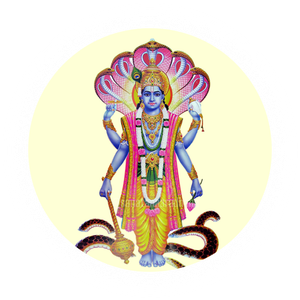
तिथि व महत्व: वैशाख माह के कृष्ण पक्ष की एकादशी को “वरूथिनी एकादशी” कहा जाता है। “वरूथिनी” का अर्थ है — जो साधक को रक्षण, आवरण और सौभाग्य का कवच प्रदान करे। यह एकादशी विशेष रूप से पापों को शान्त करने वाली, दरिद्रता को दूर करने वाली और दीन-सधवा स्त्रियों को पुनः सौभाग्य देने वाली मानी गई है।
श्रीकृष्ण का अर्जुन से उपदेश
श्रीकृष्ण ने कहा — “हे अर्जुन! इस एकादशी का व्रत करने से मनुष्य को वैसा ही पुण्य मिलता है, जैसा दस हज़ार वर्ष की कठिन तपस्या से मिलता है। इससे ही प्राचीनकाल में राजा मान्धाता स्वर्ग के अधिकारी बने और धुन्धुमार आदि पवित्र लोकों को प्राप्त हुए। जो स्त्री दुखी, निराश या विधवा हो और श्रद्धा से यह व्रत करे, उसका भाग्य फिर से उज्ज्वल होता है।”
इस व्रत की तुलनाएँ
भगवान ने आगे समझाया — “हे धनंजय! कुरुक्षेत्र में सूर्यग्रहण के समय यदि कोई स्वर्णदान करे तो जो अलभ्य फल मिलता है, वही फल इस एकादशी के उपवास से उपलब्ध होता है। यह व्रत साधक को इस लोक में सुख और परलोक में उन्नति — दोनों देता है।”
दान का क्रम और एकादशी का स्थान
ग्रन्थों में दान का एक क्रम बताया गया है —
• घोड़े का दान अच्छा, पर उससे ऊपर हाथी का दान।
• हाथी से बढ़कर भूमि का दान।
• भूमि से बढ़कर तिल का दान।
• तिल से बढ़कर स्वर्ण का दान।
• और स्वर्ण से भी बढ़कर है अन्नदान, क्योंकि अन्न से देवता, पितर और मनुष्य — सबकी तृप्ति होती है।
• इसी को शास्त्र में कन्यादान के बराबर भी कहा गया है।
श्रीकृष्ण ने कहा — “हे पार्थ! वरूथिनी एकादशी का व्रत इन दोनों — अन्नदान और कन्यादान — का संयुक्त फल देता है। इसलिए इसका माहात्म्य सामान्य व्रत से बहुत ऊँचा है।”
कन्याधन का दुरुपयोग और चेतावनी
शास्त्र यह भी कहते हैं — जो जन लोभवश कन्या-पक्ष का धन दबा लेते हैं, या जो कन्या-विवाह के नाम पर धन लेकर भोगते हैं, वे प्रलय-समाप्ति तक कष्ट भोगते हैं, और अगले जन्म में भी नीची योनियों (जैसे बिलाव/बिल्ली) में भटक सकते हैं। इसके उलट जो प्रेम से, यज्ञ-विधि से, धर्मपूर्वक कन्यादान करते हैं, उनका पुण्य चित्रगुप्त भी पूरा नहीं लिख पाते।
भगवान बोले — “ऐसे महादुर्लभ पुण्य का अंश इस एकादशी के व्रत से मिलता है; इसलिए बुद्धिमान इसे अवश्य करें।”
व्रत का नियम (दशमी से संयम)
इस एकादशी की विशेषता यह है कि इसका संयम एक दिन पहले दशमी से ही शुरू कर दिया जाता है। दशमी से व्रती को ये चीजें छोड़ देनी चाहिए —
• काँसे के पात्र में भोजन
• माँसाहार
• मसूर, चना, कोदो, शाक इत्यादि वर्ज्य पदार्थ
• शहद (मधु)
• दूसरे का पकाया अन्न
• एक दिन में दूसरी बार भोजन
• काम-वासना को उकसाने वाली संगति या चर्चा
एकादशी के दिन पूर्ण ब्रह्मचर्य, क्रोध-त्याग, झूठ-त्याग, चुगली-त्याग और पापी-संग से दूर रहना अनिवार्य माना गया है। रात को अधिक सोना भी मना है — यथाशक्ति हरिनाम, कथा-स्मरण या शास्त्र-चिन्तन से जागरण करना चाहिए।
व्रत का फल
• इस व्रत से इहलोक में सुख-सौभाग्य और परलोक में उत्तम गति दोनों प्राप्त होते हैं।
• जिनके भाग्य में रुकावट, दाम्पत्य में क्लेश या संतान-सुख में कमी हो — वे भी इसे कर सकते हैं।
• जो श्रद्धा से इसका माहात्म्य पढ़ता या सुनाता है, उसे हज़ार गौदान के बराबर पुण्य कहा गया है।
• भगवान ने यह भी कहा — “इसका फल गंगाजल में स्नान करने से भी ऊँचा है।”
कथा-सार
• सौभाग्य कभी केवल किस्मत से नहीं टिकता — वह संयम से सुरक्षित रहता है।
• वरूथिनी एकादशी का नियम हमें यही सिखाता है कि जो खाते हैं, जो बोलते हैं, जिसके संग बैठते हैं, जो सोचते हैं — सब पर अनुशासन हो।
• जो व्यक्ति नियम के साथ यह व्रत करता है, उसका पुण्य दो लोकों में उसका रक्षण करता है — जैसे नाम से ही संकेत है: “वरूथिनी” — ढाल, सुरक्षा, कवच।
Saubhagy-Suraksha Pradan Karne Vali Ekadashi Vrat Katha
Tithi V Mahatv: Vaishakh Mah Ke Krishna Paksh Ki Ekadashi Ko “Varuthini Ekadashi” Kaha Jata Hai. “Varuthini” Ka Arth Hai — Jo Sadhak Ko Rakshan, Avran Aur Saubhagy Ka Kavach Pradan Kare. Yah Ekadashi Vishesh Rup Se Papon Ko Shant Karne Vali, Daridrta Ko Dur Karne Vali Aur Din-Sadhva Striyon Ko Punah Saubhagy Dene Vali Mani Gai Hai.
Shrikrishn Ka Arjun Se Updesh
Shrikrishn Ne Kaha — “He Arjun! Is Ekadashi Ka Vrat Karne Se Manushy Ko Vaisa Hi Puny Milta Hai, Jaisa Das Hazar Varsh Ki Kathin Tapasya Se Milta Hai. Isse Hi Prachinkal Men Raja Mandhata Svarg Ke Adhikari Bane Aur Dhundhumar Adi Pavitr Lokon Ko Prapt Hue. Jo Stri Dukhi, Nirash Ya Vidhva Ho Aur Shraddha Se Yah Vrat Kare, Uska Bhagy Phir Se Ujjval Hota Hai.”
Is Vrat Ki Tulnaen
Bhagwan Ne Age Samjhaya — “He Dhananjay! Kurukshetr Men Suryagrhan Ke Samay Yadi Koi Svarndan Kare To Jo Alabhy Phal Milta Hai, Vahi Phal Is Ekadashi Ke Upvas Se Uplabdh Hota Hai. Yah Vrat Sadhak Ko Is Lok Men Sukh Aur Parlok Men Unnti — Donon Deta Hai.”
Dan Ka Kram Aur Ekadashi Ka Sthan
Granthon Men Dan Ka Ek Kram Bataya Gaya Hai —
• Ghode Ka Dan Achchhha, Par Usse Upar Hathi Ka Dan. • Hathi Se Badhkar Bhumi Ka Dan. • Bhumi Se Badhkar Til Ka Dan. • Til Se Badhkar Svarn Ka Dan. • Aur Svarn Se Bhi Badhkar Hai Anndan, Kyonki Ann Se Devta, Pitar Aur Manushy — Sabki Tripti Hoti Hai. • Isi Ko Shastra Men Kanyadan Ke Barabar Bhi Kaha Gaya Hai.
Shrikrishn Ne Kaha — “He Parth! Varuthini Ekadashi Ka Vrat In Donon — Anndan Aur Kanyadan — Ka Sanyukt Phal Deta Hai. Islie Iska Mahatmy Samany Vrat Se Bahut Uncha Hai.”
Kanyadhan Ka Durupyog Aur Chetavni
Shastra Yah Bhi Kahte Hain — Jo Jan Lobhvash Kanya-Paksh Ka Dhan Daba Lete Hain, Ya Jo Kanya-Vivah Ke Nam Par Dhan Lekar Bhogte Hain, Ve Pralay-Samapti Tak Kasht Bhogte Hain, Aur Agle Janm Men Bhi Nichi Yoniyon (Jaise Bilav/Billi) Men Bhatak Sakte Hain. Iske Ulat Jo Prem Se, Yagya-Vidhi Se, Dharmpurvak Kanyadan Karte Hain, Unka Puny Chitrgupt Bhi Pura Nahin Likh Pate.
Bhagwan Bole — “Aise Mahadurlabh Puny Ka Ansh Is Ekadashi Ke Vrat Se Milta Hai; Islie Buddhiman Ise Avashy Karen.”
Vrat Ka Niyam (Dashmi Se Sanyam)
Is Ekadashi Ki Visheshta Yah Hai Ki Iska Sanyam Ek Din Pahle Dashmi Se Hi Shuru Kar Diya Jata Hai. Dashmi Se Vrati Ko Ye Chijen Chhhod Deni Chahie —
• Kanse Ke Patr Men Bhojan • Mansahar • Masur, Chana, Kodo, Shak Ityadi Varjy Padarth • Shahad (Madhu) • Dusre Ka Pakaya Ann • Ek Din Men Dusri Bar Bhojan • Kam-Vasna Ko Uksane Vali Sangti Ya Charcha
Ekadashi Ke Din Purn Brahmchary, Krodh-Tyag, Jhuth-Tyag, Chugli-Tyag Aur Papi-Sang Se Dur Rahna Anivary Mana Gaya Hai. Rat Ko Adhik Sona Bhi Mana Hai — Yathashakti Harinam, Katha-Smaran Ya Shastra-Chintan Se Jagran Karna Chahie.
Vrat Ka Phal
• Is Vrat Se Ihlok Men Sukh-Saubhagy Aur Parlok Men Uttam Gati Donon Prapt Hote Hain. • Jinke Bhagy Men Rukavat, Dampaty Men Klesh Ya Santan-Sukh Men Kami Ho — Ve Bhi Ise Kar Sakte Hain. • Jo Shraddha Se Iska Mahatmy Padhta Ya Sunata Hai, Use Hazar Gaudan Ke Barabar Puny Kaha Gaya Hai. • Bhagwan Ne Yah Bhi Kaha — “Iska Phal Gangajal Men Snan Karne Se Bhi Uncha Hai.”
Katha-Sar
• Saubhagy Kabhi Keval Kismat Se Nahin Tikta — Vah Sanyam Se Surakshit Rahta Hai. • Varuthini Ekadashi Ka Niyam Hamen Yahi Sikhata Hai Ki Jo Khate Hain, Jo Bolte Hain, Jiske Sang Baithte Hain, Jo Sochte Hain — Sab Par Anushasan Ho. • Jo Vyakti Niyam Ke Sath Yah Vrat Karta Hai, Uska Puny Do Lokon Men Uska Rakshan Karta Hai — Jaise Nam Se Hi Sanket Hai: “Varuthini” — Dhal, Suraksha, Kavach.
Jai Shri Krishna! Beloved devotees, let us immerse ourselves in the divine narrative of Varuthini Ekadashi, a sacred Vrat that bestows immense blessings and protection upon those who observe it with faith and devotion. May this holy Katha illuminate our path and draw us closer to the divine grace.
The Sacred Varuthini Ekadashi Vrat Katha: Granting Good Fortune and Divine Protection
The Auspicious Date and Its Glory: The Ekadashi that falls during the Krishna Paksha (dark fortnight) of the Vaishakha month is known as “Varuthini Ekadashi”. The word “Varuthini” signifies that which bestows protection, a divine shield, and the armour of good fortune upon the devotee. This sacred Ekadashi is especially revered for pacifying sins, alleviating poverty, and restoring good fortune to those women who are distressed or have lost their marital bliss.
Bhagwan Shri Krishna’s Divine Counsel to Arjuna
Bhagwan Shri Krishna revealed, “O Arjuna! By observing the Vrat of this Ekadashi, a person attains merit equivalent to that gained from ten thousand years of rigorous penance. It was through this Vrat that in ancient times, King Mandhata became worthy of Swargaloka, and great souls like Dhundhumara attained the most sacred realms. Any woman who is sorrowful, disheartened, or a widow, and observes this Vrat with unwavering faith, finds her destiny shining brightly once more.”
The Unparalleled Glories of This Sacred Vrat
The Lord further explained, “O Dhananjaya! If one offers a donation of gold during a solar eclipse at Kurukshetra, the invaluable merit (phala) thus attained is precisely the same as that achieved by fasting on this Ekadashi. This Vrat bestows upon the devotee both happiness and prosperity in this world, and spiritual upliftment in the afterlife.”
The Hierarchy of Sacred Donations and Varuthini Ekadashi’s Supreme Place
The sacred scriptures describe a hierarchy of donations, each with increasing merit:
• Donating a horse is meritorious, but a donation of an elephant is considered superior. • Greater than donating an elephant is the donation of land. • More meritorious than donating land is the donation of sesame seeds (Til). • Superior to donating Til is the donation of gold. • And even greater than gold is the donation of food (Annadaan), for food satisfies everyone—devas (deities), pitars (ancestors), and human beings. • The scriptures also declare that Annadaan is equivalent to Kanyadaan (the sacred act of giving away one’s daughter in marriage).
Shri Krishna continued, “O Partha! Observing the Varuthini Ekadashi Vrat bestows the combined merit of both Annadaan and Kanyadaan. Therefore, its glory (Mahatmya) is far superior to that of ordinary Vrats.”
The Perils of Misusing Kanyadhan and the Divine Warning
The scriptures also declare that those who, out of greed, seize or exploit the wealth of the bride’s family, or those who accumulate and enjoy riches in the name of a daughter’s marriage, suffer great misery until the end of a Pralaya (cosmic dissolution), and may even wander in lower life forms (such as cats) in their next birth. Conversely, those who perform Kanyadaan with love, according to Vedic rites, and in adherence to Dharma, accrue such immense merit that even Chitragupta (the celestial record-keeper) cannot fully enumerate it.
The Lord concluded, “A fraction of such supremely rare merit is obtained by observing the Vrat of this Ekadashi; therefore, the wise should certainly undertake it.”
The Sacred Observances of Varuthini Ekadashi (Austerities Begin from Dashami)
A unique feature of this Ekadashi is that its observances and austerities (sanyam) begin one day prior, from Dashami itself. From Dashami, the devotee observing the Vrat should abstain from the following:
• Eating food from a bronze vessel • Non-vegetarian food • Forbidden grains and vegetables such as masoor dal, chana (chickpeas), kodo, and certain leafy greens • Honey (Madhu) • Food cooked by others • Eating a second time within the same day • Company or discussions that incite sensual desires
On the day of Ekadashi, it is essential to observe complete celibacy (Brahmacharya), renounce anger, falsehoods, backbiting, and keep away from sinful company. Excessive sleep at night is also prohibited; one should keep vigil (Jagaran) by chanting Hari Naam, remembering sacred Kathas, or contemplating scriptures, as much as possible.
The Divine Fruits of Observing This Vrat
• By observing this Vrat, one attains both happiness and good fortune in this world (Ihaloka), and an excellent state in the afterlife (Paraloka). • Those who face obstacles in their destiny, marital discord, or lack of joy from progeny can also undertake this Vrat. • It is said that whoever devoutly reads or listens to its glory (Mahatmya) attains merit equivalent to donating one thousand cows (Gau-daan). • The Lord also declared, “Its merit is even greater than bathing in the sacred waters of the Ganga.”
The Essence of the Sacred Katha
• Good fortune (Saubhagya) never lasts by mere chance; it is preserved through self-control (Sanyam). • The observances of Varuthini Ekadashi teach us that there must be discipline in what we eat, what we speak, whose company we keep, and what we think. • A person who observes this Vrat with strict adherence to its rules finds their accumulated merit protecting them in both worlds, just as the name “Varuthini” itself signifies: a shield, protection, an armour.