

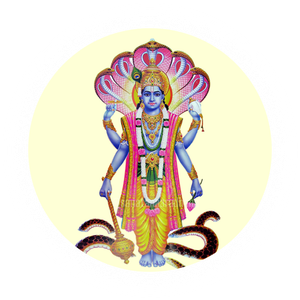
अर्जुन की विनती: भगवान श्रीकृष्ण से अनेक एकादशियों का माहात्म्य सुनकर अर्जुन ने कहा — “हे केशव! आपकी वाणी से हृदय तृप्त हो गया। अब कृपा करके माघ मास के कृष्ण पक्ष में जो एकादशी आती है, उसका भी माहात्म्य सुनाइए।”
श्रीकृष्ण बोले: “हे पार्थ! ध्यान से सुनो, यह माघ कृष्ण की एकादशी ‘षटतिला एकादशी’ कहलाती है। यह पापों को जड़ से हरने वाली, दान को सार्थक करने वाली और दीनों को समृद्ध करने वाली एकादशी है।”
दालभ्य ऋषि और पुलस्त्य मुनि का संवाद
एक समय दालभ्य ऋषि ने पुलस्त्य मुनि से पूछा — “हे महामुनि! इस लोक के मनुष्य कभी क्रोधवश, कभी लोभवश, कभी अज्ञान से — ब्रह्महत्या, चोरी, पर-धन से ईर्ष्या, यहाँ तक कि धर्मग्रंथों की अवहेलना जैसे महापाप कर डालते हैं। बाद में पछताते हैं कि ‘हाय! यह क्या हो गया!’ ऐसा कौन-सा उपाय है जो नरक से बचा सके? कौन-सा दान-पुण्य ऐसा है जो पापकर्मों को धो दे?”
पुलस्त्य जी ने उत्तर दिया: “तुमने कल्याणकारी प्रश्न किया है। यह रहस्य देवता भी कम ही जानते हैं। माघ मास आने पर मनुष्य को स्नान से शुद्ध, आहार से संयमित, इन्द्रियों से निग्रहित रहना चाहिए और काम, क्रोध, लोभ, मोह तथा अहंकार को यथाशक्य दूर रखना चाहिए। उसी मास की कृष्ण पक्ष एकादशी को ‘षटतिला’ व्रत कहा गया है।”
फिर उन्होंने नियम बताया —
• पुष्य नक्षत्र में गोबर, रूई (कपास) और तिल मिलाकर उपले बनाना।
• उन उपलों से १०८ बार हवन करना।
• मूल नक्षत्र और एकादशी तिथि के योग में भगवान विष्णु का पूजन, कीर्तन और व्रत लेना।
• एकादशी को उपवास और रात्रि-जागरण।
• द्वादशी को धूप, दीप, नैवेद्य, खिचड़ी, पेठा, नारियल, सीताफल या सुपारी सहित अर्घ्य अर्पित करना।
• तत्पश्चात् ब्राह्मण को जल-भरा घड़ा और तिल दान देना — सामर्थ्य हो तो तिल सहित गौदान करना।
अर्घ्य की प्रार्थना ऐसे करें: “हे जगन्नाथ! हे कमलनयन! आप निराश्रितों के आश्रयदाता हैं, संसार-सागर से पार लगाने वाले हैं। लक्ष्मीसमेत मेरे इस छोटे-से अर्घ्य को स्वीकार कीजिए।”
‘षट’ + ‘तिल’ = षटतिला
मुनि ने कहा — “इस व्रत की विशेषता यह है कि इसमें तिल का उपयोग छः रूपों में होता है, इसलिए इसका नाम ‘षटतिला’ है:
1. तिल से स्नान (तिल-स्नान)
2. तिल की उबटन (अंग-लेप)
3. तिल मिला हुआ जल (तिलोदक)
4. तिल का हवन
5. तिल का भोजन (तिल युक्त भोजन / खिचड़ी)
6. तिल का दान
इन छह प्रकार से तिल का प्रयोग करने से असंख्य पाप क्षीण हो जाते हैं और दान का फल अखंड होता है।
कभी दान न करने वाली ब्राह्मणी
भगवान ने नारद से कहा — “हे देवरषे! एक बार तुमने मुझसे इस व्रत का फल पूछा था, तब मैंने तुम्हें यह घटना सुनाई थी। ध्यान से सुनो —
पृथ्वी पर एक ब्राह्मणी रहती थी। वह बहुत उपवास-परायण थी — एक-एक मास तक निराहार रह लेती थी, जप करती थी, देह को पवित्र रखती थी। पर उसमें एक कमी थी — वह कभी दान नहीं देती थी।
मैंने सोचा — “उपवास से इसका शरीर तो शुद्ध हो गया है, वैकुण्ठ की पात्र भी बन रही है, पर इसने कभी भूखे को अन्न नहीं दिया। बिना अन्नदान के दूसरों को संतोष कैसे मिलेगा?” फिर मैं भिक्षुक-रूप में उसके घर गया और कहा — “देवि! भिक्षां दे।”
उसने पूछा — “हे योगिराज! आपको क्या चाहिए?” मैंने कहा — “मुझे कुछ भोजन दो।” वह भीतर गयी, पर उसने अन्न न देकर मिट्टी का एक छोटा-सा पिण्ड मेरे हाथ में रख दिया। मैं वह पिण्ड लेकर स्वर्ग लौट आया।
समय बीता, वह ब्राह्मणी भी देह त्यागकर स्वर्ग आयी। वहाँ उसे एक घर तो मिला, पर घर में केवल एक आम का वृक्ष था, और अन्य कोई वस्तु, धान्य या वैभव नहीं था। वह चकित हो गयी। मेरे पास आकर बोली — “हे प्रभु! मैंने इतने व्रत किए, देह तपायी, आपका भजन किया — फिर भी मेरा घर रिक्त क्यों है?”
मैंने कहा: “तू अपने भवन में लौट जा। जब देव-स्त्रियाँ मिलने आएँ, तब तू द्वार न खोलना, पहले उनसे ‘षटतिला एकादशी’ का विधान और माहात्म्य पूछना। जब वे बता दें, तब द्वार खोलना।”
वह लौट गयी। कुछ ही समय में देवलोक की स्त्रियाँ उसे देखने आयीं और बोलीं — “दरवाज़ा खोलो!”
ब्राह्मणी बोली — “पहले आप मुझे षटतिला एकादशी का माहात्म्य बताइए, फिर मैं द्वार खोलूँगी।” उनमें से एक देवी ने कृपापूर्वक नियम, तिल-दान, तिल-स्नान, तिल-हवन और द्वादशी-पारण — सब कुछ समझा दिया। तब उसने द्वार खोला।
उसने स्वयं भी वही व्रत किया। बस, तिल-युक्त व्रत करते ही उसका घर अन्न, वस्त्र, रत्न और सुख-सामग्री से भर गया। तब मैंने कहा — “हे नारद! इसलिए जो केवल उपवास करता है पर दान नहीं करता, उसका फल अपूर्ण रहता है। षटतिला एकादशी उसे पूर्ण कर देती है।”
व्रत का फल
इस एकादशी में तिल-दान जितना किया जाता है, उतने ही वर्षों तक स्वर्ग में वास मिलता है।
यह व्रत कायिक (शरीर), वाचिक (वाणी), और मानसिक — तीनों दोषों को हल्का करता है।
जो छः प्रकार से तिल का प्रयोग करता है, उसका दान कभी खाली नहीं जाता।
“केवल अपने को शुद्ध कर लूँ” — यह भाव अधूरा है; “किसी को तृप्त भी करूँ” — यह भाव पूर्ण है। यही षटतिला का संदेश है।
कथा-सार
व्रत + दान = पूर्ण फल। सिर्फ व्रत, बिना दान के, अधूरा है।
जो-जो दान पृथ्वी पर होता है, वैसा-वैसा ही फल लोकों में मिलता है। ब्राह्मणी ने मिट्टी दी — उसे भी मिट्टी जैसा फल मिला।
तिल का दान विशेषकर माघ मास में रोग, दरिद्रता और पाप — इन तीनों को काटता है।
इस दिन किया गया दान “नरक-निवारक” कहा गया है, इसलिए इसे अवश्य करना चाहिए।
जो इस व्रत का माहात्म्य सुनता-सुनाता है, उसे जन्म-जन्म का स्वास्थ्य, अन्न-समृद्धि और विष्णुभक्ति प्राप्त होती है।
Jai Shri Krishna! Let us immerse ourselves in the sacred narratives that reveal the profound wisdom of our ancient traditions. The Puranas beautifully illustrate the power of devotion and the importance of selfless giving. Today, we delve into the glories of Shattila Ekadashi, a sacred day that highlights the essence of compassion and charity, as narrated by Bhagwan Shri Krishna Himself.
The Sacred Katha of a Brahmani Who Learned the Joy of Giving
Arjuna’s Humble Plea: Having heard the glories of many Ekadashis from Bhagwan Shri Krishna, Arjuna said, “O Keshava! My heart is truly content listening to Your divine words. Now, please be gracious and narrate the greatness of the Ekadashi that falls in the Krishna Paksha of the month of Magha.”
Shri Krishna Replied: “O Partha! Listen attentively. This Ekadashi of Magha Krishna Paksha is known as ‘Shattila Ekadashi’. This Ekadashi eradicates sins from their very roots, makes acts of charity fruitful, and brings prosperity to the humble.”
The Divine Dialogue Between Sage Dalbhya and Pulastya Muni
Once, Sage Dalbhya inquired of Pulastya Muni, “O Great Muni! The people of this world, sometimes due to anger, sometimes greed, and sometimes ignorance, commit grave sins such as Brahmahatya (killing a Brahmin), theft, envy of others’ wealth, and even disregarding sacred scriptures. Later, they repent, lamenting, ‘Alas! What have I done!’ What is the remedy that can save them from Naraka (hell)? What act of charity or merit can wash away such sinful deeds?”
Pulastya ji replied: “You have asked a question that brings welfare to all. This secret is known to very few, even among the Devas. When the month of Magha arrives, one should remain pure through ritual bathing, disciplined in diet, and restrained in the senses. One should also, as far as possible, keep away from lust, anger, greed, attachment, and ego. The Ekadashi of the Krishna Paksha in that very month is called the ‘Shattila’ Vrat.”
Then he explained the sacred rituals:
• During the Pushya Nakshatra, make cow-dung cakes by mixing cow dung, cotton, and sesame seeds (til). • Perform Havan 108 times with these cow-dung cakes. • When the Moola Nakshatra aligns with the Ekadashi Tithi, perform Puja, Kirtan, and undertake the Vrat for Bhagwan Vishnu. • Observe a fast on Ekadashi and keep a night vigil (Ratri Jagaran). • On Dwadashi, offer Arghya along with incense (dhup), lamp (deep), sacred food (Naivedya), Khichdi, Petha, coconut, custard apple, or betel nut. • Thereafter, offer a pitcher filled with water and sesame seeds (til) as Dakshina to a Brahmin – and if one has the means, donate a cow along with til.
Recite this prayer while offering Arghya: “O Jagannath! O Lotus-eyed Lord! You are the refuge of the shelterless, the one who guides us across the ocean of worldly existence. Please accept this humble Arghya of mine, along with Devi Lakshmi.”
The Meaning of ‘Shat’ + ‘Til’ = Shattila
The Muni explained, “The unique feature of this Vrat is that sesame seeds (til) are used in six different ways, hence its name is ‘Shattila’:
1. Bathing with sesame seeds (Til-Snan) 2. Applying a paste of sesame seeds on the body (Ang-Lep) 3. Drinking water mixed with sesame seeds (Tilodak) 4. Offering sesame seeds in Havan 5. Consuming food containing sesame seeds (Til Yukta Bhojan / Khichdi) 6. Donating sesame seeds (Til Daan)
By using sesame seeds in these six ways, innumerable sins are diminished, and the fruit of charity becomes everlasting.
The Brahmani Who Knew Not the Joy of Giving
Bhagwan (Shri Krishna) then narrated to Narada, “O Devarshi! Once you had inquired of Me about the fruits of this Vrat, and then I had narrated this incident to you. Listen attentively —
On Earth, there lived a Brahmani. She was extremely devoted to fasting — she could go without food for even a month at a time, she performed Japa, and kept her body pure. However, she had one shortcoming — she never gave any charity.
I pondered, ‘Through fasting, her body has become pure, and she is becoming worthy of Vaikuntha, but she has never offered food to the hungry. How can others find contentment without the charity of food?’ Then, I went to her house in the guise of a beggar and said, ‘Devi! Please give alms.’
She asked, ‘O Yogiraj! What do you desire?’ I replied, ‘Give me some food.’ She went inside, but instead of food, she placed a small lump of earth in my hand. I took that lump and returned to Swarga (heaven).
Time passed, and that Brahmani also left her mortal coil and came to Swarga. There, she received a house, but within it, there was only a mango tree, and no other objects, grains, or luxuries. She was astonished. She came to Me and said, ‘O Prabhu! I observed so many Vrats, performed austerities, and chanted Your name — yet why is my house empty?’
I said: ‘Return to your abode. When the celestial maidens come to visit you, do not open the door. First, ask them about the rituals and glories of ‘Shattila Ekadashi’. Only when they have explained it, open the door.’
She returned. Soon, the celestial women from Devaloka came to see her and called out, ‘Open the door!’
The Brahmani replied, ‘First, please tell me the greatness of Shattila Ekadashi, then I will open the door.’ One of the Devis, with compassion, explained everything — the rules, the Til-Daan (sesame seed donation), Til-Snan (sesame seed bath), Til-Havan (sesame seed offering in fire), and Dwadashi Parana (breaking the fast). Then she opened the door.
She herself observed that Vrat. Instantly, upon observing the Til-Yukta Vrat (Vrat involving sesame seeds), her house became filled with grains, clothes, jewels, and all articles of comfort. Then I said, ‘O Narada! Therefore, one who only fasts but does not give charity finds their fruit of devotion incomplete. Shattila Ekadashi completes it.'”
The Divine Fruits of Observing Shattila Ekadashi Vrat
In this Ekadashi, it is believed that the number of sesame seeds donated determines the number of years one receives residence in heaven.
This Vrat helps reduce the three kinds of faults — physical, verbal, and mental.
One who uses sesame seeds in six sacred ways never lets their charity go in vain.
“Let me purify only myself” is an incomplete feeling; “Let me also satisfy and serve someone else” is the complete feeling. This is the true message of Shattila Ekadashi.
Summary of the Katha
Vrat + charity = complete fruit. A Vrat without charity is considered incomplete.
Whatever is donated on earth, a person receives a similar result in the divine realms. The Brahmin woman donated clay, and she received a result similar to clay.
The donation of sesame seeds, especially in the month of Magh, is believed to remove disease, poverty, and sins.
Charity performed on this day is described as “Narak-Nivarak” — one that protects from hellish suffering — therefore, it should be performed with devotion.
Whoever listens to or narrates the glory of this Vrat receives health, food prosperity, and devotion to Bhagwan Vishnu across many births.