

अर्जुन की जिज्ञासा: मोक्षदा एकादशी की महिमा सुनकर अर्जुन ने कहा — “हे कमलनयन माधव! अब कृपा करके पौष मास के कृष्ण पक्ष में आने वाली एकादशी का नाम, उसका देवता, पूजा-विधान और उसका फल भी बताइए।”
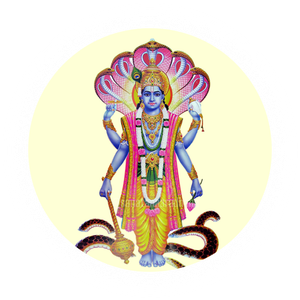
श्रीकृष्ण बोले: “हे कुन्तीपुत्र! तुम्हारा प्रश्न अत्यन्त शुभ है, इसलिए मैं विस्तार से कहता हूँ। पौष कृष्ण की यह एकादशी ‘सफला एकादशी’ कहलाती है। इस दिन श्रीमन नारायण की विधिपूर्वक पूजा करनी चाहिए। जैसे नागों में अनन्त, पक्षियों में गरुड़, ग्रहों में सूर्य, यज्ञों में अश्वमेध और देवों में स्वयं विष्णु श्रेष्ठ हैं — वैसे ही समस्त व्रतों में एकादशी सर्वोपरि है। जो इस दिन श्रद्धा से उपवास और रात्रि-जागरण करता है, उसे वैसा फल मिलता है जैसे किसी ने हज़ारों वर्षों तक तपस्या की हो।”
इस एकादशी के दिन नींबू, नारियल, मौसमी फल, नैवेद्य, धूप, दीपादि अर्पित करके भगवान विष्णु की आराधना करनी चाहिए।
राजा महिष्मान और उसका पुत्र लुम्पक
प्राचीन काल में चम्पावती नामक नगरी में महिष्मान नाम का प्रतापी राजा राज्य करता था। उसके चार पुत्र थे। उनमें से ज्येष्ठ पुत्र लुम्पक स्वभाव से ही दुष्ट, उच्छृंखल और महापापी था।
वह पिता के धन को वेश्याओं पर उड़ाता, पर-स्त्री गमन करता, देवता, वैष्णव और ब्राह्मणों की निन्दा करके प्रसन्न होता था। राजकुमार होने के कारण प्रजा चुप थी, पर भीतर से सब अत्यन्त दुखी थे।
एक समय राजा को उसके पाप-कर्मों का भेद खुल गया। राजा महिष्मान अत्यन्त क्रुद्ध हुआ और बोला — “ऐसे दुराचारी को मैं पुत्र नहीं मानता।” उसने लुम्पक को राज्य से निष्कासित कर दिया।
राज्य से निकाले जाते ही सबने उसे छोड़ दिया। असुर-दृष्टि से प्रेरित होकर उसने सोचा — “दिन में तो मैं बाहर जंगल में रहूँगा और रात को पिता के नगर में घुसकर चोरी करूँगा।” वह ऐसा ही करने लगा।
वह दिन में जंगल में रहता, रात को नगर में आकर चोरी, उत्पीड़न, मारपीट और पाप-कर्म करता। जंगल में वह निरपराध पशु-पक्षियों तक को मारकर खा जाता। कभी पकड़ा भी जाता तो राजकुमार समझकर सैनिक उसे छोड़ देते।
भगवान का प्रिय वन: जिस वन में वह रहता था, वहाँ एक प्राचीन पीपल का वृक्ष था। वह स्थान देवताओं का क्रीड़ा-स्थल माना जाता था और स्वयं भगवान को भी प्रिय था। लुम्पक उसी पीपल के नीचे पड़ा रहता था।
अज्ञानपूर्वक हुआ व्रत
समय आया — पौष कृष्ण की दशमी की रात। भीषण ठण्ड थी। लुम्पक के पास ढंग का वस्त्र भी न था। ठण्ड से उसका शरीर अकड़ गया, वह रातभर सो नहीं सका और लगभग मूर्च्छित हो गया।
दूसरा दिन था — वही सफला एकादशी। मध्याह्न तक भी वह मूर्च्छा-ग्रस्त पड़ा रहा। सूर्य की किरणों की तपन से जब उसे कुछ होश आया तो वह वन में खाने के लिए कुछ खोजने लगा, पर उस दिन वह शिकार करने की शक्ति नहीं जुटा पाया।
जितने गिरे हुए फल उसे मिल सके, वे उठा लाया और पीपल की जड़ में बैठ गया। संध्या तक उसे बहुत भूख लगी, पर उसी समय उसके भीतर एक संकोच आया — “जो मैं रोज़ जीवों को मारकर खाता हूँ, आज मुझे केवल फल ही मिले हैं!”
भूख से व्याकुल होने पर भी उसने वे फल स्वयं न खाए, बल्कि पीपल की जड़ में रखकर कह दिया —
“हे देव! हे अज्ञात ईश्वर! ये फल आपको अर्पित हैं, आप ही इन्हें स्वीकार करें।”
उस रात उसे फिर नींद नहीं आयी — वह ठण्ड, पश्चात्ताप और अकेलेपन से रोता रहा। इस प्रकार उससे पूरे दिन का उपवास भी हो गया और रात्रि-जागरण भी — और वह भी सफला एकादशी की रात को!
अज्ञान से, बिना नियम जाने, बिना विधि समझे — परन्तु किसी भीतरी पश्चात्ताप के साथ — किया गया यह उपवास भगवान श्रीहरि को अत्यन्त प्रिय हो गया। उसी क्षण उसके पूर्वकृत भयानक पाप क्षीण होने लगे।
भगवान की कृपा
प्रातः समय एक दिव्य रथ आसमान से उतरा। वह रथ शोभा, ध्वजा, दास-दासियों और दिव्य वस्त्रों से सुसज्जित था। उसी समय आकाशवाणी हुई —
“हे महिष्मान-पुत्र लुम्पक! तेरे द्वारा अनजाने में किए गए सफला एकादशी-व्रत, फल-समर्पण और रात्रि-जागरण से तेरा समस्त पापकर्म नष्ट हो चुका है। अब तू पिता के पास जा, वे तुझे स्वीकार करेंगे, और राज्य भी तुझे ही प्राप्त होगा।”
यह सुनकर लुम्पक रो पड़ा और बोला — “हे प्रभु! आपकी जय हो! मैं सचमुच दुराचारी था, फिर भी आपने कृपा की।” उसने दिव्य वस्त्र धारण किए और पिता के पास गया।
राजा महिष्मान ने जब उसका पश्चात्ताप देखा और उसने पूरी कथा सुनाई कि “कैसे एकादशी के दिन अनजाने में उपवास हो गया और कैसे आकाशवाणी हुई” — तब राजा का हृदय पिघल गया। उन्होंने तत्काल पूरा राज्य उसे सौंप दिया और स्वयं वन में चले गये।
लुम्पक ने फिर शास्त्रानुसार, धर्मपूर्वक राज्य किया, परिवार सहित विष्णुभक्त बन गया, और वृद्ध होने पर राज्य पुत्र को देकर वन में भजन करने चला गया। अन्त में उसने परम पद प्राप्त किया।
फल और उपदेश
श्रीकृष्ण ने अर्जुन से कहा: “हे पार्थ! जो पुरुष श्रद्धा और भक्ति से सफला एकादशी का उपवास करते हैं, उनके सभी पाप नष्ट हो जाते हैं और अन्ततः उन्हें मुक्ति प्राप्त होती है। जो इसके माहात्म्य को तुच्छ मानते हैं, उन्हें बुद्धिहीन समझना चाहिए। और जो इसकी कथा का श्रवण या पाठ करते हैं, उन्हें राजसूय यज्ञ के बराबर फल मिलता है।”
कथा-सार
• भगवान की कृपा कारण की अपेक्षा नहीं करती — अज्ञान से किया उपवास भी स्वीकार हो सकता है।
• एक दिन का सच्चा पश्चात्ताप बरसों के पापों को धो सकता है।
• एकादशी का व्रत इतना प्रभावी है कि वह दुराचारी को भी वैकुण्ठ-पात्र बना सकता है।
• जो कुछ हमें मिले — फल, समय, श्वास — यदि हम उसे ईश्वर को अर्पित कर दें, तो वही सफल (सफला) हो जाता है। इसी भाव से इसका नाम ‘सफला एकादशी’ पड़ा है।
Jai Shri Krishna! Let us immerse ourselves in the sacred narrative of Safala Ekadashi, a most potent Vrat that purifies the soul and bestows immense blessings upon those who observe it with devotion. This divine tale, recounted by Bhagwan Shri Krishna Himself, reveals the boundless compassion of the Lord and the profound power of even an unknowingly observed Vrat.
The Sacred Story of King Mahishman’s Son, Lumpak
Arjuna’s Inquiry: Having heard the glories of Mokshada Ekadashi, Arjuna humbly asked, “O Lotus-Eyed Madhav! Now, please graciously tell me the name, the presiding deity, the method of worship, and the fruit of the Ekadashi that falls in the Krishna Paksha (dark fortnight) of the Paush month.”
Shri Krishna Replied: “O Son of Kunti! Your question is exceedingly auspicious, and so I shall narrate it in detail. This Ekadashi of Paush Krishna Paksha is known as ‘Safala Ekadashi’. On this day, Bhagwan Shriman Narayan should be worshipped with due rituals and devotion. Just as Ananta is supreme among serpents, Garuda among birds, Surya among planets, Ashwamedha among yagnas, and Vishnu Himself among Devas — so too is Ekadashi paramount among all Vrats. One who observes a fast with devotion and keeps vigil through the night on this day attains a fruit similar to one who has performed penance for thousands of years.”
On this Ekadashi, one should worship Bhagwan Vishnu by offering lemons, coconuts, seasonal fruits, Naivedya, incense, lamps, and other sacred items.
King Mahishman and His Son, Lumpak
In ancient times, in a city named Champavati, there lived a powerful king called Mahishman. He had four sons. Among them, his eldest son, Lumpak, was by nature wicked, unrestrained, and a great sinner.
He squandered his father’s wealth on courtesans, indulged in illicit relations with other women, and found joy in slandering Devas, Vaishnavas, and Brahmins. As he was a prince, the subjects remained silent, but inwardly, all were extremely distressed.
One day, his sinful deeds came to light before the king. King Mahishman became exceedingly enraged and declared, “I do not consider such a wicked person my son!” He then banished Lumpak from the kingdom.
As soon as he was expelled from the kingdom, everyone abandoned him. Driven by a demonic mindset, he thought, “During the day, I will stay in the jungle, and at night, I will sneak into my father’s city and commit theft.” And so, he began to do just that.
He would stay in the jungle during the day, and at night, he would enter the city to steal, harass, assault, and commit other sinful acts. In the jungle, he would even kill and eat innocent animals and birds. Sometimes, if caught, the soldiers would release him, considering him a prince.
The Lord’s Beloved Forest: The forest where he resided contained an ancient Peepal tree. That spot was considered a sacred abode for the Devas and was beloved by Bhagwan Himself. Lumpak often lay beneath that very Peepal tree.
The Unknowing Observance of the Vrat
Then came the night of Dashami in Paush Krishna Paksha. The cold was severe. Lumpak did not even have proper clothes. His body stiffened with cold, he couldn’t sleep all night, and virtually fell unconscious.
The next day was none other than Safala Ekadashi. He remained in that unconscious state until midday. When he regained some consciousness from the warmth of the sun’s rays, he began to search for something to eat in the forest, but that day, he could not gather the strength to hunt.
He gathered whatever fallen fruits he could find and sat down at the root of the Peepal tree. By evening, he felt intense hunger, but at that very moment, a hesitation arose within him — “I, who daily kill and consume living beings, have only found fruits today!”
Despite being tormented by hunger, he did not eat those fruits himself; instead, he placed them at the root of the Peepal tree and declared —
“O Deva! O Unknown Lord! These fruits are offered to You; please accept them.”
That night, he again could not sleep — he wept due to the cold, remorse, and loneliness. In this manner, he observed a full day’s fast and also kept vigil through the night — and that too, on the night of Safala Ekadashi!
Unknowingly, without understanding the rules, without comprehending the rituals — yet with a deep inner remorse — this fast became exceedingly dear to Bhagwan Shri Hari. At that very moment, his previously committed terrible sins began to diminish.
The Divine Grace of the Lord
In the morning, a divine chariot descended from the sky. The chariot was adorned with splendor, banners, servants, and divine garments. At that very moment, a celestial voice (Akashvani) was heard —
“O Lumpak, son of Mahishman! By your unknowingly observed Safala Ekadashi Vrat, your offering of fruits, and your night vigil, all your sinful deeds have been destroyed. Now go to your father; he will accept you, and the kingdom will also be yours.”
Hearing this, Lumpak wept and exclaimed, “O Prabhu! Glory to You! I was truly wicked, yet You have shown Your grace.” He donned the divine garments and went to his father.
When King Mahishman witnessed his remorse and heard the entire story of “how he unknowingly observed a fast on Ekadashi and how the celestial voice was heard” — the king’s heart melted. He immediately handed over the entire kingdom to him and Himself retired to the forest.
Lumpak then ruled righteously according to the scriptures (Dharma), became a devotee of Bhagwan Vishnu along with his family, and upon growing old, he handed over the kingdom to his son and went to the forest to engage in devotion (bhajan). Ultimately, he attained the supreme abode (Param Pad).
The Fruits and Teachings of Safala Ekadashi
Shri Krishna told Arjuna: “O Partha! Those who observe the Safala Ekadashi Vrat with faith and devotion, all their sins are destroyed, and they ultimately attain liberation (Mukti). Those who consider its greatness insignificant should be understood as unintelligent. And those who listen to or recite this Katha attain the fruit equivalent to performing a Rajasuya Yagna.”
Essence of the Sacred Katha
• The grace of Bhagwan does not depend on specific reasons or merits — even a fast observed unknowingly can be accepted. • One day of true remorse can wash away years of sins. • The Ekadashi Vrat is so potent that it can make even a wicked person worthy of Vaikuntha. • Whatever we receive — fruits, time, breath — if we offer it to Ishwara, it becomes ‘Safal’ (successful or fruitful). It is with this sentiment that it is named ‘Safala Ekadashi’.