

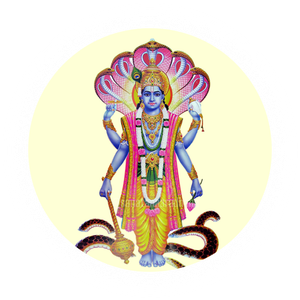
पाण्डुनन्दन अर्जुन ने विनम्र होकर पूछा – “हे त्रिलोकीनाथ! भाद्रपद मास के शुक्ल पक्ष की जो एकादशी आती है, उसका क्या नाम है? उस दिन किस देवता का पूजन किया जाता है, व्रत की विधि क्या है और उसे करने से कैसा फल मिलता है – मुझे यह सब विस्तार से सुनाइये।”
भगवान श्रीकृष्ण ने कहा – “हे पार्थ! भाद्रपद शुक्ल की इस एकादशी को जयन्ती और परिवर्तिनी एकादशी कहा जाता है। ‘जयन्ती’ इसलिए कि इसके श्रवण-मात्र से पापों का जय हो जाता है; और ‘परिवर्तिनी’ इसलिए कि इस दिन क्षीरसागर में शेषशायी भगवान विष्णु करवट बदलते हैं – देवशयन के बीच का यह दिव्य क्षण है। जो इस दिन मेरा, विशेषकर वामन स्वरूप का पूजन करता है, वह मानो त्रिदेव – ब्रह्मा, विष्णु, महेश – तीनों की पूजा कर लेता है। इस एकादशी का व्रत मनुष्य को ऐसा सिद्ध करता है कि संसार में उसका कुछ भी शेष नहीं रह जाता।”
भगवान का वामन अवतार और बलि की कथा
श्रीकृष्ण आगे बोले – “हे कुंतीसुत! तुमने पूछा कि मैं कैसे शयन करता हूँ, कैसे करवट बदलता हूँ और मैंने दैत्यराज बलि को क्यों बाँधा – तो सुनो, यह सब उसी वामन-लीला से जुड़ा है।
त्रेतायुग में बलि नाम का एक असुर राजा था। बाहर से असुर, पर भीतर से अत्यन्त दानी, सत्यनिष्ठ, ब्राह्मण-सेवक और यज्ञशील। वह इतना तेजस्वी और धर्मपरायण हुआ कि अपनी तपस्या और दान के प्रभाव से उसने देवराज इन्द्र का पद छीन लिया। देवताओं का ऐश्वर्य उसके हाथ चला गया, स्वर्ग पर उसका ही राज्य हो गया।
देवता चिन्तित हुए, इन्द्र सहित सब मेरे शरण आये और बोले – “हे जगन्निवास! बलि दानशील तो है, पर समस्त लोकों पर उसका आधिपत्य हो गया है। आप ही देवों की रक्षा करें।” तब मैं वामन – छोटे से, तेजस्वी, ब्राह्मण-बालक के रूप में अवतरित हुआ।
मैंने यज्ञ-स्थल पर जाकर दैत्यराज बलि से कहा – “हे राजन! तुम त्रैलोक्य-विजयी हो, महादानी हो। मुझे तो केवल तीन पग भूमि चाहिये, इससे तुम्हें तीनों लोक दान करने का ही फल मिल जायेगा।”
बलि दानी था, उसने बिना सोचे-विचारे ‘तथास्तु’ कह दिया। गुरु शुक्राचार्य ने रोका भी – “देव! यह विष्णु हैं, दैव-लीला है, मत दीजिए!” – पर दान का अभिमान कभी-कभी विवेक को ढँक देता है। बलि ने वचन दे दिया।
वचन मिलते ही मैंने अपना बटु रूप छोड़ विराट-त्रिविक्रम स्वरूप धारण कर लिया – एक पग में पृथ्वी, दूसरे में समस्त ऊर्ध्व लोक नाप लिये – भूर्, भुवः, स्वः, महः, जन, तप, सत्य – सब मेरी देह में आ गये। फिर मैंने पूछा – “हे बलि! अब तीसरा पग कहाँ रखूँ?”
तब वह भक्तवत्सल दैत्य झुक गया, बोला – “प्रभो! तीसरा पग मेरे सिर पर रखिये।” मैंने उसका वचन पकड़ लिया – उसका सिर दबा कर उसे पाताल में स्थापित किया, पर यह दण्ड केवल असुरता का था, भक्ति का नहीं। उसने प्रार्थना की – “प्रभो! मैं आपसे विमुख न रहूँ।” तब मैंने वर दिया – “हे बलि! मैं पाताल में भी तुम्हारे पास रहूँगा और क्षीरसागर में भी शेषशायी रहकर जगत की रक्षा करूँगा। भाद्रपद शुक्ल की इस एकादशी को मैं करवट बदलता हूँ – इसलिए यह परिवर्तिनी नाम से जानी जाती है।”
व्रत-विधान व महत्व
हे पार्थ! इस दिन प्रातः स्नान कर के भगवान श्रीविष्णु – विशेषतः वामन-रूप – का धूप, दीप, नैवेद्य, सुगन्धित पुष्प, तुलसी और शुद्ध जल से पूजन करना चाहिये। चावल, दही और चाँदी – इनका दान इस दिन विशेष मंगलकारी माना गया है। रात में यथाशक्ति जागरण करके हरिनाम-संकीर्तन, भगवद्गुण-कीर्तन या विष्णु-सहस्रनाम का पाठ करना चाहिये।
जो इस दिन उपवास करता है, उसका चातुर्मास्य-व्रत भी माने जाता है, क्योंकि देवशयन के काल में यह एक दिव्य संधि-तिथि है। इस व्रत का फल इतना ऊँचा है कि अश्वमेध यज्ञ के तुल्य बताया गया है।
कथा-सार
यह कथा हमें दो बातों का मर्म सिखाती है – पहली, दान के बाद अभिमान न रहे। राजा बलि का दान महान था, पर ‘मैं दानी हूँ’ का सूक्ष्म अभिमान उसे पाताल तक ले गया। दूसरी, भगवान भक्त को छोड़ते नहीं – दैत्य हो, परन्तु भक्त हो तो भगवान उसके साथ पाताल तक जाते हैं। इसलिये परिवर्तिनी एकादशी का व्रत करने वाला मनुष्य अपना दोष उतारता है, पाप क्षीण करता है और विष्णुलोक की प्राप्ति का अधिकारी बनता है।
With utmost reverence, Pandunandan Arjuna humbly asked, “O Lord of the three worlds! What is the name of the Ekadashi that falls in the bright fortnight of the Bhadrapada month? Which deity is worshipped on that day, what is the method of observing the Vrat, and what fruits does one attain by performing it? Please narrate all this to me in detail.”
Bhagwan Shri Krishna replied, “O Partha! This Ekadashi of Bhadrapada Shukla Paksha is known as Jayanti and Parivartini Ekadashi. It is called ‘Jayanti’ because merely hearing about it brings victory over sins; and ‘Parivartini’ because on this auspicious day, Bhagwan Vishnu, who reposes on Shesha in Ksheersagar, changes His side – it is a divine moment amidst the Deva-shayanam (the Lord’s cosmic sleep). One who worships Me on this day, especially My Vamana form, is considered to have worshipped all three Devas – Brahma, Vishnu, and Mahesh. Observing the Vrat of this Ekadashi makes a person so accomplished that nothing remains unattainable for them in this world.”
The Divine Incarnation of Bhagwan Vamana and the Story of Bali
Shri Krishna continued, “O son of Kunti! You asked how I recline, how I change sides, and why I bound the demon king Bali – listen, all this is connected to that divine Vamana Leela.
In the Treta Yuga, there was an Asura king named Bali. Outwardly an Asura, but inwardly he was extremely generous, truthful, a servant of Brahmins, and devoted to Yagnas. He became so radiant and righteous that through the power of his penance and charity, he seized the position of Devraj Indra. The opulence of the Devas came into his hands, and Swarga (heaven) became his kingdom.
The Devas became anxious, and Indra along with all others sought refuge in Me, saying, “O Jagannivasa! Bali is charitable, but he has established dominion over all the worlds. Only You can protect the Devas.” Then, I incarnated as Vamana – a small, radiant Brahmin boy.
I went to the Yagna site and said to the demon king Bali, “O King! You are a conqueror of the three worlds, a great giver. I only need three steps of land; by granting this, you will receive the fruit of donating all three worlds.”
Bali was a generous giver; he said ‘Tathastu’ (so be it) without much thought. His Guru Shukracharya tried to stop him, saying, “O Dev! This is Vishnu, a divine Leela; do not give it!” – but sometimes the pride of giving can cloud one’s wisdom. Bali had given his word.
As soon as he gave his word, I shed My small form and assumed the Virat-Trivikrama form – with one step, I measured the Earth, and with the second, all the upper worlds – Bhur, Bhuvah, Swah, Mahah, Jan, Tap, Satya – all came within My body. Then I asked, “O Bali! Where shall I place My third step now?”
Then that devotee-loving demon bowed down and said, “O Prabhu! Please place Your third step on my head.” I held onto his word – pressing his head, I established him in Patala. However, this punishment was only for his demonic nature, not for his devotion. He prayed, “O Prabhu! May I never be separated from You.” Then I granted him a boon, “O Bali! I shall reside with you even in Patala, and I shall also protect the world by reposing on Shesha in Ksheersagar. On this Ekadashi of Bhadrapada Shukla, I change My side – hence it is known by the name Parivartini.”
Vrat Vidhan and Significance
O Partha! On this day, one should bathe in the morning and worship Bhagwan Shri Vishnu – especially in His Vamana form – with incense, lamp, Naivedya, fragrant flowers, Tulasi, and pure water. Donating rice, yogurt, and silver on this day is considered especially auspicious. At night, one should keep vigil as per their capacity, performing Hari-naam-sankirtan, Bhagavad-guna-kirtan, or reciting the Vishnu Sahasranama.
One who observes a fast on this day is also considered to have observed the Chaturmasya Vrat, as this is a divine junction date during the period of Deva-shayanam. The fruit of this Vrat is so elevated that it is said to be equivalent to an Ashwamedha Yagna.
Essence of the Katha
This Katha teaches us the profound essence of two things: first, there should be no pride after giving charity. King Bali’s charity was immense, but the subtle pride of ‘I am a giver’ led him to Patala. Second, Bhagwan never abandons His devotee – even if one is a demon, if they are a devotee, Bhagwan accompanies them even to Patala. Therefore, a person who observes the Parivartini Ekadashi Vrat purges their faults, diminishes their sins, and becomes worthy of attaining Vishnuloka.