

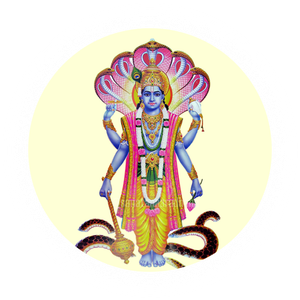
तिथि व महिमा: चैत्र मास के कृष्ण पक्ष की एकादशी को पापमोचनी एकादशी कहा जाता है। यह उन एकादशियों में गिनी जाती है जो “भूल हो गई हो तो भी” मनुष्य को फिर से सही मार्ग पर ला देती हैं। इस व्रत का प्रभाव इतना प्रबल है कि देह, वचन और मन — तीनों से हुए भारी पाप भी क्षीण हो जाते हैं।
राजा मान्धाता का प्रश्न, लोमश मुनि का उत्तर
भगवान श्रीकृष्ण ने अर्जुन से कहा — “हे पार्थ! कभी यही जिज्ञासा महान सम्राट मान्धाता ने भी तपस्वी लोमश ऋषि से की थी। राजा ने पूछा था — ‘हे मुनिश्रेष्ठ! ऐसा कौन-सा सहज उपाय है जिससे मनुष्य पाप के बन्धन से छूट सके? कभी-कभी भूल से, वासना से, क्रोध या ईर्ष्या से भी पाप हो जाता है — तब क्या करें?’”
तब महर्षि लोमश ने कहा — “हे राजन! इस काम के लिए जो एकादशी भगवान ने धरती को दी है, उसका नाम है पापमोचनी एकादशी। इसका व्रत यदि विधि से कर लिया जाए तो बड़े से बड़ा दोष भी पिघल जाता है। मैं तुम्हें इसकी कथा सुनाता हूँ, ध्यान से सुनो।”
चैत्ररथ का सुरम्य वन
पुराकाल में चैत्ररथ नाम का एक अद्भुत उपवन था। वहाँ सदैव वसंत छाया रहता, सैकड़ों प्रकार के पुष्प खिले होते, देव-गन्धर्व, किन्नर, अप्सराएँ आकर विहार करतीं। कभी देवेन्द्र अपनी सभा के साथ आता, कभी गन्धर्व गीत-वादन करते, कभी अप्सराएँ नृत्य करके आकाश को मोहित कर देतीं।
इसी वन के एक भाग में मेधावी नाम के एक युवा ऋषि तपस्या कर रहे थे। वे शिवभक्त थे, बड़ा उज्ज्वल तेज था, और यौवन भी अपने उत्कर्ष पर था।
अप्सरा मञ्जुघोषा का आगमन
एक दिन देवसभा की कीर्ति सुनकर मञ्जुघोषा नाम की अप्सरा उस वन में आयी। उसका रूप, स्वर और नृत्य — तीनों ही असाधारण थे। देवसभा में सबको रिझा चुकी थी, अब उसका लक्ष्य था — उस युवा, तेजस्वी परन्तु एकाकी तपस्वी को विचलित करना।
उसी समय कामदेव को भी यह अवसर मिल गया। उसने मञ्जुघोषा को साधन बनाया — उसकी भौंह को धनुष, उसकी दृष्टि को प्रत्यंचा और उसके नेत्रों को अपने सेनापति जैसा बना दिया, ताकि मेधावी की एकाग्रता भंग हो।
मञ्जुघोषा ने थोड़ी दूरी पर बैठकर वीणा छेड़ी। स्वर ऐसा, मानो जलधारा पहाड़ से उतर रही हो — कोमल, सरस, आमंत्रित करता हुआ। मेधावी ने प्रथम तो अनसुना किया, फिर एक क्षण को दृष्टि उठी — रूप भी दीप्तिमान, स्वर भी मधुर — मन डोल उठा।
कामदेव का बाण लक्ष्य भेद चुका था। मेधावी तप का विषय भूलकर मञ्जुघोषा के प्रेम-जाल में बंध गए।
तप का ह्रास, समय का मोह
जो ऋषि पहले दिन-रात का विचार किए बिना जप में डूबे रहते थे, वे अब उसी अप्सरा के साथ रमण में मग्न हो गए। आश्चर्य यह कि उन्हें यह आभास ही न रहा कि समय सरक रहा है।
मञ्जुघोषा एक समय बोली — “हे मुनिश्रेष्ठ! अब बहुत समय हो गया, मुझे स्वर्ग वापस जाना है, मुझे आज्ञा दीजिए।”
मेधावी ने कहा — “अभी तो साँझ हुई है, भोर हो जाने दो, चली जाना।”
किन्तु यह “अभी थोड़ा-सा और” ही तो माया का जाल है! मुनि बार-बार यही कहते रहे, और अप्सरा बार-बार रुकती रही — और देखते-देखते पूरे 57 वर्ष बीत गए! न मुनि को पता, न अप्सरा को — बस भोग का निष्ठुर चक्र चलता रहा।
श्राप का क्षण
आख़िर एक दिन अप्सरा ने फिर कहा — “हे मुनि! अब तो सच में अनेक वर्ष हो गए, अब मुझे स्वर्ग जाना ही चाहिए।”
मुनि चौंक पड़े — “अनेक वर्ष?!” उन्होंने ध्यानपूर्वक सोचा, दिव्य दृष्टि लगाई तो ज्ञात हुआ — यह तो दशकों का समय भोग में चला गया! तप गया, तेज गया, कीर्ति गई — भीतर एक भारी पश्चाताप उठा और उसी के साथ क्रोध भी।
क्रोध में उनसे यह वचन निकल गया — “हे दुष्टे! तूने मेरा तप भंग किया, मुझे नीचे की ओर ढकेला, मेरी कीर्ति को दाग लगाया — अतः तू तुरंत पिशाचिनी बनेगी!”
वचन ब्रह्म की तरह गिरा — और वह रूपवती अप्सरा तुरंत कुरूप पिशाचिनी बन गई।
मञ्जुघोषा की विनती
रूप खोते ही स्वर भी दयनीय हो गया। उसने हाथ जोड़कर कहा — “हे महर्षि! मैं मानती हूँ मैंने आपका अहित किया, पर आपका संग भी तो दीर्घकाल तक मिला है। साधु के सम्पर्क का फल व्यर्थ नहीं जाना चाहिए। अब आप ही बताइए — इस श्राप से छुटकारा कैसे होगा?”
मेधावी का क्रोध उतर चुका था, और साथ ही उन्हें अपनी भी भूल समझ में आ गई थी — “दोष केवल इसका नहीं, मेरा भी है। मैं ही विचलित हुआ।” उन्हें अपनी कीर्ति पर भी चिन्ता हुई — “लोग कहेंगे, इतने वर्षों तक ऋषि के पास रही और फिर भी पिशाचिनी बन गई!”
इसलिए उन्होंने करुणा से कहा — “सुनो, चैत्र कृष्ण की जो एकादशी आती है, उसका नाम है पापमोचनी। तुम उस दिन नियमपूर्वक व्रत करोगी, रात्रि में हरि-कीर्तन करोगी, तब यह पिशाच-देह गिर जाएगी और तुम फिर अपने दिव्य रूप को प्राप्त कर लोगी।”
मेधावी का स्वयं का प्रायश्चित
उधर मुनि स्वयं भी अपराधबोध से भरे हुए अपने पिता च्यवन ऋषि के पास पहुँचे। च्यवन ने तप-भ्रष्ट पुत्र को देखकर पूछा — “हे पुत्र! यह तेज क्यों मलिन है? क्या गलती कर बैठे?”
मेधावी ने लज्जित होकर सब कहा — “पिताजी! मैं मोह में पड़ गया। अप्सरा के साथ रमण में वर्षों खो दिए। अब आप मुझे इस पाप से उबारिए।”
च्यवन ने सहज उपाय बताया — “इस बार जो चैत्र कृष्ण की पापमोचनी एकादशी आये, तुम पूरा व्रत करना, स्नान, संकल्प, हरि-पूजन, रात्रि-जागरण — सब। इसी के लिए तो यह एकादशी भगवान ने बनाई है कि जो तप से गिर जाए वह फिर उठ सके।”
मेधावी ने वैसा ही किया — और व्रत के फल से उनका तप-तेज वापस चमक उठा।
उधर मञ्जुघोषा ने भी वही व्रत किया, पिशाच-देह छूटी, वह फिर से दिव्य रूप में आकाशमार्ग से स्वर्ग लौट गई।
व्रत का फल व महत्त्व
• इस एकादशी को “पापमोचनी” इसलिए कहा गया कि यह जानबूझकर किये गए, आवेग में किये गए और दीर्घकालीन पापों — तीनों को काटने की सामर्थ्य रखती है।
• शास्त्र में जिन पापों का प्रायश्चित कठिन बताया गया है — ब्रह्महत्या, स्वर्ण-चोरी, मद्यपान, अगम्या-गमन — लोमश मुनि ने स्पष्ट कहा कि इस एकादशी के प्रभाव से ये भी शिथिल हो जाते हैं।
• मूल शिक्षा यह है कि अगर गिर जाओ तो वहीं पड़े मत रहो; भगवान ने उठने के दिन भी रखे हैं — पापमोचनी उन दिनों में से एक है।
कथा-सार
• सौन्दर्य क्षणिक है, पर उससे उपजा मोह पूरे जीवन को खा सकता है।
• तप करने वाले भी यदि असावधान हुए तो पतन सम्भव है — इसलिए अहंकार नहीं, सतर्कता चाहिए।
• परन्तु भगवान की व्यवस्था दण्ड ही नहीं, वापस लौटने का द्वार भी देती है — पापमोचनी एकादशी वही द्वार है।
• जो इस कथा का श्रवण या पाठ करता है, उसे सहस्र गोदान के समान पुण्य कहा गया है।
• और जो व्यक्ति वास्तव में इस तिथि को व्रत कर ले, वह जन्म-जन्म के संचित दोषों को हल्का कर सकता है।
Let us delve into the sacred narrative of Papmochani Ekadashi, a day of immense spiritual significance, as revealed through the profound wisdom of our ancient scriptures. This purifying Vrat offers a path to redemption and renewal, as beautifully illustrated in the story of Rishi Medhavi and Apsara Manjughosha.
The Sacred Katha of Rishi Medhavi and Apsara Manjughosha
Auspicious Date and Significance: The Ekadashi that falls during the Krishna Paksha (dark fortnight) of the Chaitra month is known as Papmochani Ekadashi. This sacred Ekadashi is counted among those that, even when one has erred, guide an individual back to the righteous path. The spiritual power of observing this Vrat is so profound that even grave sins committed through body, speech, and mind are purified and diminished.
King Mandhata’s Inquiry and Lomash Muni’s Divine Reply
Bhagwan Shri Krishna narrated to Arjuna, ‘O Partha! This very question was once posed by the great Emperor Mandhata to the venerable Rishi Lomash. The King humbly inquired, ‘O most excellent among sages! What is that simple and accessible path through which a person can be liberated from the entanglement of sin? Sometimes, transgressions occur due to error, worldly desires, anger, or envy — what remedy then exists?'”
Then, Maharshi Lomash replied, ‘O King! The sacred Ekadashi that the Lord has bestowed upon the Earth for this very purpose is known as Papmochani Ekadashi. If this Vrat is observed with devotion and according to the scriptural injunctions, even the gravest of impurities dissolve away. I shall now narrate its profound Katha to you; please listen with utmost attention.’
The Enchanting Forest of Chaitrarath
In ancient times, there existed a magnificent grove known as Chaitrarath. There, the gentle embrace of spring was eternal; hundreds of varieties of flowers bloomed in vibrant hues. Devas, Gandharvas, Kinnaras, and Apsaras would frequent this divine garden to revel in its beauty. At times, Devendra himself, accompanied by his celestial court, would grace the forest. The Gandharvas would enchant with their melodious songs and music, while the Apsaras, with their captivating dances, would charm the very heavens.
In a secluded part of this very forest, a young Rishi named Medhavi was engaged in deep penance. He was a devout worshipper of Bhagwan Shiva, radiating a brilliant spiritual aura, and his youth was at its prime.
The Arrival of Apsara Manjughosha
One day, drawn by the renown of the celestial gatherings, an Apsara named Manjughosha arrived in that forest. Her exquisite beauty, melodious voice, and enchanting dance were all truly extraordinary. Having captivated everyone in the divine assembly, her new objective was to disturb the profound penance of this young, radiant, yet solitary ascetic.
At that very moment, Kamadeva, the deity of love, seized his opportunity. He made Manjughosha his instrument: her eyebrows became his bow, her captivating gaze his bowstring, and her alluring eyes served as his potent arrows, all aimed at disrupting Rishi Medhavi’s deep concentration.
Manjughosha settled a short distance away and began to play her Veena. The music flowed like a gentle stream descending from a mountain — soft, sweet, and utterly inviting. Initially, Rishi Medhavi tried to ignore it, but then, for a fleeting moment, his gaze lifted. He beheld her resplendent form and heard her dulcet tones, and his mind began to waver.
Kamadeva’s arrow had found its mark. Rishi Medhavi, completely forgetting the purpose of his penance, became entangled in the web of Manjughosha’s charm and affection.
The Decline of Tapasya and the Illusion of Time
The sage who once remained absorbed in japa without caring for day or night now became immersed in pleasure with that Apsara. The surprising thing was that he did not even realize how time was slipping away.
One day, Manjughosha said, “O best among sages! A long time has passed now. I must return to Swarg. Please grant me permission.”
Medhavi said, “It is only evening now. Let the morning come, then you may go.”
But this “just a little more” is the very net of Maya. The sage kept saying the same thing again and again, and the Apsara kept staying. In this way, 57 full years passed. Neither the sage realized it, nor the Apsara. The merciless cycle of worldly pleasure continued.
The Moment of the Curse
At last, one day, the Apsara again said, “O Muni! Many years have truly passed now. I must return to Swarg.”
The sage was startled. “Many years?!” He reflected deeply and used his divine vision. Then he realized that decades had passed in indulgence. His Tapasya was lost, his spiritual radiance had faded, and his glory had been stained. A deep repentance arose within him, and along with it, anger too.
In anger, these words came from his mouth: “O wicked one! You have disturbed my Tapasya, pushed me downward, and stained my glory. Therefore, you shall immediately become a Pishachini!”
His words fell like the decree of Brahman, and the beautiful Apsara instantly turned into a dreadful Pishachini.
The Plea of Manjughosha
As soon as she lost her beauty, her voice also became pitiful. Folding her hands, she said, “O Maharishi! I accept that I have caused you harm, but I also had your company for a long time. The fruit of association with a saint should not go in vain. Now please tell me how I can be freed from this curse.”
By then, Medhavi’s anger had calmed down, and he also realized his own mistake. “The fault is not only hers; it is mine too. I was the one who became distracted.” He also became concerned about his own reputation and thought, “People will say that she stayed with the sage for so many years and still became a Pishachini.”
Therefore, with compassion, he said, “Listen. The Ekadashi that comes in the Krishna Paksha of Chaitra is known as Papmochani Ekadashi. If you observe that Vrat properly and perform Hari Kirtan during the night, this Pishachini body will fall away, and you will regain your divine form.”
Medhavi’s Own Atonement
On the other side, the sage himself, filled with guilt, went to his father, Rishi Chyavan. Seeing his son fallen from Tapasya, Chyavan asked, “O son! Why has your radiance become dull? What mistake have you committed?”
Medhavi, filled with shame, told him everything. “Father, I fell into delusion. I lost many years in pleasure with the Apsara. Now please show me the way to be freed from this sin.”
Chyavan gave him a simple remedy. “The Papmochani Ekadashi that comes in Chaitra Krishna Paksha should be observed completely. Take a sacred bath, make a Sankalp, worship Bhagwan Hari, and remain awake at night in devotion. This Ekadashi has been given by Bhagwan so that even one who has fallen from Tapasya may rise again.”
Medhavi did exactly as instructed, and by the fruit of the Vrat, his Tapasya and spiritual radiance began to shine again.
Manjughosha also observed the same Vrat. Her Pishachini body was removed, and she regained her divine form. Then she returned to Swarg through the celestial path.
Fruit and Importance of the Vrat
This Ekadashi is called “Papmochani” because it has the power to remove sins committed knowingly, sins committed in impulse, and sins accumulated over a long period of time.
In the scriptures, certain sins are described as very difficult to atone for — such as Brahmahatya, stealing gold, drinking intoxicants, and forbidden conduct. Lomash Muni clearly said that by the effect of this Ekadashi, even such sins are weakened.
The core teaching is this: if you fall, do not remain fallen. Bhagwan has also given sacred days for rising again, and Papmochani Ekadashi is one of those blessed days.
Summary of the Katha
Beauty is temporary, but the attachment born from it can consume an entire life.
Even those who perform Tapasya can fall if they become careless. Therefore, one needs alertness, not pride.
However, Bhagwan’s arrangement does not only give punishment; it also gives a door to return. Papmochani Ekadashi is that door.
Whoever listens to or reads this Katha is said to receive merit equal to donating a thousand cows.
And the person who truly observes this Vrat on this Tithi can lighten the accumulated faults of many births.