

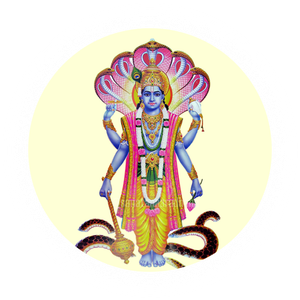
अर्जुन ने विनम्र होकर पूछा – “हे जगदीश्वर! आश्विन मास के शुक्ल पक्ष में जो एकादशी आती है, उसका क्या नाम है? उसमें किस देवता का पूजन किया जाता है और उसे करने से मनुष्य को कौन-कौन से फल मिलते हैं – यह सब कृपा करके विस्तार से बताइये।”
भगवान श्रीकृष्ण बोले – “हे कुन्तीपुत्र! आश्विन शुक्ल की एकादशी को पापांकुशा एकादशी कहते हैं। ‘पाप’ यानी पापकर्मों का समूह, और ‘आंकुश’ यानी रोकने वाला। यह ऐसी एकादशी है जो मनुष्य को पकड़कर बैठी हुई पाप-श्रृंखलाओं पर अंकुश लगा देती है और उसका मार्ग स्वर्ग एवं विष्णुलोक की ओर मोड़ देती है। जो व्यक्ति श्रद्धापूर्वक इस दिन उपवास करता है और भगवान विष्णु की पूजा करता है, वह न केवल अपने पापों से मुक्त होता है, बल्कि अक्षय पुण्य का भी अधिकारी बनता है।”
व्रत का माहात्म्य
भगवान ने आगे कहा – “हे पार्थ! इस एकादशी के दिन जो मनुष्य क्षीर-सागर में शेषनाग पर शयन करने वाले मेरे रूप का ध्यान कर लेता है, उसे उतना ही पुण्य मिल जाता है जितना कठोर तप, यज्ञ और दीर्घकालीन व्रतों से मिलता है। सहस्र अश्वमेध और सौ राजसूय यज्ञ मिलकर भी इस पापांकुशा एकादशी के फल का सोलहवाँ भाग नहीं होते। इतनी पवित्र तिथि संसार में दूसरी नहीं।”
“जो लोग एकादशी का व्रत नहीं करते, वे प्रायः पापों से घिरे रहते हैं। पर जो केवल इस एक ही पापांकुशा एकादशी को भी कर लेते हैं, वे यम के भय से छूट जाते हैं। इस व्रत के प्रभाव से व्रती को निरोगी तन, सुखी गृह, इच्छित जीवनसाथी और धन-धान्य की प्राप्ति होती है और अन्त में वह मेरे धाम को जाता है। जो इस दिन रात्रि को जागरण करते हैं, उनके लिए तो मानो स्वर्ग का द्वार सहज खुल जाता है।”
पूर्वजों का उद्धार
“हे अर्जुन! इस एकादशी का एक और अद्भुत रहस्य है – जो मनुष्य इसे विधि से करता है, उसके मातृ-पक्ष के दस, पितृ-पक्ष के दस और स्त्री-पक्ष के दस – ऐसे कुल तीस दिवंगत परिजन दिव्य आभूषण धारण कर, मेरे ही स्वरूप को पाकर, विष्णुलोक को जाते हैं। एक व्यक्ति का व्रत पूरे कुल की उन्नति का कारण बन जाता है। इसलिए, जिसको अपने पितरों का मंगल चाहिए, उसे यह व्रत अवश्य करना चाहिये।”
दान का महत्व
“जो मनुष्य इस एकादशी के दिन भूमि, गौ, अन्न, जल, वस्त्र, खड़ाऊँ, छत्र या यथाशक्ति कोई भी वस्तु दान करता है, वह यम के दर्शन नहीं करता। यदि कोई दरिद्र है, तब भी उसे थोड़ा-बहुत अवश्य देना चाहिये – तिल, जल, फल, या एक ग्रास अन्न – क्योंकि एकादशी पर किया गया सूक्ष्म दान भी बड़े-बड़े पापों को काट देता है।”
“जो लोग तालाब, बगीचा, धर्मशाला, प्याऊ या यात्रियों के आराम हेतु स्थान बनवाते हैं, वे मेरे अनुग्रह से इस लोक में निरोगी, दीर्घायु, पुत्रवान और समृद्ध होते हैं और अन्त में स्वर्ग को जाते हैं।”
कथा-सार
पापांकुशा एकादशी का मर्म यही है कि ‘पाप से बचने का निश्चय’ ही सबसे बड़ा प्रायश्चित है। भगवान का स्मरण हर दिन शुभ है, पर एकादशी के दिन किया गया विष्णु-कीर्तन, तुलसी-अर्पण, दीप-प्रज्वलन और सत्संग पाप को जड़ से उखाड़ देता है। जो मनुष्य इस दिन उपवास, पूजन और यथाशक्ति दान कर लेते हैं, उनके लिए पाप आंकुशबद्ध हो जाता है – और मार्ग केवल भगवान के धाम की ओर खुला रह जाता है।
Let us immerse ourselves in the sacred narrative of Papankusha Ekadashi, a day of immense spiritual significance. As described in the Puranas, this divine Vrat has the power to cleanse sins and bestow boundless blessings upon sincere devotees. The profound conversation between Bhagwan Shri Krishna and Arjuna reveals the glory of this sacred observance.
Arjuna humbly asked – “O Lord of the Universe! What is the name of the Ekadashi that falls in the Shukla Paksha of the Ashwin month? Which deity is worshipped on this day, and what benefits does a person attain by observing it? Please, out of Your grace, explain all this in detail.”
Bhagwan Shri Krishna replied, “O Son of Kunti! The Ekadashi of Ashwin Shukla Paksha is known as Papankusha Ekadashi. ‘Papa’ refers to a collection of sinful deeds, and ‘Ankusha’ means a goad or a controller. This Ekadashi places a check on the chains of sin that bind a person, turning their path towards Svarga (heaven) and Vishnu Loka. A person who observes a Vrat on this day with devotion and performs Puja to Bhagwan Vishnu not only becomes free from their sins but also attains Akshaya Punya (imperishable merit).”
The Glory of Papankusha Ekadashi
Bhagwan continued, “O Partha! A person who meditates on My form, reclining on Sheshnaga in Ksheer Sagar (the Ocean of Milk), on this Ekadashi day, attains as much Punya (merit) as one receives from rigorous penance (Tapa), grand Yajnas, and long-term Vrats. Even a thousand Ashwamedha Yajnas and a hundred Rajasuya Yajnas combined do not amount to even a sixteenth part of the fruit of this Papankusha Ekadashi. There is no other date in this world as sacred as this.”
“Those who do not observe the Ekadashi Vrat often remain entangled in sins. But those who observe even this one Papankusha Ekadashi are freed from the fear of Yama (the Lord of Death). By the influence of this Vrat, the devotee attains a healthy body, a happy home, a desired life partner, and wealth and prosperity, and ultimately reaches My divine abode. For those who keep vigil through the night on this day, it is as if the doors of Svarga open effortlessly.”
Liberation of Ancestors
“O Arjuna! This Ekadashi holds another wondrous secret – a person who observes it according to the prescribed rituals brings liberation to ten ancestors from their maternal side, ten from their paternal side, and ten from their spouse’s side – a total of thirty departed relatives. They adorn divine ornaments, attain My very form, and proceed to Vishnu Loka. The Vrat of one individual becomes the cause of upliftment for the entire lineage. Therefore, whoever desires the well-being of their ancestors must certainly observe this Vrat.”
The Significance of Charity
“A person who, on this Ekadashi day, offers charity of land, cows, grains, water, clothes, wooden sandals (khadau), umbrellas, or any other item according to their capacity, will not have to face Yama. Even if someone is poor, they should still offer something, however small – sesame seeds, water, fruits, or even a morsel of food – because even a minute act of charity performed on Ekadashi cuts through great sins.”
“Those who construct ponds, gardens, rest houses (Dharamshalas), water stands (Pyaau), or places for the comfort of travelers, by My grace, become healthy, long-lived, blessed with children, and prosperous in this world, and ultimately ascend to Svarga.”
The Essence of the Katha
The essence of Papankusha Ekadashi lies in this: that a ‘firm resolve to avoid sin’ is the greatest atonement. Remembering Bhagwan is auspicious every day, but performing Vishnu-Kirtan, offering Tulsi, lighting lamps (Deep-Prajwalan), and engaging in Satsang on Ekadashi day uproots sin completely. For those who observe a Vrat, perform Puja, and offer charity according to their capacity on this day, sin becomes controlled by the Ankusha – and the path remains open solely towards the divine abode of Bhagwan.