

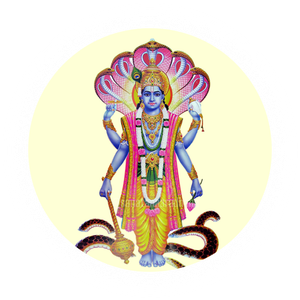
प्रसंग: महर्षि व्यास एवं भीमसेन का संवाद – ज्येष्ठ शुक्ल एकादशी, जिसे भीमसेनी या पाण्डव एकादशी भी कहा जाता है, वर्ष की सभी एकादशियों का समन्वित फल देने वाली मानी गयी है। इस दिन जल तक न ग्रहण करने के कारण इसका नाम “निर्जला” पड़ा।
भीमसेन की समस्या
सूतजी ने ऋषियों से कहा – एक बार महापराक्रमी भीमसेन ने भगवान वेदव्यास से निवेदन किया – “हे पितामह! मेरे बड़े भाई धर्मराज युधिष्ठिर, माता कुन्ती, द्रौपदी और मेरे अन्य सभी भ्राता – अर्जुन, नकुल, सहदेव – सब एकादशी का व्रत करते हैं और मुझसे भी कहते हैं कि अन्न न खाओ। परन्तु मैं तो यह जानता हूँ कि मैं एक समय भी भोजन किये बिना नहीं रह सकता। मैं पूजा कर सकता हूँ, दान दे सकता हूँ, पर उपवास मुझे सम्भव नहीं। आप मेरे लिये कोई ऐसा उपाय बताइये कि मैं व्रत का फल भी पा लूँ और मेरी देह की अग्नि भी शांत रहे।”
व्यासजी का उत्तर
व्यासजी बोले – “हे भीम! तुम्हारे जनों ने जो कहा वह शास्त्रसम्मत है – एकादशी के दिन अन्न का त्याग करना ही चाहिए। यदि कोई स्वर्ग चाहता है और नरक से बचना चाहता है तो उसे मास की दोनों एकादशियाँ रखनी चाहिए। पर तुमने अपने स्वभाव के अनुसार बात कही है, इसलिए मैं तुम्हें एक विशेष उपाय बताता हूँ।”
व्यासजी ने कहा: “वृषभ संक्रांति और मिथुन संक्रांति के बीच जो ज्येष्ठ शुक्ल एकादशी आती है, वही निर्जला एकादशी है। तुम वर्ष भर की बाकी एकादशियाँ न भी रख सको, तो इस एक ही एकादशी को पूरी निष्ठा से निर्जल रहकर कर लो – इससे तुम्हें बारहों एकादशियों का फल मिल जायेगा।”
निर्जला का नियम
व्यासजी ने आगे कहा – “इस दिन सूर्योदय से लेकर सूर्यास्त तक जल भी नहीं लेना। केवल प्रातः स्नान और आचमन के लिए जितना जल अनिवार्य हो – उतना ही। अधिक जल लेना व्रत को तोड़ देता है। यह दिन अन्न, जल, रस – सबके त्याग का दिन है। रात्रि को भगवान का नाम, कीर्तन, कथा – और द्वादशी को प्रातःकाल ब्राह्मणों को भोजन और दान देकर स्वयं पारण करना।”
महत्व: “जो इस दिन सच्चे भाव से निर्जल रहता है, उसे बारह एकादशियों के पुण्य के बराबर फल मिलता है। यह व्रत सभी तीर्थ-स्नान, सभी बड़े दानों और बड़े यज्ञों के फल को एक साथ दे देता है। स्वयं भगवान ने मुझसे यह कहा है।”
दान और संकल्प
व्यासजी ने भीमसेन से कहा – “इस एकादशी के दिन तुम भगवान विष्णु की पूजा करो, और कहो – ‘हे प्रभो! आज मैं निर्जल व्रत करता हूँ, कल द्वादशी को ही भोजन करूँगा, आप मेरी रक्षा कीजिए और मेरे पापों का नाश कीजिए।’ फिर इस दिन जल से भरा घड़ा ऊपर वस्त्र ढँककर, यथाशक्ति स्वर्ण, छाता, वस्त्र, फल आदि किसी सुपात्र को दान करो। जो इस दिन गौदान करे वह अनन्त पुण्य पाता है।”
फल और महिमा
व्यासजी बोले – “हे वायुपुत्र! जो निर्जला एकादशी करता है, मृत्यु के समय उसे यमदूत नहीं, बल्कि विष्णुदूत पुष्पक-विमान से लेने आते हैं। उसको विष्णुलोक की प्राप्ति होती है। ब्रह्महत्या, चोरी, मद्य, गुरुद्रोह जैसे पापों से ग्रस्त लोग भी यदि यह निर्जला एकादशी कर लें तो उद्धार को प्राप्त होते हैं। इसीलिए इस एकादशी को ‘भीमसेनी’ और ‘पाण्डव एकादशी’ कहा जाता है।”
मनन करने योग्य: “जो इस दिन अन्न खा लेता है, वह इस व्रत का फल खो देता है और उसे चाण्डाल के समान दोष लगता है। पर जो श्रद्धा से कथा सुन लेता है – वह भी पुण्य का भागी बनता है।”
कथा-सार
निर्जला एकादशी यह सिखाती है कि अपनी कमजोरी छुपाने के बजाय गुरु से कह देनी चाहिए। भीमसेन ने अपनी बात छुपायी नहीं, इसलिए उन्हें उनके अनुरूप मार्ग मिला। इसी तरह जो भक्त ईमानदारी से कहता है – “मुझे पूरा नहीं बन पड़ता, पर मैं करना चाहता हूँ” – उसके लिए भी ईश्वर व्रत का “सरल लेकिन पूरा फल देने वाला” मार्ग खोल देते हैं।
Let us humbly listen to a sacred story from our ancient scriptures, which beautifully illustrates the profound wisdom of our revered sages and the path to spiritual merit.
The Sacred Katha of Maharishi Vyasa and Bhimasena
Context: As the revered Puranas narrate, there is a profound dialogue between Maharishi Vyasa and the mighty Bhimasena. This sacred conversation revolves around Jyeshtha Shukla Ekadashi, lovingly known as Bhimaseni Ekadashi or Pandava Ekadashi. This particular Ekadashi is believed to grant the accumulated merit of all Ekadashis observed throughout the entire year. It is called ‘Nirjala’ because devotees abstain even from water on this auspicious day.
Bhimasena’s Dilemma
Once, the revered Sutaji narrated to the assembled Rishis: The immensely powerful Bhimasena once approached Bhagwan Vedavyasa with a heartfelt plea. ‘O Pitamaha!’ Bhimasena began, ‘My elder brother Dharmaraja Yudhishthira, our revered mother Kunti, Draupadi, and all my beloved brothers – Arjuna, Nakula, and Sahadeva – diligently observe the Ekadashi Vrat. They often urge me too, to abstain from grains. However, I confess that I find it impossible to go even for a single meal without food. I am capable of performing Puja and offering charitable donations, but observing a complete fast seems beyond my capacity. Please, O revered one, guide me to a path by which I may also receive the profound merits of the Vrat, and yet the vital fire within my body remains appeased.’
Maharishi Vyasa’s Compassionate Guidance
Maharishi Vyasa, with a gentle smile, responded, ‘O Bhima! What your family members have expressed is indeed in harmony with our sacred Shastras. On the auspicious day of Ekadashi, one should certainly abstain from grains. If a person aspires to attain the heavenly realms and wishes to be free from the sufferings of Naraka, they must observe both Ekadashis that occur in a month. However, my dear son, you have spoken truthfully about your own nature, and understanding your predicament, I shall reveal a special and unique path for you.’
Maharishi Vyasa continued: ‘The Jyeshtha Shukla Ekadashi that arrives between the Vrishabha Sankranti and Mithuna Sankranti is indeed the sacred Nirjala Ekadashi. Even if you are unable to observe the other Ekadashis throughout the year, if you observe this single Ekadashi with complete sincerity and devotion, abstaining from water, you will attain the spiritual merit equivalent to observing all twelve Ekadashis of the entire year.’
The Sacred Observance of Nirjala Ekadashi
Maharishi Vyasa further elaborated, ‘On this sacred day, from sunrise until sunset, one must not even partake of water. Only the absolute minimum amount of water required for the morning bath and for Achaman (ritual sipping of water) should be used. Consuming any more water would unfortunately break the sanctity of the Vrat. This day is dedicated to the complete renunciation of grains, water, and all juices. During the night, one should engage in chanting the divine names of Bhagwan, performing Kirtan, and listening to sacred Kathas. Then, on the morning of Dwadashi, after offering food and Dakshina to Brahmins, one should break their fast (Pāran).’
Its Significance: ‘The significance of this Vrat is immense: A devotee who sincerely observes Nirjala Vrat on this day attains spiritual merit equivalent to observing all twelve Ekadashis of the year. This single Vrat bestows the combined benefits of performing all sacred pilgrimages, giving all great donations, and conducting all grand Yajnas. Indeed, Bhagwan Himself has personally revealed this profound truth to me.’
Offerings and Sacred Resolve (Sankalp)
Maharishi Vyasa then instructed Bhimasena, ‘On this auspicious Ekadashi, you should devoutly worship Bhagwan Vishnu. As you perform your Puja, make this Sankalp (sacred resolve): ‘O Prabhu! Today, I undertake the Nirjala Vrat. I shall partake of food only tomorrow, on Dwadashi. Please protect me, and may all my sins be destroyed.’ Following this, on this very day, you should offer a water-filled pot, covered with a piece of cloth, along with gold, an umbrella, clothes, fruits, and other suitable items, according to your capacity, to a deserving recipient. Furthermore, it is said that one who performs Gaudan (donation of a cow) on this day attains infinite spiritual merit.’
The Glorious Benefits of Nirjala Ekadashi
Maharishi Vyasa continued, ‘O Vayuputra (son of Vayu, referring to Bhimasena)! A devotee who observes Nirjala Ekadashi with true devotion, at the moment of their passing from this world, is not approached by the messengers of Yama (Yamadutas). Instead, the divine messengers of Bhagwan Vishnu (Vishnudutas) arrive in a celestial Pushpaka-Vimana to escort them. Such a soul attains the supreme abode of Vishnu Loka. Even those who may be burdened by grave sins like Brahmahatya (killing a Brahmin), theft, intoxication, or betrayal of their Guru, can achieve liberation (Uddhar) by observing this sacred Nirjala Ekadashi. It is for these profound reasons that this Ekadashi is also reverently known as ‘Bhimaseni Ekadashi’ and ‘Pandava Ekadashi’.
A Point for Reflection: ‘If one consumes grains on this holy day, they unfortunately forfeit the spiritual merit of this Vrat and incur a fault akin to that of a Chandala. However, even one who simply listens to this sacred Katha with unwavering faith and devotion also becomes a recipient of its profound blessings and merit.’
The Profound Essence of this Sacred Katha
The sacred Katha of Nirjala Ekadashi imparts a profound teaching: rather than concealing one’s limitations or weaknesses, one should humbly express them to their Guru or a spiritual guide. Bhimasena did not hide his difficulty, and thus, he was blessed with a path perfectly suited to his nature. In the same way, for any devotee who honestly expresses, ‘I may not be able to observe the Vrat perfectly, but my heart yearns to do so’ – the Divine also opens a path for them, a path that is both simple and yet bestows the complete and abundant benefits of the Vrat.