
अर्जुन की जिज्ञासा: उत्पन्ना एकादशी की उत्पत्ति, महिमा और माहात्म्य सुनकर अर्जुन भाव-विह्वल हो गये और बोले— “हे त्रिभुवननाथ श्रीकृष्ण! आप सबका कल्याण करने वाले हैं, मैं आपको प्रणाम करता हूँ। अब मेरी एक और जिज्ञासा है — कृपा करके मार्गशीर्ष माह के शुक्ल पक्ष में आने वाली एकादशी का नाम, उसका देवता, उसकी विधि और उसका फल भी बता दीजिए।”
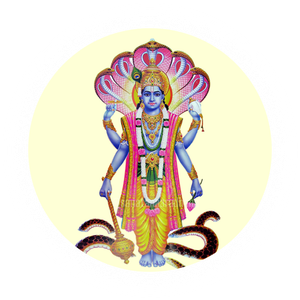
श्रीकृष्ण बोले: “हे पार्थ! यह प्रश्न तुम्हारा अत्यन्त उत्तम है, इसलिए लोक में तुम्हारा यश फैलेगा। मार्गशीर्ष शुक्ल की यह एकादशी अनगिनत पापों को नष्ट करने वाली है और इसे ही ‘मोक्षदा एकादशी’ के नाम से जाना जाता है। इस दिन भक्तिभाव से श्रीदामोदर (श्रीविष्णु) का धूप, दीप, नैवेद्य, पुष्प आदि से पूजन करना चाहिए। इस एकादशी के व्रत के पुण्य से नरक में पड़े माता, पिता या पितृजन भी स्वर्ग और विष्णुधाम को प्राप्त हो जाते हैं।”
राजा वैखानस की व्यथा
प्राचीन काल में एक नगर का अधिपति वैखानस नाम का राजा था। उसका राज्य सुशील ब्राह्मणों, वेद-पाठी ऋषियों और धर्मप्रिय प्रजा से युक्त था। राजा स्वयं भी प्रजाजनों का पुत्रवत् पालन करता था।
एक रात राजा ने स्वप्न में देखा कि उसके पिता नरक की यातनाएँ सह रहे हैं। वे रोते हुए राजा से कह रहे हैं— “हे पुत्र! मैं बड़े कठोर नरक में हूँ, तुम मुझे यहाँ से मुक्त करो!” यह दृश्य देखकर राजा का हृदय दहक उठा।
भोर होते ही उसने सभा में ब्राह्मणों को बुलाया और कहा—
“हे द्विजो! मैंने आज रात्रि अपने पिता को घोर यातना में देखा। वे मुझसे मुक्ति की प्रार्थना कर रहे थे। अब मुझे राज्य, धन, हाथी-घोड़े, रानियाँ, मनोरंजन—कुछ भी अच्छा नहीं लग रहा। यदि पिता नरक भोग रहा हो और पुत्र सुख से रहे, तो वह सुख नहीं पाप है। आप लोग मुझे कोई ऐसा व्रत, दान या तप बताइए जिससे मेरा पिता मुक्त हो सके। यदि मैंने उसका प्रायश्चित न कराया तो मेरा जीवन व्यर्थ है।”
ब्राह्मणों ने आपस में विचार किया और बोले— “हे राजन! यहाँ से अधिक दूर नहीं पर्वत नाम के एक महर्षि रहते हैं। वे भूत, भविष्य और वर्तमान के ज्ञाता हैं। आप उनके पास जाइए, वे ही उचित मार्ग बताएँगे।”
राजा की भेंट पर्वत मुनि से
राजा वैखानस जंगल के भीतर स्थित मुनि-पर्णकुटी में पहुँचे। वहाँ अनेक योगी तप कर रहे थे। बीच में पर्वत मुनि वैदिक तेज से ऐसे दीख रहे थे मानो द्वितीय ब्रह्मा हों। राजा ने दण्डवत् प्रणाम किया। मुनि ने आशीर्वाद देकर कुशल पूछी। तब राजा ने कहा—
“हे मुनिवर! मेरे राज्य में सब कुशल है, परन्तु आज रात के स्वप्न ने मुझे भीतर से व्याकुल कर दिया है,” और उन्होंने अपने पिता के नरक-भोग का प्रसंग ज्यों का त्यों कह सुनाया।
पर्वत मुनि ने नेत्र मूँदकर योगबल से विचार किया और बोले— “राजन! तुम्हारे पिता ने अपने पूर्व जन्म में पत्नी-भेद किया था। बड़ी रानी के कहने में आकर उन्होंने दूसरी पत्नी को उचित समय (ऋतु) में सन्तान हेतु अधिकार नहीं दिया। यह धर्म-विरुद्ध आचरण था, उसी के कारण वे नरक में गिरे हैं।”
राजा ने नम्र स्वर में कहा— “हे तपोनिधे! अब आप ऐसा उपाय बताइए जिससे मेरा पिता छूट जाए।”
मोक्षदा एकादशी का उपाय
मुनि ने कहा: “हे राजन! मार्गशीर्ष मास के शुक्ल पक्ष की जो एकादशी आती है, वही मोक्षदा एकादशी है। इसका व्रत मुक्ति देने वाला है। तुम इस एकादशी को स्वयं नियमपूर्वक करो और फिर उस व्रत का जो भी पुण्य हो, उसका संकल्प अपने पिता के नाम से कर देना। उस पुण्य की शक्ति से तुम्हारे पिता अवश्य नरक से छूट जाएँगे।”
राजा वैखानस वापस लौटा, परिवार सहित इस एकादशी का व्रत किया, रात्रि-जागरण, पूजन, दान सब विधि से किया और द्वादशी को उस संचित पुण्य को पिता को अर्पित कर दिया।
तुरन्त ही उसके पिता नरक-यातना से मुक्त होकर दिव्य रूप में प्रकट हुए और स्वर्ग को जाते हुए बोले— “हे पुत्र! तेरा कल्याण हो, तूने पुत्रधर्म पूर्ण किया।” यह कहकर वे देवलोक को चले गये।
श्रीकृष्ण का उपदेश
श्रीकृष्ण ने अर्जुन से कहा: “हे पाण्डुपुत्र! जो लोग मार्गशीर्ष शुक्ल की इस मोक्षदा एकादशी का व्रत करते हैं, उनके अपने पाप तो नष्ट होते ही हैं, साथ ही वे अपने पितरों को भी उठा सकते हैं। यह उपवास चिन्तामणि के समान है — जो इच्छा करो, वह सिद्ध होती है। मोक्ष चाहने वालों के लिए इससे बढ़कर दूसरा उपाय नहीं। पुत्रधर्म का इससे श्रेष्ठ उदाहरण भी नहीं कि उसने अपने पुण्य का फल पिता को अर्पित कर दिया।”
कथा-सार
यह कथा यह सिखाती है कि —
• एकादशी का पुण्य स्थान-विशेष, तीर्थ-विशेष से भी ऊपर है।
• व्रत का फल अर्पण किया जा सकता है — पिता, माता, गुरु, मित्र, या किसी दुखी-रोगी के लिए।
• पुत्र का सच्चा धर्म केवल देह-पालन नहीं, आत्मिक उद्धार का प्रयत्न भी है।
• “मोक्षदा” नाम इसलिए पड़ा कि यह स्वयं मुक्ति प्रदान करने वाली है।
• जो इस व्रत की कथा को श्रद्धा से सुनता-सुनाता है, उसे भी अनन्त फल मिलता है।
We humbly offer this sacred narration of the Mokshada Ekadashi, a tale from the Puranas that illuminates the power of devotion and the profound bond between generations. May this divine Katha inspire faith and bring blessings to all who read it.
The Sacred Katha of King Vaikhanas and Sage Parvata
Arjuna’s Heartfelt Inquiry: Upon hearing of the origin, glory, and greatness of Utpanna Ekadashi, Arjuna was overcome with emotion and spoke, “O Shri Krishna, Lord of the three worlds! You are the benefactor of all; I bow down to You. Now, I have another question – please graciously tell me the name, the presiding deity, the method, and the fruit of the Ekadashi that falls in the Shukla Paksha (bright fortnight) of the month of Margashirsha.”
Shri Krishna Replied: “O Partha! Your question is excellent, and because of it, your fame shall spread throughout the world. This Ekadashi of Margashirsha Shukla is the destroyer of countless sins and is known as ‘Mokshada Ekadashi’. On this day, one should worship Shri Damodara (Bhagwan Vishnu) with devotion, offering incense, lamps, sacred food (Naivedya), flowers, and other items. By the merit (Punya) of observing this Ekadashi Vrat, even one’s parents or ancestors who are suffering in Naraka (hell) attain Swarga (heaven) and Vishnu-Dhama.”
King Vaikhanas’s Anguish
In ancient times, there lived a king named Vaikhanas, who ruled a city. His kingdom was blessed with virtuous Brahmins, learned Vedic Rishis, and a devout populace. The King himself cared for his subjects as if they were his own children.
One night, the King had a dream where he saw his father suffering the torments of Naraka. His father was weeping and crying out to the King, “O son! I am in a terrible hell; please free me from here!” Witnessing this scene, the King’s heart was deeply pained.
At dawn, he summoned the Brahmins to his assembly and said—
“O revered ones! Last night, I saw my father in great agony. He was pleading with me for liberation. Now, my kingdom, wealth, elephants, horses, queens, and entertainment — nothing brings me joy. If a father suffers in Naraka while his son lives in comfort, that comfort is not joy but a sin. Please tell me of a Vrat, an act of charity, or a penance by which my father can be freed. If I fail to help him find atonement, my life is meaningless.”
The Brahmins deliberated amongst themselves and said, “O King! Not far from here lives a great sage named Parvata. He is a knower of the past, present, and future. Please go to him; he will show you the right path.”
The King Meets Sage Parvata
King Vaikhanas reached the sage’s hermitage, nestled deep within the forest. Many yogis were performing penance there. In the center, Sage Parvata shone with Vedic radiance, appearing like a second Brahma. The King prostrated himself in reverence. The sage blessed him and inquired about his well-being. Then the King said—
“O revered sage! All is well in my kingdom, but last night’s dream has deeply disturbed me,” and he recounted the entire incident of his father’s suffering in Naraka.
Sage Parvata closed his eyes, meditated with his yogic power, and said, “O King! In his previous birth, your father committed a transgression concerning his wives. Influenced by his elder queen, he denied his second wife the right to conceive children at the appropriate time (Ritu). This was an act against Dharma, and because of it, he has fallen into Naraka.”
The King humbly asked, “O treasure of penance! Now, please tell me the way by which my father can be liberated.”
The Remedy of Mokshada Ekadashi
The Sage Replied: “O King! The Ekadashi that falls in the Shukla Paksha of the month of Margashirsha is indeed Mokshada Ekadashi. Observing this Vrat is liberating. You must observe this Ekadashi with proper rules and then resolve to offer whatever merit (Punya) you gain from this Vrat in your father’s name. By the power of that merit, your father will surely be freed from Naraka.”
King Vaikhanas returned, observed this Ekadashi Vrat with his family, performed the night vigil, Puja, and charity according to all prescribed methods, and on Dwadashi, he offered the accumulated merit to his father.
Immediately, his father was freed from the torments of Naraka, appeared in a divine form, and as he ascended to Swarga, he said, “O son! May you be blessed, you have fulfilled your son’s Dharma completely.” Saying this, he departed to the abode of the gods.
Shri Krishna’s Divine Teaching
Shri Krishna told Arjuna: “O son of Pandu! Those who observe this Mokshada Ekadashi Vrat in Margashirsha Shukla not only destroy their own sins but also have the power to elevate their ancestors. This fast is like the Chintamani jewel — whatever one desires is fulfilled. For those seeking Moksha, there is no greater means than this. There is also no superior example of a son’s Dharma than one who offered the fruit of his merit to his father.”
Essence of the Katha
This sacred Katha teaches us that —
• The merit of Ekadashi transcends the importance of specific places or pilgrimage sites. • The fruit of a Vrat can be offered — for a father, mother, Guru, friend, or anyone who is suffering or ailing. • A son’s true Dharma is not merely to sustain the body, but also to strive for spiritual liberation. • The name “Mokshada” is given because it is inherently bestower of liberation. • One who listens to or narrates the Katha of this Vrat with faith also receives infinite blessings.