

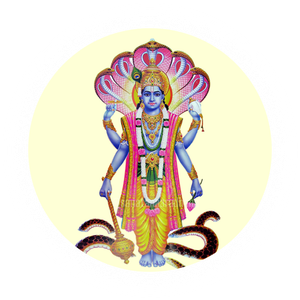
ललित-ललिता नामक गन्धर्व दम्पति एवं राजा पुण्डरीक की कथा
तिथि व महिमा: चैत्र मास के शुक्ल पक्ष की जो एकादशी आती है, उसे कामदा एकादशी कहा जाता है। “कामदा” अर्थात जो कामना-जन्य दोषों को भी हर ले और मन की सच्ची अभिलाषा को पूर्ण कर दे। यह व्रत विशेष रूप से पाप-क्षालन, निकृष्ट/निम्न योनि से मुक्ति और संतान-सौभाग्य देने वाला माना गया है। जैसे अग्नि लकड़ी को क्षण में भस्म कर देती है, वैसे ही इस एकादशी का पुण्य पुराने से पुराने पापों को जलाकर राख कर देता है।
राजा दिलीप का प्रश्न, वशिष्ठजी का उत्तर
भगवान श्रीकृष्ण ने अर्जुन से कहा — “हे पार्थ! कभी राजा दिलीप ने भी अपने गुरु वशिष्ठजी से पूछा था — ‘हे गुरुदेव! चैत्र शुक्ल की एकादशी का नाम क्या है, किस देवता की आराधना होती है और इसका फल क्या है?’ तब वशिष्ठजी ने जो कहा था, वही मैं तुम्हें सुना रहा हूँ।”
वशिष्ठजी ने कहा — “हे राजन! उस पवित्र तिथि का नाम है कामदा एकादशी। यह हर प्रकार के अपराध, यहाँ तक कि श्राप-जनित दोषों को भी काटने की सामर्थ्य रखती है। जिसने यह व्रत आदर से कर लिया, वह नरक-समान अवस्थाओं से ऊपर उठ सकता है।”
भागीपुर की देव-सदृश सभा
प्राचीन काल में भागीपुर नाम की एक समृद्ध नगरी थी। उस पर राजा पुण्डरीक राज्य करते थे। उनका दरबार देवसभा जैसा था — गन्धर्व, किन्नर, अप्सराएँ, उच्च कोटि के वादक-गायक सबका वहाँ आवागमन था।
इसी शहर में एक अत्यंत रूपवान और संगीत-निपुण गन्धर्व दम्पति रहते थे — ललित और उसकी पत्नी ललिता। दोनों का प्रेम इतना गाढ़ा था कि एक पल का भी विरह उन्हें असह्य था। गान भी साथ, विहार भी साथ, यात्रा भी साथ — उनके लिए एक-दूसरे के बिना कुछ भी शोभा नहीं देता था।
राजा के दरबार में भूल
एक दिन राजा पुण्डरीक ने विशाल संगीत-सभा रखी। सभी गन्धर्व अपने-अपने वाद्य के साथ उपस्थित हुए। उसी सभा में ललित को भी गाना था, पर उस समय ललिता किसी कारण से वहाँ नहीं थी।
ललित गाने लगा, पर बीच गान में ही उसका मन पत्नी की ओर चला गया। सुर थोड़े ढीले पड़े, लय हल्की बिगड़ गई। सभा में बैठे नागराज कर्कोटक ने यह असावधानी देख ली और राजा से कह दिया — “राजन! यह गन्धर्व सभा में न होकर स्त्री-स्मरण में खोया है!”
राजा को यह बड़ा अनादर लगा। उन्होंने क्रोध में कह दिया — “हे मूढ़! राजसभा में भी जो स्त्री-चिन्तन में डूबा रहे, वह गन्धर्व कहलाने योग्य नहीं। अभी इसी क्षण तू राक्षस-योनि में जा!”
राजकीय वचन गिरते ही ललित का दिव्य रूप छिन गया। उसका मुख विकट हो गया, दाँत बाहर आ गए, नेत्र अंगार-से दीखने लगे, भुजाएँ योजन-योजन लम्बी, देह विराट और भीषण — वह एक भयंकर दैत्य बन चुका था।
पत्नी ललिता का विलाप
अपने सुहाग को इस दशा में देखकर ललिता का हृदय फटने लगा। वह सोचने लगी — “न जाने एक क्षण की चूक ने कितनी बड़ी विपत्ति ला दी! अब इसे इसके मूल रूप में कौन लाएगा?”
ललिता ने अपने पति को छोड़ा नहीं। वह जहाँ-जहाँ वह दैत्यरूप ललित जंगलों में भटकता, हिंसा करता, पाप करता — यह पतिव्रता पत्नी पीछे-पीछे रोती हुई जाती। वह जानती थी: पाप तो हो ही रहा है, पर यह मूल रूप से पापी नहीं — यह तो श्राप के कारण ऐसा हुआ है।
ऋषि श्रृंगी का सान्निध्य
एक दिन वह अपने राक्षस-पति के पीछे-पीछे चलते-चले विन्ध्याचल पर्वत के पास पहुँची। वहाँ एक दिव्य आश्रम था — महर्षि श्रृंगी का। आश्रम में वेद-पाठ की ध्वनि थी, शान्ति थी, तप की गम्भीरता थी।
ललिता ने दण्डवत् किया और रुद्ध कण्ठ से बोली — “हे मुनिश्रेष्ठ! मैं गन्धर्व कुल की कन्या ललिता हूँ। मेरे पति ललित को राजा के श्राप से राक्षस-देह मिल गई है। पति का यह दुर्गति-दर्शन मुझसे सहा नहीं जाता। आप किसी प्रकार का ऐसा उपाय बताइए जिससे मेरे पति को फिर से दिव्य देह मिल सके।”
कामदा एकादशी का उपाय
महर्षि श्रृंगी ने करुणा से कहा — “हे सुभगे! तुम्हारा प्रश्न सत्प्रश्न है, क्योंकि तुम अपने लिए नहीं, अपने पति के उद्धार के लिए आई हो। सुनो — चैत्र शुक्ल की जो एकादशी है, उसका नाम है कामदा एकादशी। यह व्रत विशेष रूप से ‘श्राप-निवारक’ माना गया है।
इस दिन प्रातः स्नान कर श्रीहरि का पूजन करना, दिनभर उपवास रखना, रात्रि को यथाशक्ति हरि-कीर्तन करना और द्वादशी को ब्राह्मणों को तर्पण-दान देकर अपने व्रत का फल पति को अर्पित कर देना — तब इस व्रत का चमत्कार दिखेगा। जिस पर यह फल चढ़ा दिया जाए, उसके पाप और उसकी विकट योनि दोनों शिथिल हो जाती हैं।”
पतिव्रता की शक्ति
ललिता ने जैसे ऋषि ने कहा था, वैसा ही किया। एकादशी को भाव से व्रत, हरि-पूजन, नियम, जप — सब किया। द्वादशी को उसने हाथ उठाकर कहा —
“हे विष्णु! जो कुछ मैं कर पाई हूँ, वह सब मेरे पतिदेव को लग जाए। मैं चाहे अल्प-सामर्थ्य की हूँ, पर मेरी निष्ठा पूर्ण है — कृपा कर उनके राक्षस-रूप का बन्धन काट दीजिए।”
पतिव्रता का यह संकल्प स्वीकार हुआ। उसी क्षण वह भयंकर दैत्यरूप गिर पड़ा — जैसे किसी ने जर्जर आवरण उतार फेंका हो — और वहाँ फिर से वही मनोहर, गन्धर्व-तुल्य ललित खड़ा था: तेज से भरा, आभूषणों से विभूषित, पहले जैसा सुकोमल।
पति को पहले जैसा पाकर ललिता की आँखों से आँसुओं की धारा बह निकली। दोनों ने मुनि को प्रणाम किया। मुनि ने आशीर्वाद दिया — “तुम दोनों यह जीवन भी हरि-भक्ति में बिताओगे और देह त्याग कर दिव्य विमान से विष्णुलोक जाओगे।”
श्रीकृष्ण का निष्कर्ष
भगवान श्रीकृष्ण ने अर्जुन से कहा — “हे धनंजय! यह है कामदा एकादशी का माहात्म्य। यह केवल अपने करने वाले का ही नहीं, जिसके लिए की जाए उसका भी कल्याण करती है। इसीलिए इसे कामना-पूर्ति और पाप-नाश — दोनों का संगम कहा गया है। ब्रह्महत्या-जैसे पाप, या श्राप के कारण मिली निकृष्ट योनि — इनसे भी मुक्त कराने की शक्ति इस व्रत में बताई गई है।
कथा-सार
• सभा, कर्तव्य और सेवा के समय मन को भटकने देना अनर्थ का कारण बन सकता है — जैसे ललित के साथ हुआ।
• परन्तु दैवी नियम यह भी है कि यदि कोई अपने प्रिय के लिए, निष्काम भाव से, नियमपूर्ण व्रत कर ले — तो दूसरों के दोष भी हल्के हो सकते हैं।
• कामदा एकादशी यह सिखाती है कि श्राप स्थायी नहीं, यदि प्रायश्चित सच्चा हो।
• जो इस कथा को श्रद्धा से पढ़े या सुनाए, उसे भी पुण्य एकादशी-व्रत के तुल्य कहा गया है।
Lalit-Lalita Gandharva Couple and King Pundarik Katha
Let us immerse ourselves in the divine narrative of Kamada Ekadashi, a sacred Vrat that purifies the soul and fulfills the heart’s true aspirations. This blessed story, recounted by Bhagwan Shri Krishna himself, reveals the immense power of devotion and selfless love in overcoming even the gravest of curses.
The Auspicious Date and Glory of Kamada Ekadashi: The Ekadashi that falls during the Shukla Paksha (bright fortnight) of the Chaitra month is known as Kamada Ekadashi. The very name “Kamada” signifies ‘one who fulfills desires’ and also ‘one who removes faults born of desires’, granting true aspirations of the heart. This Vrat is especially revered for cleansing sins, liberating one from lower births (nikrushta yoni), and bestowing the blessing of children. Just as fire instantly reduces wood to ashes, so too does the merit (punya) of observing this Ekadashi incinerate even the oldest and gravest sins.
King Dilipa’s Query and Maharishi Vashishtha’s Response
Bhagwan Shri Krishna once narrated to Arjuna, “O Partha! Long ago, King Dilipa also enquired of his Guru, Maharishi Vashishtha, ‘O Gurudev! What is the name of the Ekadashi that falls in the Shukla Paksha of Chaitra? Which deity is worshipped on this day, and what are its fruits?’ Whatever Maharishi Vashishtha revealed then, I shall now recount to you.”
Maharishi Vashishtha replied, “O King! That sacred date is known as Kamada Ekadashi. It possesses the power to negate all kinds of transgressions, even those faults arising from curses (shraap-janit dosh). Whoever observes this Vrat with reverence can rise above conditions akin to Naraka (hellish states).”
The Divine Assembly in Bhagipur
In ancient times, there was a prosperous city named Bhagipur. King Pundarika ruled over it. His royal court resembled a divine assembly, frequented by Gandharvas, Kinnaras, Apsaras, and musicians and singers of the highest caliber.
In this very city lived an exceedingly handsome and musically gifted Gandharva couple, Lalit and his wife Lalita. Their love was so profound that even a moment of separation was unbearable for them. They sang together, roamed together, traveled together — nothing seemed complete or beautiful to them without each other.
A Moment of Lapse in the Royal Court
One day, King Pundarika organized a grand musical assembly. All the Gandharvas were present with their respective instruments. Lalit was also scheduled to sing in this assembly, but for some reason, Lalita was not there at that time.
Lalit began to sing, but in the midst of his performance, his mind wandered to his beloved wife. His notes faltered slightly, and the rhythm became a little disjointed. Nagraj Karkotak, who was present in the assembly, observed this lapse and informed the King, “Your Majesty! This Gandharva is not attentive to the assembly; he is lost in thoughts of his wife!”
The King considered this a great disrespect. In his wrath, he declared, “O foolish one! One who remains engrossed in thoughts of a woman even in the royal assembly is unworthy of being called a Gandharva. At this very moment, go and be born into the form of a Rakshasa (demon)!”
As soon as the King’s words were uttered, Lalit’s divine form vanished. His face became fearsome, teeth protruded, eyes glowed like embers, and his arms stretched for many Yojanas; his body became colossal and terrifying. He had transformed into a dreadful demon (daitya).
Lalita’s Heart-Rending Lament
Seeing her beloved husband in such a state, Lalita’s heart began to break. She wondered, “Alas, what a great calamity a momentary lapse has brought! Who will ever restore him to his original divine form?”
Lalita did not abandon her husband. Wherever Lalit, in his demonic form, wandered through forests, committing acts of violence and sin, this devoted wife (pativrata) followed him, weeping. She knew that though sins were being committed, he was not inherently a sinner; this transformation was merely due to the curse (shraap).
Seeking Solace with Maharishi Shringi
One day, as she followed her demonic husband, she reached the vicinity of the Vindhyachal mountains. There, she found a divine ashram, that of Maharishi Shringi. The ashram resonated with the sounds of Vedic chants; it was filled with peace and the profound solemnity of penance (tap).
Lalita prostrated herself (dandavat) and, with a choked voice, pleaded, “O foremost among sages! I am Lalita, a maiden of the Gandharva lineage. Due to the King’s curse (shraap), my husband Lalit has been given the body of a Rakshasa. I cannot bear to witness my husband’s plight. Please tell me of some remedy by which my husband can regain his divine form.”
The Remedy of Kamada Ekadashi
Maharishi Shringi, filled with compassion, said, “O blessed one! Your question is a righteous one, for you have come not for yourself, but for the liberation of your husband. Listen — the Ekadashi that falls in the Shukla Paksha of Chaitra is named Kamada Ekadashi. This Vrat is especially known as a ‘curse-removing’ (shraap-nivarak) one.
On this day, after bathing in the morning, perform Puja to Shri Hari. Observe a fast (upavas) throughout the day, and at night, engage in Hari-kirtan to the best of your ability. On Dwadashi, offer tarpana and donations (daan) to Brahmins, and then dedicate the fruit (phal) of your Vrat to your husband — then the miracle of this Vrat will be seen. Upon whomever this fruit is bestowed, their sins and their dreadful birth (vikat yoni) both become weakened and eventually dissolved.”
The Power of a Devoted Wife (Pativrata)
Lalita did exactly as the revered Rishi had instructed. On Ekadashi, she observed the Vrat with deep devotion (bhaav), performed Hari-Puja, followed all rules (niyam), and chanted Mantras (jap). On Dwadashi, she raised her hands and declared —
“O Vishnu! Whatever I have been able to accomplish, may all its merit be transferred to my beloved husband. Though I may possess limited abilities, my devotion (nishtha) is complete — please, by Your grace, sever the bonds of his demonic form.”
The Sankalp (vow) of this devoted wife (pativrata) was accepted. At that very instant, the terrifying demonic form fell away — as if an old, tattered covering had been shed — and there stood again the same enchanting, Gandharva-like Lalit: radiant with divine splendor, adorned with ornaments, and as gentle as before.
Upon seeing her husband restored to his original form, streams of tears flowed from Lalita’s eyes. Both of them bowed to the Muni. The Muni blessed them, saying, “Both of you shall spend this life immersed in Hari-bhakti, and after shedding your mortal coils, you shall ascend to Vishnuloka in a divine celestial aircraft.”
Bhagwan Shri Krishna’s Concluding Words
Bhagwan Shri Krishna said to Arjuna, “O Dhananjaya! Such is the profound glory (Mahatmya) of Kamada Ekadashi. It bestows welfare not only upon the one who observes it but also upon the one for whom it is observed. Therefore, it is called the confluence of desire-fulfillment and the destruction of sins. Even sins as grave as Brahmahatya (killing of a Brahmin), or a lower birth (nikrushta yoni) acquired due to a curse (shraap), are said to be overcome by the power of this Vrat.
Key Learnings from the Katha
Allowing one’s mind to wander during times of assembly, duty, and service can lead to misfortune — as happened with Lalit.
However, it is also a divine principle that if someone observes a Vrat with selfless devotion, known as nishkam bhaav, and follows the rules properly, known as niyam-purna, specifically for a loved one, then even the faults of others can be alleviated.
Kamada Ekadashi teaches us that a curse, or shraap, is not permanent if the atonement, or prayashchit, is sincere.
It is said that whoever reads or narrates this sacred Katha with devotion, or shraddha, also receives merit, or punya, equivalent to observing the Ekadashi Vrat.