

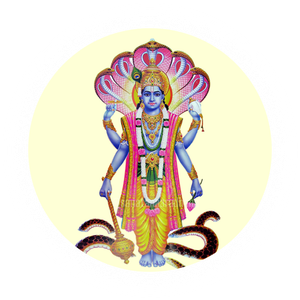
गन्धर्व माल्यवान एवं पुष्पवती की पिशाच योनि से मुक्ति की कथा
अर्जुन का प्रश्न: गाण्डीवधारी अर्जुन ने विनम्र होकर कहा — “हे जनार्दन! माघ मास के शुक्ल पक्ष की जो एकादशी आती है, उसका नाम, उसका विधान और उसकी कथा कृपा करके बताइए। उस दिन किस देवता की पूजा होती है और उसके व्रत से क्या फल मिलता है?”
श्रीकृष्ण बोले: “हे पार्थ! माघ शुक्ल की यह एकादशी ‘जया एकादशी’ नाम से विख्यात है। जो इसका विधिपूर्वक उपवास करता है, वह भूत, प्रेत, पिशाच, गंधर्व-शाप जैसी सभी निकृष्ट योनियों से छूट जाता है। यह ऐसी एकादशी है जो ‘दुर्योनि-नाशिनी’ कही गयी है। अब इसकी कथा सुनो।”
इन्द्रलोक में संगीत-सभा
एक बार स्वर्ग के राजा देवेंद्र नन्दन वन में दिव्य उत्सव का आनंद ले रहे थे। गंधर्वगण मधुर गायन कर रहे थे, अप्सराएँ लयबद्ध नृत्य कर रही थीं। उसी सभा में माल्यवान नामक एक सुगायक गंधर्व और पुष्पवती नाम की रूपवती गंधर्व-कन्या उपस्थित थे।
पुष्पवती ने माल्यवान को देखा तो उसके सौन्दर्य और प्रतिभा पर आसक्त हो गयी। उसने नृत्य-भंगिमाओं से उसे आकृष्ट करना शुरू कर दिया। माल्यवान भी उससे मोहित हो गया। परिणाम यह हुआ कि वह गाते-गाते सुर-ताल ही भूल गया और पूरी सभा का संगीत-विन्यास बिगड़ गया।
देवसभा में बैठे देवता यह देखकर खिन्न हो उठे — क्योंकि यह स्थान राग की साधना और देवी सरस्वती की आराधना का था, वहाँ कामोन्मुख चेष्टा अनुचित थी।
इन्द्र का श्राप: इन्द्र ने क्रोध से कहा — “हे माल्यवान! हे पुष्पवती! तुमने गुरुजन के समक्ष, देवसभा में, सरस्वती की साधना को कलुषित किया है। अतः तुम दोनों मृत्युलोक में गिरकर पिशाच-योनि में कष्ट भोगो। यहाँ तुम्हारा निवास वर्जित है।”
पिशाच योनि का दु:ख
शाप लगते ही दोनों स्वर्ग से गिरकर हिमालय के निर्जन अंचल में पिशाच रूप में भटकने लगे। न गंध की पहचान, न स्वाद का सुख, न वस्त्र, न विश्राम — केवल ठंडी हवा, कठोर भूमि और भूख-प्यास की पीड़ा। अंग सिहरते, दाँत किटकिटाते, रात भर नींद न आती।
एक दिन पीड़ा से व्याकुल होकर पिशाच-रूप माल्यवान ने अपनी पत्नी से कहा — “न जाने हमने कौन-सा अपराध किया कि ऐसी कठिन योनि मिली! यह तो नरक से भी कष्टप्रद है।” वे दोनों इसी तरह विलाप करते जी रहे थे।
अनजाने किया गया व्रत
इसी बीच माघ शुक्ल की जया एकादशी का पावन दिन आ गया। उस दिन न तो उन्हें भोजन मिला, न कोई हिंसात्मक कार्य उन्होंने किया — बस थोड़े-से फल-फूल लेकर पीपल के नीचे बैठे रहे। दिन भी निराहार गया और रात्रि भी वे ठंड से काँपते, एक-दूसरे से सटकर, जागरण जैसी ही स्थिति में काटने लगे।
यह सब बिलकुल नियम के भाव से नहीं, बल्कि मजबूरीवश हुआ — पर था तो उपवास + अहिंसा + जागरण ही।
शाप से मुक्ति
दूसरे दिन प्रातः सूर्योदय होते ही श्रीहरि की कृपा से दोनों का पिशाच देह छूट गया। वे पहले जैसे रूपवान गंधर्व और अतिसुन्दर गंधर्व-कन्या बने और स्वर्गीय आभूषणों से अलंकृत हो गये। आकाश में देवगण उनकी स्तुति करने लगे — “जया एकादशी की जय!”
दोनों देवलोक गये और वहाँ इन्द्रदेव को दण्डवत् किया। इन्द्र उन्हें पुनः उसी दिव्य स्वरूप में देखकर आश्चर्यचकित हुए और बोले — “तुम्हें यह पिशाच योनि से मुक्ति किस प्रकार मिली?”
माल्यवान ने निवेदन किया: “हे देवराज! हम दोनों ने माघ शुक्ल की जया एकादशी का अनजाने उपवास किया। उसी व्रत के पुण्य से और भगवान विष्णु की कृपा से हमारा पाप नष्ट हो गया और पिशाचत्व छूट गया।”
इन्द्र ने कहा: “तो तुम धन्य हो। जो विष्णु-भक्त है और जो एकादशी का व्रत करता है, वह हमारे लिये भी आदरणीय है। अब निःशंक होकर देवलोक में निवास करो।”
जया एकादशी का महत्त्व
• यह एकादशी कुःयोनि-नाशक है — भूत, प्रेत, पिशाच, व्याध, दारुण शाप — इन सबसे मुक्ति देती है।
• जो व्यक्ति इसे श्रद्धा से करता है, वह मानो तप, यज्ञ और दान — तीनों का संयुक्त फल ले लेता है।
• जो इस व्रत का माहात्म्य सुनता या सुनाता है, वह स्वर्ग में दीर्घकाल (सहस्र वर्ष) तक निवास करता है।
• यह व्रत यह भी सिखाता है कि कला, संगीत, नृत्य — ये सब देवी-उपासना हैं; इन्हें असंयम या काम-प्रदर्शन का माध्यम न बनाया जाए।
कथा-सार
• गुरुजनों एवं देवसभा के प्रति असम्मान — दैवी दण्ड का कारण बनता है।
• परन्तु — एक साधारण-सा, यहाँ तक कि अनजाने में किया गया एकादशी उपवास भी दशा बदल सकता है।
• भगवान विष्णु ने एकादशी को इतनी सत्ता दी है कि जहाँ वे स्वयं तत्काल दण्ड हटाते नहीं, वहाँ भी एकादशी व्रत पाप को हल्का कर देता है।
• जो मनुष्य जन्मों से खिंच रहे दोष, किसी अज्ञात शाप, या कुल-जन्य पीड़ाओं से छुटकारा चाहते हैं — उन्हें माघ शुक्ल जया एकादशी अवश्य रखनी चाहिए।
In the sacred scriptures, the divine conversations between Bhagwan Shri Krishna and Arjuna illuminate the path of Dharma and devotion for all humanity. One such profound exchange reveals the immense glory of Jaya Ekadashi, a day capable of transforming even the most difficult destinies.
The Sacred Story of Gandharvas Malyavan and Pushpavati’s Deliverance from a Pisacha Yoni
Arjuna’s Question: Bearing his Gandiva bow, Arjuna humbly asked, “O Janardana! Please graciously tell me the name, the prescribed method, and the sacred story of the Ekadashi that falls during the Shukla Paksha (bright fortnight) of the month of Magha. Which deity is worshipped on that day, and what fruits are attained by observing its Vrat?”
Shri Krishna replied: “O Partha! This Ekadashi of Magha Shukla Paksha is renowned by the name of ‘Jaya Ekadashi’. Whoever observes a fast on this day with proper rituals is freed from all lowly forms of existence, such as those of Bhoota, Preta, Pisacha, or any Gandharva-shaap (curse). This Ekadashi is known as ‘Duryoni-Nashini’ – the destroyer of evil existences. Now, listen to its sacred story.”
A Celestial Musical Gathering in Indraloka
Once, Devendra, the King of Svarga (heaven), was enjoying a divine festival in the Nandan Van (celestial garden). The Gandharvas were singing melodiously, and the Apsaras were dancing gracefully to the rhythm. In that very assembly were present a gifted Gandharva singer named Malyavan and an exquisitely beautiful Gandharva maiden named Pushpavati.
When Pushpavati saw Malyavan, she became deeply enamoured by his beauty and talent. She began to attract him with her dance movements. Malyavan, too, became enchanted by her. The consequence was that while singing, he completely lost track of the melody and rhythm, and the entire musical harmony of the assembly was disrupted.
The deities seated in the celestial assembly became displeased upon witnessing this – for that sacred space was meant for the devotion of Raga (musical melody) and the worship of Devi Saraswati, and such amorous gestures were highly inappropriate there.
Indra’s Curse: Indra, filled with wrath, declared, “O Malyavan! O Pushpavati! You have defiled the sacred devotion to Saraswati in the presence of elders and in this divine assembly. Therefore, both of you shall fall to Mrityuloka (the mortal realm) and suffer in a Pisacha-yoni (demonic existence). Your residence here is forbidden!”
The Torment of a Pisacha Existence
As soon as the curse took effect, both fell from Svarga and began to wander as Pisachas in the desolate regions of the Himalayas. They lost their sense of smell, the joy of taste, had no clothes, and no rest – only biting cold winds, harsh ground, and the torment of hunger and thirst. Their limbs shivered, their teeth chattered, and sleep eluded them through the night.
One day, tormented by their suffering, Malyavan, in his Pisacha form, said to his wife, “We do not know what sin we committed to be cast into such a harsh existence! This is even more painful than Naraka (hell).” Both of them continued to live, lamenting in this manner.
The Unintentional Observance of the Vrat
During this time, the sacred day of Jaya Ekadashi in Magha Shukla Paksha arrived. On that day, they neither found food nor engaged in any violent acts – they simply sat under a Peepal tree with a few fruits and flowers. The day passed without any sustenance, and the night, too, they spent shivering from the cold, huddled close to each other, in a state akin to a Jagaran (all-night vigil).
All this happened not with any deliberate intention of following rules, but out of sheer helplessness – yet, it amounted to a combination of fasting + non-violence + vigil.
Liberation from the Curse
The next morning, as the sun rose, by the grace of Shri Hari, both of them shed their Pisacha bodies. They were transformed back into their former selves – a handsome Gandharva and an exquisitely beautiful Gandharva maiden, adorned with celestial ornaments. In the sky, the Devas began to praise them, chanting, “Victory to Jaya Ekadashi!”
Both ascended to Devaloka (the celestial realm) and offered their respectful prostrations to Devendra. Indra was astonished to see them restored to their divine forms and asked, “How did you gain liberation from this Pisacha existence?”
Malyavan humbly submitted: “O Devaraja! We both unintentionally observed a fast on Jaya Ekadashi of Magha Shukla Paksha. By the merit of that Vrat and the grace of Bhagwan Vishnu, our sins were destroyed, and we were freed from our Pisacha state.”
Indra declared: “Then you are truly blessed. One who is a devotee of Vishnu and observes the Ekadashi Vrat is venerable even to us. Now, reside in Devaloka without any apprehension.”
The Profound Significance of Jaya Ekadashi
• This Ekadashi is a destroyer of evil existences – it grants liberation from Bhoota, Preta, Pisacha, diseases, and terrible curses. • A person who observes it with devotion receives the combined merit of Tapa (austerity), Yajna (sacrifice), and Dana (charity). • Whoever listens to or narrates the glory of this Vrat resides in Svarga for a long duration (a thousand years). • This Vrat also teaches that art, music, and dance are all forms of Devi-Upasana (worship of the Divine); they should not be used as a means for indiscipline or amorous display.
Essence of the Sacred Katha
• Disrespect towards elders and divine assemblies can lead to divine punishment. • However – even a simple, and even unintentionally observed, Ekadashi fast can change one’s destiny. • Bhagwan Vishnu has bestowed such power upon Ekadashi that even in situations where He Himself might not immediately remove a punishment, the Ekadashi Vrat alleviates the burden of sin. • Those who wish to be freed from karmic impurities accumulated over lifetimes, from an unknown curse, or from ancestral afflictions – should certainly observe Magha Shukla Jaya Ekadashi.