अर्जुन ने विनम्र होकर कहा – “हे प्रभु! आश्विन मास के कृष्ण पक्ष की जो एकादशी आती है, उसका क्या नाम है? उसका व्रत कैसे किया जाता है और उसे करने से कैसा फल मिलता है – यह सब कृपा करके विस्तार से बताइये।”
भगवान श्रीकृष्ण बोले – “हे पार्थ! आश्विन कृष्ण एकादशी का नाम इन्दिरा एकादशी है। यह एकादशी इतनी कृपालु है कि इससे न केवल व्रती के पापकर्म नष्ट होते हैं, बल्कि यदि वह चाहे तो इससे अपने स्वजन, विशेषकर यमलोक में स्थित पितरों को भी ऊपर उठा सकता है। इसकी कथा का श्रवण मात्र भी बहुयज्ञ-सम फल देने वाला है, इसलिए ध्यान से सुनो।”
राजा इन्द्रसेन और यमलोक में पिता का संदेश
सतयुग में महिष्मती नाम की समृद्ध नगरी थी। वहाँ इन्द्रसेन नाम के धर्मनिष्ठ, विजयी और प्रजावत्सल राजा राज्य करते थे। पुत्र-पौत्र, धन-धान्य, वैभव – किसी वस्तु की उनके यहाँ कमी न थी। एक दिन वे अपनी सभा में विराजमान थे कि उतने में देवर्षि नारद जी पधारे। राजा तत्काल आसन से उठे, प्रणाम किया और उन्हें मानपूर्वक बैठाया।
नारदजी ने कहा – “हे राजन! तुम्हारा राज्य धर्म से सुशोभित है, प्रजा सुखी है – यह देखकर मैं प्रसन्न हूँ। पर मैं एक विशेष संदेश लेकर आया हूँ।”
राजा ने चकित होकर पूछा – “हे देवार्षि! किसका संदेश?”
नारदजी बोले – “जब मैं ब्रह्मलोक से यमलोक की ओर गया था, तब यमराज की सभा में मैंने तुम्हारे पिता को बैठे देखा। वे धरती पर दानी, धर्मात्मा और सत्यप्रिय थे; पर एक बार एकादशी-व्रत भंग होने से उन्हें यमलोक का वास मिला है। उन्होंने ही मुझसे कहा – ‘हे नारद! यदि मेरा पुत्र इन्द्रसेन आश्विन कृष्ण की इन्दिरा एकादशी का व्रत करे और उसका फल मुझे अर्पित कर दे, तो मैं इस लोक से मुक्त होकर स्वर्ग को जा सकूँगा।’”
यह सुनकर राजा का हृदय द्रवित हो उठा। बोले – “हे नारदजी! पिता का यमलोक में होना मेरे लिए अत्यन्त दुःख का विषय है। आप कृपा करके उस इन्दिरा एकादशी की पूरी विधि मुझे बताइये, मैं उसे अवश्य करूँगा।”
व्रत की विधि
नारदजी ने कहा – “हे नृपश्रेष्ठ! इस व्रत की तैयारी दशमी से ही करनी होती है।
(1) दशमी का आचरण: आश्विन कृष्ण दशमी के दिन प्रातः और मध्याह्न – दोनों समय स्नान करो। स्नान के बाद श्रद्धापूर्वक पितरों का श्राद्ध करो। उस दिन एक समय ही सात्त्विक भोजन लो और रात को भूमि पर शयन करो। यह दशमी की शुद्धि है।
(2) एकादशी का संकल्प: अगले दिन, यानी एकादशी को प्रातःकाल स्नान कर के यह सङ्कल्प लो – “मैं आज श्रीविष्णु की प्रसन्नता के लिए उपवास करूँगा, समस्त भोगों का त्याग करूँगा और द्वादशी को ही भोजन करूँगा; प्रभु, आप मेरी रक्षा कीजिए।”
(3) पूजन-विधि: मध्याह्न के समय शालिग्राम या श्रीविष्णु की प्रतिमा को स्थापित करो, धूप, दीप, नैवेद्य, पुष्प और तुलसीदल से उनका पूजन करो। किसी योग्य ब्राह्मण को भोजन कराओ, दक्षिणा दो, और भोजन का भाग गौ को अवश्य दो।
(4) रात्रि जागरण: उसी रात भगवत-नाम, स्तोत्र, कथा या कीर्तन के साथ जागरण करो – इससे व्रत पूर्ण होता है।
(5) द्वादशी का पारण: दूसरे दिन द्वादशी को यथाशक्ति मौन रहकर, फिर पितृ-उद्धार की भावना से भोजन करो और व्रत का फल पितरों को समर्पित कर दो।”
व्रत का फल और पितृ-उद्धार
नारदजी यह विधान कहकर अन्तर्धान हो गये। राजा इन्द्रसेन ने उनकी बताई हुई रीति से आश्विन कृष्ण की इन्दिरा एकादशी का व्रत किया, रातभर जागरण किया और द्वादशी को व्रत का फल अपने पिता के निमित्त समर्पित कर दिया।
तत्क्षण आकाश से पुष्पों की वर्षा होने लगी, दिव्य रथ प्रकट हुआ और यमलोक से राजा के पिता उसी रथ पर आरूढ़ होकर स्वर्गलोक को चले गये। स्वयं इन्द्रसेन भी इहलोक में दीर्घायु, यशस्वी और सुखी होकर अन्त में विष्णुलोक के अधिकारी बने।
कथा-सार
इन्दिरा एकादशी हमें यह सिखाती है कि एकादशी-व्रत केवल व्यक्तिगत साधना नहीं, यह हमारे पितृ-ऋण से मुक्ति का भी दिव्य साधन है। जिन पितरों का कहीं व्रत भंग हो गया हो, या किसी चूक से वे निम्न लोकों में हों, उनके लिए पुत्र/वंशज द्वारा की गई यह एकादशी डोरी बनकर उन्हें ऊपर खींच लेती है। इसलिए जो भी संकल्प करो – उसे तोड़ो मत; और यदि कहीं चूक हो ही जाये, तो इन्दिरा एकादशी जैसा प्रभुप्रिय व्रत उसे भी क्षमा करा देता है।
In the sacred dialogue between Bhagwan Shri Krishna and Arjuna, many profound truths and divine Vrat Kathas have been revealed for the welfare of humanity. Today, let us immerse ourselves in the beautiful narrative of Indira Ekadashi, a Vrat that not only purifies the devotee but also holds the power to liberate ancestors from lower realms.
The Divine Narrative of King Indrasen and His Father’s Deliverance
Arjuna, with utmost humility, addressed Bhagwan Shri Krishna, saying, ‘O Prabhu, I earnestly seek your divine guidance. Please enlighten me on the name of the sacred Ekadashi that falls during the Krishna Paksha of the Ashwin month. How is this Vrat to be observed, and what are the blessed benefits one receives by performing it? Kindly narrate all this in detail.’
Bhagwan Shri Krishna replied, ‘O Partha, the sacred Ekadashi of the Krishna Paksha in the Ashwin month is known as Indira Ekadashi. Such is the boundless compassion of this Ekadashi that it not only purifies the devotee of their past misdeeds but, if they so desire, it can also elevate their dear ones, especially their ancestors residing in Yamaloka. Merely listening to the divine Katha of this Ekadashi bestows merits equivalent to performing numerous great yajnas. Therefore, listen with utmost devotion and attention.’
King Indrasen and the Message from His Father in Yamaloka
In the sacred era of Satya Yuga, there was a flourishing city named Mahishmati. This glorious kingdom was ruled by a righteous, victorious, and deeply beloved king named Indrasen, who cared for his subjects like his own children. He was blessed with sons and grandsons, abundant wealth, plentiful grains, and immense prosperity – indeed, there was nothing lacking in his life. One auspicious day, as he presided over his royal assembly, the revered Devrishi Narad ji graced the court with his presence. The king immediately rose from his throne, offered his humble prostrations, and respectfully seated the divine sage.
Narad ji spoke, ‘O King! I am indeed pleased to see your kingdom shining with Dharma, and your subjects living in great happiness and peace. However, I have come bearing a very special message for you.’
The king, filled with wonder, enquired, ‘O Devarshi! Whose sacred message have you brought?’
Narad ji then revealed, ‘When I journeyed from Brahmaloka to Yamaloka, I beheld your revered father seated in the assembly of Yamraj. While he was indeed a generous, righteous, and truthful soul during his earthly life, a single instance of a broken Ekadashi-Vrat led him to reside in Yamaloka. It was he who implored me, ‘O Narad! If my beloved son, Indrasen, observes the sacred Indira Ekadashi Vrat during the Krishna Paksha of Ashwin month and dedicates its spiritual merit to me, then I shall be liberated from this realm and ascend to Swargaloka.’ ‘
Upon hearing these words, the king’s heart was deeply moved with sorrow and compassion. He humbly submitted, ‘O Narad ji! The knowledge that my father resides in Yamaloka causes me immense grief. Please, in your infinite kindness, reveal to me the complete and proper method of observing this Indira Ekadashi Vrat. I shall certainly undertake it with unwavering devotion.’
The Sacred Observance of the Vrat
Narad ji then instructed, ‘O best among kings! The preparations for this sacred Vrat commence even from the Dashami Tithi itself.
(1) Observance on Dashami: On the sacred day of Ashwin Krishna Dashami, take a purifying bath both in the morning and at midday. After bathing, perform the Shraddha rituals for your ancestors with utmost devotion. On this day, partake in only one sattvic meal and sleep on the ground at night. This observance ensures the purity required for Dashami.
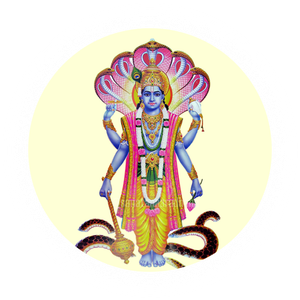
(2) The Sankalp on Ekadashi: On the following day, which is Ekadashi, after your morning bath, take this solemn Sankalp: ‘Today, I shall observe a complete fast for the divine pleasure of Shri Vishnu. I vow to renounce all worldly pleasures and will break my fast only on Dwadashi. O Prabhu, I humbly pray for your divine protection as I undertake this Vrat.’
(3) The Puja Rituals: At midday, lovingly install a Shaligram Shila or a sacred idol of Shri Vishnu. Perform their divine Puja with incense (dhup), lamp (deep), sacred offerings (naivedya), fresh flowers, and beloved Tulsi leaves. Thereafter, offer a meal to a worthy Brahmin, present them with Dakshina, and be sure to offer a portion of the food to a cow.
(4) Night Vigil (Jagran): On that very night, observe a sacred Jagran, engaging in the chanting of the Lord’s divine names (Bhagwat-naam), reciting Stotras, listening to sacred Kathas, or participating in devotional Kirtan. This completes the Vrat.
(5) Breaking the Fast on Dwadashi (Parana): On the following day, Dwadashi, observe silence as much as possible. Thereafter, partake in your meal with the sole intention of Pitru-uddhar (liberation of ancestors) and lovingly dedicate the spiritual merits of your Vrat to your revered ancestors.’
The Blessed benefits of the Vrat and the Liberation of Ancestors
Having thus expounded the sacred rituals, Narad ji gracefully disappeared from sight. King Indrasen, with profound faith, observed the sacred Indira Ekadashi Vrat during the Ashwin Krishna Paksha precisely as instructed by the divine sage. He performed the night-long Jagran with unwavering devotion, and on Dwadashi, he lovingly dedicated all the spiritual merits of his Vrat for the liberation of his dear father.
Instantly, a shower of divine flowers rained down from the heavens, and a celestial chariot manifested before their eyes. From Yamaloka, the king’s father, now liberated, ascended that divine chariot and proceeded towards Swargaloka. King Indrasen himself lived a long, glorious, and joyful life in this earthly realm, and in the end, attained the supreme abode of Vishnuloka.
The Profound Essence of the Katha
The sacred Indira Ekadashi teaches us a profound truth: that an Ekadashi-Vrat is not merely an individual spiritual discipline, but also a divine means for liberation from our ancestral debt (Pitru-Rin). For those ancestors whose Vrat may have been inadvertently broken, or who, due to some past oversight, reside in lower realms, this Ekadashi, when observed by a devout son or descendant, acts as a divine rope, drawing them upwards to higher abodes. Therefore, whatever Sankalp you undertake, strive diligently not to break it. And should an unintentional error occur, a Vrat as beloved to the Lord as Indira Ekadashi can indeed help in seeking forgiveness and redemption.