

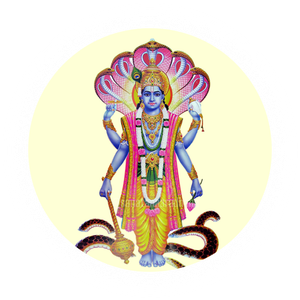
तिथि व महत्त्व: आषाढ़ माह के शुक्ल पक्ष की एकादशी को देवशयनी या पद्मा एकादशी कहा जाता है। इसी दिन से भगवान श्रीविष्णु क्षीरसागर में योगनिद्रा को जाते हैं और यहीं से चातुर्मास्य का शुभ आरम्भ माना जाता है। जो व्यक्ति इस दिन नियमपूर्वक उपवास, पूजा और जागरण करता है, उसे पापों से मुक्ति, राज्य-समृद्धि, वर्षा-सुख और अंततः मोक्ष का फल प्राप्त होता है।
राजा मान्धाता के राज्य में अकाल की कथा
भगवान श्रीकृष्ण ने अर्जुन से कहा—हे धनुर्धर! यह वही पावन एकादशी है जिसके विषय में एक बार नारदजी ने स्वयं ब्रह्माजी से पूछा था। ब्रह्माजी ने कहा—“नारद! तुमने कलियुग के प्राणिमात्र के कल्याण का प्रश्न किया है, क्योंकि एकादशी ही ऐसा व्रत है जो सब व्रतों में श्रेष्ठ और पापों का नाश करने वाला है। यह देवशयनी एकादशी भगवान विष्णु को विशेष प्रिय है।”
प्राचीन समय में सूर्यवंशी, सत्यवादी, प्रजावत्सल और तेजस्वी राजा मान्धाता राज्य करते थे। उनके राज्य में न ही चोरी थी, न ही रोग, न ही कोई प्राकृतिक आपदा। प्रजा सुख से थी और वे सभी को पुत्रवत् पालते थे। परन्तु एक समय ऐसा आया कि राज्य में वर्षा होना बंद हो गया। एक वर्ष, दो वर्ष नहीं, लगातार तीन वर्षों तक मेघ नहीं बरसे। खेत सूख गये, यज्ञ रुक गये और प्रजा अन्न-अभाव से कराह उठी।
दुखी प्रजा ने राजा से प्रार्थना की—“हे राजन! वर्षा नहीं हो रही, हम भूख से व्याकुल हैं। यदि उपाय न हुआ तो हमें राज्य छोड़ना पड़ेगा।” राजा मान्धाता ने कहा—“जब प्रजा को कष्ट होता है तो दोष राजा का ही होता है। मैं यह पता लगाकर रहूँगा कि यह विपत्ति किस कारण आयी है।”
समाधान की खोज में राजा कुछ विश्वस्तों को साथ लेकर वन की ओर निकले और आश्रम-आश्रम घूमते हुए ब्रह्मा के मानसपुत्र, परम तपस्वी महर्षि अंगिरा के आश्रम पहुँचे। राजा ने उन्हें प्रणाम किया। मुनि ने आशीर्वाद देकर कारण पूछा। राजा ने कहा—“हे ऋषिवर! मैं धर्मपूर्वक राज्य करता हूँ, फिर भी मेरे राज्य में तीन वर्ष से वर्षा नहीं हुई। इसका छिपा कारण मुझे बताइये।”
महर्षि अंगिरा बोले—“हे राजन! यह सतयुग चल रहा है। इस युग में ब्राह्मण को ही तप का अधिकार है। पर तुम्हारे राज्य में एक शूद्र तप कर रहा है, वही इस अकाल का कारण बना है। जब तक उस अनधिकृत तप का निराकरण नहीं होगा, मेघ नहीं बरसेंगे।”
राजा ने विनीत भाव से कहा—“गुरुदेव! मैं निर्दोष साधक की हत्या नहीं कर सकता। यदि कोई और उपाय हो जो धर्मसंगत हो, तो कृपा करके बताइये।”
तब मुनि प्रसन्न हुए और बोले—“तो फिर तुम आषाढ़ शुक्ल की देवशयनी नाम की एकादशी का विधि-विधान से व्रत करो। यह व्रत सिद्धि देने वाला, पाप हरने वाला और वर्षा कराने में समर्थ है। इसके प्रभाव से तुम्हारे राज्य का दारुण अकाल समाप्त हो जायेगा।”
राजा मान्धाता नगर लौटे, स्नान, संकल्प, विष्णुपूजन, धूप-दीप-नैवेद्य के साथ देवशयनी एकादशी का व्रत किया और रात्रि को हरिनाम में जागरण किया। व्रत के पुण्य-प्रभाव से शीघ्र ही आकाश में घन गरजने लगे, मेघ बरसे, तालाब भरे, खेत लहलहा उठे और प्रजा पुनः सुखी हो गयी।
भगवान ने अर्जुन से कहा—“हे पार्थ! इस एकादशी को पद्मा एकादशी भी कहते हैं। जो व्यक्ति इस दिन मेरा व्रत करता है, चातुर्मास्य का शुभारम्भ करता है, वह मेरे विशेष अनुग्रह का भागी होता है। मोक्ष की कामना करने वाले को यह व्रत अवश्य करना चाहिये।”
कथा-सार
यह कथा सिखाती है कि अपने कष्ट का कारण पहले भीतर और अपने क्षेत्र में ढूँढो, किसी निर्दोष को चोट पहुँचाकर समाधान खोजना धर्म नहीं है। जब शुद्ध आस्था, सही विधि और सत्पुरुषों का निर्देश मिल जाये—और उसको पूर्ण श्रद्धा से किया जाये—तो सूखे राज्य में भी कृपा की वर्षा होने लगती है। देवशयनी एकादशी ऐसा ही करुणामयी व्रत है।
With utmost reverence, let us immerse ourselves in the sacred narrative of Devshayani Ekadashi, a day of profound spiritual significance that marks the beginning of Bhagwan Vishnu’s divine rest and the auspicious period of Chaturmasya.
Date and Significance: The Ekadashi of the Shukla Paksha (bright fortnight) in the month of Ashadha is known as Devshayani Ekadashi or Padma Ekadashi. From this auspicious day, Bhagwan Shri Vishnu enters into Yoga Nidra (divine sleep) in Ksheersagar (the cosmic ocean of milk), marking the sacred commencement of Chaturmasya. A devotee who observes a fast, performs Puja, and remains vigilant (Jagran) on this day, following all prescribed rules, attains liberation from sins, prosperity in their kingdom, the joy of abundant rains, and ultimately, the fruit of Moksha (liberation).
The Sacred Story of Famine in King Mandhata’s Kingdom
Bhagwan Shri Krishna addressed Arjuna, saying—”O Arjuna, wielder of the bow! This is that very holy Ekadashi about which Sage Narada once inquired from Lord Brahma himself. Lord Brahma then revealed, ‘O Narada! You have indeed asked a question concerning the welfare of all beings in Kaliyuga, for Ekadashi Vrat is the most supreme among all Vrats and is a potent destroyer of sins. This Devshayani Ekadashi is especially dear to Bhagwan Vishnu.'”
In ancient times, there reigned a glorious King Mandhata, belonging to the Suryavanshi dynasty. He was truthful, deeply beloved by his subjects, and endowed with immense radiance. In his kingdom, there was no theft, no disease, nor any natural calamity. The subjects lived in great happiness, and the king nurtured them all with the affection a father holds for his children. However, a time came when rain ceased to fall in the kingdom. Not for one or two years, but continuously for three years, the clouds did not shower. The fields dried up, Yajnas (sacrifices) came to a halt, and the subjects groaned under the severe scarcity of food.
The distressed subjects pleaded with the king, “O King! There is no rain, and we are tormented by hunger. If a solution is not found, we shall be forced to abandon the kingdom.” King Mandhata replied, “When the subjects suffer, the fault lies with the king. I shall surely discover the true cause of this calamity.”
In search of a solution, the king, accompanied by some trusted companions, set out towards the forest. Wandering from ashram to ashram, he eventually arrived at the hermitage of Sage Angira, a mind-born son of Brahma and a great ascetic. The king offered his respectful salutations. The revered Muni blessed him and inquired about the purpose of his visit. The king humbly submitted, “O revered Sage! I rule my kingdom righteously, upholding Dharma, yet for three years, there has been no rain in my realm. Please reveal to me the hidden reason for this.”
Maharishi Angira responded, “O King! This is the Satya Yuga (Golden Age). In this era, only a Brahmin is authorized to perform Tapasya (austerities). However, a Shudra is performing penance in your kingdom, and this is the very cause of the famine. Until this unauthorized penance is rectified, the clouds will not shower.”
The king humbly submitted, “O Gurudev! I cannot slay an innocent seeker. If there is any other remedy that is in accordance with Dharma, please mercifully guide me.”
Then the Muni, pleased by the king’s compassion, said, “Then you must observe the Devshayani Ekadashi Vrat during the Shukla Paksha of the Ashadha month, following all its prescribed rituals. This Vrat bestows Siddhis (spiritual powers), eradicates sins, and has the power to bring forth rain. By its divine influence, the terrible famine in your kingdom will surely come to an end.”
King Mandhata returned to his city. He took a sacred bath, made the Sankalp (vow), performed Vishnu Puja with incense, lamps, and offerings (Naivedya), observed the Devshayani Ekadashi Vrat, and spent the night in Jagran (vigil) chanting the divine names of Hari. By the virtuous influence of this Vrat, clouds soon thundered in the sky, rain poured down, ponds filled, fields became lush and green, and the subjects once again became happy and prosperous.
Bhagwan then said to Arjuna, “O Partha! This Ekadashi is also known as Padma Ekadashi. Any devotee who observes My Vrat on this day and commences Chaturmasya becomes a recipient of My special grace. Those who aspire for Moksha (liberation) must certainly observe this Vrat.”
The Essence of This Sacred Katha
This sacred Katha teaches us that one should first seek the cause of one’s suffering within oneself and one’s domain. It is not Dharma to seek solutions by harming an innocent soul. When pure faith, the correct method, and the guidance of virtuous beings are received—and followed with complete devotion—then even in a parched kingdom, the rain of divine grace begins to pour. Devshayani Ekadashi is indeed such a compassionate Vrat, bringing forth blessings and relief.